

The Challenge of Seasonal Restaurant Packaging
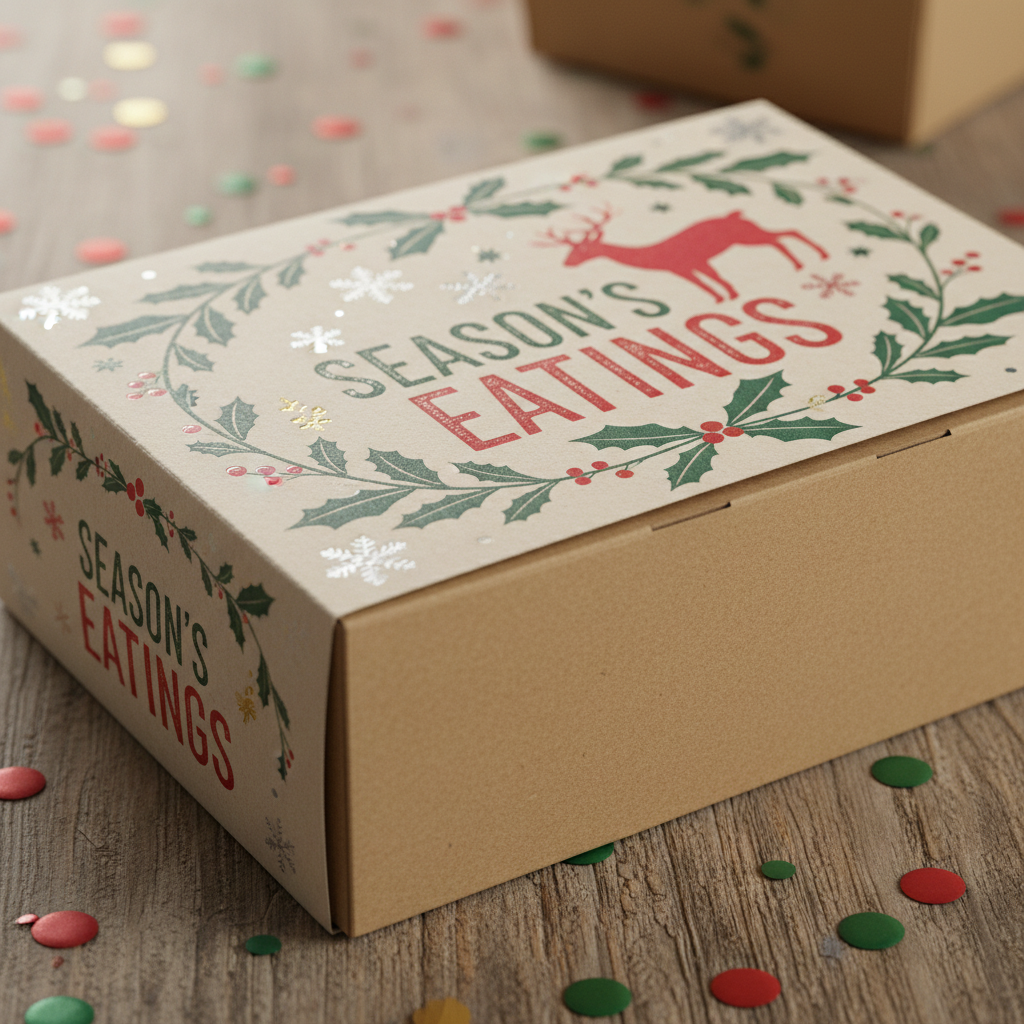
For restaurant owners and procurement managers, seasonal promotions are a double-edged sword. On one hand, limited edition packaging creates a sense of urgency, boosts social media engagement, and increases the perceived value of the meal. On the other hand, the risk of over-ordering is significant. Leftover “Merry Christmas” boxes in February are not just a storage headache; they represent tied-up capital and wasted materials.
The goal is to achieve a festive, high-impact look while maintaining a lean inventory. This guide explores how to leverage custom printed packaging strategically, focusing on material choices, modular design, and smart procurement to maximize ROI during peak seasons like the holidays, Lunar New Year, or summer festivals.
Strategic Design: Promoting Without the Surplus Risk
One of the most effective ways to manage seasonal promotions is through modularity. Instead of ordering 10,000 fully custom boxes that are only relevant for three weeks, savvy brands use a “Core + Accent” strategy.
The “Core + Accent” Approach
This strategy involves using your standard, high-volume food packaging box as the base and adding seasonal elements that are easier to store or repurpose. Common methods include:
- Custom Sleeves: A standard white or kraft box can be instantly transformed with a full-color printed paper sleeve. Sleeves take up 90% less storage space than folded boxes and have much lower MOQs.
- Seasonal Stickers and Seals: High-quality, custom-shaped stickers can be applied to standard food packaging bags to denote a seasonal special or holiday greeting.
- Interchangeable Lids: If you use standardized food containers, consider only customizing the lid or a paper insert.
Color Palette Optimization
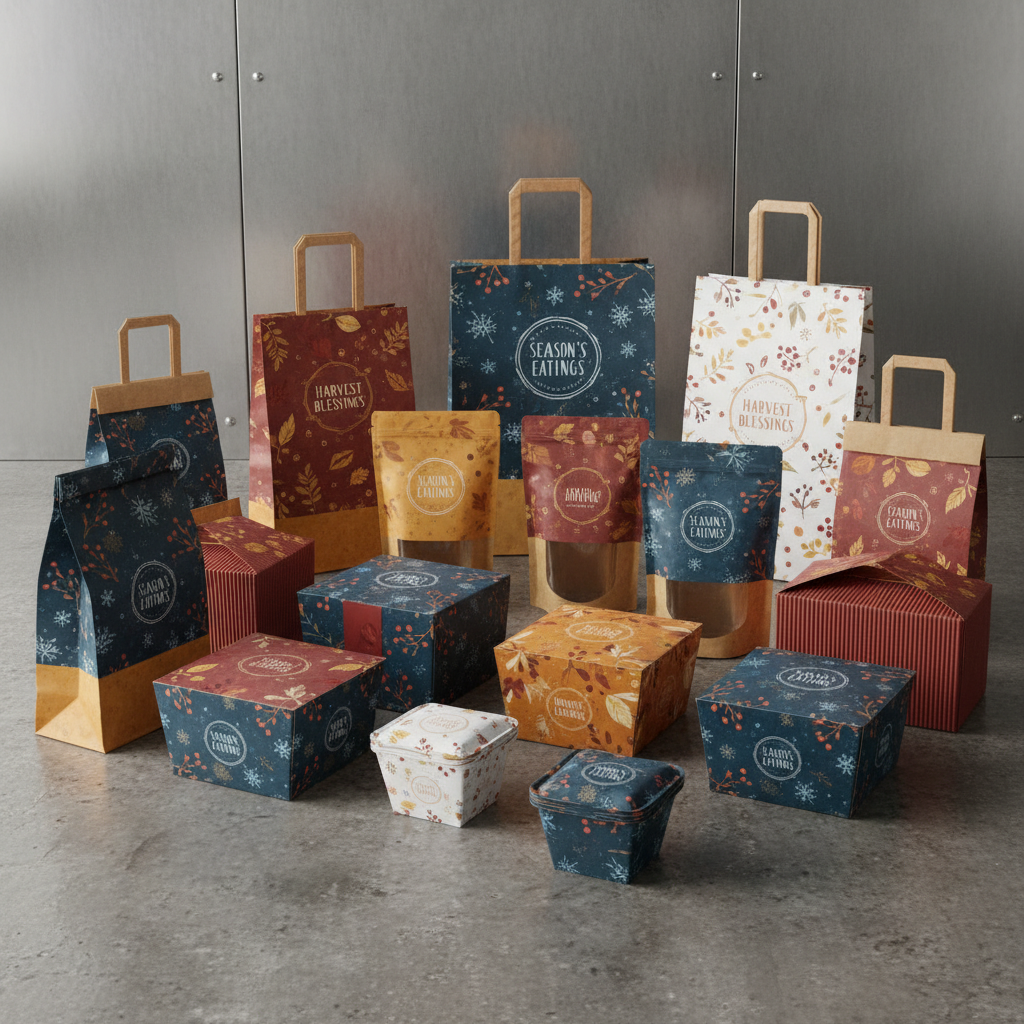
Choose colors that bridge multiple holidays. For example, a deep forest green and gold palette works for Autumn, Christmas, and even St. Patrick’s Day with slight adjustments to the accompanying labels. This allows you to use the bulk of your custom stock over a longer period, reducing the risk of dead stock.
Material Selection for Seasonal Impact
The material of your packaging dictates both the printing quality and the customer’s tactile experience. When planning a seasonal promotion, consider these common industrial materials:
1. White Cardboard (SBS)
Solid Bleached Sulfate (SBS) is the gold standard for high-end seasonal packaging. It provides a smooth, bright white surface that makes CMYK colors pop. It is ideal for intricate holiday designs and brand-heavy promotions.
2. Kraft Paper
For a rustic, eco-friendly, or “harvest” feel, unbleached kraft paper is excellent. It is durable and communicates a message of sustainability. Custom printed packaging on kraft often uses darker inks (black, deep red, forest green) for a sophisticated, minimalist look.
3. Corrugated E-Flute
If your seasonal promotion involves heavy meals or delivery-intensive items like family-style holiday feasts, E-flute corrugated boxes provide the necessary structural integrity and thermal insulation while allowing for high-quality printing.
Technical Specifications for Custom Printing
To ensure your seasonal packaging looks professional, you must understand the technical constraints of the printing process. When you contact a supplier, having these details ready will speed up the quoting process.
| Feature | Standard Specification | Best For |
|---|---|---|
| Printing Method | Offset or Flexography | High-detail graphics / Bulk orders |
| Color Space | CMYK or Pantone (PMS) | Full-color photos / Exact brand matching |
| Coating | Aqueous, UV, or Matte/Gloss Lamination | Grease resistance and durability |
| Special Finishes | Foil Stamping, Embossing | Premium/Luxury holiday editions |
Managing Ink Coverage
For limited edition runs, consider “minimalist” printing. Heavy ink coverage can sometimes lead to longer drying times and higher costs. Using the natural color of the paper (white or kraft) as part of the design can reduce costs while maintaining a high-end aesthetic.
Inventory Management: Avoiding the “Post-Holiday” Pile
The most common mistake in seasonal procurement is failing to account for the “ramp-down” period. Here is how to manage your order volumes:
The 80/20 Rule of Seasonal Ordering
Order 80% of your projected needs in your primary seasonal design. For the remaining 20%, use “evergreen” packaging that can be used year-round. If the promotion is more successful than expected, you can supplement with the evergreen stock and seasonal stickers. This prevents you from being left with thousands of dated boxes on January 1st.
Lead Times and Production Windows
Industrial packaging production typically follows a specific timeline. For a December promotion, the process should ideally begin in September:
- Design & Sampling: 7–10 days.
- Mass Production: 12–15 days (depending on complexity).
- Shipping: 20–35 days for sea freight; 5–7 days for air freight.
Understanding the how to order process is critical to ensuring your packaging arrives before the promotion starts.
Quality Assurance in Seasonal Runs
High-speed seasonal production runs can sometimes lead to quality oversights if not managed correctly. Ensure your supplier performs the following checks:
- Color Consistency: Delta E monitoring to ensure the red on your box matches the red on your bags.
- Grease Resistance Testing: Essential for fried foods or buttery pastries to prevent the packaging from looking unappealing during transit.
- Structural Integrity: Drop tests and crush tests, especially for stacked delivery orders.
Case Study: The “Holiday Bundle” Strategy
A mid-sized restaurant chain wanted a Christmas-themed promotion but feared leftover stock. They opted for:
- Standard unprinted food containers.
- Custom printed “Holiday Red” food packaging bags with a generic winter theme (snowflakes instead of “Merry Christmas”).
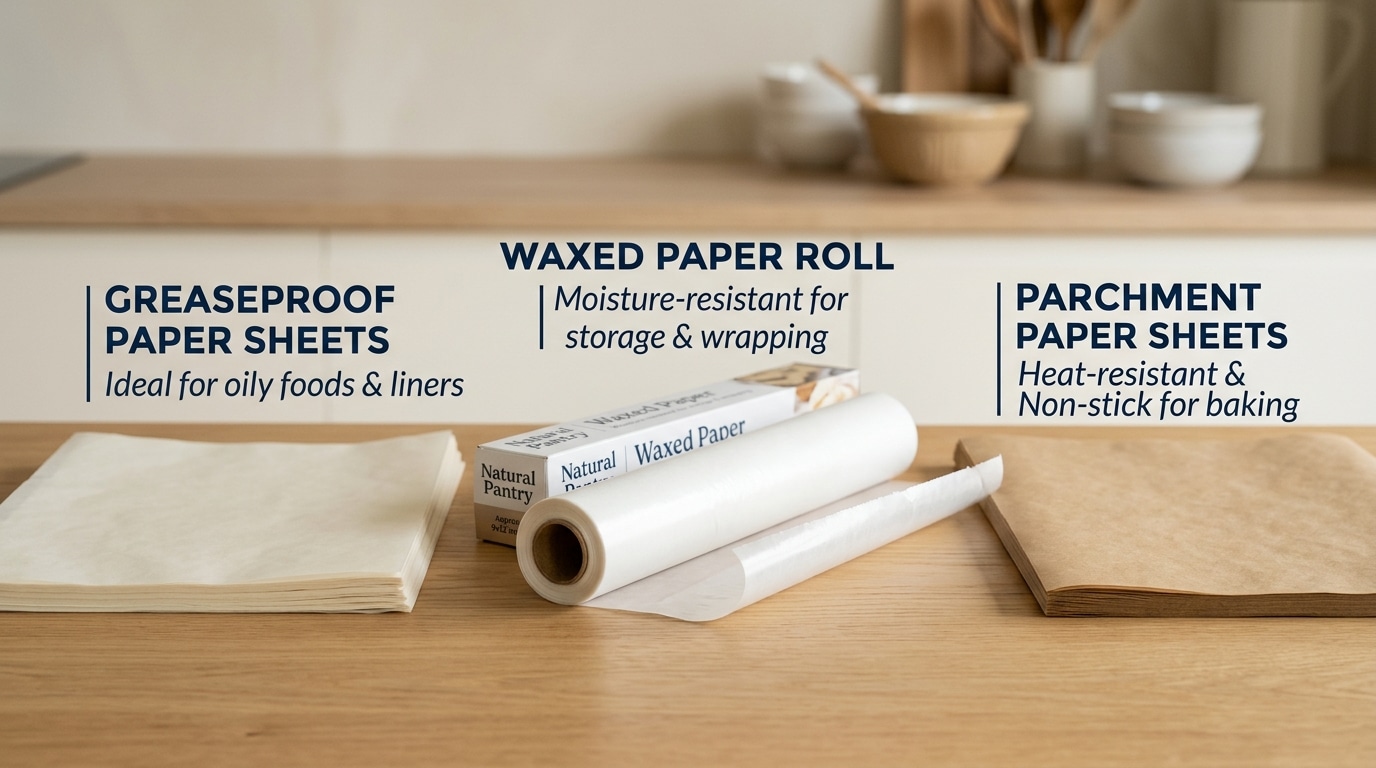
- Custom printed greaseproof paper liners for their food packaging boxes.
By using snowflakes instead of date-specific text, they were able to use the remaining bags through February, and the liners were inexpensive enough that a small surplus didn’t impact their bottom line.
Frequently Asked Questions
What is the typical MOQ for custom seasonal packaging?
For custom printed boxes, MOQs usually start at 500 to 1,000 pieces per size. For bags and stickers, the MOQs can be significantly lower, making them ideal for shorter promotions.
Can I get samples before committing to a full seasonal order?
Yes. Most industrial suppliers offer two types of samples: digital mockups (fast and free) or physical pre-production samples (which may involve a small fee but ensure the material and color are correct).
How do I ensure the colors on my packaging match my brand?
Provide your supplier with Pantone (PMS) codes rather than just CMYK or RGB values. This is the industry standard for ensuring color consistency across different materials and printing machines.
Is eco-friendly seasonal packaging more expensive?
Not necessarily. Recyclable kraft paper and aqueous-based inks are often price-competitive with traditional plastics and oil-based inks, especially as demand for sustainable options increases.
How should I store my leftover packaging?
Store all paper-based packaging in a cool, dry place away from direct sunlight. High humidity can weaken the adhesive and cause the paper to warp, while UV light can fade the printing over time.
Conclusion: Maximize Your Seasonal Impact
Seasonal packaging is a powerful tool for restaurant branding, but it requires a disciplined approach to procurement. By focusing on modular designs, selecting the right materials, and timing your orders correctly, you can create a memorable customer experience without the burden of excess inventory.
Ready to plan your next promotion? Request a quote / Get a sample today to see how our custom solutions can fit your specific needs.