

Navigating the Maze of Green Packaging Terminology
For procurement managers and brand owners in the food industry, the shift toward sustainable packaging is no longer a trend—it is an operational necessity. However, the terminology surrounding eco-friendly materials is often clouded by marketing jargon. Terms like "biobased," "compostable," and "recyclable" are frequently used interchangeably in consumer media, but for a B2B buyer, the technical distinctions determine supply chain viability, cost structures, and regulatory compliance.
At YBJ Packing, we see the challenges our clients face when selecting materials. A salad bowl might be biobased but not compostable. A takeout box might be recyclable, but only if the grease-resistant lining is removed. Making the wrong choice can lead to greenwashing accusations or operational failures (such as packaging that degrades too quickly).
This guide provides a technical, hype-free analysis of the three primary sustainable packaging categories. We will examine the material science, manufacturing implications, and end-of-life realities to help you make informed procurement decisions for your food packaging boxes, bags, and containers.
1. The Core Definitions: Technical Distinctions
Before comparing performance, we must define the terms based on industry standards (such as ASTM or EN standards) rather than marketing language.
Recyclable Packaging
Definition: Packaging that can be collected, processed, and remanufactured into new materials.
Key Requirement: A viable infrastructure must exist to recover the material. Just because a material can be recycled in a lab doesn’t mean it is recyclable in practice.
Compostable Packaging
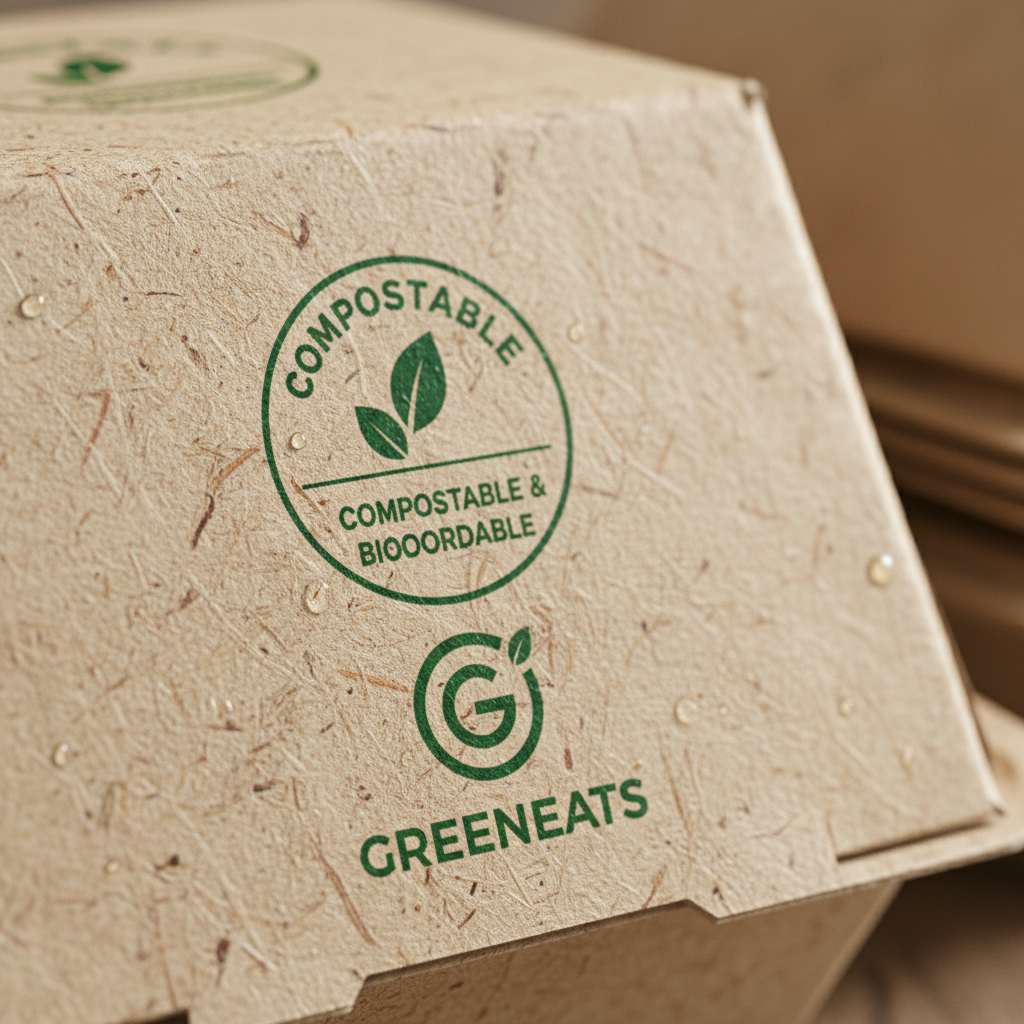
Definition: Packaging that breaks down into organic matter (humus), CO2, and water under specific conditions within a set timeframe, leaving no toxic residue.
Key Distinction:
- Industrial Compostable: Requires high temperatures (55–60°C) found only in industrial facilities.
- Home Compostable: Breaks down at lower ambient temperatures in a backyard heap.
Biobased Packaging
Definition: Packaging derived wholly or partially from renewable biological resources (like corn starch, sugarcane, or wood pulp) rather than fossil fuels.
The Trap: "Biobased" refers to the origin of the material, not the end of life. A biobased plastic (like Bio-PET) behaves exactly like traditional plastic and is not necessarily compostable.
2. Deep Dive: Recyclable Packaging Solutions
Recycling remains the most established waste management stream globally. For high-volume food service, recyclable materials often offer the best balance of cost and performance.
Common Materials
- Kraft Paper & Cardboard: The gold standard for dry goods. Unbleached Kraft offers a natural look and high fiber strength.
- rPET (Recycled Polyethylene Terephthalate): Widely used for clear food containers and lids. It closes the loop by using post-consumer waste.
- PP (Polypropylene): Often chosen for its heat resistance and durability, though recycling rates vary by region.
The Barrier Coating Challenge
The biggest hurdle in recyclable food packaging is the barrier coating. Paper cups and takeout boxes require a lining to prevent grease and moisture from soaking through.
Traditional PE Lining: A thin layer of polyethylene makes the paper difficult to recycle because the plastic cannot be easily separated from the fiber in standard pulping mills.
Aqueous Coatings: A newer water-based dispersion coating that provides grease resistance but breaks down easily in the recycling process. This is increasingly the preferred choice for brands aiming for 100% recyclability.
3. Deep Dive: Compostable Packaging Solutions
Compostable packaging is ideal for food service environments where packaging is likely to be contaminated with food scraps, making recycling difficult.
PLA (Polylactic Acid)
Derived from fermented plant starch (usually corn), PLA is a bioplastic that looks and feels like traditional plastic.
Applications: Clear cold cups, salad container windows, and linings for paper bowls.
Limitations: PLA has low heat resistance (typically deforms above 40-45°C). It is generally only industrially compostable.
Bagasse (Sugarcane Pulp)
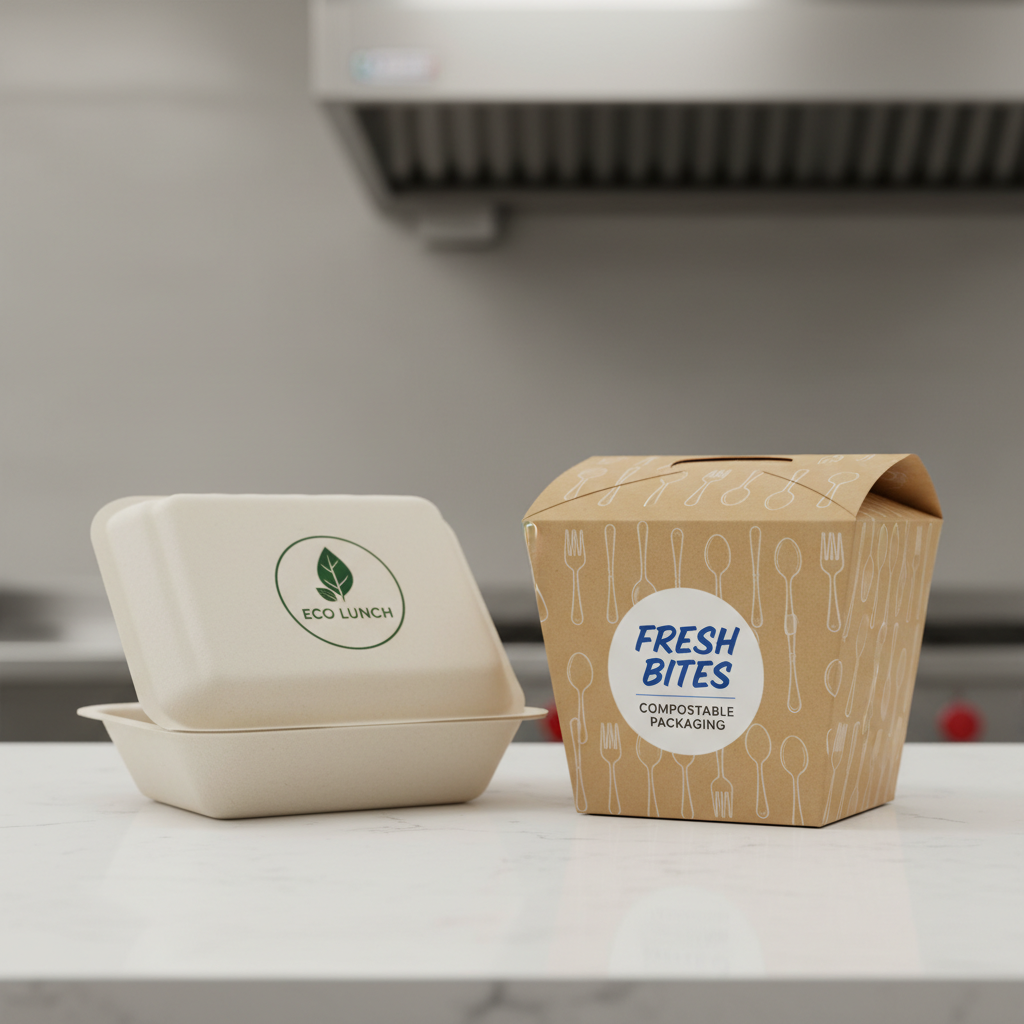
A byproduct of sugar production, bagasse is molded into bowls, plates, and clamshells.
Pros: Excellent thermal properties (microwave safe), naturally grease resistant to a degree, and often home compostable.
Cons: Can lose rigidity with very hot, liquid-heavy foods over long durations.
Manufacturing Considerations for Compostables
When ordering food packaging bags or boxes made from compostable materials, buyers must consider shelf life. These materials are designed to degrade. High humidity storage warehouses can prematurely weaken the structural integrity of PLA or molded pulp products.
4. Biobased vs. Biodegradable: Clearing the Confusion
Many buyers request "biodegradable" packaging, but this term is technically vague. Everything is biodegradable eventually—even steel, given enough centuries.
Biobased Plastics (Drop-in Solutions):
Materials like Bio-PE are chemically identical to fossil-fuel PE but made from sugarcane ethanol. They are recyclable in standard streams but do not biodegrade. They are a good choice for brands looking to reduce their carbon footprint (source reduction) without disrupting existing recycling infrastructure.
5. Comparative Analysis: Performance & Cost
To assist in your procurement strategy, we have compared these categories across critical B2B metrics.
Barrier Properties
- Recyclable (PE-lined): High moisture/grease barrier. Suitable for soups and oily foods.
- Compostable (Bagasse): Moderate barrier. Good for short-term consumption; may get soggy after 24 hours with liquids.
- Compostable (PLA-lined): Good moisture barrier, but poor heat resistance.
Cost Implications
Historically, sustainable options commanded a significant premium. While the gap is narrowing, general pricing structures remain:
1. Standard PE-lined Paper: Lowest Cost
2. Recyclable Aqueous Coating: Moderate Premium (+10-15%)
3. Bagasse/Molded Pulp: Moderate Premium (+15-20%)
4. PLA Bioplastics: High Premium (+20-30% depending on feedstock prices)
6. Printing and Customization on Sustainable Materials
Your packaging is your primary billboard. Moving to sustainable materials does not mean sacrificing brand impact, but it does require adjusting your printing expectations.
Printing on Kraft & Recycled Board
Uncoated recycled paper absorbs ink differently than virgin white board.
Color Shift: Colors will appear darker and more muted on brown Kraft. White ink under-printing is often required to make logos pop.
Texture: The surface is rougher, which can affect the sharpness of fine text or intricate QR codes.
Inks and Adhesives
To maintain the integrity of a compostable or recyclable claim, the inks and glues used must also be compliant.
Soy/Vegetable Inks: These are standard for eco-friendly printing. They release fewer VOCs (Volatile Organic Compounds) and are easier to de-ink during recycling.
Compostable Adhesives: Essential for multi-layer bags or windows on boxes. Ensure your supplier certifies the adhesive, not just the substrate.
7. Strategic Buying Guide for Global Procurement
When sourcing from manufacturers, specific questions will reveal the true capabilities of the supplier.
Minimum Order Quantities (MOQs)
Sustainable materials often have higher MOQs because the raw materials (like specific biopolymers) are ordered in batches.
Typical Range: Custom printed compostable items may require MOQs of 10,000 to 30,000 units, whereas standard recyclable items might start lower.
Lead Times & Storage
PLA Lead Times: Supply chains for bioplastics can be more volatile than petroleum plastics. Plan for an extra 2-3 weeks in your procurement cycle.
Storage Conditions: If you are buying PLA-lined products, ensure your warehouse is climate controlled. Storing PLA boxes in a hot shipping container or unventilated warehouse (>40°C) can cause warping before the product even reaches the customer.
Verification & Compliance
Do not rely on a verbal "it’s eco-friendly." Ask for:
- Material Safety Data Sheets (MSDS).
- Certifications for compostability (e.g., BPI, OK Compost, or Seedling logo standards) if applicable.
- Food contact compliance (FDA, LFGB).
8. The Verdict: Which Material Should You Choose?
There is no single "best" material. The right choice depends on your specific product and customer journey.
Choose Recyclable If:
- Your food is relatively dry or clean (e.g., bakery items, sandwiches).
- Your target market has strong municipal recycling infrastructure.
- Cost stability is a primary driver.
Choose Compostable If:
- Your food product is messy, wet, or oily (burgers, salads with dressing), making the packaging difficult to clean for recycling.
- You operate in a closed-loop venue (stadium, festival, corporate cafeteria) where you control the waste bins and composting collection.
- Your brand identity is heavily focused on "plastic-free" messaging.
Choose Biobased (Drop-in) If:
- You need the high performance and shelf-life of plastic but want to reduce carbon emissions at the source.
- You need robust barrier properties for long-term frozen or shelf-stable storage.
9. Frequently Asked Questions (FAQ)
Q: Can I recycle a pizza box with grease on it?
A: Generally, no. Heavy grease contamination ruins the paper recycling process. This is why compostable materials are often recommended for greasy foods like pizza.
Q: Is PLA plastic recyclable?
A: No. PLA has a lower melting point than PET and can contaminate the recycling stream if mixed in. It should be sent to an industrial composting facility.
Q: Does YBJ Packing offer custom printing on compostable materials?
A: Yes. We offer full customization using vegetable-based inks on our range of compostable and recyclable products. You can learn more about our process on our how to order page.
Q: What is the shelf life of bagasse packaging?
A: Bagasse is shelf-stable in dry conditions for years. However, once food is placed inside, it is best for immediate consumption (within hours) as it allows the food to breathe, which is great for crispiness but not for long-term preservation.
Q: How do I get a sample of these materials?
A: We encourage testing materials with your specific food product to ensure performance. You can request samples via our contact page.
Conclusion
Sustainable packaging is a balance of engineering, economics, and environmental stewardship. Whether you opt for the circular economy of recyclables or the organic cycle of compostables, the key is consistency and transparency.
At YBJ Packing, we specialize in helping businesses navigate these trade-offs. From high-barrier food containers to custom-printed kraft boxes, we have the manufacturing capability to bring your sustainable packaging strategy to life.
Ready to upgrade your packaging? Request a quote / Get a sample today and let our engineers help you select the perfect material for your brand.