

Introduction: The Strategic Value of Product Visibility
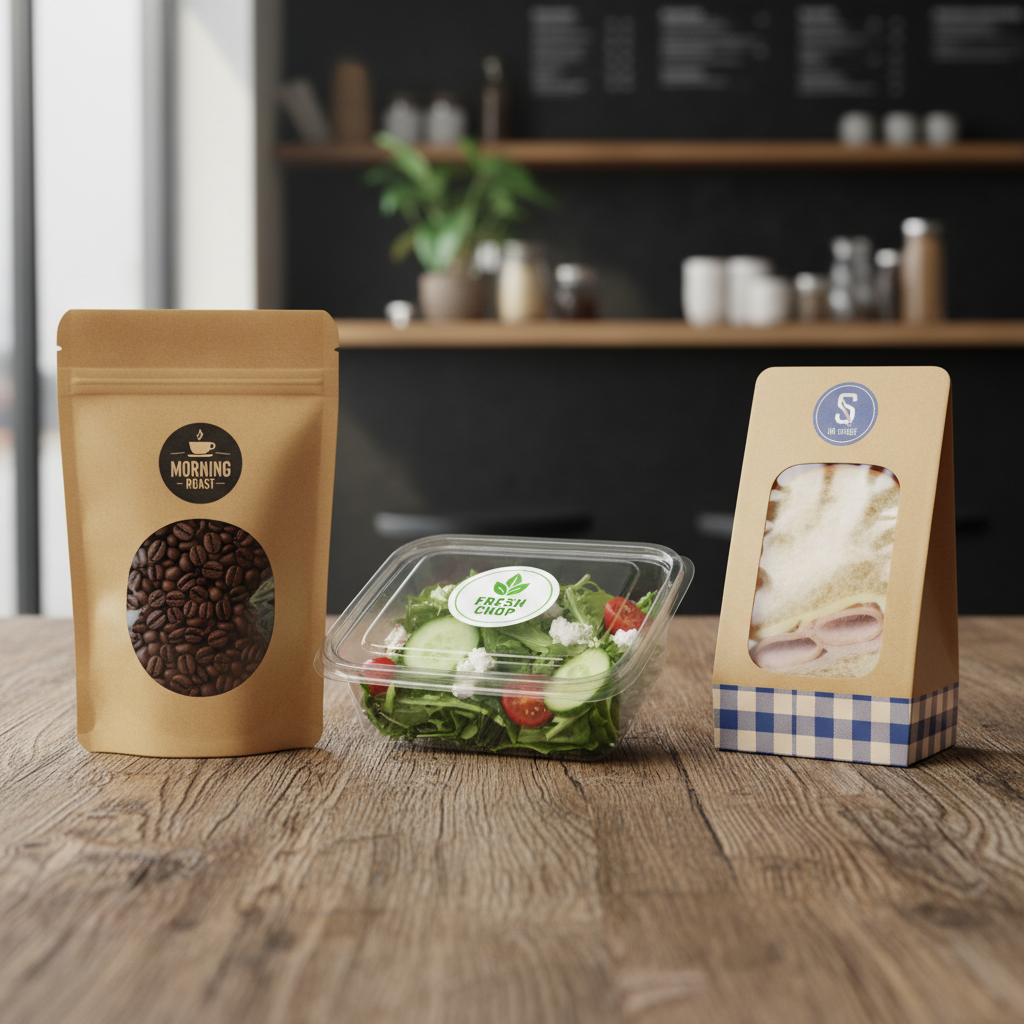
In the competitive landscape of food retail, the visual connection between a consumer and the product is often the deciding factor in a purchase. Packaging that conceals the product relies entirely on printed graphics to convey quality. However, packaging that reveals the product through a strategic window builds immediate trust. For B2B buyers—ranging from bakery chains to frozen food distributors—integrating a window into food packaging boxes or bags is not merely an aesthetic choice; it is a technical decision involving film chemistry, structural engineering, and barrier performance.
This guide provides an in-depth analysis of window packaging for industrial buyers. We will explore the material science behind different film types, the critical importance of anti-fog technologies for fresh produce and hot foods, and the manufacturing specifications required to ensure structural integrity during logistics. Whether you are sourcing packaging for artisan breads, sushi, or confectionery, understanding these variables will help you reduce waste, improve shelf life, and enhance brand perception.
1. Window Film Materials: A Technical Comparison
The clear film used in window patching is not a one-size-fits-all component. The choice of material dictates the clarity, heat resistance, breathability, and environmental impact of the final package. When specifying your packaging requirements, consider the following primary materials.
PET (Polyethylene Terephthalate)
PET is the industry standard for high-clarity windows. It offers excellent optical properties, making the product look crisp and vibrant. Structurally, PET is rigid and resistant to tearing, which makes it suitable for larger window cutouts where film tension helps maintain the box’s shape.
- Pros: Superior clarity, high tensile strength, good barrier against grease and oil.
- Cons: Standard PET is not biodegradable; it requires specific recycling streams.
- Best For: Premium pastry boxes, chocolate packaging, and retail cartons where visual appeal is paramount.
PP (Polypropylene) and BOPP
Polypropylene (PP) and Biaxially Oriented Polypropylene (BOPP) are softer and more flexible than PET. They are often used in food packaging bags such as bread bags or pouches. PP has a higher heat tolerance than PET, making it a safer option for products that might be packed while still warm.
- Pros: Flexible, heat-resistant, cost-effective, good moisture barrier.
- Cons: Slightly lower optical clarity compared to high-grade PET; can feel softer to the touch.
- Best For: Bread bags, rotisserie chicken bags (with anti-fog), and flexible pouches.
PLA (Polylactic Acid) and Cellulose
For brands prioritizing sustainability, PLA (corn-starch based) and cellulose (wood-pulp based) films offer biodegradable and compostable alternatives. While these materials have improved significantly, they differ technically from conventional plastics.
- Pros: Industrially compostable, renewable resources, appeals to eco-conscious consumers.
- Cons: Lower heat resistance (PLA can deform above 40°C/105°F), higher cost, shorter shelf life for the packaging itself (can become brittle over time).
- Best For: Organic foods, short-shelf-life bakery items, and cold salads.
Material Selection Matrix
When requesting a quote, defining the material is crucial. If you are unsure, our engineering team can recommend the best film based on your product’s temperature at filling and expected supply chain duration.
2. The Science of Anti-Fog Technology
One of the most common failure points in window packaging is “fogging.” This occurs when temperature fluctuations cause moisture inside the package to condense on the inner surface of the window film. The resulting water droplets scatter light, rendering the window opaque and making the food look unappealing or even spoiled.
Why Fogging Happens
Condensation forms when the air inside the package reaches its dew point. This is common in two scenarios:
- Hot Foods: Steam from hot chicken or fresh bread hits the cooler window surface.
- Refrigerated Foods: A cold salad or sandwich is moved to a warmer environment (e.g., a customer’s car), or temperature cycles in the display case cause micro-condensation.
Anti-Fog Solutions
To combat this, manufacturers apply anti-fog treatments. These are surfactants that reduce the surface tension of water. Instead of forming discrete droplets (which block light), the water spreads into a thin, invisible film across the surface of the plastic.
- Coated Films: The anti-fog agent is applied topically to the film surface. This is effective but can wash off if the contents are very wet or liquid.
- Masterbatch Additives: The anti-fog agent is mixed into the polymer resin before the film is extruded. This provides longer-lasting performance as the agent migrates to the surface over time.
For items like sushi trays or fresh salads sold in food containers with clear lids, anti-fog is not optional—it is a critical requirement for sales performance.
3. Structural Integrity and Manufacturing
Adding a window involves cutting a hole in the structural substrate (paperboard or kraft paper) and patching it with a thinner material (film). If not engineered correctly, this can weaken the packaging.
Die-Cutting and Creasing
The shape of the window affects the box’s strength. Windows with sharp corners are more prone to tearing the paperboard under stress. Rounded corners distribute stress more evenly. Furthermore, the window should generally not extend too close to the crease lines (scores) of the box, as this interferes with the folding and gluing process.
The Patching Process
In industrial manufacturing, “window patching” is a high-speed process. The film is cut from a roll and adhered to the inside of the die-cut blank. Key quality control points include:
- Adhesive Selection: Food-safe adhesives must be used. For freezer-grade packaging, the adhesive must remain flexible at sub-zero temperatures to prevent the window from popping off.
- Tension Control: If the film is applied with too much tension, it can warp the paperboard box (a defect known as “bowing”). If too loose, it creates wrinkles that ruin the aesthetic.
- Registration: The film must cover the cutout completely with a specified overlap (typically 3mm to 5mm) to ensure a secure seal and prevent leakage of crumbs or grease.
4. Shelf Appeal: Design and Positioning
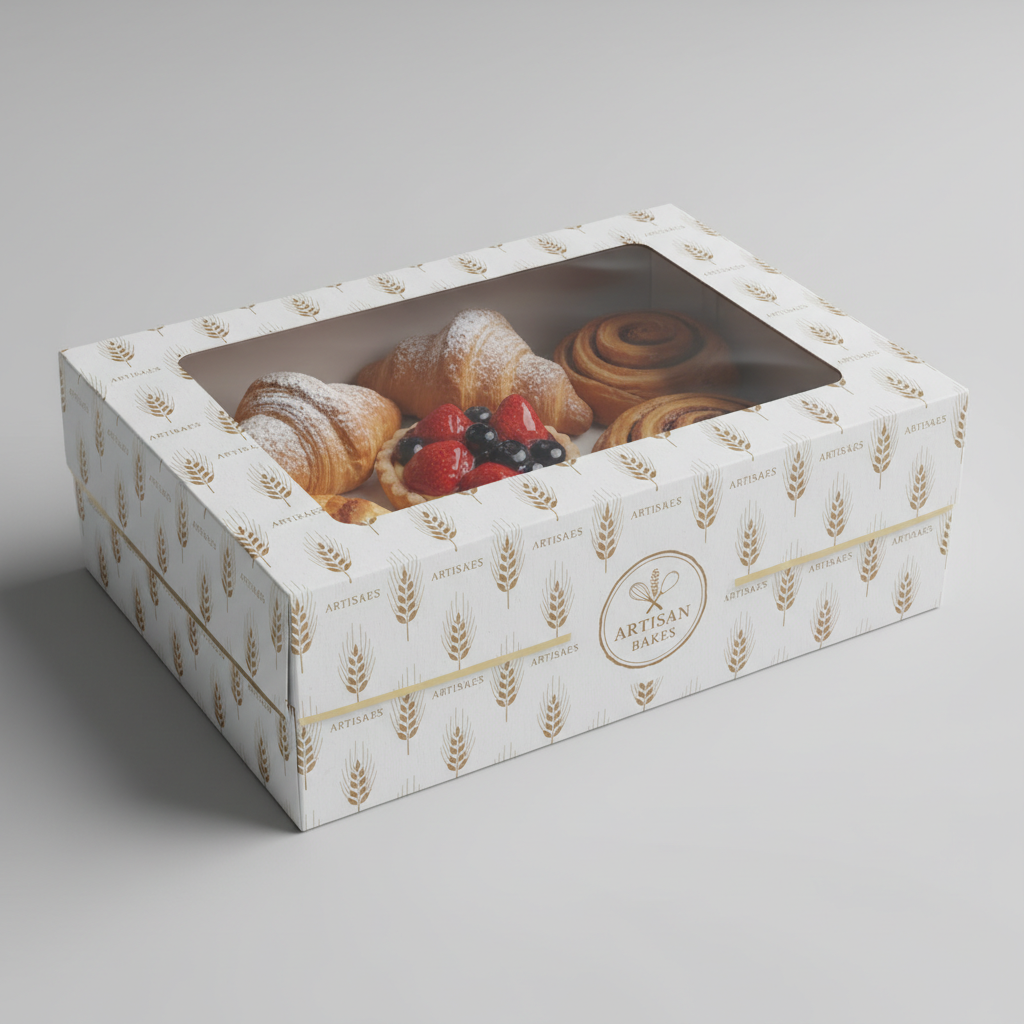
A window serves a dual purpose: verification and temptation. Verification allows the customer to check the product’s freshness (e.g., is the avocado green? is the donut icing intact?). Temptation leverages the visual appetite appeal of the food itself.
Strategic Positioning
Designers should position the window to highlight the product’s best features while hiding empty space. For example, a window on a granola bag should be placed low enough to show the product even as the contents settle during shipping. In a sandwich wedge, the window must extend to the edges to show the filling layers, which implies generosity and value.
Print Integration
Modern printing technologies allow for printing directly onto the window film or using the window as part of the graphic design (e.g., a printed character “eating” the product visible through the window). When you plan your order, consider how the ink coverage on the paperboard interacts with the clear space.
5. Breathability and Barrier Properties
Not all windows need to be air-tight. In fact, for certain bakery products, a fully sealed plastic window can be detrimental.
Micro-Perforation for Bakery
Crusty breads require air exchange to maintain their texture. If sealed in a high-barrier plastic, the moisture from the bread softens the crust, making it chewy or soggy. For these applications, we use micro-perforated films. These films have tiny, invisible holes that allow moisture vapor to escape (high WVTR – Water Vapor Transmission Rate) while keeping hygiene intact.
High Barrier for Shelf Life
Conversely, for products prone to oxidation (like nuts or dried meats), the window film must have high oxygen barrier properties (low OTR). In these cases, a simple PET window might be replaced with a laminated structure or a PVdC-coated film to prevent spoilage.
6. Sustainability and End-of-Life
The combination of paper and plastic creates a “composite” material, which can complicate recycling. However, the industry is moving toward solutions that minimize this impact.
- Separable Designs: Some packaging is designed so the consumer can easily peel the plastic film away from the paper board, allowing both to be recycled in their respective streams.
- Monomaterial Paper Windows: Newer technologies allow for highly translucent paper (glassine) to be used as a window. While not as clear as plastic, it allows the entire package to be recycled in the paper stream.
- Compostable Films: As mentioned, PLA and cellulose films can be composted industrially, aligning with brands that position themselves as eco-friendly.
7. Buying Guide: How to Specify Window Packaging
When sourcing custom window packaging from YBJ Packing, providing detailed specifications ensures accurate quoting and rapid sampling. Here is a checklist for procurement managers:
1. Define the Window Dimensions
Provide the die-line showing the exact size and shape of the cutout. Remember to account for the “bleed” or overlap area where the film glues to the board.
2. Specify the Film Type and Gauge
Do you need standard PET (clear and rigid), anti-fog PP (for hot/cold), or biodegradable PLA? Also, specify thickness (typically measured in microns or mil). Thicker films (50-100 microns) feel more premium but add cost.
3. Temperature Requirements
Will the product be filled hot? Will it be frozen? Will it be microwaved in the package? These factors dictate the adhesive and film chemistry.
4. Artwork and Printing
Will there be printing on the film itself, or just the box/bag? Printing on film requires specialized UV inks and different press setups.
5. Quantity (MOQ)
Window patching is a machine-run process. Setup times mean that higher volumes (e.g., 10,000+ units) significantly reduce the unit cost compared to short runs.
If you are ready to discuss your specific project needs, you can contact our team for a consultation on material selection and die-line optimization.
8. Common Pitfalls to Avoid
In our experience supplying global markets, we see buyers make preventable errors. Avoid these common mistakes:
- Ignoring the “Headspace”: Leaving too much empty air inside the package visible through the window makes the consumer feel they are buying “air.” Size the box appropriately to the product volume.
- Overlooking Scratch Resistance: Standard films can scratch during transport if boxes rub against each other. If your packaging faces rough logistics, ask for scratch-resistant coatings.
- Complex Window Shapes: Intricate shapes with jagged edges are difficult to strip (remove waste paper) during manufacturing and can slow down production, increasing costs. Simple geometric shapes are most cost-effective.
9. Frequently Asked Questions (FAQ)
Can window packaging be used for microwaveable food?
Yes, but you must specify microwave-safe films (usually specific grades of PP or PET) and heat-resistant adhesives. Standard films may shrink or melt under microwave heat.
What is the minimum thickness for a window film?
Typically, we recommend no less than 30 microns for small windows to ensure durability. For larger windows on boxes, 50-75 microns provides better tension and puncture resistance.
Does adding a window affect the stacking strength of a box?
Yes, removing paperboard reduces vertical compression strength. However, using a high-tensile film and optimizing the window placement (away from corners) mitigates this. We can perform load testing to ensure pallet stability.
Is anti-fog coating permanent?
Anti-fog properties can degrade over time, especially if the film is exposed to direct sunlight or extreme heat for months. Shelf life for the anti-fog effect is typically 6 to 12 months, which covers the lifecycle of most fresh food products.
How do I get a sample?
We provide structural samples (plain white) to test fit and size. For printed samples with windows, there may be setup costs. Visit our ordering page for details on our sampling policy.
Conclusion
Window packaging is a powerful tool for B2B food brands, bridging the gap between product protection and consumer desire. By carefully selecting the right film material, ensuring anti-fog performance for fresh items, and balancing structural design with visibility, you can create packaging that drives sales and minimizes waste.
At YBJ Packing, we specialize in high-quality, custom-manufactured food packaging solutions. Whether you need grease-resistant bakery bags with breathable windows or rigid takeout boxes with high-clarity anti-fog films, our engineering team is ready to assist.
Ready to enhance your product’s shelf appeal? Request a quote today or request a sample kit to see our quality firsthand.