

Introduction: The Critical Role of Tamper-Evidence in Modern Food Delivery
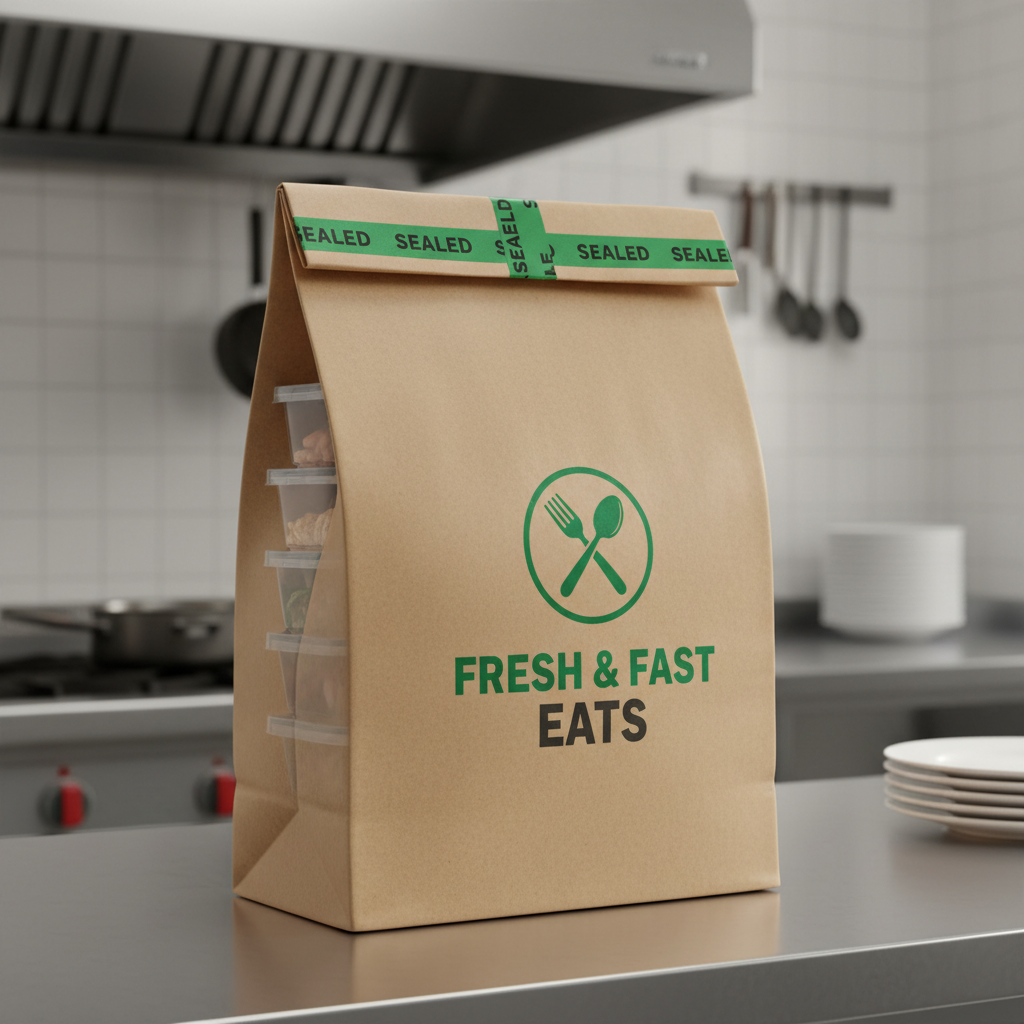
In the rapidly expanding world of off-premise dining and third-party logistics, the physical integrity of food packaging has become a primary currency of trust. For restaurant chains, ghost kitchens, and food distributors, the challenge is no longer just keeping food hot; it is ensuring that the meal arrives in the exact condition it left the kitchen, untouched and uncontaminated. This is where the custom tamper-evident delivery bag has evolved from a niche accessory to an operational necessity.
Tamper-evident packaging provides a visible, physical guarantee of safety. Unlike standard stapled bags or basic stickers which can be peeled back and replaced without detection, a true tamper-evident bag features an integrated adhesive closure system that must be destroyed to open. Once the seal is broken, it cannot be resealed to look original. This mechanism protects the consumer from contamination and protects the brand from liability and reputation damage.
For procurement managers and business owners, sourcing these bags wholesale requires navigating a complex landscape of material specifications, adhesive technologies, printing capabilities, and supply chain logistics. This comprehensive guide explores the technical and commercial aspects of ordering tamper-evident delivery bags in bulk, ensuring you choose a solution that balances security, branding, and cost-efficiency.
1. Anatomy of a Tamper-Evident Delivery Bag
Understanding the construction of these bags is essential for writing accurate specifications. A high-quality tamper-evident bag is more than just a paper sack; it is an engineered packaging solution.
The Closure Mechanism
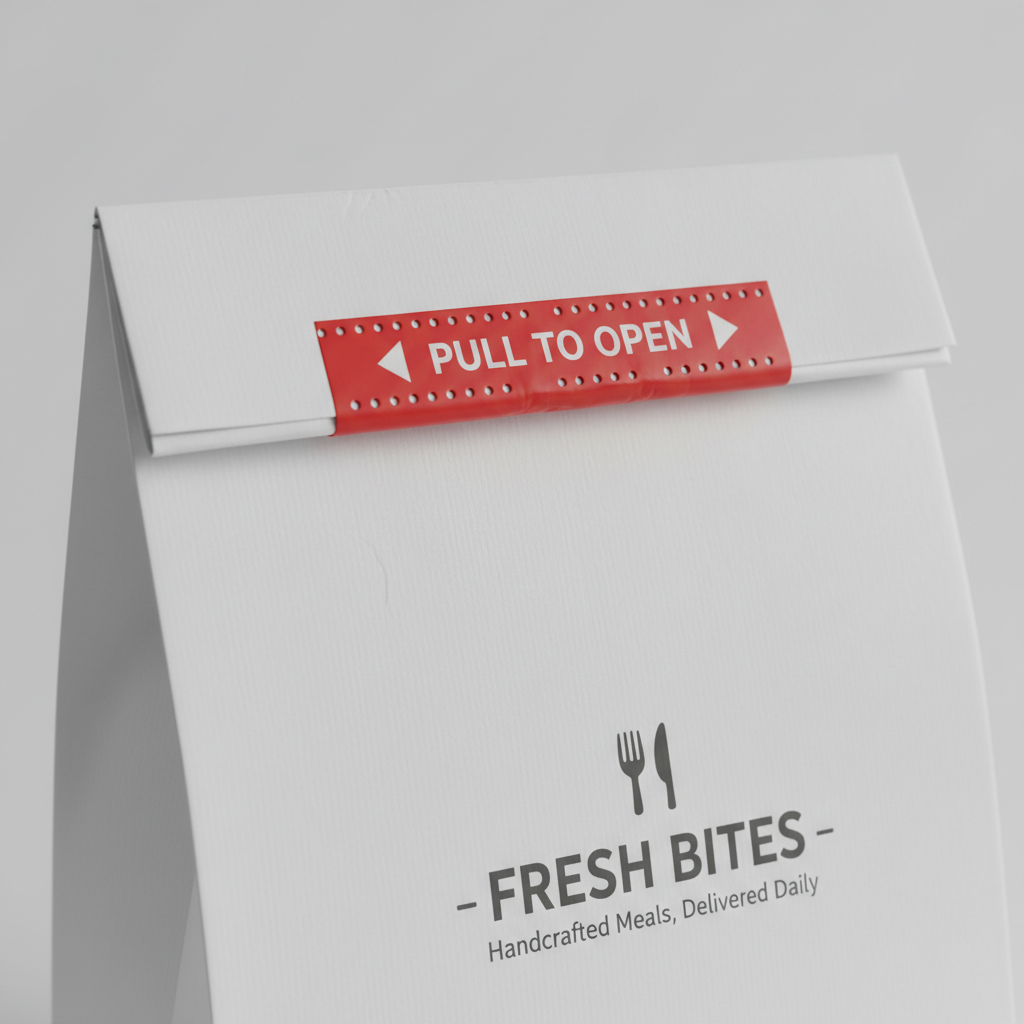
The defining feature is the adhesive strip. Typically, this involves a high-tack, pressure-sensitive hot melt adhesive protected by a release liner. When the packer removes the liner and folds the flap, the adhesive bonds aggressively to the bag’s surface.
- Destructive Bond: The adhesive strength must exceed the tear strength of the paper fibers. Attempting to peel the flap should result in visible fiber tear (paper delamination), making unauthorized access immediately obvious.
- Perforation Lines: Many designs include a perforated line below the adhesive strip. This allows the customer to tear the bag open cleanly without destroying the main body of the bag, while the top seal remains permanently bonded, serving as proof of the initial lock.
Ventilation Systems
Steam management is critical for hot food. A completely sealed bag can trap moisture, turning crispy fries soggy and compromising the structural integrity of the paper. Professional tamper-evident bags often feature die-cut steam vents located strategically on the side gussets or the back panel. These vents must be sized to allow airflow while preventing physical access to the contents.
Base Construction
Most delivery bags utilize a Self-Opening Sack (SOS) or block bottom construction. This rectangular base provides stability during transport, preventing the bag from tipping over in a driver’s vehicle. The width of the gusset (the side fold) determines the volumetric capacity and the size of containers the bag can hold flat.
2. Material Specifications: Paper Grades and GSM
When ordering wholesale takeaway packaging, the choice of paper directly impacts cost, durability, and brand perception.
Kraft Paper Options
- Natural Brown Kraft (Virgin): Made from unbleached wood pulp. It offers high tensile strength and a rustic, eco-friendly aesthetic that appeals to sustainability-conscious consumers. It is excellent for heavy loads.
- White Bleached Kraft: Chemically treated to remove the natural brown color. This provides a pristine canvas for vibrant, full-color printing. If your brand colors are bright or pastel, white kraft ensures color accuracy without the muddying effect of a brown background.
- Recycled Kraft: Contains a percentage of post-consumer waste (PCW). While sustainable, the fibers are shorter, which can slightly reduce tear strength. Manufacturers often blend recycled fibers with virgin fibers to balance strength and eco-credentials.
Paper Weight (GSM)
GSM (Grams per Square Meter) measures paper density. For delivery bags, selecting the wrong GSM is a common pitfall.
- 70–80 GSM: Suitable for light items like pastries, sandwiches, or pharmacy prescriptions.
- 90–100 GSM: The standard for most fast-food meals (burger, fries, drink). Offers good rigidity and stands upright easily.
- 110–120+ GSM: Required for heavy family meals, multi-container orders, or dense items like bottles. This weight prevents the bag from buckling under load or tearing at the handle stress points.
3. Printing and Customization Options
Custom printing turns a functional safety device into a mobile billboard. In the wholesale market, several printing technologies are available depending on volume and design complexity.
Flexographic Printing (Flexo)
This is the industry standard for high-volume bag manufacturing. It uses flexible relief plates and fast-drying inks.
- Pros: extremely cost-effective for large runs (10,000+ units); high-speed production; supports water-based (food-safe) inks.
- Cons: Initial plate costs apply; registration (alignment of colors) tolerances are slightly looser than offset.
- Best For: Logos, patterns, and designs with 1–4 spot colors (Pantone matching).
Offset Printing
Used for premium, photo-quality imagery.
- Pros: Superior detail, gradients, and color depth.
- Cons: Higher unit cost; typically requires a lamination layer or higher GSM paper to hold the ink saturation.
- Best For: Luxury brands or promotional campaigns requiring photographic visuals.
Design Placement Strategy
When designing for delivery bags, consider the user journey:
- The “Safe Zone”: Ensure critical branding is not obscured by the fold-over flap.
- Safety Messaging: Many brands print instructions like “Do Not Accept If Seal Is Broken” directly on the flap or gusset to reassure customers.
- QR Codes: Printing a QR code can drive engagement (menus, feedback forms, loyalty apps). Ensure the code is at least 2cm x 2cm and placed on a flat area of the bag to ensure scannability.
4. Grease Resistance and Coatings
Standard paper is porous and will absorb oil from fries or leakage from sauces, leading to unsightly stains and weakened paper. For food service, barrier properties are often necessary.
PE (Polyethylene) Coating
A thin layer of plastic extruded onto the paper. It provides excellent grease and moisture resistance. However, it can complicate recycling in some municipalities unless specialized facilities exist.
Water-Based Dispersion Coatings
A newer, more sustainable alternative. These coatings provide moderate grease resistance and are often fully repulpable, meaning the bag can be recycled in standard paper streams.
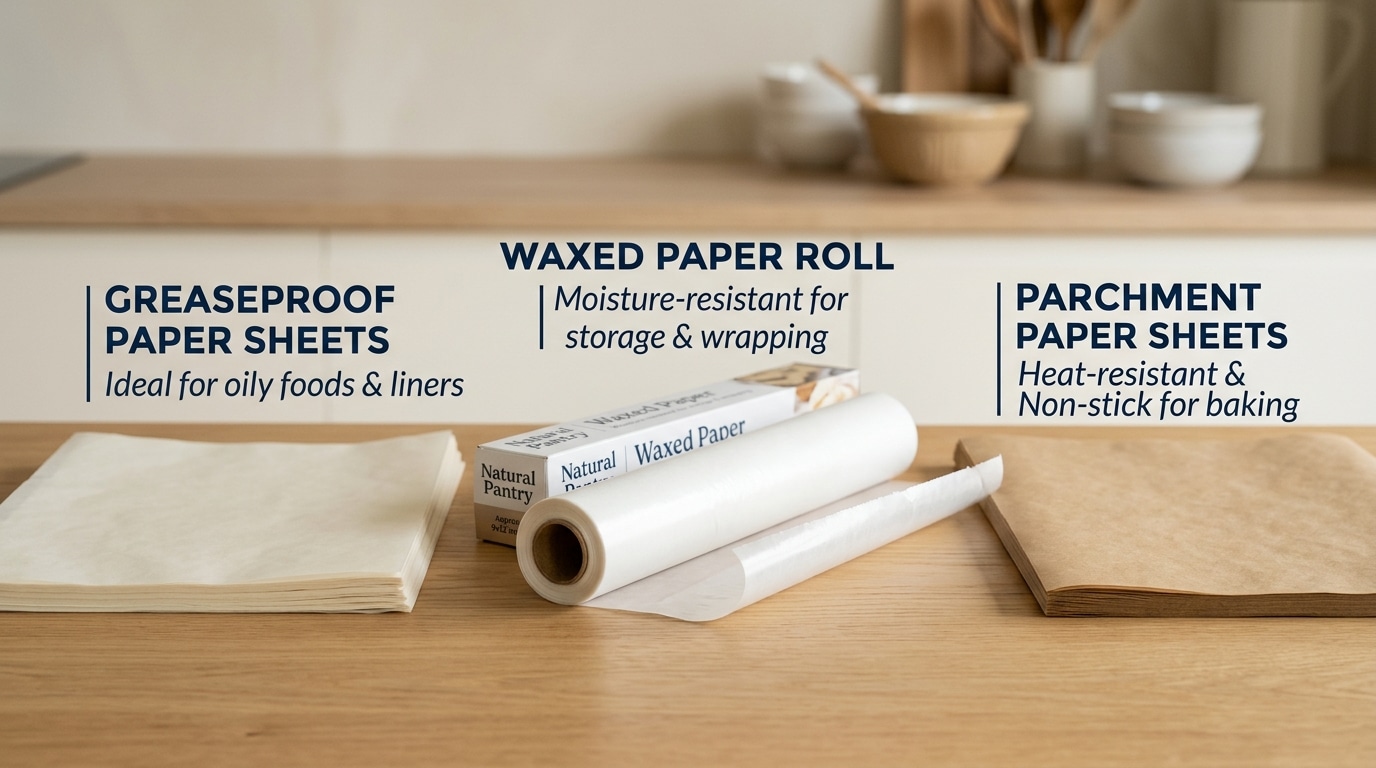
Greaseproof Paper
Paper treated during the pulping process to reduce porosity (like Kit levels 3–7). This is often sufficient for “dry” greasy foods (cookies, croissants) but may not hold up to heavy sauce spills.
5. Wholesale Ordering Guide: MOQs and Logistics
Ordering custom packaging is a B2B manufacturing process. Understanding the parameters helps in negotiation and planning.
Minimum Order Quantities (MOQ)
Factory production lines are optimized for speed. Setting up a machine for a specific size and print design takes time and material waste.
- Standard Custom Run: Typically starts at 10,000 to 30,000 units depending on the bag size and factory tooling.
- High Volume: Orders over 100,000 units often unlock significant price breaks (tiered pricing) and priority scheduling.
Lead Times
Procurement managers must account for the total cycle:
- Design & Approval (1–2 weeks): Finalizing artwork and digital proofs.
- Plate Making (1 week): Manufacturing the physical printing plates.
- Production (2–4 weeks): Printing, cutting, folding, and gluing.
- Shipping (Variable): Sea freight can take 4–6 weeks; air freight is faster but significantly more expensive.
Storage Considerations
Paper is hygroscopic—it absorbs moisture from the air. Wholesale orders typically arrive palletized. It is crucial to store these pallets in a dry, climate-controlled environment. High humidity can cause the adhesive liners to curl or the paper to lose stiffness.
6. Quality Assurance Checklist
Before finalizing a supplier or approving a bulk shipment, verify these quality metrics. You can request samples via the contact page to test these yourself.
- Adhesive Longevity: Does the strip hold securely after 30 minutes of steam exposure? (Simulate a hot food delivery).
- Handle Strength: If the bag has handles (twisted paper or flat tape), test them to failure. They should support at least 120% of the bag’s intended weight capacity.
- Print Adhesion: Use the “tape test” to ensure ink does not peel off, which could contaminate food handling.
- Dimensional Accuracy: Ensure the bag dimensions match the spec sheet within +/- 5mm tolerances, ensuring your containers fit as planned.
7. Sustainability and Compliance
As regulations regarding single-use plastics tighten globally, the composition of your delivery bag matters.
FSC Certification
Look for paper sourced from Forest Stewardship Council (FSC) certified forests. This validates that the raw material comes from responsibly managed sources.
Compostability
If using PLA (polylactic acid) liners or specific water-based glues, the bag may be certified industrially compostable. Verify that both the ink and the adhesive meet compostability standards (e.g., EN 13432), not just the paper.
Food Contact Safety
Ensure the manufacturer complies with FDA (US) or EC 1935/2004 (EU) regulations for materials in contact with food. Even though the food is usually inside a primary container, the bag is considered secondary packaging and must not transfer harmful substances.
8. How to Choose the Right Size
One size rarely fits all. A bag that is too large allows containers to slide and spill; a bag that is too small crushes the food.
Common Sizes (W x D x H):
- Small (e.g., 280 x 150 x 280 mm): Ideal for single meals, lunch combos, or sushi platters.
- Medium (e.g., 300 x 180 x 350 mm): The workhorse size for dinner orders, fitting 2–3 standard clamshell containers stacked.
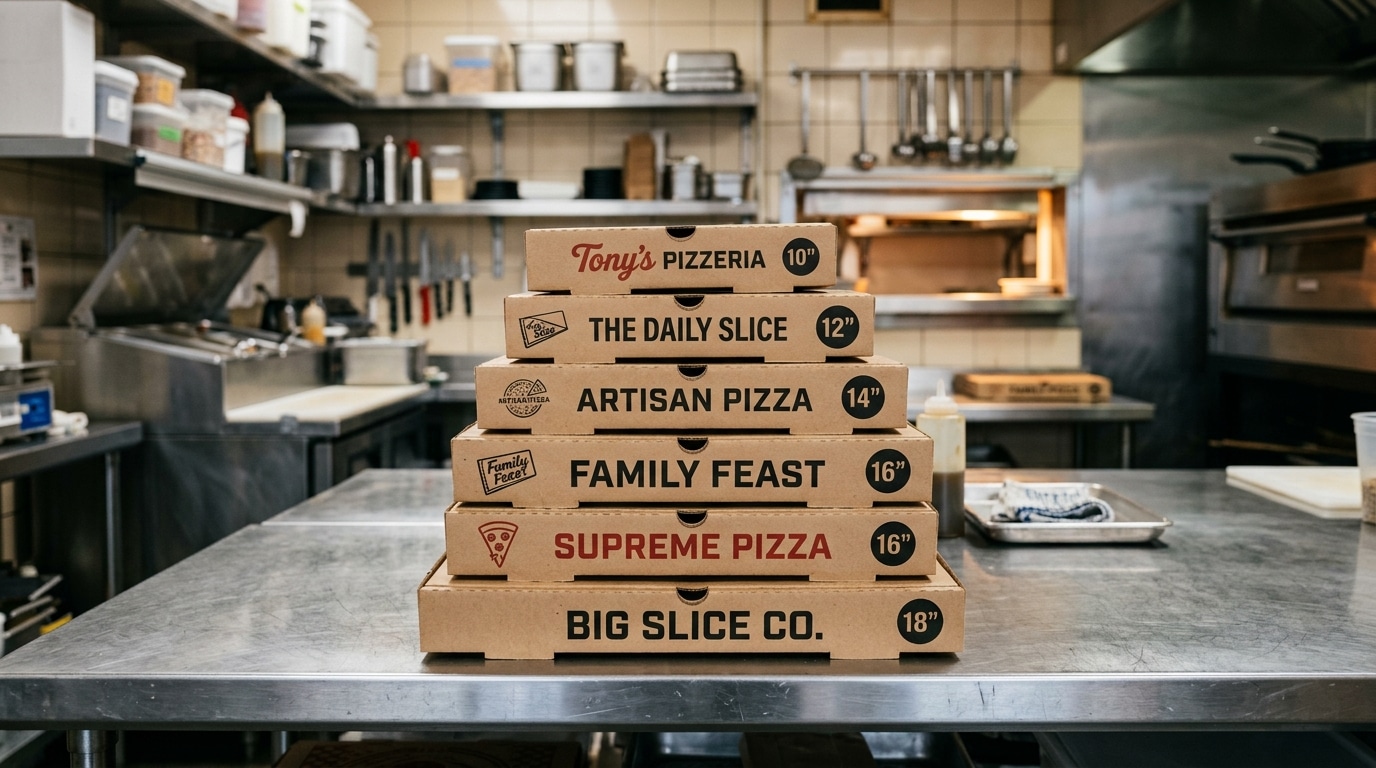
- Large (e.g., 350 x 250 x 400 mm): For family feasts, catering orders, or pizza boxes (if gusset allows).
Tip: Measure your largest takeaway container. The bag’s gusset (depth) should be at least 10-15mm wider than your container’s width to allow for easy packing.
9. Cost Drivers in Wholesale Manufacturing
To optimize your budget, understand what drives the unit price up or down:
- Number of Ink Colors: Moving from 1 color to 4 colors increases plate costs and setup time.
- Coverage Area: 100% ink coverage (flooding the bag with color) uses significantly more ink than a simple logo placement.
- Handle Type: Die-cut handles are generally cheaper than twisted paper handles glued to the interior.
- Freight: Bags are voluminous but light. Shipping “air” is expensive. Ensure your supplier optimizes carton packing to maximize container utilization.
10. Frequently Asked Questions (FAQ)
Q1: Can I get tamper-evident bags with handles?
Yes. While the classic “lunch sack” style has no handles, many modern tamper-evident designs incorporate twisted paper or flat tape handles. The tamper-evident seal is usually placed above the handle attachment or involves a fold-over flap that secures the top opening between the handles.
Q2: What happens if the adhesive strip gets wet?
High-quality hot melt adhesives are resistant to minor moisture and steam. However, direct soaking will weaken paper. For high-humidity environments, ask for “marine grade” or high-tack adhesive options.
Q3: Are these bags reusable?
By design, no. The tamper-evident feature requires the bag to be torn or the seal destroyed to open. This single-use nature is what guarantees security. However, the paper material is recyclable.
Q4: How do I prepare my artwork for printing?
You will typically need to provide vector files (AI, PDF, or EPS format). Ensure all fonts are outlined and Pantone (PMS) colors are specified. Your supplier will provide a dieline template for your designer to lay out the artwork.
Q5: Can I order a mix of sizes to meet the MOQ?
Usually, the MOQ applies per size/design because the machine setup is unique for each. However, if you order multiple sizes at once, you may be able to negotiate a better overall rate on shipping or setup fees.
Q6: What is the shelf life of the adhesive strip?
Pressure-sensitive tapes have a shelf life, typically 12–24 months if stored correctly (cool, dry, out of direct sunlight). Beyond this, the adhesive may dry out or the release liner may become difficult to peel.
Q7: Can I see a prototype before the full run?
Yes. Digital proofs are standard. Physical unprinted samples are often free (you pay shipping). Physical printed prototypes are expensive due to machine setup costs, so most buyers rely on digital proofs and generic printed samples to verify quality.
Conclusion: Securing Your Brand and Your Product
Investing in custom tamper-evident delivery bags is an investment in customer confidence. In a competitive food delivery market, the packaging is the only physical touchpoint between your kitchen and the customer’s dining table. A sealed, branded, professional bag signals that you care about hygiene and quality control.
Whether you are a distributor looking to stock a high-demand category or a restaurant chain standardizing your delivery operations, selecting the right specifications is key. Focus on the adhesive quality, the paper weight relative to your food density, and clear branding that communicates safety.
Ready to secure your deliveries? For detailed quotes on custom sizes, printing options, and bulk pricing, verify your requirements and visit our ordering guide or reach out directly to our team.