

In the high-volume world of commercial baking and food service, efficiency and brand visibility are paramount. While the primary function of a baking liner is to prevent sticking and streamline cleanup, savvy procurement managers and bakery owners know that this humble consumable offers a unique branding opportunity. Sourcing custom baking liner wholesale allows businesses to maintain operational standards while turning every tray and wrap into a marketing touchpoint.
Whether you are running a chain of artisanal bakeries, managing a large-scale industrial food production facility, or distributing packaging supplies to the hospitality sector, understanding the technical specifications of baking liners is critical. From silicone coatings and heat resistance to water-based ink printing, the details matter.
This comprehensive guide explores the essential factors for ordering custom printed baking liners in bulk, ensuring you choose the right material, size, and design for your specific operational needs.
Why Switch to Custom Printed Baking Liners?
Many businesses start with generic white or brown parchment paper. However, as operations scale, the benefits of custom solutions become clear. It is not just about aesthetics; it is about consistency and customer perception.
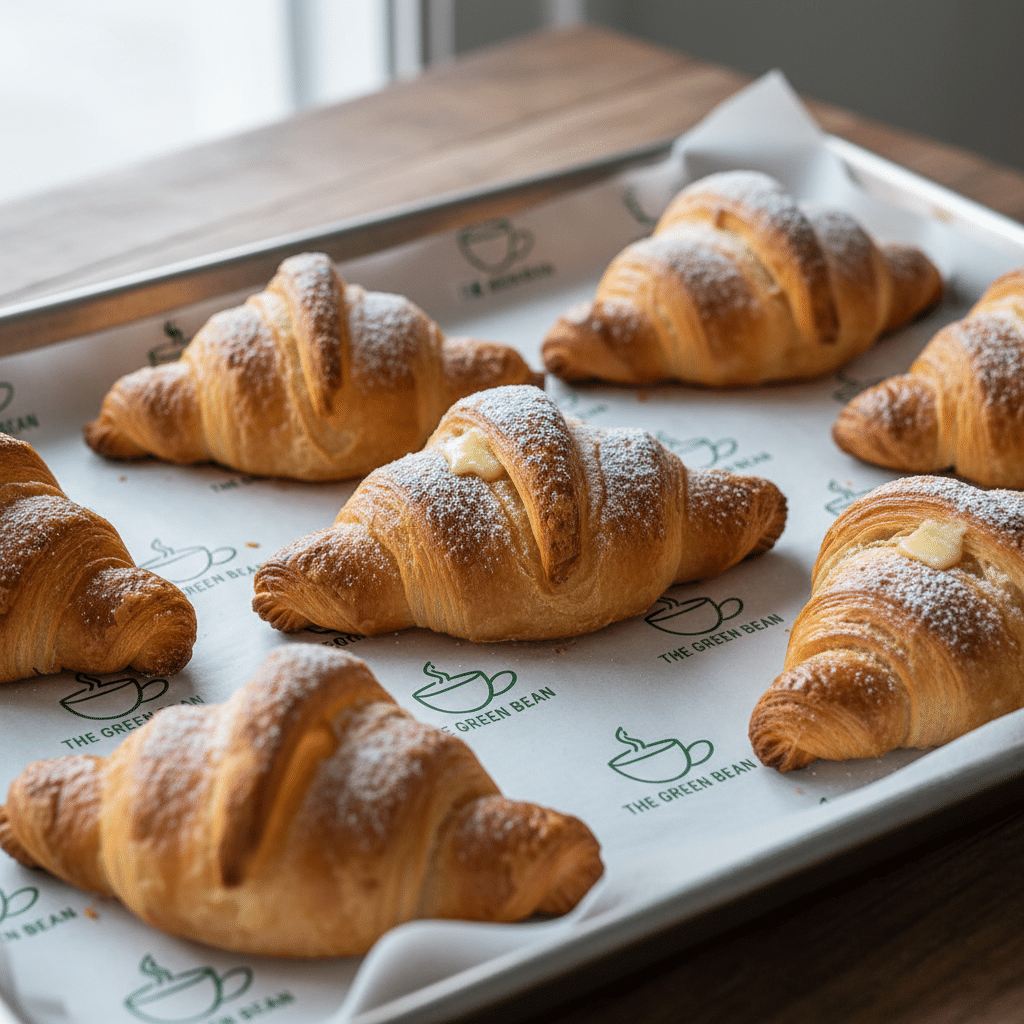
- Brand Recall: Every time a customer sees a tray lined with your logo, brand recognition is reinforced. For open-kitchen concepts or cafes serving food directly on liners, this is invaluable.
- Operational Efficiency: Custom sizes (pre-cut sheets) reduce waste and labor time compared to tearing from generic rolls.
- Professional Presentation: A printed liner signals attention to detail and high quality, distinguishing premium products from generic competitors.
For distributors, offering custom baking liners is a powerful way to retain clients who want to elevate their own brand identity.
Material Specifications: Choosing the Right Substrate
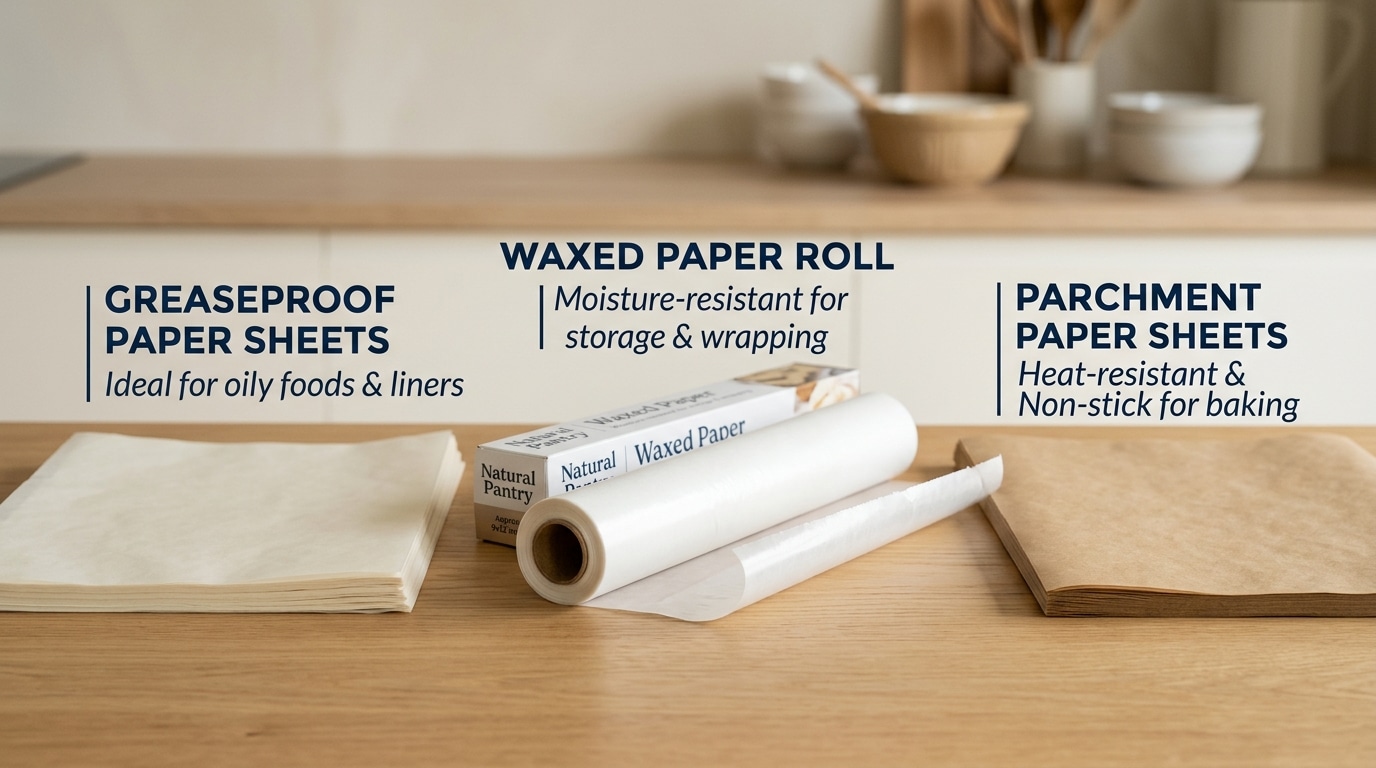
Not all baking papers are created equal. The “liner” category covers a range of materials, each suited for different temperatures and food types. When ordering wholesale, specifying the correct material is the first step to avoiding product failure.
1. Genuine Vegetable Parchment (GVP) vs. Silicone Coated Paper
Vegetable Parchment is treated with acid to create a dense, grease-resistant sheet. It is strong when wet but may not always have the highest release (non-stick) properties for sticky sugar-based confections.
Silicone Coated Parchment (The Industry Standard): Most modern commercial bakeries prefer paper coated with food-grade silicone on one or both sides. This provides superior non-stick performance and heat resistance.
- Double-Sided Coating: Ideal for high-sugar items (macarons, cookies) and allows the paper to be flipped and reused in some applications.
- Single-Sided Coating: A cost-effective option for lining boxes or serving baskets where heat exposure is minimal.
2. Greaseproof Paper (Uncoated)
Greaseproof paper is beaten during the pulping process to reduce porosity. It resists grease penetration but is not naturally non-stick like silicone paper. It is excellent for wrapping sandwiches or lining baskets but is generally not recommended for baking sticky items unless heavily greased.
3. Paper Weight (GSM)
The Grammage per Square Meter (GSM) determines the thickness and durability of the liner.
- 35-38 GSM: Standard retail grade. Good for general baking.
- 40-45 GSM: Commercial grade. Better durability for heavy doughs and high-heat industrial ovens.
- 50+ GSM: Heavy-duty. Used for multiple bake cycles or very heavy products.
Heat Resistance and Safety Standards
When sourcing for commercial kitchens, safety is non-negotiable. Ensure your supplier validates the temperature range of the liners.
- Standard Heat Resistance: Most high-quality silicone baking liners are rated for up to 220°C to 230°C (428°F to 446°F).
- Burn Point: Paper should not ignite or become brittle under standard baking durations (typically 20-60 minutes).
- Ink Safety: This is critical for printed liners. Inks must be water-based or vegetable-based, free from heavy metals, and heat-stable. They should not bleed, transfer to food, or emit odors when heated.
Always verify that the materials comply with relevant food contact regulations (such as FDA or LFGB standards) for your specific region.
Printing Options for Custom Liners
Adding a logo or pattern to your baking liner transforms it from a utility item into a branding asset. However, printing on coated paper requires specialized techniques.
Flexographic Printing
Flexography (Flexo) is the standard method for printing on food packaging. It uses flexible relief plates and is highly efficient for large wholesale runs.
- Pros: fast production, cost-effective for high volumes, excellent for repeating patterns (step-and-repeat logos).
- Colors: Typically supports 1 to 4 spot colors (Pantone matching). Full-color photographic printing is rare on baking paper due to the absorbent nature of the substrate and safety constraints regarding ink coverage.
Design Considerations
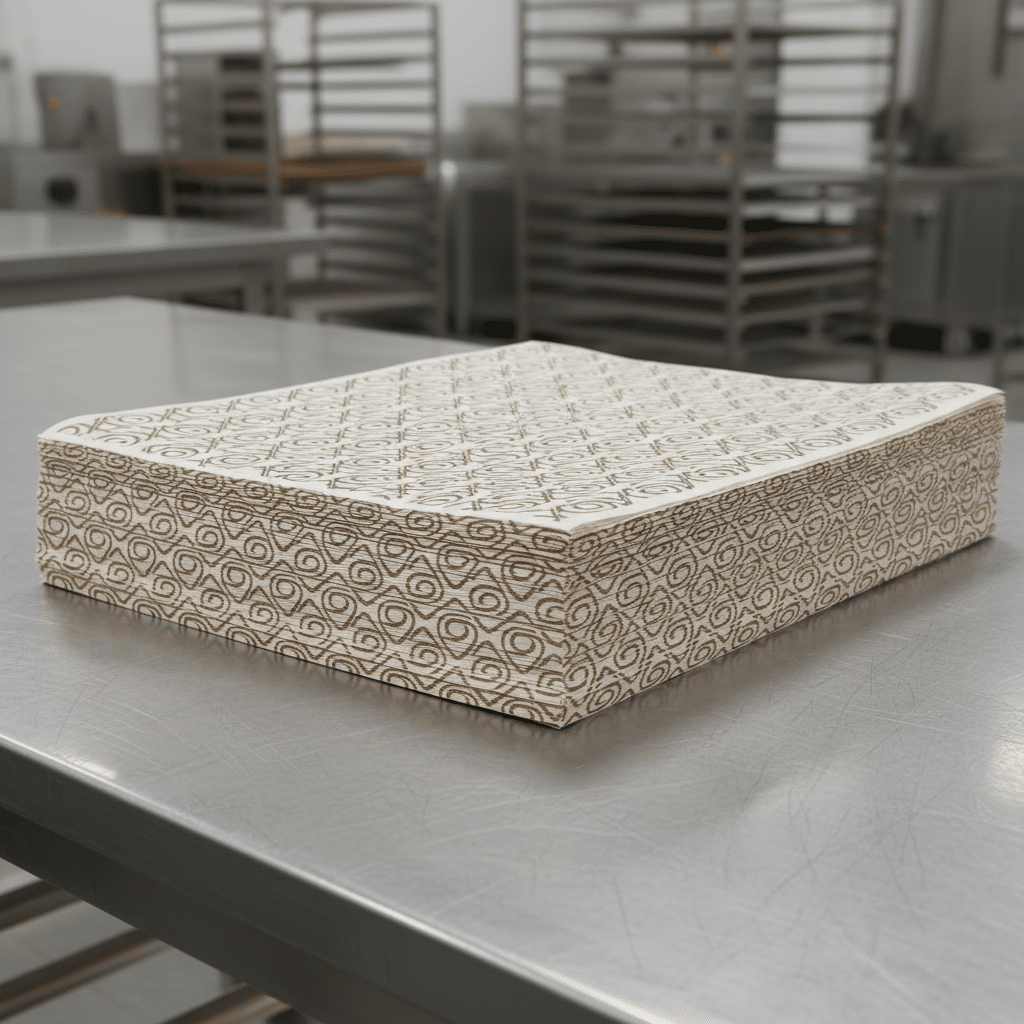
- Step-and-Repeat Patterns: The most common design is a scattered logo pattern. This ensures that no matter how the paper is cut or where the food is placed, the brand is visible.
- Ink Coverage: Avoid heavy blocks of solid ink. High ink coverage can affect the non-stick properties of the silicone coating and may lead to smoke in the oven. Minimalist line art works best.
- Color Choice: Darker colors (black, brown, navy, deep red) provide the best contrast against white or unbleached (brown) paper.
Sizing and Formats: Sheets vs. Rolls
Optimizing the size of your liner can save significant labor costs. Buying standard retail rolls is inefficient for a commercial kitchen.
Pre-Cut Sheets
Pre-cut sheets are the preferred format for industrial bakeries. They are ready to grab and place, ensuring consistent coverage without curling.
| Common Size | Dimensions (Approx.) | Best Use Case |
|---|---|---|
| Full Sheet Pan | 16″ x 24″ (40cm x 60cm) | Industrial rack ovens, large batch baking. |
| Half Sheet Pan | 12″ x 16″ (30cm x 40cm) | Standard commercial ovens, cafes, restaurants. |
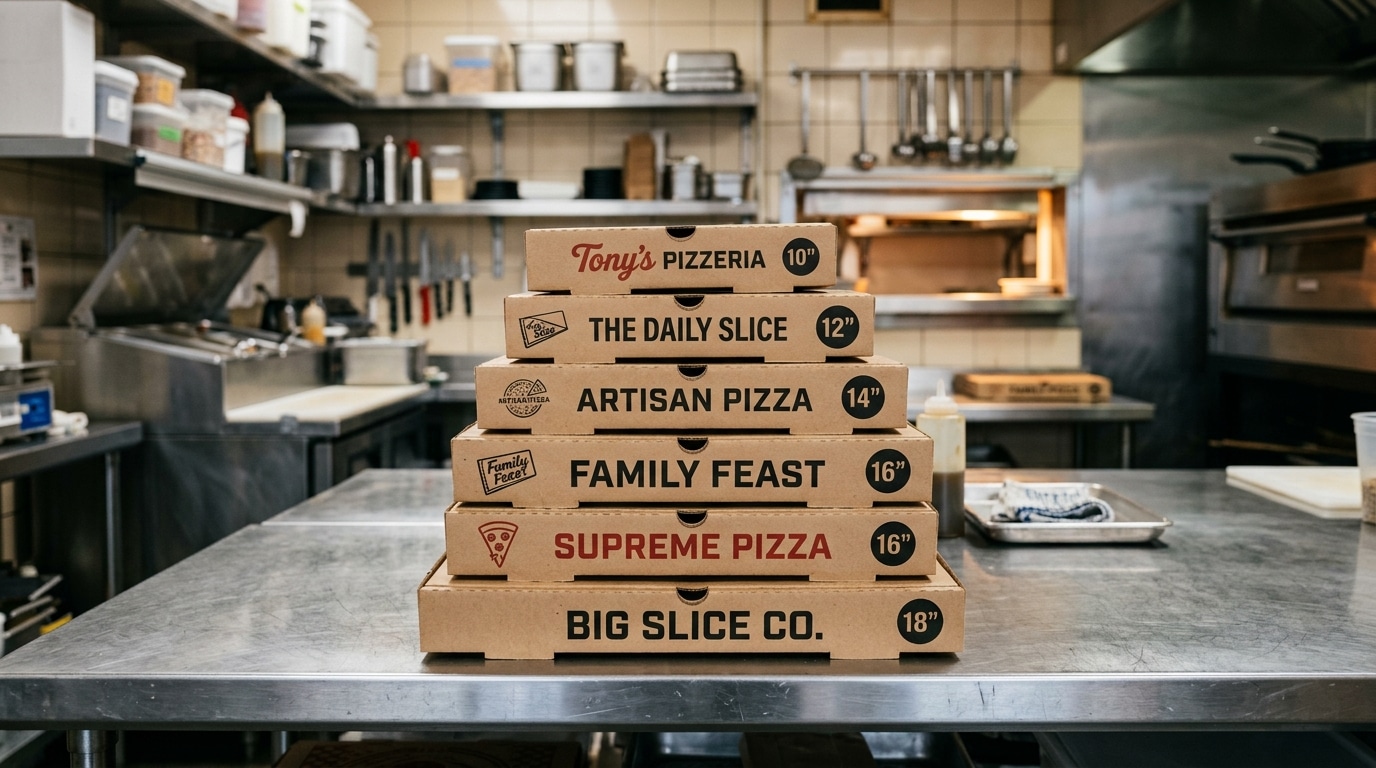
| Custom Die-Cut | Variable (Circles, Squares) | Cake tins, air fryers, bamboo steamers, pizza boxes. |
Jumbo Rolls
For converters or very large facilities with automated sheeting machines, purchasing jumbo rolls (rewound reels) is the most economical option. These can be thousands of meters long and are intended for further processing.
Small Consumer Rolls
If you are a distributor selling to home bakers, you may require “small rolls” (e.g., 5m to 20m length) boxed in custom retail packaging with a cutter blade. This requires a different manufacturing setup focused on finished goods packaging rather than bulk industrial supply.
Wholesale Ordering Guide: What to Prepare
To get an accurate quote and smooth production run, buyers need to provide specific details. Vague requests often lead to delays.
1. Define Your Volume (MOQ)
Custom printing involves setup costs (plate making, machine calibration). Therefore, Minimum Order Quantities (MOQs) apply.
- Typical MOQ: For custom printed baking paper, MOQs are often defined by weight (e.g., 500kg of paper) or quantity (e.g., 50,000 sheets).
- Price Breaks: Significant discounts are usually available for larger runs (e.g., container loads) due to improved machine efficiency.
2. Artwork Files
Prepare your logo in a vector format (AI, EPS, or PDF). Raster images (JPG, PNG) are generally unsuitable for flexo plate making. Specify your Pantone (PMS) color codes to ensure brand consistency.
3. Lead Times
Custom manufacturing is not instantaneous. Allow time for:
- Digital Proofing: 1-3 days.
- Plate Making: 5-7 days.
- Production: 15-30 days depending on volume.
- Shipping: Variable based on location and freight method (sea vs. air).
For urgent requirements, check if your supplier has stock sizes of unprinted bakery packaging solutions that can serve as a stopgap.
Quality Control Checklist
When evaluating samples or receiving your first shipment, check the following:
- Release Test: Bake a sticky item (like a cheese tuile or sugar cookie). It should slide off effortlessly without leaving residue.
- Heat Stability: Place the paper in the oven at 230°C for 20 minutes. It should brown slightly but not char or crumble.
- Ink Adhesion: Rub the printed area firmly. The ink should not smudge or transfer to your hand or the food.
- Grease Resistance: Place a high-fat item (like a croissant) on the paper for an hour. Check the underside—there should be minimal grease bleed-through for high-grade silicone paper.
Common Applications Beyond Baking
While “baking liner” implies oven use, these versatile sheets serve multiple roles in a food service environment:
- Sandwich Wrapping: Greaseproof printed sheets are perfect for wrapping burgers and subs.
- Tray Liners: Used in fast-food baskets to absorb grease and display branding.
- Interleaving: Placing sheets between layers of frozen dough, meat patties, or cheese to prevent sticking during storage.
- Pastry Bags: Rolling the paper into cones for piping icing or serving fried snacks.
FAQs: Custom Baking Liners
1. Can I print on both sides of the baking liner?
Technically yes, but it is rarely recommended for baking applications. Printing on the non-food contact side (or one side only) is safer and more cost-effective. For wrapping paper, double-sided printing is more common.
2. Is the ink safe for direct food contact?
Yes, reputable manufacturers use certified food-grade, water-based inks designed specifically for high-heat environments. Always ask for compliance documentation if you are unsure.
3. What is the difference between bleached and unbleached liners?
Bleached paper is white (treated with chlorine-free processes), providing a clean canvas for vibrant logos. Unbleached paper is brown (kraft color), offering a natural, eco-friendly aesthetic that is popular with organic and artisanal brands. Both perform similarly if silicone coated.
4. Can I order mixed sizes in one shipment?
Yes, wholesale orders can often be split into different cut sizes (e.g., half sheets and full sheets) as long as they use the same master roll width and material specifications. Discuss this during the ordering process.
5. How should I store bulk baking liners?
Store paper in a cool, dry place away from direct sunlight and moisture. Keep sheets flat in their original cartons to prevent curling or creasing, which can affect usability.
6. Are these liners compostable?
Many silicone-coated papers are industrially compostable, and uncoated greaseproof papers are often home compostable. However, verify the specific certification of the substrate with the manufacturer, as silicone coatings vary.
Conclusion
Investing in custom printed baking liners is a strategic move for any food business looking to combine utility with brand equity. By understanding the nuances of GSM, coatings, and printing technologies, you can source a product that withstands the heat of the kitchen while delivering a premium customer experience.
At YBJ Packing, we specialize in high-quality, food-safe paper solutions tailored to your operational requirements. From design assistance to logistics, we support your business at every step.
Ready to elevate your bakery packaging? Contact our team today to request a quote or get a sample of our custom printed baking liners.