

Introduction: The Business Case for Premium Paper Straws
The global shift away from single-use plastics has fundamentally changed the landscape of food service packaging. For procurement managers, restaurant owners, and distributors, paper straws are no longer just an eco-friendly alternative; they are a standard expectation. However, the market is flooded with varying qualities, and the difference between a high-performance paper straw and one that collapses within minutes can significantly impact customer satisfaction.
Choosing the right paper straw involves more than just picking a color. It requires a deep understanding of paper grades, adhesive safety, structural integrity, and customization options. A soggy straw can ruin a premium beverage experience, leading to negative reviews and damaged brand reputation. Conversely, a durable, well-branded straw reinforces your commitment to quality and sustainability.
This comprehensive buyer’s guide explores the technical specifications, material science, sizing standards, and customization possibilities for wholesale paper straws. Whether you are sourcing for a multinational fast-food chain, a boutique coffee shop, or a bubble tea franchise, this guide provides the actionable insights needed to make informed purchasing decisions.
The Anatomy of a High-Quality Paper Straw
Not all paper straws are created equal. The structural integrity of a straw depends on the raw materials used and the manufacturing precision. When evaluating suppliers, you must look beyond price and consider the composition of the product.
1. Paper Grade and GSM
The foundation of any paper straw is the paper itself. High-quality straws typically use Kraft paper derived from sustainable wood pulp. The density of the paper, measured in Grams per Square Meter (GSM), is a critical factor in durability.
- Face Layer: The outer layer usually requires a smoother finish for printing. It typically ranges from 60gsm to 120gsm depending on the print requirement.
- Core Layers: The inner layers provide the structural backbone. Heavier GSM paper here ensures the straw does not bend easily.
- Food Contact Safety: The paper must be certified food-grade, free from optical brightening agents (OBAs) and harmful bleaches.
2. The Importance of Ply (Layers)
Paper straws are constructed by winding multiple layers of paper together. The number of layers (plies) directly correlates to the straw’s compressive strength and longevity in liquid.
- 3-Ply Construction: This is the industry standard for most beverages (sodas, juices, water). It offers a balance of cost and performance, typically lasting 2–3 hours in cold liquids without unraveling.
- 4-Ply Construction: For thicker drinks, hot beverages, or premium applications, a 4-ply straw is recommended. The extra layer adds significant rigidity and extends the usage time, preventing the straw from becoming mushy quickly.
3. Food-Grade Adhesives
The glue holds the spiral-wound layers together. Since the straw is submerged in liquid and placed in the mouth, the adhesive must be strictly food-grade and water-resistant.
Inferior adhesives are the primary cause of straws unraveling or imparting a chemical taste to the drink. High-quality wet-strength adhesives ensure the layers remain bonded even when saturated. When sourcing paper straws, always verify that the manufacturer uses adhesives compliant with FDA or EU food contact regulations.
4. Ink Safety and Print Quality
Custom branding is a major advantage of paper straws, but the ink used must be safe. Vegetable-based inks (such as soy ink) or water-based inks are the standard for food packaging. These inks should not bleed into the beverage or carry a strong odor. UV curing processes can also be used to ensure the ink is set permanently and resists scuffing during transport.
Sizing Guide: Diameter and Length Selection
One size does not fit all. The viscosity of the beverage dictates the required diameter of the straw. Using a narrow straw for a thick milkshake results in a frustrating customer experience, while a giant straw for a simple soda may feel excessive.
Standard Bore (6mm) – Sodas, Juices, and Cocktails
The 6mm diameter is the universal standard for liquid beverages. It is ideal for:
- Carbonated soft drinks
- Iced tea and coffee
- Cocktails and mixed drinks
- Water and lemonade
This size balances flow rate with material usage, making it the most cost-effective option for general beverage service.
Jumbo Bore (8mm) – Smoothies and Frappés
For beverages with a slightly thicker consistency, an 8mm diameter is necessary to allow proper flow without requiring excessive suction force. Common applications include:
- Fruit smoothies
- Blended ice coffee drinks (frappés)
- Thick milkshakes
- Yogurt drinks
Giant/Colossal Bore (10mm – 12mm) – Boba and Thick Shakes
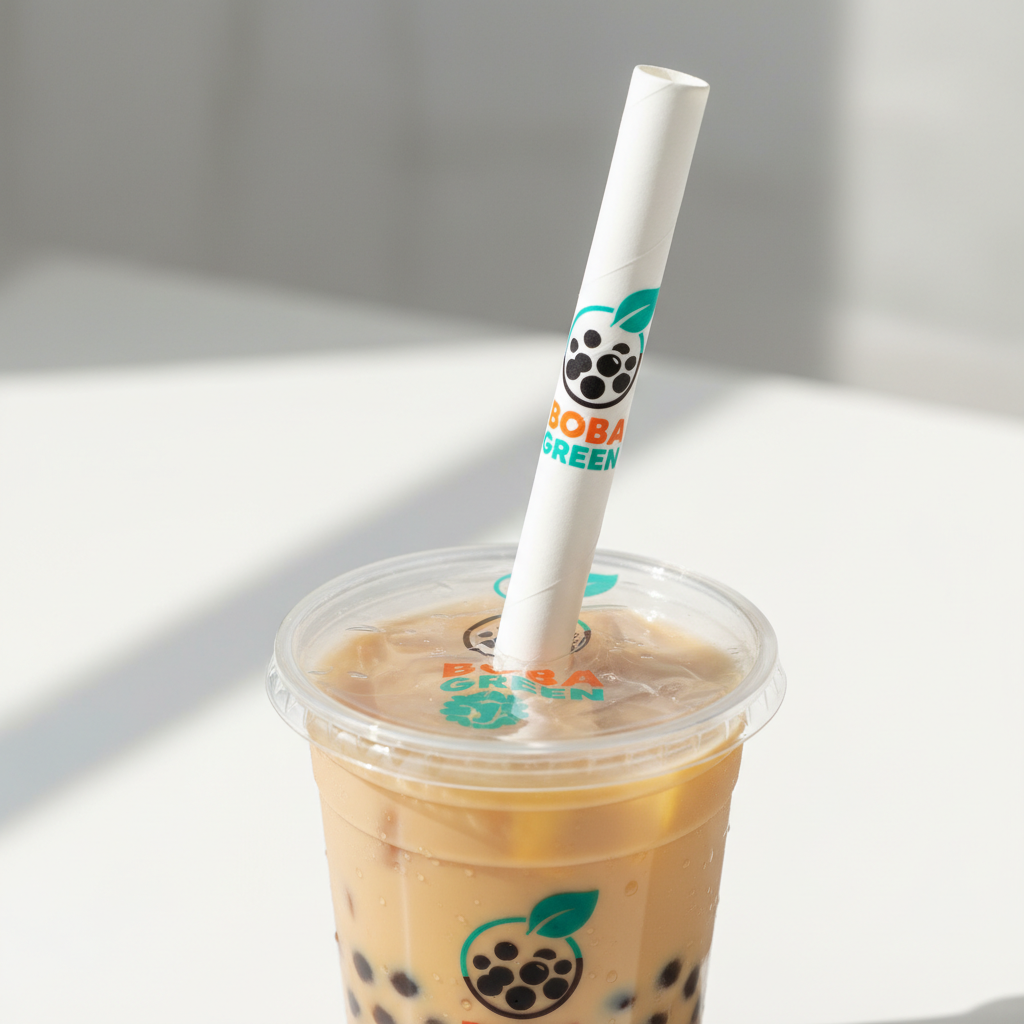
The rise of bubble tea (Boba) has created a high demand for wide-diameter straws. A 12mm straw is specifically designed to allow tapioca pearls, jelly, or fruit chunks to pass through easily.
- 10mm: Suitable for very thick shakes or smoothies with small particulates.
- 12mm: The gold standard for Boba tea.
Length Considerations
Standard lengths typically range from 197mm (7.75 inches) to 210mm usually, but custom lengths are often required for specific cup sizes.
- Standard Cups (12oz – 16oz): 197mm is usually sufficient.
- Tall Cups / Venti Sizes (20oz – 24oz): 230mm or longer may be required to ensure the straw protrudes comfortably from the lid.
- Cocktail/Lowball Glasses: Short straws (140mm) are often used for cocktails to match the glassware aesthetics.
End Cuts: Flat vs. Oblique (Sharp)
The cut of the straw tip is a functional feature.
- Flat Cut: Standard for most straws. Safe and suitable for cups with pre-cut slots or open lids.
- Oblique (Sharp) Cut: Essential for bubble tea or juice cups sealed with a plastic film. The pointed end allows the user to puncture the seal efficiently. This requires precise cutting technology during manufacturing to ensure the point is sharp enough to pierce but safe for the user.
Durability: Solving the “Soggy Straw” Issue
The most common complaint regarding paper straws is durability. “Soggy straw syndrome” occurs when the liquid penetrates the paper fibers, causing the structure to soften and eventually collapse.
Liquid Resistance Duration
A high-quality paper straw should maintain its structural integrity for at least 2 to 4 hours in cold liquids. Factors influencing this include:
- Paper Quality: Virgin kraft paper has longer fibers and better water resistance than recycled paper.
- Winding Tightness: Tighter winding reduces gaps where liquid can seep in.
- Drying Process: Proper oven drying during manufacturing removes residual moisture, hardening the straw.
Temperature Tolerance
While paper straws are primarily designed for cold drinks, some businesses use them for warm beverages. Standard paper straws will soften faster in hot liquids (above 40°C/104°F). If your application involves hot drinks, you must request straws specifically engineered with higher heat-resistant adhesives and thicker paper stock.
Customization and Branding Options
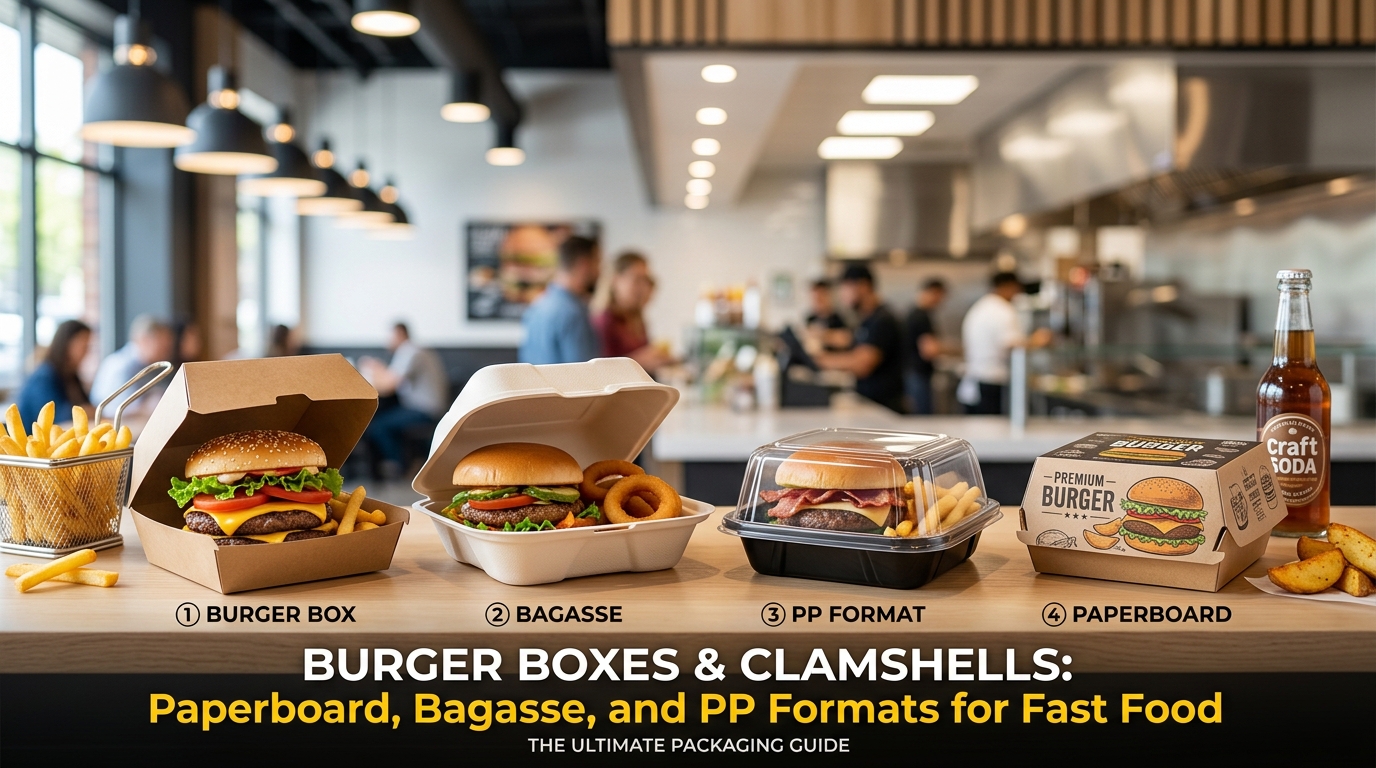
Paper straws offer a unique marketing real estate. Unlike clear plastic straws, paper straws can be fully printed with brand colors, logos, and messages.
Custom Printing on Straws
Brands can choose from a variety of print styles:
- Spiral Print: The most common method where the logo or pattern spirals around the straw. This requires careful artwork preparation to ensure the logo remains legible when wound.
- Full Flood Print: The entire straw is colored. This is excellent for matching brand palettes (e.g., a solid red straw for a specific soda brand).
- Registered Print: Advanced manufacturing can align images so they appear straight rather than spiraled, though this often comes with higher Minimum Order Quantities (MOQs).
Individual Wrapping Options
Hygiene is paramount, especially in takeout and delivery scenarios. Straws can be supplied:
- Unwrapped (Bulk): Packed directly into boxes. Best for high-traffic venues where straws are kept in dispensers.
- Paper Wrapped: Individually wrapped in paper. The wrapper itself can be printed with a logo, providing an additional branding opportunity.
- Plastic Wrapped: Wrapped in thin film. While less eco-friendly, it offers high visibility of the straw design.
For businesses looking to explore a wider range of beverage solutions, browsing our cups and accessories category can provide ideas on matching lids and cups with your straw choice.
Manufacturing and Quality Assurance
Understanding the manufacturing process helps in vetting suppliers.
The Winding Process
Paper straws are made on high-speed winding machines. Multiple ribbons of paper are fed through a glue bath and wound around a mandrel (a steel rod that determines the diameter). The precision of the mandrel and the tension control of the paper feed determine the consistency of the straw’s diameter.
Drying and Sterilization
After winding and cutting, the straws are often slightly damp from the glue. They must pass through a drying tunnel. Inadequate drying leads to mold risks and weak straws. Premium manufacturers also include a UV sterilization step before packaging to ensure food safety.
Quality Control Metrics
Reliable suppliers perform batch testing including:
- Soak Test: Submerging straws in water for 2+ hours to check for unraveling.
- Compression Test: Measuring the force required to crush the straw.
- Odor Test: Ensuring no chemical smell is transferred to water.
Use Cases and Industry Applications
Quick Service Restaurants (QSR)
Speed and cost are key. QSRs typically opt for standard 6mm straws, often individually wrapped for hygiene in drive-thru contexts. Branding on the wrapper is a popular choice here.
Coffee Chains and Cafes
Aesthetics matter. Cafes often prefer straws with natural kraft finishes or minimal patterns that align with an organic, eco-friendly brand image. 8mm straws are preferred for iced lattes and frappes.
Bars and Nightlife
Cocktail straws (sip straws) are shorter and thinner. Black or solid-colored paper straws are popular to maintain a sleek, premium look in high-end mixology.
Bubble Tea Shops
This sector relies heavily on the 12mm oblique-cut straw. The strength of the straw is critical here; if the straw bends when trying to pierce the sealing film, it results in a spill and a lost customer. 4-ply construction is highly recommended for Boba straws.
Procurement Guide: How to Order Paper Straws
Ready to place an order? Here is a checklist to ensure a smooth procurement process.
1. Understanding MOQs
Custom printed straws typically have a Minimum Order Quantity (MOQ) to justify the setup costs of printing plates. MOQs can range from 50,000 to 100,000 pieces depending on the complexity of the design. Stock items (plain white, black, or kraft) usually have much lower MOQs.
2. File Requirements for Custom Printing
When submitting artwork, vector files (AI, PDF, EPS) are required. Because the paper is wound spirally, artwork must be designed with the “repeat” and angle in mind. Your supplier should provide a die-line template.
3. Sampling Process
Always request samples before a full production run. Test the samples in your specific beverages (with ice) to verify durability. If you are ordering custom print, ask for a digital proof first, and if budget allows, a physical pre-production sample.
4. Logistics and Volumetric Weight
Straws are lightweight but bulky. In shipping terms, they often charge by “volumetric weight” rather than actual weight. Maximizing container space is crucial. Discuss packaging configurations with your supplier—bulk packing reduces volume compared to retail boxes.
For detailed guidance on starting your order, visit our How to Order page.
Frequently Asked Questions (FAQ)
Q1: How long do paper straws last in a drink?
A: Standard 3-ply high-quality paper straws typically last 2 to 4 hours in cold beverages without collapsing. In hot beverages, the lifespan is significantly shorter unless specialized heat-resistant binders are used.
Q2: Are paper straws gluten-free?
A: Yes, paper straws made with standard food-grade vegetable glues are gluten-free. However, if you have strict allergen requirements, always ask the manufacturer for a composition statement.
Q3: Can paper straws pierce plastic sealing film?
A: Yes, provided they are manufactured with a sharp oblique cut and have sufficient wall thickness (usually 4-ply). This is standard for Bubble Tea straws.
Q4: Do colored paper straws bleed into the drink?
A: No, provided they are made with food-grade, stable inks. High-quality straws are tested to ensure colorfastness in water and alcohol.
Q5: What is the difference between Kraft and White paper straws?
A: White straws are made from bleached kraft paper (using safe, chlorine-free bleaching methods) and offer a brighter canvas for printing colors. Brown Kraft straws have a natural look, often preferred for organic branding, but color printing may look darker on them.
Q6: How should paper straws be stored?
A: They should be stored in a cool, dry place. Excessive humidity in a warehouse can soften the paper over time, reducing their shelf life and performance.
Q7: Are your straws compostable?
A: Most paper straws are biodegradable and compostable. However, certification standards (like industrial vs. home compostable) vary. Check specific product specs for certifications.
Q8: Can I print on the wrapper instead of the straw?
A: Yes, printing on the paper wrapper is a cost-effective way to brand your product without altering the straw itself. It allows for more complex designs that aren’t distorted by spiral winding.
Conclusion
Selecting the right paper straw is a balance of engineering, aesthetics, and economics. By focusing on ply count, paper quality, and appropriate sizing, you can ensure your customers enjoy their beverages to the very last drop. Whether you need a custom-printed solution for a global franchise or a reliable bulk supply for distribution, understanding these technical details puts you in a strong position to negotiate and select the best product.
At YBJ Packing, we specialize in high-performance food packaging solutions tailored to your brand’s needs. If you are ready to upgrade your packaging or need a consultation on custom specifications, please contact us today to request a quote or get a sample.