

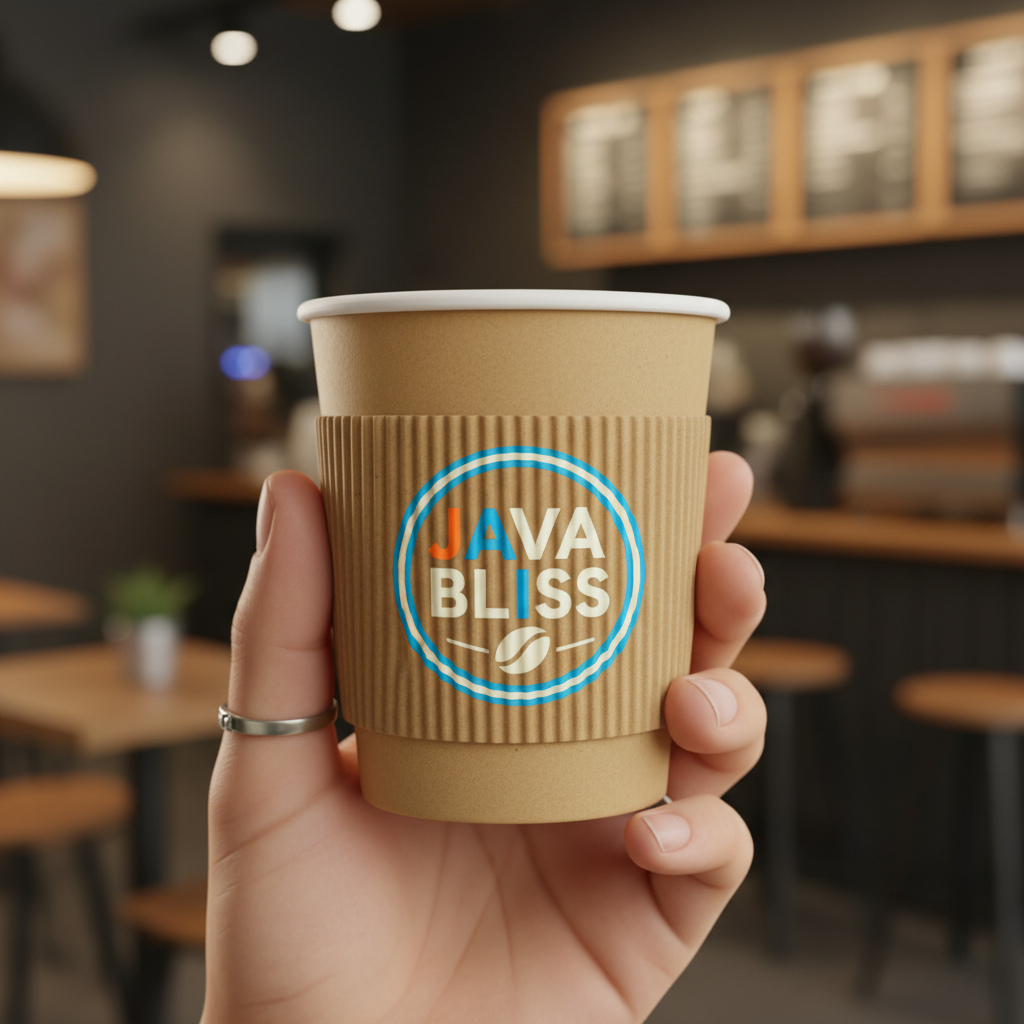
Introduction: The Strategic Importance of Beverage Accessories
In the competitive landscape of food service and beverage retail, the primary product—the drink itself—is only half the equation. The vessel delivering that beverage plays a critical role in customer satisfaction, safety, and brand perception. For B2B buyers, sourcing the right custom cup holder and sleeve solutions is not merely a purchasing task; it is a strategic decision that impacts operational efficiency and marketing reach.
Whether you are a procurement manager for a multinational coffee chain, a distributor supplying local cafes, or an operations director for a fast-food franchise, understanding the technical nuances of these accessories is essential. From the thermal insulation properties of corrugated fluting to the burst strength of molded pulp carriers, the specifications define the performance. Poorly chosen sleeves can lead to customer burns and liability, while weak cup holders can result in spills and lost revenue.
This comprehensive guide explores the materials, manufacturing processes, sizing standards, and customization options available for wholesale buyers. We will examine how to balance cost, sustainability, and functionality when selecting a cup holder and sleeve manufacturer.
Part 1: Cup Sleeves – Materials, Mechanics, and insulation
Cup sleeves, often referred to as coffee clutches or zarfs, are designed to provide a thermal barrier between a hot beverage and the consumer’s hand. While they seem simple, the engineering behind a high-quality sleeve involves specific material choices and structural designs.
1. Corrugated Paperboard Structure
The vast majority of effective cup sleeves utilize corrugated paperboard. This material consists of a fluted sheet glued to one or two flat linerboards. The air trapped within the flutes acts as an insulator.
- E-Flute: The most common profile for cup sleeves. It is approximately 1.1mm to 1.6mm thick. It offers a distinct printing surface while providing adequate insulation for standard hot drinks (coffee, tea).
- F-Flute: Thinner and denser than E-flute (approx. 0.8mm). It provides a smoother surface for high-resolution printing but slightly less insulation. It is often used when branding is the priority over extreme heat protection.
- B-Flute: Thicker (approx. 3mm). Rarely used for sleeves due to bulkiness, but occasionally seen in heavy-duty industrial applications.
2. Liner Materials: Kraft vs. White
When sourcing a printed cup holder and sleeve, the choice of liner paper affects both aesthetics and cost.
- Natural Kraft: Unbleached paper pulp. It communicates sustainability and organic values. It is the standard for many coffee shops emphasizing eco-friendliness. Print colors on Kraft will appear darker and more muted.
- White Bleached Kraft: Chemically treated to remove lignin, resulting in a bright white surface. This is the ideal substrate for vibrant, color-accurate logos and complex artwork. It typically commands a slightly higher price point than natural Kraft.
3. The “Single Wall + Sleeve” vs. “Double Wall Cup” Debate
Buyers often face a choice: stock double-wall cups (which have built-in insulation) or single-wall cups with separate sleeves.
Advantages of Sleeves:
- Inventory Flexibility: You can use the same single-wall cup for cold drinks (without a sleeve) and hot drinks (with a sleeve), reducing the number of cup SKUs (Stock Keeping Units) you need to manage.
- Cost Efficiency: Generally, a single-wall cup plus a sleeve is cheaper than a double-wall cup, especially in high volumes.
- Marketing Agility: Sleeves can be printed with seasonal promotions or limited-time offers without changing the entire cup inventory.
Part 2: Cup Holders and Carriers – Stability and Transport
For takeout and delivery, the structural integrity of the cup holder is non-negotiable. A failure here means spilled drinks, ruined food orders, and refunds.
1. Molded Pulp Drink Carriers
Molded pulp is created from recycled paper fibers (often newsprint or cardboard) mixed with water, formed into a mold, and dried. This is the industry standard for bulk cup holder and sleeve orders focused on sustainability.
- Pros: Biodegradable, compostable, and excellent shock absorption. The texture grips the cup, preventing sliding.
- Cons: Can be susceptible to moisture if not treated (though most have additives for temporary water resistance). Printing directly on molded pulp is difficult and usually limited to simple embossing.
- Configurations: Typically available in 2-cup and 4-cup trays. Some designs are perforated, allowing a 4-cup tray to be split into two 2-cup trays.
2. Corrugated Cardboard Carriers
These are folded boxes or trays made from sturdy corrugated board.
- Pros: Superior strength for heavy beverages (e.g., large sodas, smoothies). Flat-packing saves significant storage space compared to pre-formed molded pulp. High-quality printing is possible on the exterior.
- Cons: Requires assembly (folding) by staff, which can slow down service during peak hours.
- Styles:
- Basket Style: Features a central handle for easy carrying.
- Flat Tray: Sits at the bottom of a paper bag.
Part 3: Sizing and Compatibility Guide
A common pitfall in purchasing is assuming a “universal fit.” While standardization exists, slight variations in cup taper and diameter can cause sleeves to slide off or carriers to tip.
Sleeve Sizing
Sleeves are generally categorized by the cup volume they fit, but the critical metric is the cup’s top diameter and taper angle.
- 8oz Sleeves: Designed for smaller coffee cups. These have a tighter circumference.
- 10oz – 24oz Universal Sleeves: Most manufacturers produce a “one-size-fits-most” sleeve for the standard range of Starbucks-style paper cups. These rely on the tapered shape of the cup to catch the sleeve.
- Adhesion: High-quality sleeves use heat-resistant glue at the seam. Inferior glue can melt upon contact with a 90°C (194°F) beverage, causing the sleeve to pop open.
Holder Compartment Sizing
Standard cup holders must accommodate base diameters ranging from approximately 50mm to 70mm. Molded pulp carriers are somewhat flexible and can grip various sizes. Corrugated carriers often have die-cut holes with flexible tabs to adjust to different cup widths.
Part 4: Printing and Customization Options
Customization transforms a commodity product into a branding tool. When working with a cup accessories supplier, clear communication regarding print specs is vital.
Printing Technologies
- Flexographic Printing (Flexo):
- Best for: High-volume wholesale orders.
- Process: Uses flexible relief plates. Fast and cost-effective for simple designs (1-4 colors).
- Quality: Good for logos and text, but less ideal for photographic gradients.
- Offset Printing (Lithography):
- Best for: Premium brands requiring high detail.
- Process: Transfers ink from a plate to a rubber blanket, then to the paper.
- Quality: Superior color accuracy and sharpness. Allows for CMYK full-color images.
Design Considerations
- Bleed Areas: Ensure your artwork extends beyond the cut line to avoid white edges during die-cutting.
- Warp Distortion: Because sleeves are conical when assembled but printed flat, artwork (especially straight lines or circles) must be pre-distorted in the design file to look correct when wrapped around the cup. Experienced manufacturers can assist with this “conical warping.”
- Ink Safety: Verify that the manufacturer uses food-safe, water-based, or soy-based inks, especially since the sleeve is handled directly by the consumer and is in close proximity to the cup lip.
Part 5: Technical Specifications & Quality Assurance
Professional buyers should define specifications beyond just “printed sleeve.” When issuing an RFQ (Request for Quote), consider these parameters:
Material Specs
- GSM (Grams per Square Meter): Defines the weight of the paper. A typical high-quality sleeve might use a 230gsm liner + 100gsm fluting + 100gsm inner liner.
- Moisture Resistance: Cup holders (trays) need wet-strength additives. Condensation from cold drinks can turn a standard cardboard tray into mush within minutes. Specify “wet-strength” or “moisture-resistant” sizing for cold drink carriers.
Testing Standards
Reputable suppliers perform specific tests:
- Compression Test: For cup holders, ensuring they don’t collapse under the weight of four 32oz drinks.
- Rub Test: Ensuring ink does not rub off onto the customer’s hands when the sleeve is hot or slightly damp.
- Heat Transfer Rate: Measuring how effectively the sleeve blocks heat.
Part 6: Sustainability and Compliance
The global shift toward eco-friendly packaging impacts wholesale food packaging decisions significantly.
Recyclability vs. Compostability
- Recyclable: Most paper sleeves and corrugated holders are recyclable if they are clean. However, heavy ink coverage or plastic laminates can hinder this.
- Compostable: Molded pulp is naturally compostable. For paper sleeves, ensure the glue used is also compost-compliant.
- FSC Certification: Sourcing paper from Forest Stewardship Council certified forests is a strong selling point for Western markets.
Part 7: The Buying Guide – Logistics and Ordering
Navigating the procurement process for bulk cup holder and sleeve orders requires attention to logistics.
Minimum Order Quantities (MOQ)
- Stock/Generic: Low MOQs (often by the case). Good for small cafes or emergency stock.
- Custom Printed: MOQs typically start at 10,000 to 30,000 units depending on the printing method. Flexo printing often requires higher volumes to amortize the plate costs.
Lead Times
- Production: Custom orders usually take 2–4 weeks after artwork approval.
- Shipping: International sea freight adds 4–6 weeks. Air freight is faster but significantly increases the unit cost, usually negating the wholesale advantage.
Storage and Nesting
Cup sleeves are flat-packed, making them extremely dense and efficient to store. Molded pulp trays, however, are bulky. While they nest (stack inside each other), they still consume significant warehouse space. Ensure your logistics calculation accounts for the high “cube” (volume) of cup carriers relative to their weight.
Part 8: Common Use Cases and Scenarios
Scenario A: The High-Volume Coffee Chain
Requirement: Speed, brand consistency, heat safety.
Solution: Custom printed E-flute sleeves (universal size) and 4-cup molded pulp trays. The pulp trays are grabbed quickly by baristas, and the sleeves serve as mobile billboards.
Scenario B: The Food Delivery Service
Requirement: Stability, spill prevention, handling mixed orders (hot and cold).
Solution: Corrugated box-style carriers with handles. These provide higher walls to prevent cups from tipping during scooter or bike delivery. Moisture-resistant coatings are essential here due to condensation from cold sodas.
Scenario C: The Corporate Event / Conference
Requirement: Premium feel, specific branding for the event.
Solution: White liner sleeves with offset printing (CMYK) for complex sponsor logos. 2-cup carriers are preferred as attendees rarely carry four drinks.
Frequently Asked Questions (FAQs)
1. Can I print on the inside of the cup sleeve?
Technically yes, but it is rarely done for standard sleeves. It doubles the printing passes and increases cost. Furthermore, the inside is glued to the corrugated flute, so the surface is uneven. Some brands print a “surprise message” on the inside, but this requires specific manufacturing setups.
2. What is the difference between a cup sleeve and a cup clutch?
There is no difference; these terms are used interchangeably in the industry. “Zarf” is the historical term for a holder used for handle-less coffee cups.
3. Are custom sleeves cheaper than double-wall cups?
In most scenarios, buying a standard single-wall cup and a separate sleeve is cheaper per unit than a double-wall cup, especially if you buy the cups in massive bulk. However, you must factor in the labor cost of staff applying the sleeve or the time taken by the customer to do it.
4. How do I ensure my artwork doesn’t look distorted on the curved sleeve?
Professional packaging designers use a grid warp to curve the artwork in the flat file. When the sleeve is wrapped around the conical cup, the artwork appears straight. Always ask your supplier for a template with the warp grid included.
5. What is the shelf life of cup holders?
Paper products have a long shelf life if stored correctly. However, molded pulp can absorb ambient moisture in very humid warehouses, becoming soft. They should be stored in a cool, dry environment, ideally wrapped in plastic within the master carton.
6. Can I get a sample before placing a bulk order?
Yes. Reputable suppliers like YBJ Packing offer sampling. For custom print, a physical proof may cost extra due to setup, but digital proofs are standard. You can also request samples of previous work to check material quality. Contact our team to arrange a sample pack.
Conclusion
Selecting the right custom food packaging accessories is a balance of engineering, marketing, and logistics. From the flute size of a sleeve to the wet strength of a carrier tray, every detail contributes to the customer experience. By understanding these technical factors, buyers can reduce costs, minimize risks, and enhance their brand presence.
Whether you need a high-volume run of food grade cup holder and sleeve products or a specialized solution for a marketing campaign, working with an experienced manufacturer ensures your specifications are met with precision.
Ready to upgrade your beverage packaging?
Explore our extensive range of options or start your custom project today.