

Introduction: Why the Right Plastic Cup Matters for Your Brand
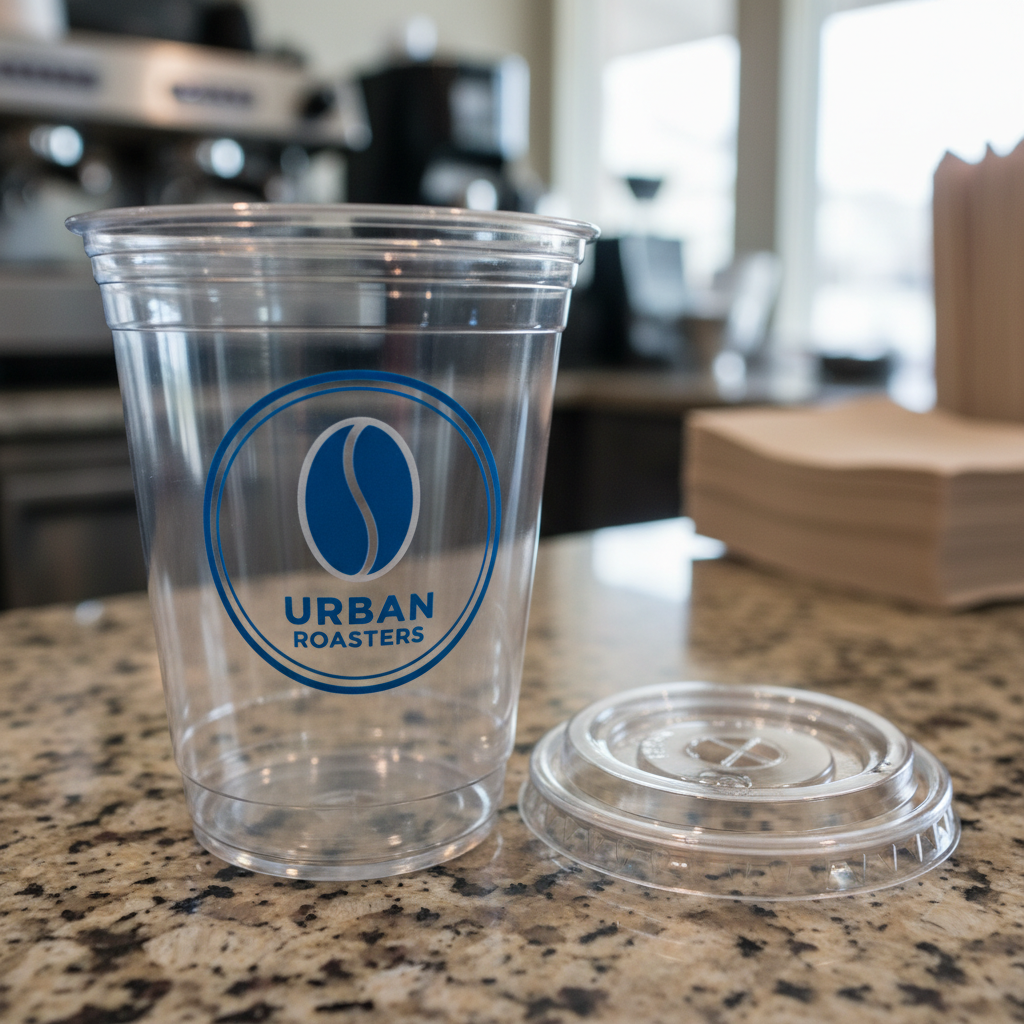
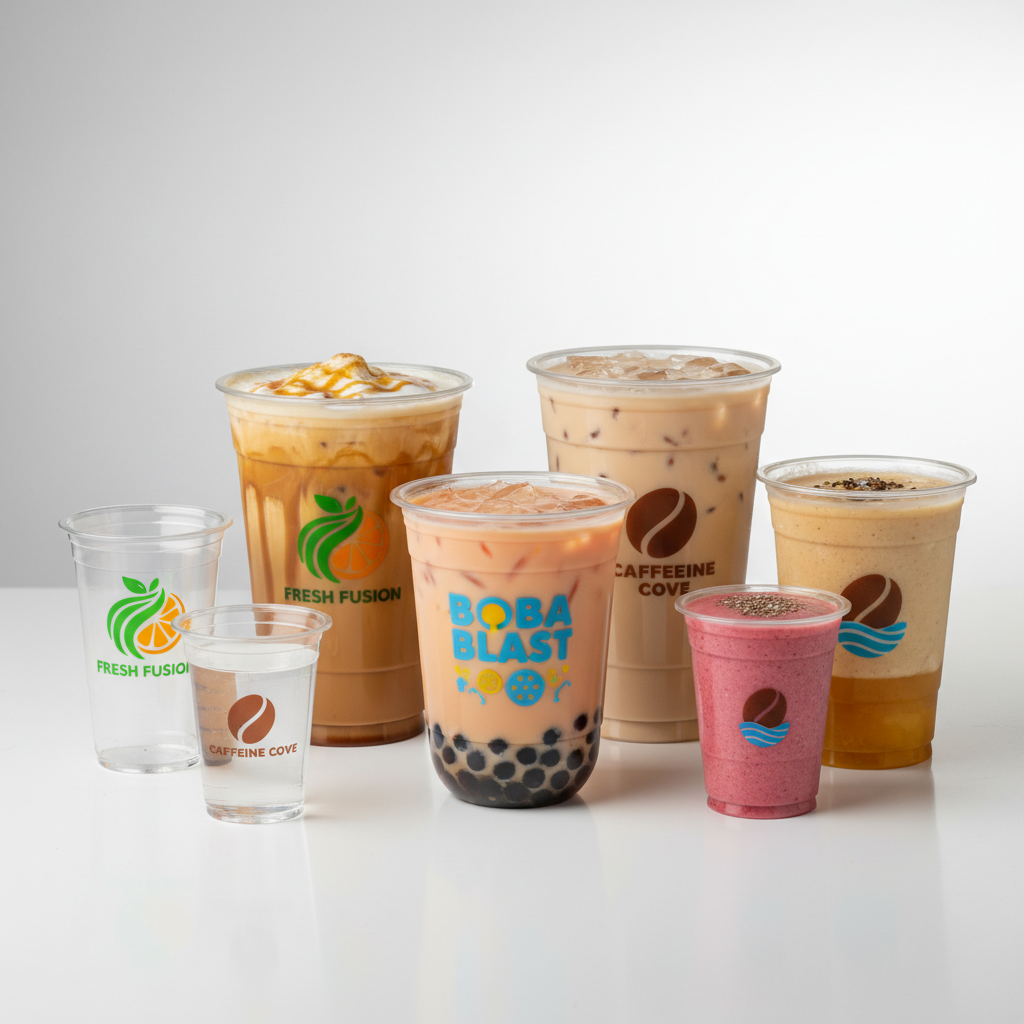
in the competitive landscape of food and beverage service, packaging is often the first physical touchpoint a customer has with your brand. For bubble tea shops, coffee chains, and fast-casual restaurants, the humble plastic cup is more than just a vessel; it is a mobile billboard and a critical component of operational efficiency. Choosing the right custom plastic cups involves balancing aesthetic clarity with functional durability, all while navigating supply chain logistics.
This comprehensive guide is designed for procurement managers, restaurant owners, and distributors. We will explore the technical nuances of materials like PET and PP, break down sizing standards, and provide a roadmap for ordering plastic cups wholesale. Whether you are launching a new beverage line or optimizing your current packaging supply, understanding these details ensures you select a product that protects your beverage and elevates your brand.
1. Material Science: PET vs. PP vs. PLA
The most critical decision in sourcing plastic cups is selecting the raw material. The material dictates clarity, temperature resistance, lid compatibility, and recyclability. Here is a detailed comparison of the industry standards.
Polyethylene Terephthalate (PET)
PET is the gold standard for cold beverages where visual appeal is paramount. It is recognized for its glass-like clarity, which allows the vibrant colors of iced coffees, smoothies, and juices to shine through.
- Clarity: High. PET cups are crystal clear, making them ideal for layered drinks.
- Rigidity: PET is strong and crack-resistant, providing a premium feel in the hand.
- Temperature Range: Strictly for cold drinks. PET can deform if exposed to temperatures above 140°F (60°C).
- Printing: Offers excellent surface smoothness for high-definition printing.
- Best For: Smoothies, iced lattes, frappes, and grab-and-go deli items.
Polypropylene (PP)
PP cups are the workhorses of the beverage industry. While slightly less clear than PET (often described as translucent or hazy), they offer superior functional versatility.
- Temperature Resistance: High. PP can withstand temperatures up to roughly 248°F (120°C), making it suitable for warm or hot liquids, though typically used for cold or lukewarm drinks in this context.
- Sealing: PP is the primary material used for heat-sealing machines (common in bubble tea shops). PET cannot be heat-sealed easily with standard films.
- Flexibility: PP is softer and more flexible than PET, making it less prone to cracking under impact, though it feels less rigid.
- Best For: Bubble tea (boba) shops using sealing machines, hot/warm beverages, and cost-effective bulk solutions.
Polylactic Acid (PLA)
For brands prioritizing renewable resources, PLA is a bioplastic derived from plant starches (like corn). It mimics the look of PET but has different thermal properties.
- Clarity: High, comparable to PET.
- Temperature Sensitivity: Very sensitive to heat. PLA cups must be stored in cool environments (below 105°F/40°C) to prevent warping during storage or transport.
- Disposal: Designed for industrial composting facilities.
When choosing between these materials, consider your serving method. If you use a heat-seal film machine, you likely need PP plastic cups. If you use snap-on dome lids and want maximum product visibility, PET is the superior choice.
2. Sizing and Capacity Guide
Navigating cup sizes can be confusing due to the difference between “flush fill” (brimful) and “practical fill” capacities. Additionally, the top diameter is a crucial specification for lid compatibility.
Common Top Diameters
Standardizing your top diameter allows you to use a single lid size across multiple cup capacities, reducing inventory complexity.
- 90mm – 92mm: Common for smaller to medium cups (12oz – 16oz).
- 95mm: The industry standard for bubble tea and large PP cups. Most sealing machines are calibrated to 95mm rings.
- 98mm: The standard for PET cups ranging from 12oz to 24oz. This wide mouth is excellent for adding whipped cream or toppings.
Capacity Breakdown
| Size (oz) | Approx. ml | Typical Usage |
|---|---|---|
| 9 oz – 10 oz | 270ml – 300ml | Kids’ drinks, small juices, wine sampling. |
| 12 oz | 360ml – 400ml | Small coffee, standard soda size. |
| 16 oz | 475ml – 500ml | “Regular” size for smoothies, iced teas, and coffees. |
| 20 oz – 24 oz | 600ml – 700ml | Large size. Essential for bubble tea with heavy ice or toppings. |
| 32 oz | 950ml – 1000ml | Extra-large, movie theater size, or shared buckets. |
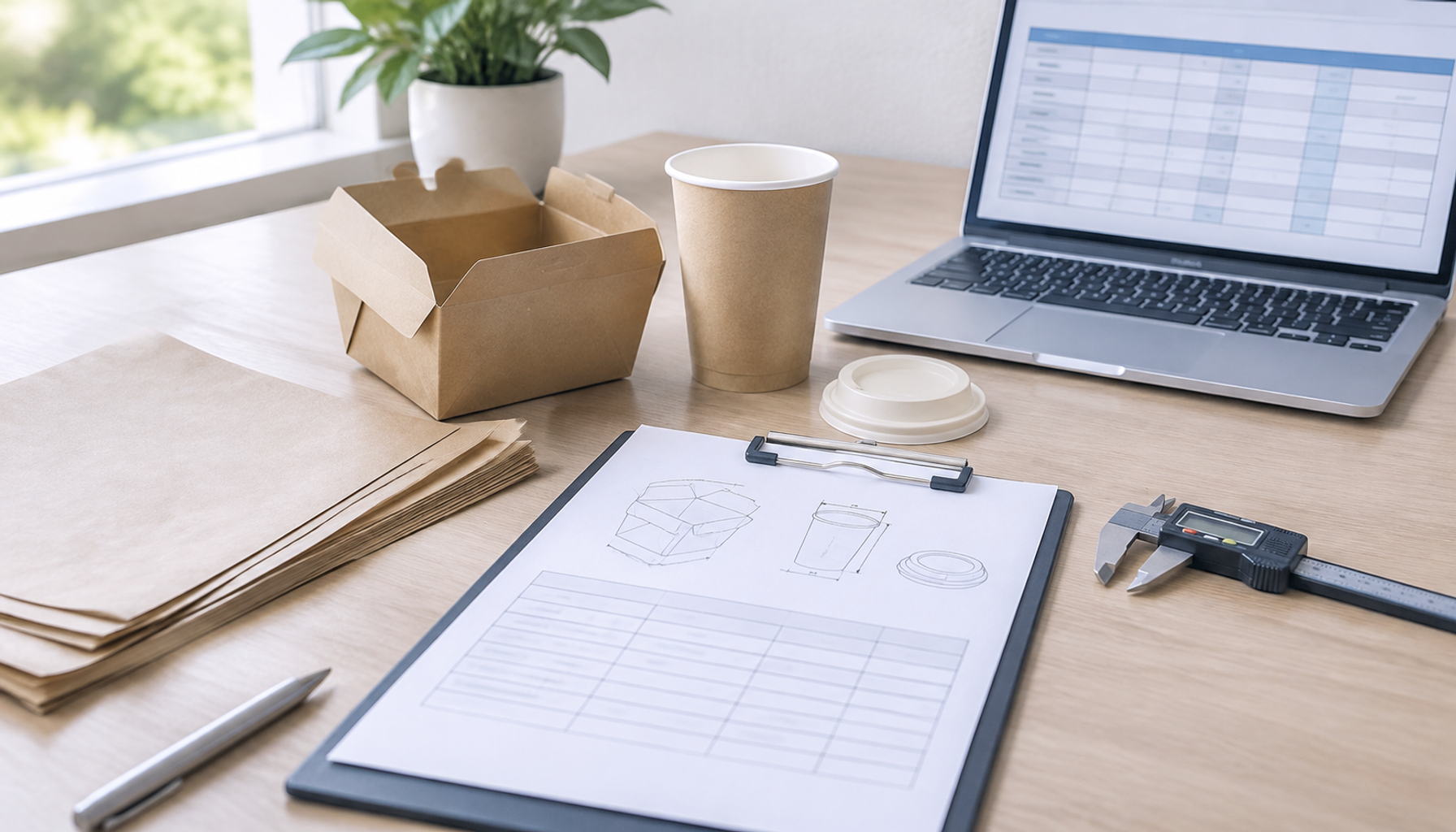
Buyers should always request technical drawings to confirm the exact height and bottom diameter, especially if the cups need to fit into specific cup holders or carry trays.
3. Printing and Customization Options
Custom printing is where wholesale food packaging transforms from a commodity into a marketing asset. Understanding the printing process helps you manage costs and lead times effectively.
Dry Offset vs. Flexographic Printing
- Dry Offset: Often used for higher volume runs. It prints directly onto the curved surface of the cup. It is cost-effective for simple logos with fewer colors (typically up to 6 colors).
- Flexographic (Flexo): Can achieve higher quality images and is suitable for more complex designs. It allows for better color registration on plastic substrates.
Key Design Considerations
- Spot Colors vs. CMYK: Most plastic cup printing utilizes Spot Colors (Pantone). This ensures brand consistency. Full-color photographic prints (CMYK) are possible but may require different minimums or digital printing techniques.
- Print Area: Due to the taper of the cup, artwork must be “warped” or curved in the design file to appear straight when printed. Always use the manufacturer’s template.
- Gap Areas: Most printing methods require a small gap at the bottom (stacking rim) and top (lip) where ink cannot be applied to ensure the cups unstack easily and the lid fits securely.
If you are looking to elevate your brand presence, consider exploring our cups and accessories category to see examples of printed capabilities.
4. Lids, Straws, and Accessories
A cup is useless without the right closure. The choice of lid depends heavily on the beverage type and the cup material.
Lid Types
- Flat Lids: Standard for sodas and juices. Available with straw slots (X-slot) or without (for transport).
- Dome Lids: Essential for beverages with whipped cream, soft serve, or bulky toppings. Available with wide holes for thick straws or spoon access.
- Sip Lids (Strawless): Growing in popularity for environmental reasons. These lids have a raised spout, eliminating the need for a straw.
- Sealing Film: Used primarily with PP cups. The film is heat-welded to the cup rim, creating a spill-proof seal that the customer punctures with a pointed straw. This reduces plastic usage compared to rigid lids and lowers shipping volume.
Straw Selection
Ensure your straw length exceeds the cup height by at least 2-3 inches. For bubble tea, wide-gauge straws (12mm) are mandatory to allow pearls to pass through. For standard liquids, 6mm or 8mm straws suffice.
5. Manufacturing and Quality Assurance
When sourcing plastic cups manufacturer partners, quality consistency is non-negotiable. Poor quality cups can crack, leak, or jam in dispensing equipment.
Wall Thickness and Weight
Cup quality is often measured by weight (grams per cup). A heavier cup implies thicker walls, which translates to a sturdier feel. For example, a premium 16oz PET cup might weigh 12-14 grams, while a budget version might weigh 9-10 grams. Always ask for the gram weight when comparing quotes.
Leak Testing
Reputable manufacturers perform rigorous leak testing. This is particularly important for PP cups intended for heat sealing, as the rim must be perfectly flat and uniform to bond with the film.
Clarity Inspection
For PET cups, optical clarity is inspected to ensure there is no haziness or flow lines that could obscure the beverage.
6. Use Cases and Industry Applications
Different industries have specific requirements for their custom food packaging.
Bubble Tea & Juice Bars
Recommended: PP Cups (95mm) with Sealing Film or PET Cups (98mm) with Dome Lids.
Reason: PP is durable for shaking machines. PET offers the premium look for colorful fruit teas.
Coffee Shops (Iced Drinks)
Recommended: PET Cups with Strawless Lids.
Reason: Coffee drinkers value the visual swirl of milk and coffee. Strawless lids appeal to eco-conscious consumers.
Deli & Grab-and-Go
Recommended: PET Cups with Flat, No-Slot Lids.
Reason: Used for fruit cups, yogurt parfaits, or cold salads. The high clarity showcases freshness.
Events & Festivals
Recommended: Printed PP Cups.
Reason: Cost-effective for high volume; flexible material is safer in crowded environments (less likely to shatter).
7. Buying Guide: How to Order Wholesale
Transitioning from generic stock cups to custom branded cups requires planning. Here is a checklist for the procurement process.
Minimum Order Quantities (MOQ)
Custom printing typically requires a higher MOQ than stock items due to machine setup costs.
- Stock Items: Usually sold by the case (e.g., 1,000 cups).
- Custom Print: MOQs can range from 10,000 to 50,000 pieces depending on the factory and printing method.
Lead Times
Account for production and shipping. After artwork approval, production might take 2-4 weeks. International shipping can add another 3-6 weeks. Always order seasonal packaging (e.g., summer designs) at least 3 months in advance.
Artwork Preparation
To speed up the process, have your logo available in vector format (AI, EPS, or PDF). Define your Pantone (PMS) colors clearly. If you are unsure about the design layout, our team can guide you. Learn more about the process at our how to order page.
Logistics and Storage
Plastic cups are bulky but lightweight. They are “cubed out” before they “weigh out” in shipping. Ensure you have adequate warehouse space. Cups are typically sleeved in poly bags and boxed. Verify the case count (e.g., 20 sleeves of 50 cups = 1,000/case) to calculate your storage needs.
8. Frequently Asked Questions (FAQ)
Q1: Can I use PET lids on PP cups?
Generally, no. PET and PP cups usually have different rim rolls and diameters (e.g., 98mm vs 95mm). Even if the diameter matches, the snap-fit mechanism might not be secure. It is best to buy matching lids from the same supplier.
Q2: Are custom printed cups recyclable?
Yes, both PET (Recycling Code #1) and PP (Recycling Code #5) are widely recyclable. However, printing does not affect recyclability, but heavy food contamination might. Check local facilities.
Q3: What is the difference between “U-Rim” and “Flat Rim”?
This refers to the rolled lip of the cup. A rolled rim (U-rim) provides rigidity and a comfortable drinking surface. A flat rim is typically used for heat sealing to ensuring a proper bond with the film.
Q4: Can I put hot coffee in a plastic cup?
Standard PET cups will melt or deform. PP cups can handle heat, but they are not insulated, meaning the cup will be too hot to hold without a sleeve. For hot drinks, double-wall paper cups are the standard recommendation.
Q5: How many colors can I print?
Most dry offset machines handle up to 6 spot colors. For intricate, photo-quality designs, discuss flexo or digital options with your manufacturer.
Q6: Do you offer samples?
Yes, seeing and feeling the quality is crucial. We recommend requesting samples to test lid fit and material rigidity before committing to a bulk order. You can contact us to arrange this.
Conclusion
Selecting the right printed plastic cups is a blend of marketing strategy and operational necessity. By choosing the correct material (PET for clarity, PP for durability/sealing) and optimizing your size and print options, you create a better experience for your customers and a smoother workflow for your staff.
At YBJ Packing, we specialize in helping businesses scale their packaging solutions with high-quality, custom-manufactured options. Whether you need a thousands of cups for a franchise rollout or specific advice on material selection, we are here to help.
Ready to elevate your beverage branding? Request a quote today or reach out to our team for a sample kit.