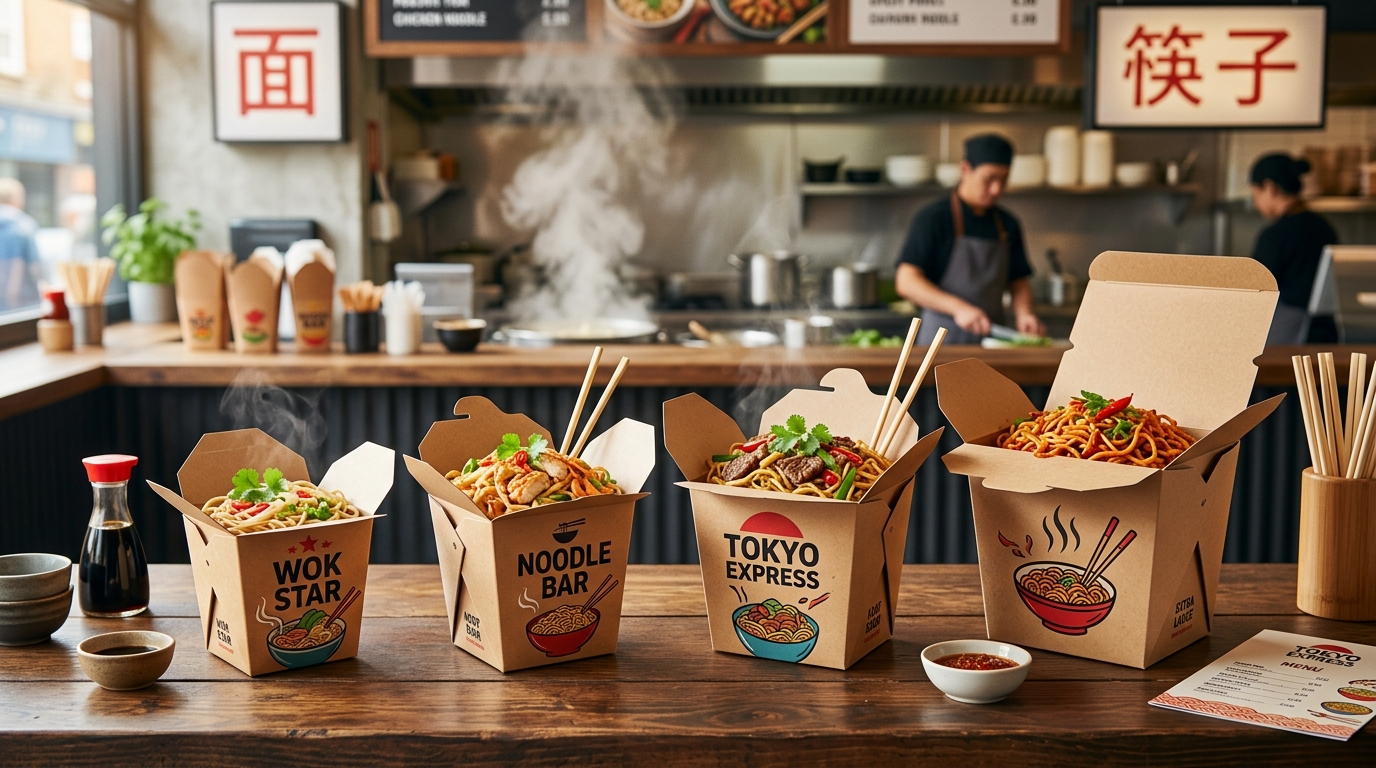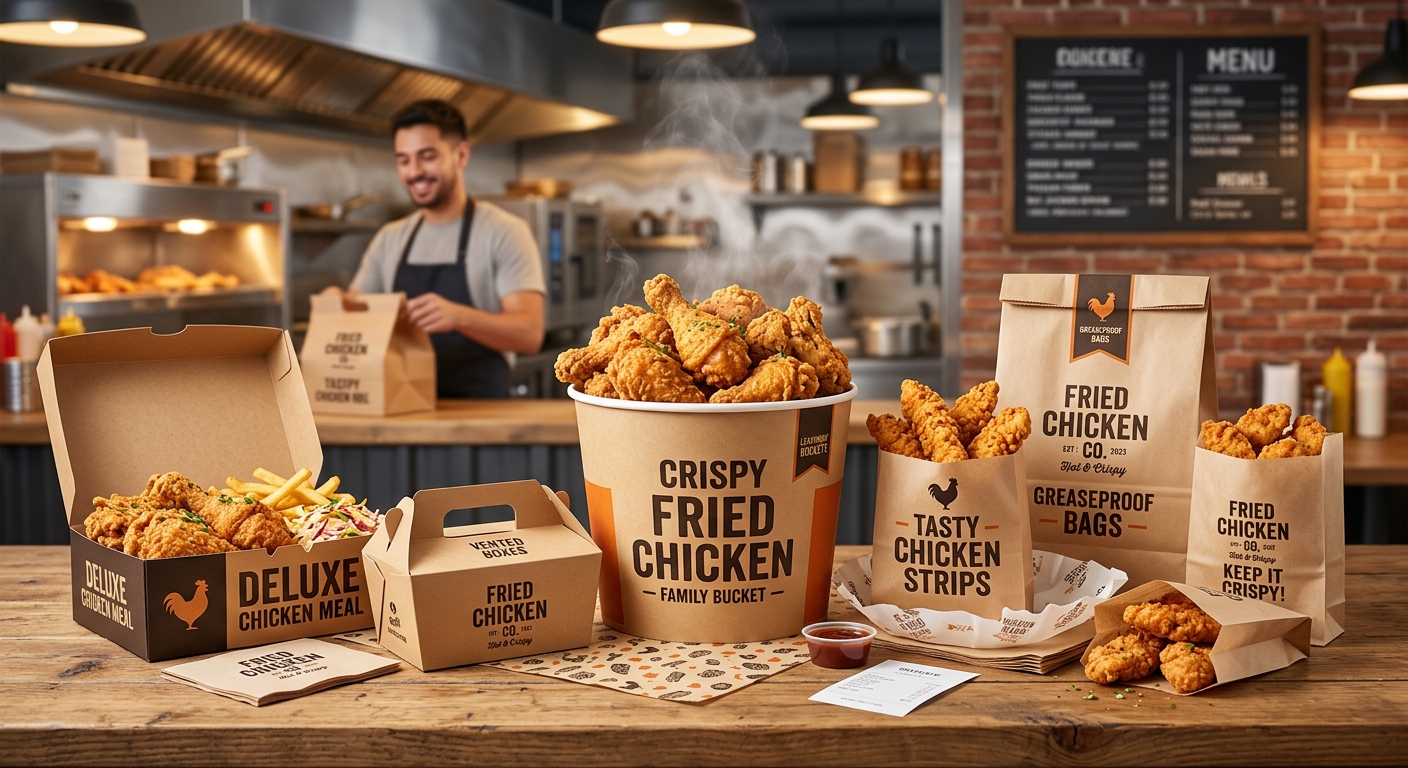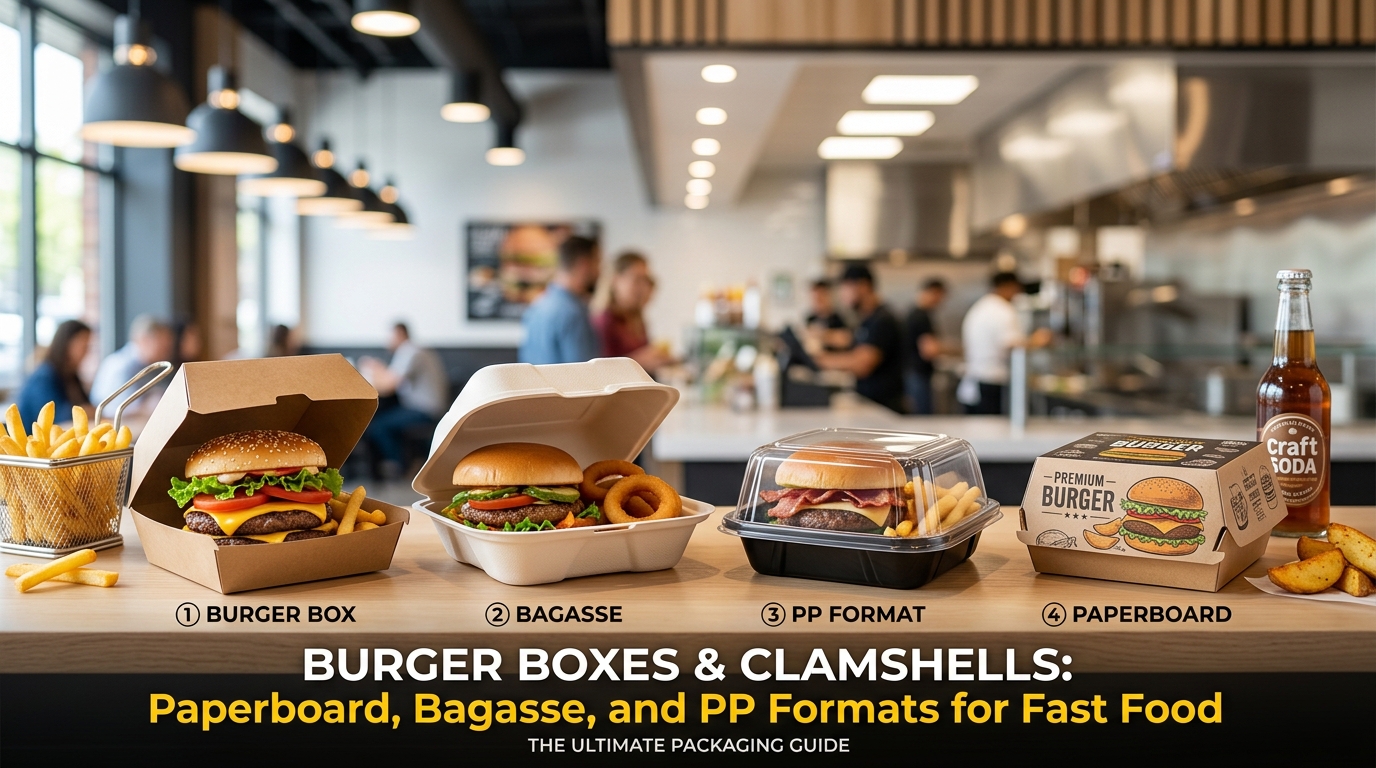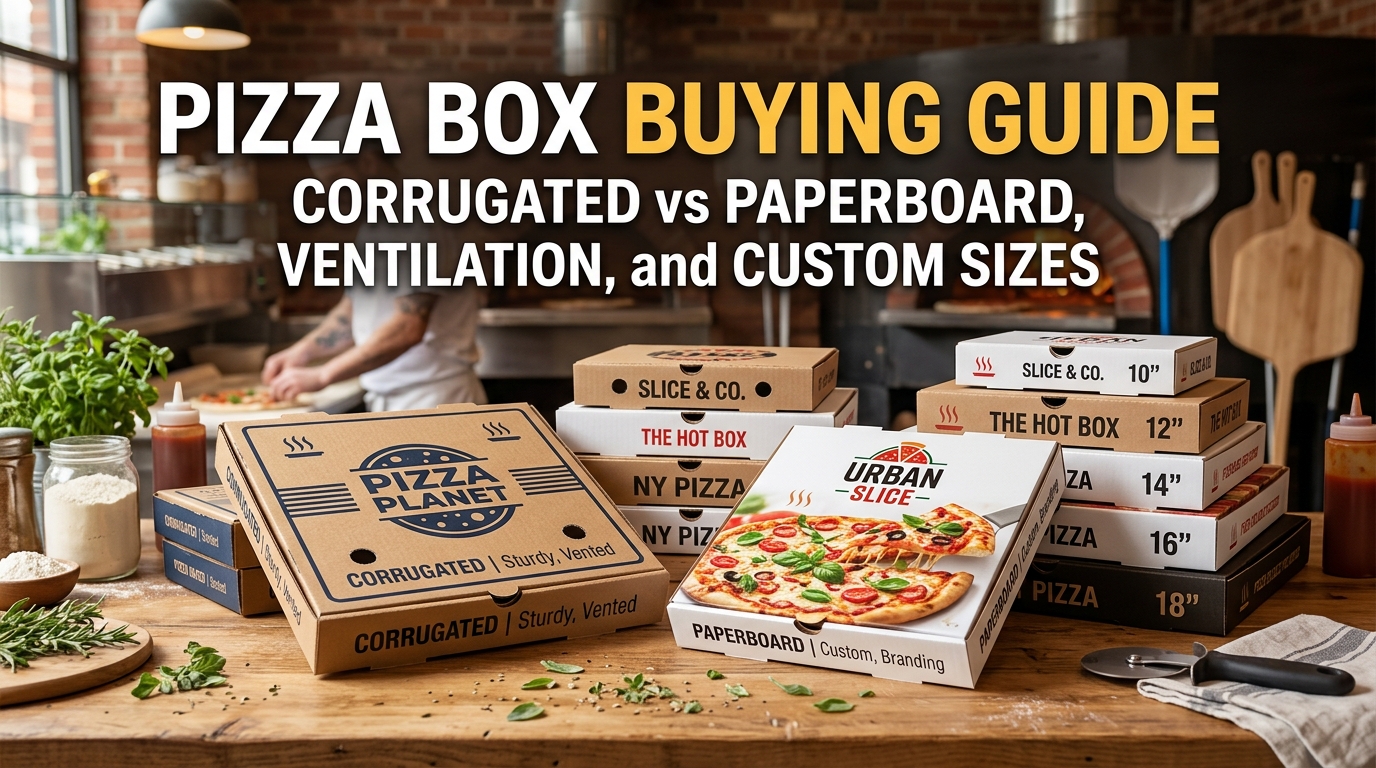


In the competitive food service industry, packaging serves two critical roles: protecting the product and promoting the brand. For restaurants, deli chains, and food distributors, soup represents a unique packaging challenge. It requires containers that can withstand high temperatures, resist grease and moisture, and maintain structural integrity during delivery, all while acting as a mobile billboard for your business. Sourcing custom soup containers wholesale is not just about finding the lowest price; it is about finding a balance between material performance, print quality, and supply chain reliability.
This comprehensive guide is designed for procurement officers, restaurant owners, and packaging distributors who need to navigate the technical and logistical aspects of ordering custom printed soup bowls and containers. We will cover material specifications, coating technologies for leak resistance, printing methods, and the essential steps to ensure a smooth ordering process.
Why Custom Printed Soup Containers Are a Strategic Investment
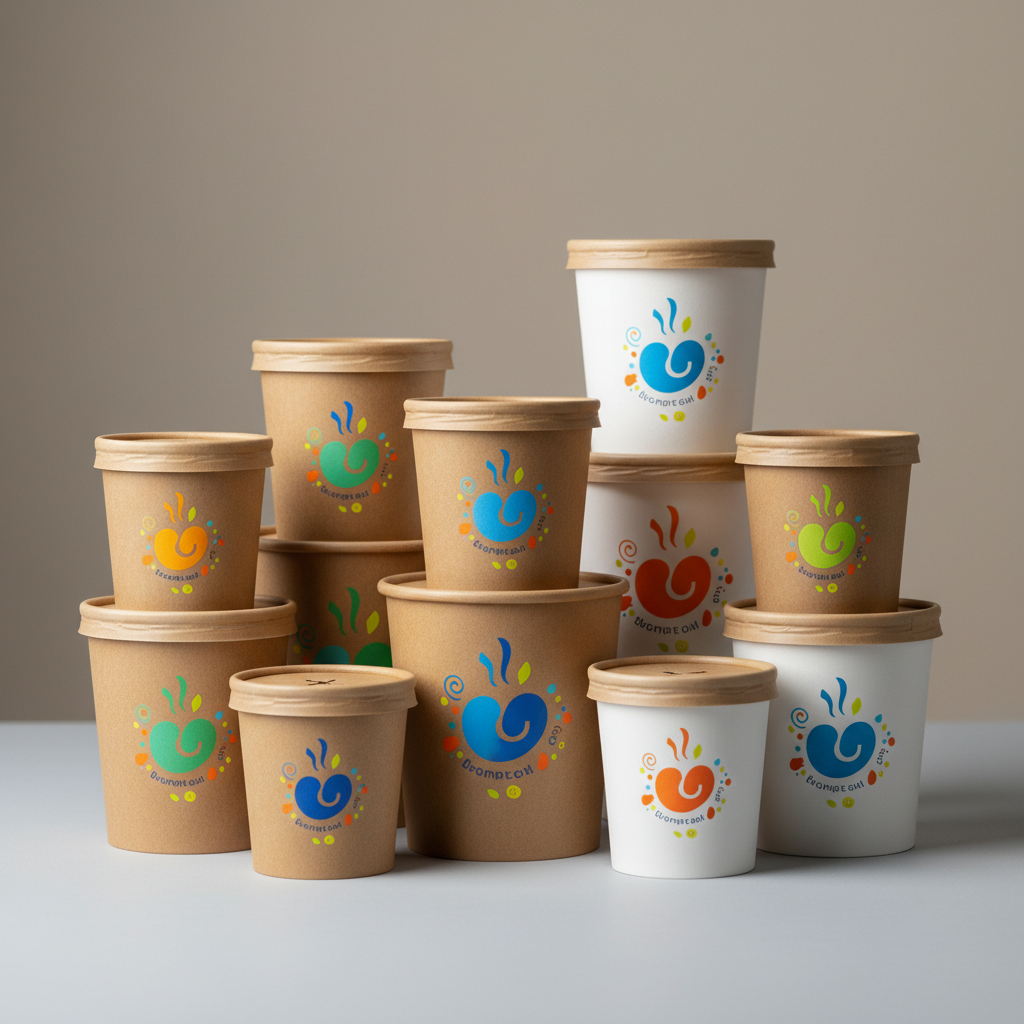
Packaging is often the first physical touchpoint a customer has with your brand outside of your restaurant. Generic white containers represent a missed opportunity for brand reinforcement. Custom printing transforms a functional item into a marketing asset.
Brand Visibility and Recall
Every time a customer carries a branded soup container back to their office or home, they are displaying your logo to potential new customers. High-quality printing suggests high-quality food. Investing in custom soup containers ensures that your brand aesthetic—colors, fonts, and messaging—is consistent across all customer interactions.
Operational Efficiency and Safety
Beyond aesthetics, professional-grade soup containers are engineered for safety. They feature reinforced rims for secure lid fitment, preventing spills that can burn customers or ruin delivery orders. Customization can also include functional print elements, such as checkboxes for dietary restrictions (e.g., “Vegan,” “Gluten-Free,” “Spicy”), which helps staff avoid errors during rush hours.
Material Specifications: Understanding the Substrate
The foundation of any high-quality soup container is the paperboard. Unlike cold cups, soup containers must handle heat and steam without collapsing. When evaluating suppliers, pay close attention to the paper weight and grade.
Paperboard Grades and GSM
The thickness of the paper is measured in Grams per Square Meter (GSM). For hot soup containers, a higher GSM is required compared to dry food boxes.
- Standard Heavyweight Board: Typically ranges from 280gsm to 350gsm. This provides the rigidity needed to hold heavy liquids like chowders or stews without the sidewalls bowing.
- Virgin Kraft Paper: Known for its strength and eco-friendly appearance. Unbleached kraft paper is popular for brands emphasizing natural or organic ingredients. It has long fibers that offer excellent tear resistance.
- White Bleached Board: Offers a pristine canvas for vibrant, full-color printing. If your brand colors are bright or complex, white board ensures the colors pop accurately.
Sustainability Considerations
Many buyers are now prioritizing sustainable materials. Options include FSC-certified paperboard, which ensures the wood pulp comes from responsibly managed forests. Bamboo fiber is another emerging alternative, offering a rapidly renewable resource base with similar performance characteristics to traditional wood pulp.
Coatings and Linings: The Barrier Against Leaks
Paper is naturally porous. To hold liquid, especially hot, greasy soup, the container must be lined. The choice of lining affects both performance and end-of-life disposal.
PE (Polyethylene) Lining
This is the industry standard for waterproofing. A thin layer of PE plastic is bonded to the paperboard.
- Single PE (SPE): Usually sufficient for standard hot soups. The coating is on the inside only.
- Double PE (DPE): Coated on both the inside and outside. This is recommended if the containers will be stored in freezers or refrigerators. The outer coating prevents condensation from soaking into the paper and weakening the structure.
PLA (Polylactic Acid) Lining
For brands targeting a compostable solution, PLA is a bioplastic derived from renewable resources like cornstarch. It functions similarly to PE but is designed to break down in industrial composting facilities. Note that PLA has a lower heat tolerance than PE, so it is crucial to verify the temperature rating with your manufacturer to ensure it can withstand boiling soups (typically up to 185°F/85°C).
Water-Based (Aqueous) Coatings
A newer innovation involves water-based dispersion coatings that provide grease and liquid resistance without a separate plastic film layer. These are often fully recyclable in standard paper streams, making them a highly attractive option for eco-conscious markets.
Sizing and Capacity Guide
Choosing the right size mix is essential for menu versatility. Capacities are usually measured in fluid ounces (oz). It is important to distinguish between “flush fill” (filled to the brim) and “practical fill” (leaving room for the lid).
Common Sizes and Use Cases
- 8 oz (Small): Ideal for side soups, mac and cheese, or ice cream scoops.
- 12 oz (Regular): A standard lunch portion size. Good for chowders and chili.
- 16 oz (Large): The most popular size for main-course soups or noodle dishes.
- 24 oz – 32 oz (Extra Large): Used for family-size portions, ramen, pho, or large salads.
Lid Compatibility
One of the most critical aspects of sourcing is ensuring the lid fits perfectly. A poor seal leads to leaks during delivery.
- Vented Paper Lids: These are made from the same material as the container. They often feature small pinholes to release steam. If steam cannot escape, pressure builds up inside the container, which can pop the lid off or make the container deform.
- PP (Polypropylene) Lids: Durable, heat-resistant plastic lids. They often snap on securely and are microwave-safe.
- PET Lids: Generally clearer than PP but less heat resistant. Better suited for warm or cold items, not boiling hot soups.
When browsing our cups and accessories, always check the rim diameter (e.g., 90mm, 115mm) to match containers with the correct lids.
Printing Technologies: Flexo vs. Offset
Understanding printing methods helps you manage costs and quality expectations.
Flexographic Printing
Flexo is the most common method for high-volume packaging. It uses flexible relief plates.
- Pros: Cost-effective for large runs; fast production speeds; uses food-safe water-based inks.
- Cons: Higher setup costs (plate charges); slightly lower resolution for complex gradients compared to offset.
- Best for: Simple logos, patterns, and solid colors in high volumes (e.g., 50,000+ units).
Offset Printing (Lithography)
Offset printing transfers the inked image from a plate to a rubber blanket, then to the printing surface.
- Pros: Superior image quality; sharp details; excellent for photographic images or complex designs.
- Cons: Generally more expensive per unit for smaller runs; slower process.
- Best for: Premium packaging requiring high-definition graphics.
Ink Safety
Regardless of the method, ensure your manufacturer uses food-grade, low-migration inks. These inks are formulated to ensure that no harmful chemicals leach into the food, even under high heat.
Manufacturing Quality Control
Consistent quality is non-negotiable. When vetting a supplier, inquire about their QC processes.
Leak Testing
Reliable manufacturers perform random sampling during production to test for leaks. This often involves filling containers with a liquid solution containing a dye and letting them sit for a set period to check for seepage at the bottom seams.
Rim Rolling Stiffness
The rolled rim at the top of the container provides structural rigidity. If the roll is too loose, the container will feel flimsy. If it is too tight or uneven, the lid will not seat correctly. Precision machinery is required to ensure a consistent rim diameter.
Bottom Bonding
The bottom disc of the soup container is heat-sealed to the sidewall. This bond must be robust enough to withstand the weight of the soup and the heat, which can soften some adhesives. Thermal bonding (melting the PE lining) is the standard method for creating a leak-proof seal.
Buying Guide: How to Order Wholesale
Navigating the procurement process requires attention to detail. Here is a step-by-step guide to ordering your custom packaging.
1. Determine Your Minimum Order Quantity (MOQ)
Custom printing requires setting up production lines, which incurs fixed costs. Therefore, manufacturers set MOQs.
- Low Volume: Some digital printing options allow for runs as low as 1,000 units, but the cost per unit is high.
- Standard Wholesale: Typical MOQs for flexo printing range from 10,000 to 30,000 units per size. This offers a much better price point.
- High Volume: Orders over 100,000 units unlock the lowest pricing tiers.
2. Prepare Your Artwork
You will need vector files (AI, EPS, or PDF) of your logo and design. Manufacturers provide a “dieline” or template for your designer to work with. Keep in mind:
- Bleed Area: Extend background colors beyond the cut line to avoid white edges.
- Safe Zone: Keep critical text and logos away from the very bottom (where the cup is sealed) and the rim.
- Curved Distortion: Because the container is conical, the artwork must be warped (conical distortion) on the flat template so it looks straight when the cup is formed. Experienced manufacturers can help adjust this.
3. Requesting Samples
Before committing to a full run, ask for:
- Stock Samples: To test the material quality and lid fit.
- Digital Proofs: A PDF showing how your design looks on the dieline.
- Pre-production Samples: A physical prototype of your custom design (this usually incurs a significant fee and adds time, but is worth it for very large orders).
4. Lead Times and Logistics
Production times vary based on factory load and complexity. Standard lead times might be 3–5 weeks post-approval, plus shipping time. Ocean freight is the most cost-effective for bulk orders but requires planning 4–6 weeks in advance. Air freight is faster but significantly more expensive.
For detailed steps on initiating your order, visit our how to order page.
Common Pitfalls to Avoid
- Ignoring Lid Fit: Never assume a generic lid will fit a custom container. Always buy lids and containers from the same source or verify specifications (e.g., 115mm diameter) precisely.
- Overlooking Storage Space: 50,000 soup cups take up significant warehouse space. Ensure you have the logistics to receive pallets.
- Forgetting the Bottom: You can often print on the bottom of the container too—a great spot for barcodes, recycling info, or a hidden message.
Frequently Asked Questions (FAQ)
1. Can these containers go in the microwave?
Standard paper containers with PE lining are generally microwave-safe for reheating (short durations). However, containers with metallic foil stamping cannot be microwaved. Always confirm the specific temperature rating with the manufacturer.
2. Are the containers freezer-safe?
Yes, but for freezing, we recommend Double PE (DPE) coating. This protects the paper from moisture on both the inside and outside, preventing the container from becoming soggy when thawing.
3. What is the difference between hot cups and soup containers?
Soup containers typically have a wider mouth (bowl shape) to accommodate spoons and solid ingredients. They are also usually made of heavier board to withstand the weight of dense foods like chili or curry.
4. How do I know if the lids will stay on tight?
Look for “rolled rims” that are smooth and consistent. Request samples to perform a “shake test” with water to ensure the lid snaps on securely and doesn’t leak.
5. Can I print full-color photos on the containers?
Yes, using offset printing allows for photographic quality. Flexographic printing is better suited for logos and vector graphics with fewer colors.
6. Are your containers recyclable?
Containers with standard PE lining can be recycled in facilities that have the capability to separate the plastic from the paper. PLA-lined containers are compostable in industrial facilities. Check local regulations in your target market.
7. What is the typical lead time for a custom order?
After artwork approval, production typically takes 20-30 days. Shipping times depend on your location and chosen freight method (sea vs. air).
Get Started with Custom Packaging
Elevating your brand with custom soup containers is a proven way to increase customer loyalty and perceived value. Whether you are a small chain looking to scale or a large distributor seeking a reliable partner, getting the specs right is the first step.
Ready to explore your options? Contact our team today to discuss your project requirements, or request a quote to see how we can support your business with high-quality, custom-printed packaging solutions.