

Why Custom Plastic Cups Are Vital for Beverage Brands
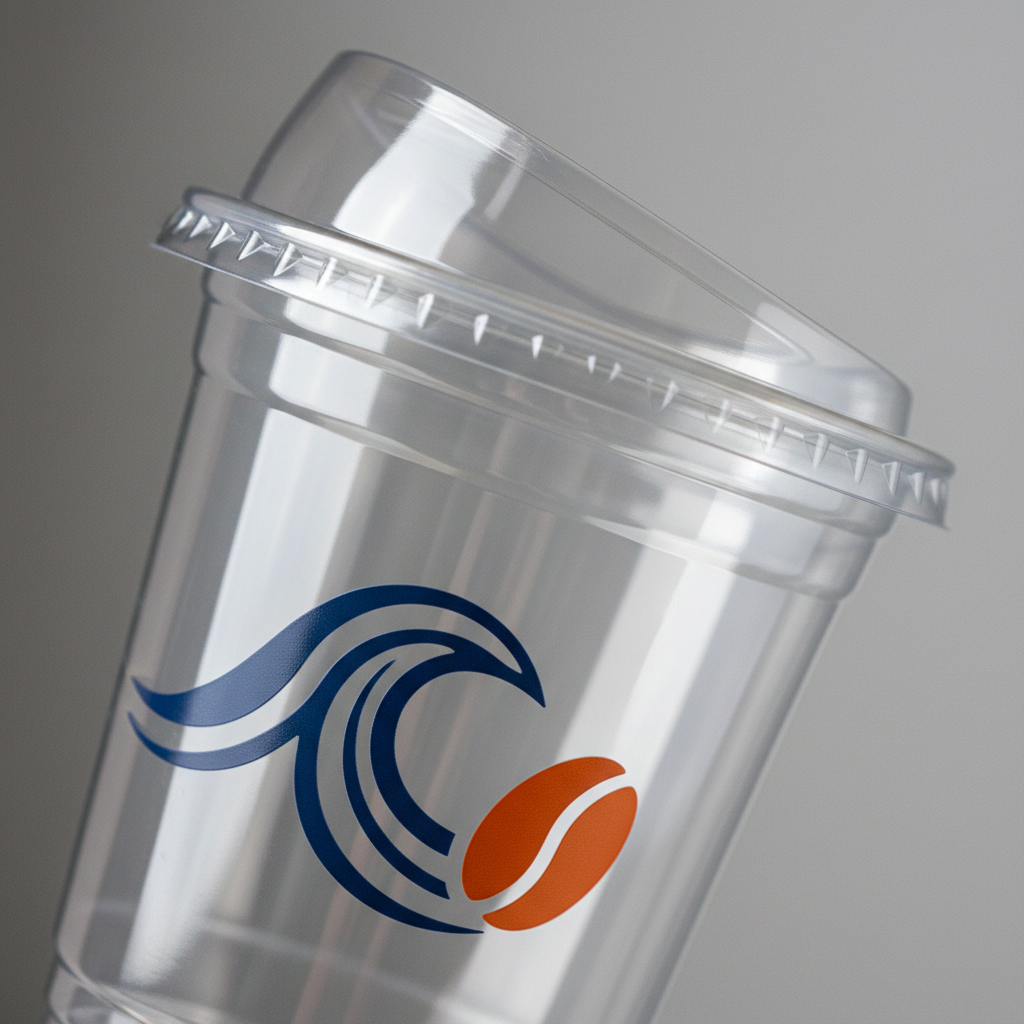
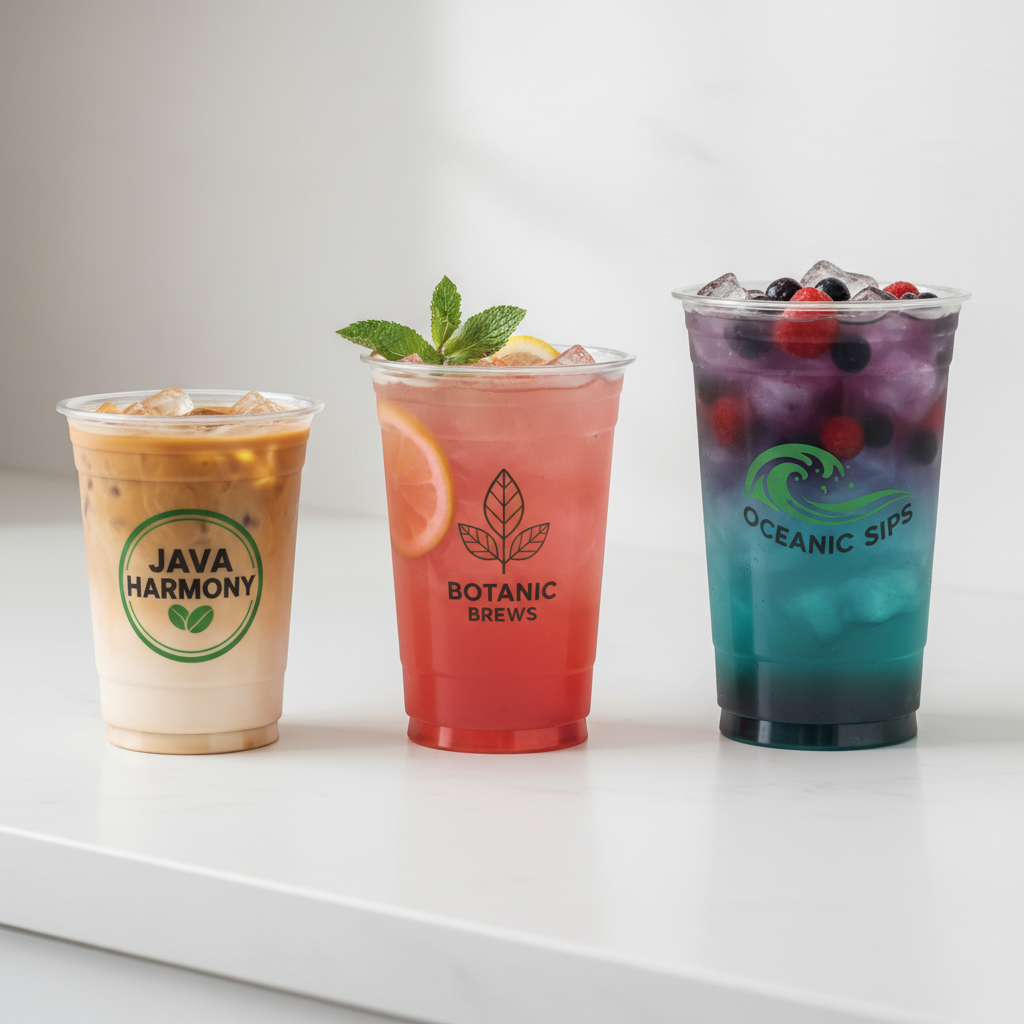
In the competitive food and beverage industry, packaging is more than just a vessel; it is a mobile billboard. For coffee shops, bubble tea chains, juice bars, and restaurants, custom plastic cups serve as a primary touchpoint with customers. When a customer walks out of your store holding a drink featuring your vibrant logo, they become a brand ambassador.
Buying wholesale plastic cups is a strategic decision that balances cost-efficiency with brand visibility. However, navigating the technical specifications—ranging from material properties (PET vs. PP) to printing methods and lid compatibility—can be complex for procurement managers and business owners. Choosing the wrong material can lead to cracked cups, while incorrect artwork specifications can result in poor print quality.
This comprehensive guide explores everything you need to know about sourcing custom plastic cups in bulk. We will cover material science, printing technologies, sizing standards, and the logistical considerations of ordering wholesale.
1. Material Selection: PET vs. PP Plastic Cups
The first decision in the buying process is selecting the right resin. The two most common materials for cold beverage cups are Polyethylene Terephthalate (PET) and Polypropylene (PP). Understanding the difference is crucial for functionality and customer experience.
PET Cups (Polyethylene Terephthalate)
PET is the gold standard for clear cold cups. It is widely used for smoothies, iced coffees, sodas, and juices.
- Clarity: PET offers glass-like transparency. This high visibility enhances the visual appeal of colorful drinks like bubble tea or layered parfaits.
- Rigidity: These cups are durable and crack-resistant, providing a premium feel in the hand.
- Recyclability: PET is the most widely recycled plastic globally (Resin Code #1), making it a preferred choice for brands focusing on circular economy practices.
- Temperature: strictly for cold beverages. PET will deform if exposed to high heat.
PP Cups (Polypropylene)
PP cups are versatile and often more cost-effective. They are translucent (hazy) rather than crystal clear.
- Heat Resistance: PP has a higher melting point. While primarily used for cold drinks, it can withstand warmer temperatures better than PET.
- Flexibility: PP is softer and more flexible. It is less likely to crack under pressure but feels less rigid than PET.
- Sealing: PP is the standard material for “sealing film” machines often used in bubble tea shops. PET cups generally cannot be sealed with standard heat-seal films; they require snap-on lids.
If your business relies on heat-sealing machines, you likely need PP cups. If you prioritize showcasing the visual layers of a premium beverage, PET is the superior choice. Explore our range of cups and accessories to find the material that fits your operational flow.
2. Printing Technologies for Custom Branding
High-quality printing transforms a commodity item into a brand asset. When ordering plastic cups wholesale, manufacturers typically use one of two primary printing methods: Dry Offset or Flexography. Understanding these helps in preparing your artwork and managing expectations.
Dry Offset Printing
Dry offset is commonly used for high-volume runs, particularly on tapered plastic containers.
- Process: The image is transferred from a plate to a rubber blanket and then to the cup.
- Pros: Extremely cost-effective for large quantities; high production speeds.
- Cons: Limited color gamut compared to digital; registration (alignment of colors) can sometimes vary slightly on complex designs.
Flexographic Printing
Flexo printing is ideal for higher detail and vibrancy on flexible materials.
- Process: Uses flexible relief plates. It can handle a wider array of ink types and often produces sharper images than dry offset.
- Application: often used for premium custom prints where logo integrity and color matching (Pantone) are critical.
Artwork Preparation Checklist
To ensure your printed plastic cups look professional:
- Vector Files: Always supply artwork in AI or EPS format. Raster images (JPG/PNG) often pixelate when curved around a cup.
- Pantone Codes: Specify PMS (Pantone Matching System) colors to ensure brand consistency.
- Distortion Correction: Cups are conical. Your manufacturer should handle the “warp” correction to ensure the logo looks straight when printed on a tapered surface.
- Safe Zones: Avoid placing critical text near the rim (where the lips touch) or the very bottom (stacking line).
3. Sizing and Capacity Specifications
Cup sizing can be confusing because “ounces” can refer to fluid ounces to the brim or practical fill capacity. Additionally, the rim diameter is the most critical metric for lid compatibility.
Common Rim Diameters
Standardizing your rim diameter allows you to use one lid size for multiple cup volumes, reducing inventory complexity.
- 98mm Diameter: The industry standard for PET cups ranging from 12oz to 24oz. This is popular among major coffee chains.
- 90mm / 92mm / 95mm Diameters: Common for PP cups, especially in the bubble tea industry. 95mm is the standard for sealing machines.
Volume Guide
- 12oz (approx. 350ml): Standard “Small” for coffee or soda.
- 16oz (approx. 475ml): The universal “Medium”. Ideally suited for iced lattes and smoothies.
- 20oz / 24oz (approx. 600-700ml): “Large” sizes. Essential for slushies, milkshakes, and extra-large sodas.
Always request samples to test the actual fill line versus the flush fill (brim) capacity. You can contact our team to request a sample kit to verify sizes before placing a bulk order.
4. Lid Options and Accessories
A cup is useless without a secure lid. Leak resistance depends entirely on the precision of the cup’s rolled rim and the lid’s fit.
Flat Lids
Best for sodas and iced tea. Usually features an X-slot for a straw.
Dome Lids
Essential for drinks with toppings, such as whipped cream on frappes or foam on bubble tea. The extra headspace prevents spills and preserves the drink’s presentation.
Sip Lids (Strawless)
Growing in popularity due to environmental concerns regarding straws. These lids have a raised spout, similar to a hot cup lid, but designed for cold beverages.
5. Manufacturing and Quality Assurance
When sourcing from a plastic cups manufacturer, quality control (QA) is paramount. Poorly manufactured cups can stick together (blocking), crack during transport, or leak.
Key Quality Metrics
- Wall Thickness Consistency: Ensures the cup doesn’t collapse when gripped.
- Rim Rolling: A smooth, tightly rolled rim is necessary for lid rigidity and comfortable drinking.
- Denesting: Cups must separate easily. Manufacturers use silicone or specific stacking designs to prevent cups from locking together, which slows down service speed.
- Leak Testing: Random samples should be tested with standard lids to ensure a snap-tight fit.
6. Wholesale Buying Guide: MOQs and Logistics
Purchasing bulk plastic cups requires planning around lead times and storage.
Minimum Order Quantity (MOQ)
Custom printing involves setup costs (plate making, machine calibration). Therefore, MOQs for custom printed cups are typically higher than plain stock.
- Stock Cups: Low MOQs, often by the case.
- Custom Printed: MOQs usually start at 10,000 to 50,000 units depending on the number of colors and cup size.
Lead Times
Production time for custom orders generally ranges from 4 to 8 weeks, depending on the season and factory capacity. Shipping (especially international sea freight) adds additional time. It is advisable to order seasonal packaging (e.g., summer smoothie cups) at least 3 months in advance.
Storage and Logistics
Plastic cups are lightweight but voluminous. Freight costs are calculated based on dimensional weight. Maximizing container space is key to reducing unit costs. Ensure your warehouse has sufficient racking for palletized cup cases.
For detailed guidance on logistics and timelines, please review our how to order page.
7. Environmental Considerations
Sustainability is a major concern for modern buyers. While plastic is often scrutinized, PET and PP are highly recyclable.
- rPET (Recycled PET): Cups made from post-consumer recycled plastic. This reduces the need for virgin resin.
- Proper Disposal: Encouraging customers to recycle cups ensures the material stays in the circular economy.
Frequently Asked Questions (FAQ)
1. Can I print on the bottom of the cup?
Printing is typically restricted to the sidewalls. The bottom of the cup usually contains mold marks, resin codes (e.g., #1 PET), and manufacturing info, making it unsuitable for branding.
2. What is the difference between spot color and full-color printing?
Spot color uses specific premixed inks (Pantone) for each color in your logo (e.g., 1-4 colors). Full-color (process) printing blends CMYK to create photographic images. Spot color is standard for cup printing as it offers sharper lines and consistency.
3. Do your cups fit standard sealing machines?
If you use a sealing machine, you generally need PP cups with a 95mm diameter flat rim. PET cups are not compatible with standard heat-sealing films. Please verify your machine specs before ordering.
4. Are the inks food-safe?
Yes, reputable manufacturers use food-grade, UV-cured, or water-based inks that comply with international food safety standards. The ink is applied to the exterior and does not come into direct contact with the beverage.
5. Can I mix different cup sizes in one custom order to meet MOQ?
Typically, MOQs apply per cup size because each size requires a different production mold and printing plate setup. However, we can discuss flexible options for large wholesale contracts.
6. How do I approve the design before production?
We provide a digital proof (mockup) showing the logo placement and distortion correction. Physical pre-production samples can sometimes be arranged for a fee, though digital approval is faster and industry standard.
Conclusion
Sourcing custom plastic cups wholesale is a powerful way to elevate your brand and ensure operational efficiency. By choosing the right material (PET vs. PP), understanding the printing constraints, and planning your inventory around lead times, you can secure high-quality packaging that delights your customers.
Ready to boost your brand visibility with professional beverage packaging? Request a quote today or browse our full catalog of custom plastic cups to get started.