

Introduction: The Strategic Value of Ripple Wall Cups in Food Service
In the competitive landscape of the food and beverage industry, packaging serves two critical roles: functional performance and brand communication. For coffee chains, distributors, and corporate procurement teams, selecting the right disposable cup is not merely a purchasing task—it is a decision that impacts customer safety, beverage quality, and brand perception. Among the various options available, ripple wall paper cups have emerged as a premium standard for serving hot beverages.
Unlike standard single-wall cups that require an additional cardboard sleeve (clutch) to handle boiling liquids, ripple wall cups feature a built-in insulating layer. This corrugated outer wrap creates air chambers that trap heat inside the cup while keeping the exterior cool to the touch. For high-volume cafes and distributors, this eliminates the inventory complexity of stocking separate sleeves and speeds up service times.
This comprehensive guide explores the technical specifications, material options, manufacturing processes, and purchasing considerations for ripple wall paper cups. Whether you are sourcing for a multinational chain or a local distribution network, understanding these details will help you make informed procurement decisions.
1. Technical Structure: How Ripple Wall Insulation Works
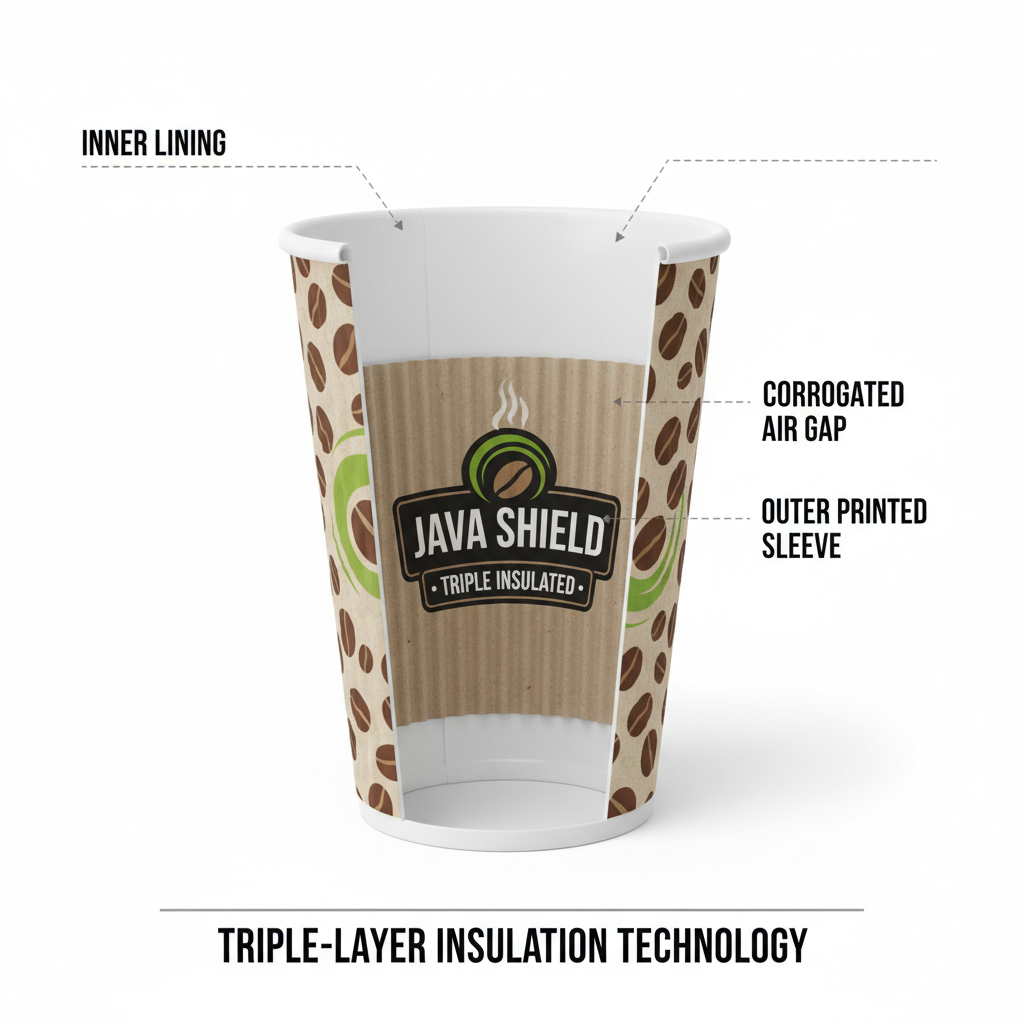
To evaluate the quality of a ripple cup, buyers must understand its multi-layer construction. The superior insulation is achieved through a specific engineering process that bonds three distinct layers of paper.
The Three-Layer Architecture
- Inner Layer (The Container): The foundational layer is a standard paper cup made from food-grade paperboard. This layer is coated (lined) to prevent liquid absorption.
- Middle Layer (The Air Gap): This is the defining feature. A corrugated or embossed layer of paper is wrapped around the inner cup. The "ripples" or "flutes" create physical distance between the hot liquid and the user's hand.
- Outer Layer (The Bond): In some designs, the ripple is the final outer layer. In others, a thin outer sheet bonds the ripples. However, the classic ripple cup exposes the corrugated texture, providing enhanced grip.
Thermal Thermodynamics
The air pockets trapped within the corrugation act as a thermal barrier. Air has low thermal conductivity, meaning it resists the transfer of heat. By suspending a layer of air between the inner cup wall and the customer’s fingers, the cup maintains the beverage temperature (retention) longer than a single-wall cup while ensuring the surface temperature remains comfortable (safety).
2. Material Specifications and Lining Options
When ordering cups and accessories in bulk, the choice of materials dictates the cup’s environmental footprint and performance.
Paperboard Quality and GSM
The strength of a cup is measured in GSM (Grams per Square Meter). A high-quality ripple cup typically uses:
- Inner Cup: 280gsm to 320gsm paperboard for structural rigidity.
- Corrugated Sleeve: 250gsm to 300gsm kraft or white paper.
Low-cost alternatives often reduce the GSM, resulting in "soft" cups that deform when gripped firmly. For B2B buyers, specifying a minimum total GSM ensures the product feels premium and secure in the hand.
Lining Technologies: PE vs. PLA vs. Aqueous
The lining is essential for leak proofing. There are three primary options available in the market:
- PE (Polyethylene) Lining: The traditional industry standard. It offers excellent heat sealing and leak resistance. While recyclable in specialized facilities, it is not biodegradable.
- PLA (Polylactic Acid) Lining: Derived from renewable plant starches (like corn). PLA is compostable in industrial facilities. It is the preferred choice for brands focusing on sustainability, though it can be more sensitive to extremely high heat compared to PE.
- Aqueous Coating: A newer water-based coating technology that uses significantly less polymer, making the cup easier to recycle in standard paper streams.
3. Size Guide and Capacity Standards
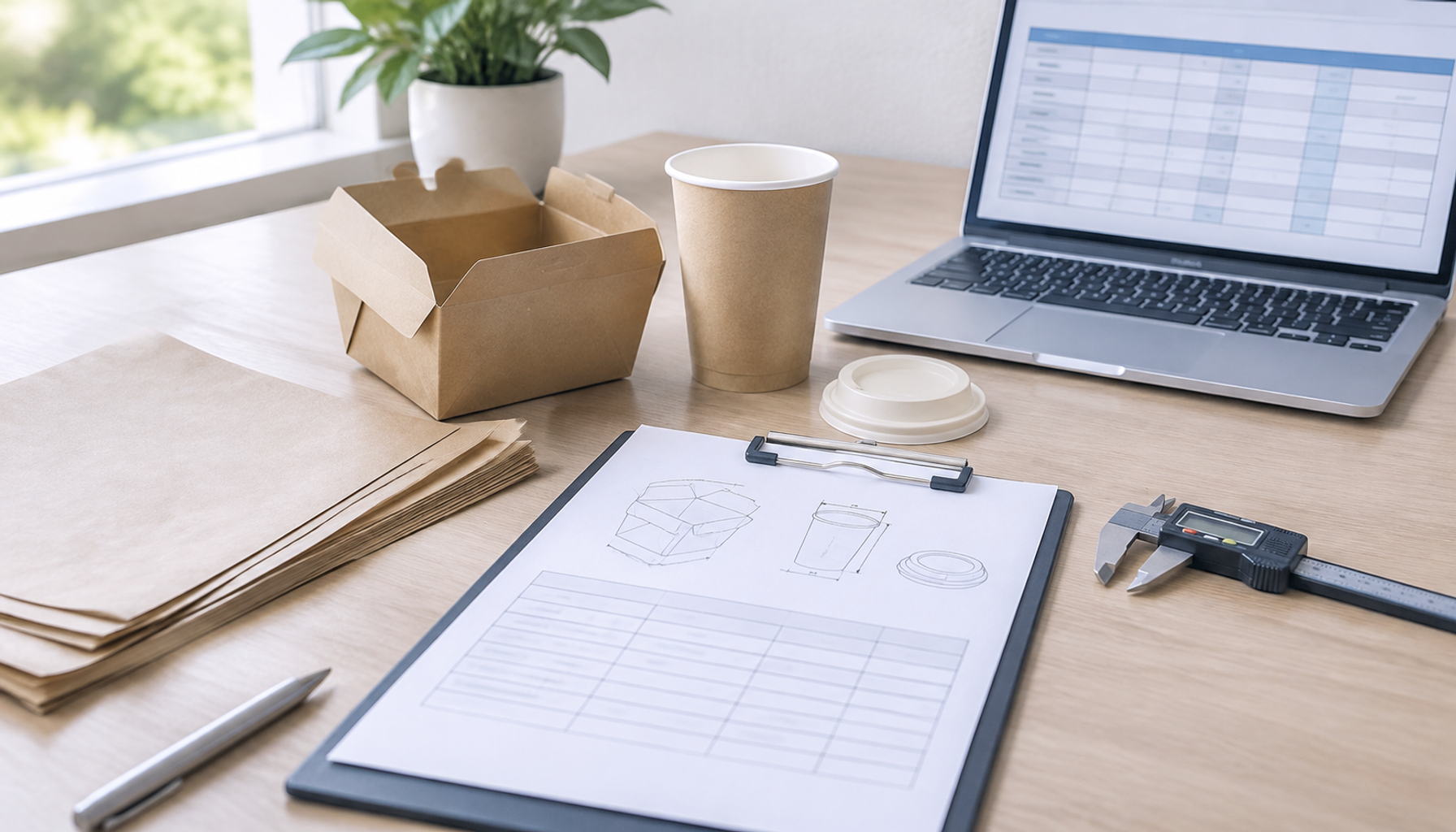
Standardization is key for distributors to ensure lids fit universally across different cup sizes. While volumes can vary slightly by manufacturer, the following are the industry norms for ripple cups.
Standard Sizes
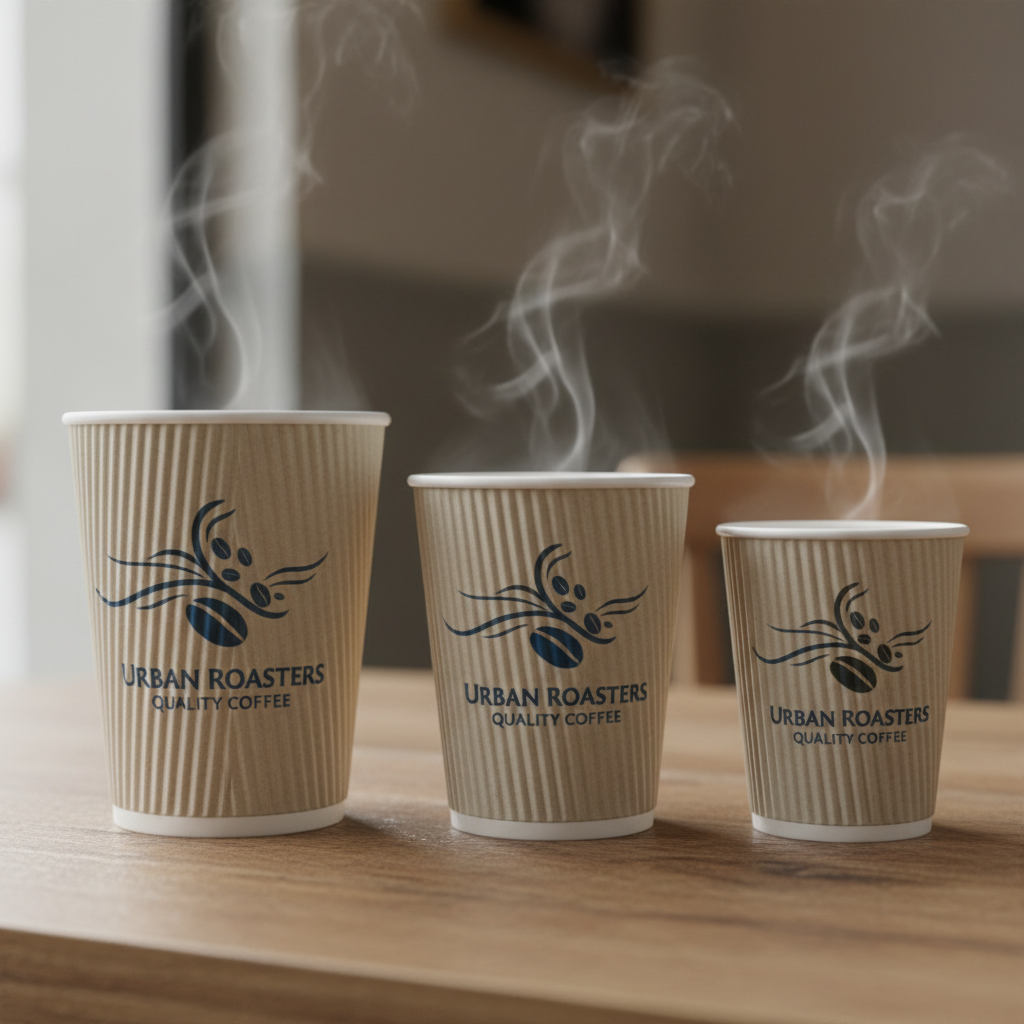
- 4 oz (approx. 110-120ml): Primarily for espresso shots and sampling.
- 8 oz (approx. 227-280ml): The standard "Small" or "Regular" for flat whites and cappuccinos.
- 12 oz (approx. 340-400ml): The most popular size, often termed "Medium" or "Tall". Ideal for lattes and teas.
- 16 oz (approx. 450-500ml): The "Large" or "Grande" size. Essential for customers who want extra volume.
- 20 oz (approx. 560-600ml): The "Extra Large", popular in North American markets.
Rim Diameters and Lid Compatibility
A critical procurement detail is the top rim diameter. To reduce SKU complexity, many manufacturers design the 10oz, 12oz, 16oz, and 20oz cups to share the same lid diameter (typically 90mm). The 8oz cup usually uses a smaller lid (80mm). Always confirm these specifications to avoid stocking incompatible lids.
4. Printing and Customization Checklist
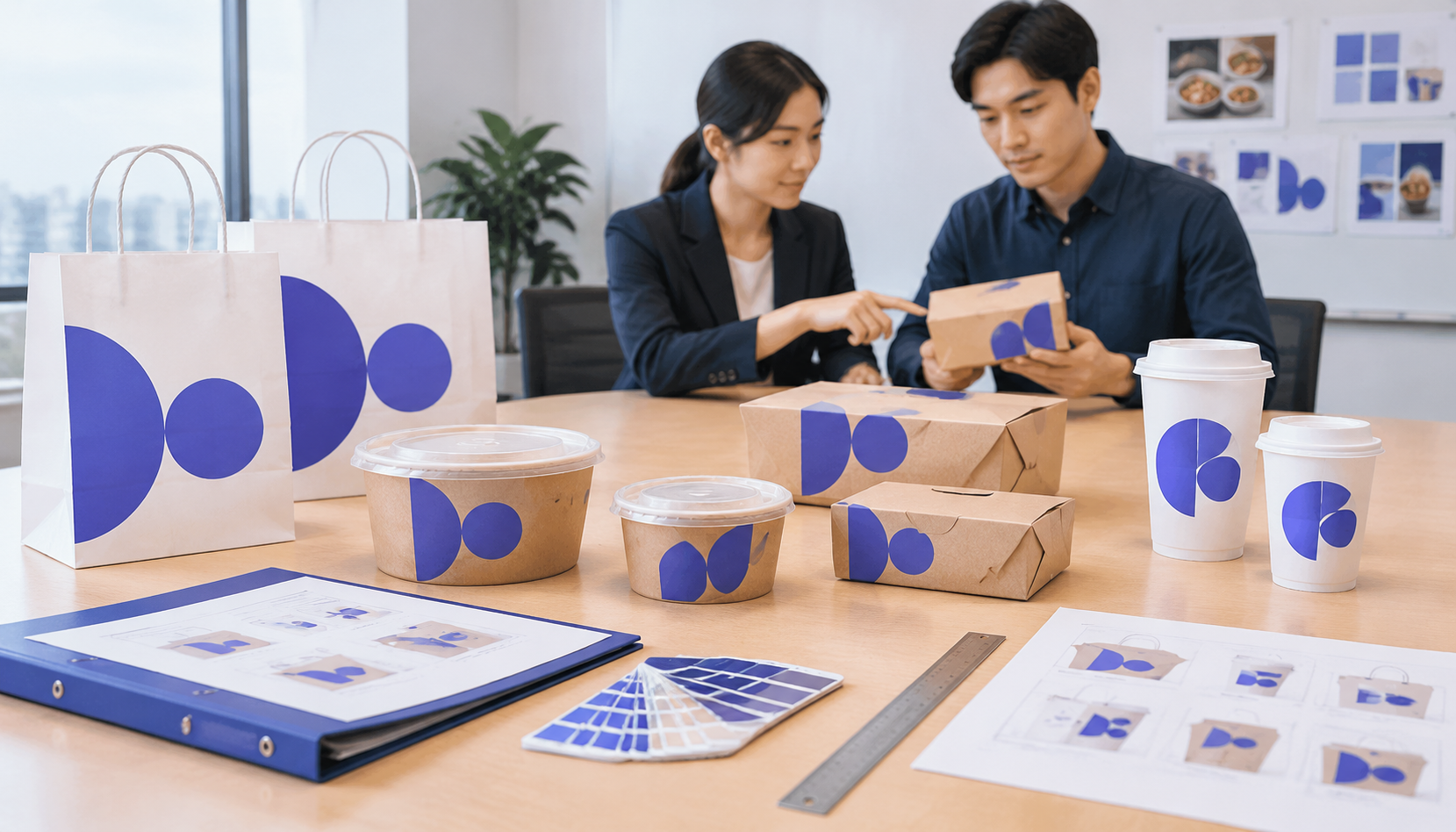
Custom branding is a primary driver for bulk orders. However, printing on ripple cups presents unique challenges and opportunities compared to smooth cups.
Printing Methods
- Flexographic Printing: Ideal for simple logos and high-volume runs. It uses flexible relief plates and is cost-effective.
- Offset Printing: Offers higher quality and detail but is generally used for smooth surfaces. For ripple cups, the print is often applied to the paper before corrugation, or the design is adjusted to accommodate the texture.
Design Considerations for Textured Surfaces
Because the outer wall is corrugated (S-flute or vertical ripple), fine text and intricate details can sometimes get lost in the texture.
Best Practice: Use bold logos and minimal text. If complex nutritional information or QR codes are required, they may need to be printed on a smooth patch or the design must be adapted to ensure readability over the ridges.
Color Matching
Ensure your supplier uses Pantone (PMS) matching. The base color of the paper (Kraft brown vs. Bleached white) affects the final ink appearance. Printing yellow ink on Kraft paper, for example, will result in a muddy brown-gold color unless a white base layer is applied first.
5. Use Cases: When to Choose Ripple Wall
Ripple wall cups are not the universal solution for every beverage, but they excel in specific scenarios.
Ideal Scenarios
- Premium Coffee Shops: The textured feel conveys quality and justifies a higher price point.
- Mobile Catering & Food Trucks: Eliminating sleeves reduces inventory items and speeds up the handover to the customer.
- Offices and Corporate Events: Safety is paramount. The high insulation reduces the risk of burns for employees carrying hot drinks to meetings.
- Winter Markets: The superior heat retention keeps drinks hot in cold outdoor environments.
Comparison: Ripple vs. Double Wall
| Feature | Ripple Wall Cup | Standard Double Wall Cup |
|---|---|---|
| Insulation | Excellent (Air pockets + Corrugation) | Very Good (Air pocket only) |
| Grip | High (Textured surface prevents slipping) | Medium (Smooth surface) |
| Print Quality | Good (Texture impacts fine detail) | Excellent (Smooth canvas for detail) |
| Cost | Generally slightly higher due to material | Moderate |
6. Manufacturing and Quality Assurance
Understanding the manufacturing process helps in auditing suppliers. Reliable production involves several key stages:
1. Base Cup Forming
The inner cup is formed on a mandrel, sealing the side seam and the bottom disc. The bottom seal is critical; leaks usually occur here if the heat sealing is insufficient.
2. Corrugation and Wrapping
The outer paper layer is fed through corrugating rollers to create the ripple effect. It is then cut and wrapped around the inner cup. The adhesive used here must be food-safe and heat-resistant so the outer layer doesn’t delaminate when hot coffee is poured in.
3. Quality Testing
A professional manufacturer will perform the following tests:
- Leak Test: Filling random samples with liquid and letting them sit for a set period.
- Rigidity Test: Compressing the cup to ensure it doesn’t collapse under normal grip pressure.
- Rim Roll Inspection: Ensuring the rim is tightly rolled to snap securely onto lids.
7. Buying Guide: Logistics and Ordering
When you are ready to place an order, whether through a standard ordering process or a custom contract, consider these logistical factors.
Minimum Order Quantity (MOQ)
For unprinted (stock) cups, MOQs can be low (e.g., 1-5 cartons). For custom printed cups, MOQs are typically higher (often starting at 10,000 to 30,000 units) to justify the setup costs of the printing plates.
Lead Times
- Sampling: Digital proofs take 1-2 days; physical samples may take 7-10 days.
- Production: Typically 15-30 days after artwork approval.
- Shipping: Depends on the destination. Ocean freight is cost-effective for bulk but requires 4-6 weeks planning.
Storage and Packaging
Ripple cups are bulkier than single wall cups. Ensure your warehousing space accounts for the larger carton volume. Check that the supplier uses strong corrugated cartons (5-ply) to prevent crushing during transit.
8. Frequently Asked Questions (FAQ)
Q1: Are ripple wall cups recyclable?
It depends on the lining. PE-lined cups require specialized recycling facilities to separate the plastic from the paper. PLA-lined or aqueous-coated cups offer better end-of-life options, such as industrial composting.
Q2: Can I use ripple cups for cold drinks?
Yes. While designed for heat insulation, the insulation works both ways—it can keep cold drinks cold longer and prevent condensation (sweating) on the outside of the cup, keeping hands dry.
Q3: Do I need a sleeve with a ripple cup?
No. The primary advantage of a ripple cup is that it eliminates the need for a separate sleeve, reducing cost per serving and storage requirements.
Q4: What file format do I need for custom printing?
Vector files (AI, PDF, EPS) are required for the highest quality. Images (JPEG, PNG) often result in pixelation when printed on packaging.
Q5: Is the ripple texture customizable?
Standard patterns include S-ripple and vertical ripple. Some manufacturers offer custom embossing patterns, but this usually requires significantly higher MOQs due to the cost of custom tooling rollers.
Q6: How do I get a quote?
To get an accurate price, you should specify the size, quantity, number of print colors, and destination. You can contact our team directly to discuss your specific requirements.
Conclusion
Ripple wall paper cups represent a convergence of functionality and marketing. They provide a superior customer experience by ensuring beverage warmth and hand safety without the clutter of extra sleeves. For B2B buyers, the key to a successful purchase lies in balancing the technical specs—like GSM and lining material—with the visual impact of the branding.
Whether you are launching a new coffee franchise or upgrading your office supplies, choosing the right ripple cup sends a message of quality. Ready to explore your options? Request a quote or sample today to see how premium packaging can elevate your brand.