

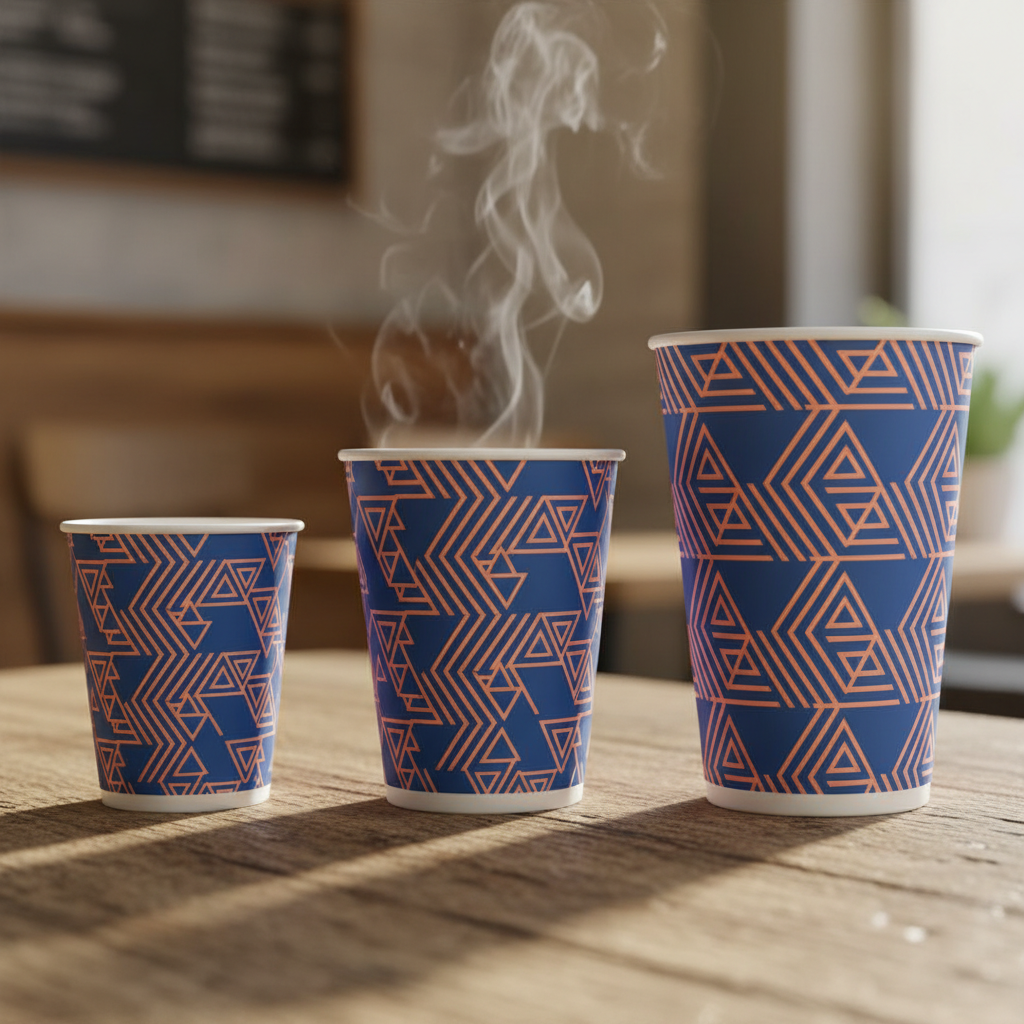
In the competitive landscape of food service and beverage retail, the humble paper cup serves two critical functions: it is a vessel for delivering product and a mobile billboard for brand identity. For businesses serving hot beverages, double wall paper cups represent the gold standard in performance and customer comfort. Unlike single wall cups that often require an additional cardboard sleeve (clutch) to handle hot liquids safely, double wall cups feature an integrated dual-layer construction with an insulating air gap.
This guide is designed for procurement officers, restaurant chain managers, and distributors seeking a deep understanding of double wall paper cup specifications. We will cover material compositions, coating technologies, sizing standards, printing options, and the logistical considerations necessary for making informed bulk purchasing decisions.
What Are Double Wall Paper Cups?
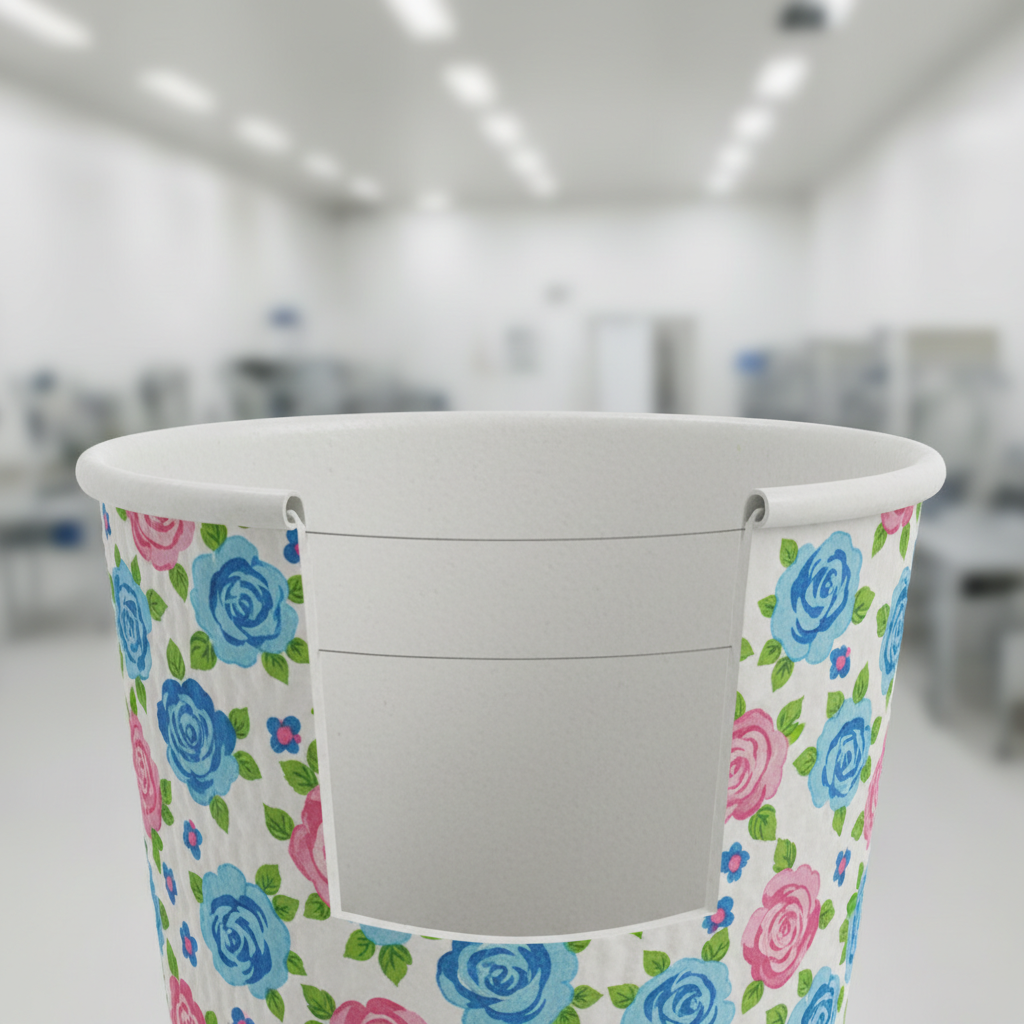
A double wall paper cup is constructed using two separate layers of paper board. The inner layer acts as the primary liquid-holding vessel, similar to a standard single wall cup. The outer layer is an additional sheet of paper wrapped around the inner cup. Crucially, these two layers are not glued flush against each other across the entire surface; they are designed to create a small insulating air pocket between them.
This air gap acts as a thermal barrier, significantly reducing heat transfer from the beverage to the consumer’s hand. This design eliminates the need for separate cup sleeves, streamlining inventory management and improving the aesthetic continuity of the branding on the cup.
Key Benefits for B2B Buyers
- Superior Insulation: Keeps drinks hot longer while keeping the exterior cool to the touch.
- Enhanced Rigidity: The dual-layer structure provides a sturdy feel, reducing the risk of the cup collapsing under grip pressure.
- Premium Branding: The outer wall provides a smooth, uninterrupted surface for high-quality printing without the visual obstruction of a sleeve.
- Operational Efficiency: Reduces SKU count by removing the need to stock and manage separate sleeves.
Material Specifications and Composition
Understanding the raw materials is essential for ensuring product quality and compliance with safety standards. A high-quality double wall cup is an assembly of specific paper grades and barrier coatings.
Paper Board Quality
The structural integrity of the cup depends on the paper weight, measured in GSM (Grams per Square Meter). A typical industrial specification for a high-quality double wall cup might look like this:
- Inner Cup: Often 230gsm to 300gsm food-grade virgin wood pulp paper. This layer must be robust enough to hold liquid without warping.
- Outer Sleeve: Typically 200gsm to 250gsm. This layer can be made from white cardboard (for vibrant printing) or Kraft paper (for a natural, rustic look).
- Total Weight: The combined weight creates a heavy-duty feel that consumers associate with premium quality.
Procurement teams should verify that the paper source is FSC-certified (Forest Stewardship Council) if sustainability is a brand priority. Virgin pulp is generally preferred for food contact safety and structural strength compared to recycled fibers, which are often reserved for non-contact outer layers or cup carriers.
Barrier Coatings: PE vs. PLA vs. Aqueous
Paper is naturally porous; without a lining, it would absorb liquid and leak. The lining material is a major factor in both performance and environmental impact.
1. Polyethylene (PE) Lining
This is the traditional industry standard. A thin layer of plastic is bonded to the inner paper layer.
- Pros: Excellent heat sealing, leak resistance, and cost-effectiveness.
- Cons: Difficult to recycle in standard facilities as the plastic must be separated from the paper.
2. Polylactic Acid (PLA) Lining
PLA is a bioplastic derived from renewable resources like corn starch.
- Pros: Industrially compostable and derived from plants.
- Cons: More sensitive to extremely high heat (though usually sufficient for coffee) and typically has a higher unit cost than PE.
3. Water-Based (Aqueous) Coatings
The newest innovation involves a water-based dispersion coating that absorbs into the paper fibers rather than sitting on top as a separate layer.
- Pros: Fully recyclable and compostable in many curbside systems.
- Cons: Availability can be limited and costs are currently higher than PE.
For businesses looking to source reliable double wall paper cups, choosing the right lining is a balance between environmental goals and budget constraints.
Size Guide: Capacity and Dimensions
Standardization is key in the beverage industry, especially regarding lid fit. Most double wall cups are designed to fit standard lid diameters (usually 80mm or 90mm) to simplify inventory.
Common Sizes and Uses
- 4oz (approx. 110ml):
- Use Case: Espresso shots, sampling cups, macchiatos.
- Typical Specs: 62mm top diameter.
- 8oz (approx. 240ml):
- Use Case: Small coffee, flat whites, cappuccinos.
- Typical Specs: 80mm top diameter. This is a universal size for “small” drinks.
- 12oz (approx. 350ml):
- Use Case: Regular coffee, lattes, tea, hot chocolate.
- Typical Specs: 90mm top diameter. This is often the highest-volume SKU for coffee shops.
- 16oz (approx. 470ml):
- Use Case: Large coffees, iced drinks (if using paper), herbal teas.
- Typical Specs: 90mm top diameter. It usually shares the same lid as the 12oz cup, which reduces lid inventory requirements.
- 20oz (approx. 590ml):
- Use Case: Extra-large options for travel or long commutes.
- Typical Specs: 90mm top diameter.
When ordering, always confirm the “brim-full” capacity versus the “practical fill” capacity. A 12oz cup might hold 13oz to the absolute brim, but is designed for a 12oz serving with room for milk foam or a lid.
Printing and Customization Options
The outer wall of a double wall cup is an ideal canvas. Because the outer layer does not come into direct contact with the beverage, there is more flexibility in paper texture and finish.
Printing Technologies
Flexographic Printing (Flexo):
Best for high-volume orders (e.g., 50,000+ units). It uses flexible relief plates. While setup costs are higher, the per-unit cost drops significantly at scale. It is excellent for simple logos and Pantone color matching.
Offset Printing:
Ideal for high-quality, photographic imagery or complex gradients. Offset printing delivers superior detail and color accuracy compared to flexo but may have higher minimums for cost efficiency.
Digital Printing:
Used for short runs or samples. It requires no plates, allowing for quick turnaround and low Minimum Order Quantities (MOQs), but the per-unit cost is higher.
Finishes and Textures
- Matte Finish: Provides a modern, sophisticated look and a non-slip texture. It is less reflective and makes text easy to read.
- Glossy Finish: Makes colors pop and appear more vibrant. It can repel minor splashes better than matte but can sometimes feel slippery.
- Kraft Finish: Uses unbleached brown paper for the outer layer. This communicates an eco-friendly, organic brand value. Note that printing colors on Kraft paper will appear darker and less saturated.
Ensure that your supplier uses food-safe, odorless inks (often soy or water-based) to prevent any chemical smell from interfering with the aroma of the coffee.
Manufacturing and Quality Assurance
For B2B buyers, understanding the manufacturing process helps in vetting suppliers. Reliable production involves several critical steps to ensure the cups don’t leak or collapse.
The Forming Process
- Printing & Die Cutting: Large rolls of paper are printed, then cut into fan shapes (blanks).
- Inner Cup Formation: The inner blank is wrapped around a mandrel and heat-sealed at the side seam. The bottom disc is punched, inserted, and heat-sealed.
- Outer Sleeve Application: The outer blank is formed and then slipped over the inner cup. It is glued at the rim and sometimes near the bottom, ensuring the air gap remains intact.
- Rim Rolling: The top edge of the inner and outer layers (or just the inner, depending on design) is rolled tightly to create a smooth lip for drinking and lid retention.
Quality Control Checkpoints
When evaluating samples from a cups and accessories supplier, check for:
- Rim Tightness: The rim should be hard and perfectly round. A soft rim leads to lid popping and spills.
- Seam Integrity: Inspect the side seam. It should be bonded securely with no loose edges.
- Leak Testing: Manufacturers should perform random batch testing with hot liquid to ensure the bottom seal holds up under thermal stress.
- Odor Test: Pour hot water into the cup, cover it for a minute, and smell the steam. There should be no smell of glue or solvent.
Use Cases Beyond Coffee
While coffee is the primary driver for double wall cups, their thermal properties make them versatile for other food service applications.
Hot Soups and Broths
Grab-and-go lunch spots often use 8oz or 12oz double wall cups for serving soups. The insulation allows customers to carry the soup back to the office without burning their hands, and the deep shape retains heat better than wide bowls.
Hot Chocolate and Mulled Wine
Seasonal markets and outdoor events favor double wall cups for very hot beverages like mulled wine. The extra insulation is crucial in outdoor winter settings where rapid cooling is a problem for single wall cups.
Premium Cold Drinks
While usually associated with heat, the air gap also prevents condensation (sweating) on the outside of the cup when holding ice-cold drinks. This keeps hands dry and prevents water rings on tables, offering a premium experience for iced lattes or craft sodas.
Buying Guide: Logistics and Ordering
Successfully procuring custom double wall cups requires attention to logistical details.
Minimum Order Quantity (MOQ)
MOQs vary by customization level. Stock white cups may have low MOQs (e.g., 1 carton), while custom printed cups often start at 10,000 to 30,000 units per size to justify the plate setup costs. Clarify these tiers with your supplier early.
Artwork Preparation
To speed up the ordering process, have your design files ready in vector format (AI or PDF). Account for the “curved” nature of the cup fan; artwork that looks straight on a flat screen will look curved when wrapped. Experienced suppliers will provide a die-line template for you to fit your artwork onto.
Lead Times and Shipping
- Production Time: typically 15–30 days after artwork approval.
- Shipping: Sea freight is the most cost-effective for bulk packaging but can take 4–6 weeks. Air freight is prohibitively expensive for low-value, high-volume items like cups unless there is an emergency.
- Storage: Paper cups are bulky. Ensure your warehouse has sufficient pallet space. 100,000 cups can take up significant volume (CBM).
Frequently Asked Questions
1. Can double wall cups be recycled?
It depends on the lining. Standard PE-lined cups require specialized recycling facilities to separate the plastic from the paper. Water-based coating cups are more widely recyclable. Always check local regulations.
2. Do I need a sleeve with a double wall cup?
No. The primary purpose of a double wall cup is to eliminate the need for a sleeve. The air pocket provides sufficient insulation for coffee served at standard temperatures (approx. 80°C – 90°C).
3. Are double wall cups microwave safe?
Generally, paper cups are not recommended for microwaving, especially if they have a PE lining, as the lining can melt or warp. Always consult the manufacturer’s specific data sheet.
4. What is the difference between “Ripple Wall” and “Double Wall”?
A ripple wall cup is a type of double wall cup where the outer layer is corrugated (rippled) for added texture and insulation. A standard double wall cup has a smooth outer layer.
5. Can I print on the bottom of the cup?
Printing on the very bottom disc is usually not possible or visible. However, custom printing is available on the entire outer wall surface.
6. How should I store paper cups?
Store them in a cool, dry place away from direct sunlight. High humidity can cause the paper to absorb moisture and become soft, while direct heat can warp the PE lining.
7. What is the shelf life of a paper cup?
If stored correctly, paper cups can last 1–2 years. Over time, the PE lining may degrade or the paper may absorb ambient moisture, affecting structural rigidity.
Conclusion
Double wall paper cups are an investment in customer experience and brand perception. By choosing the right materials, sizes, and print finishes, you ensure that your beverage is served safely and stylishly. Whether you are a coffee roaster, a corporate office manager, or a food distributor, understanding these technical details ensures you get the best value for your budget.
Ready to upgrade your beverage packaging? Contact YBJ Packing today to request a quote or get a sample of our premium double wall paper cups tailored to your brand.