

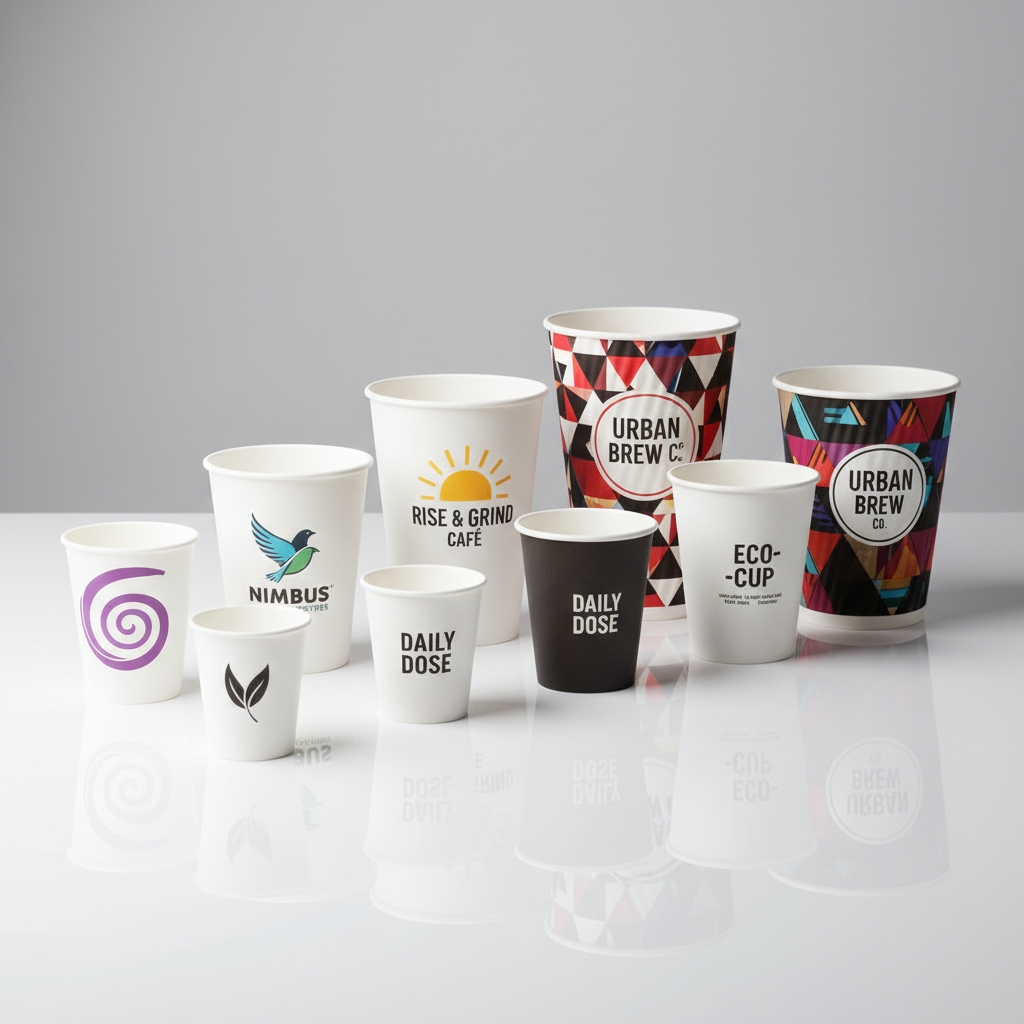
In the competitive landscape of the food and beverage industry, packaging is more than just a vessel; it is a mobile billboard, a tactile brand experience, and a critical operational component. For coffee shops, fast-food chains, and beverage distributors, sourcing custom single wall paper cups wholesale is a strategic decision that balances cost, functionality, and marketing impact.
Single wall paper cups remain the industry standard for a wide variety of beverages, particularly cold drinks, espresso shots, and events where cost-efficiency is paramount. However, navigating the technical specifications—ranging from paper weight (GSM) and polyethylene (PE) coatings to flexographic printing nuances—can be complex for procurement officers and business owners.
This comprehensive guide explores every aspect of manufacturing, designing, and ordering printed single wall cups. Whether you are scaling up operations or launching a new beverage line, understanding these technical details ensures you receive a product that performs on the production line and delights the end consumer.
Understanding Single Wall Construction: The Basics
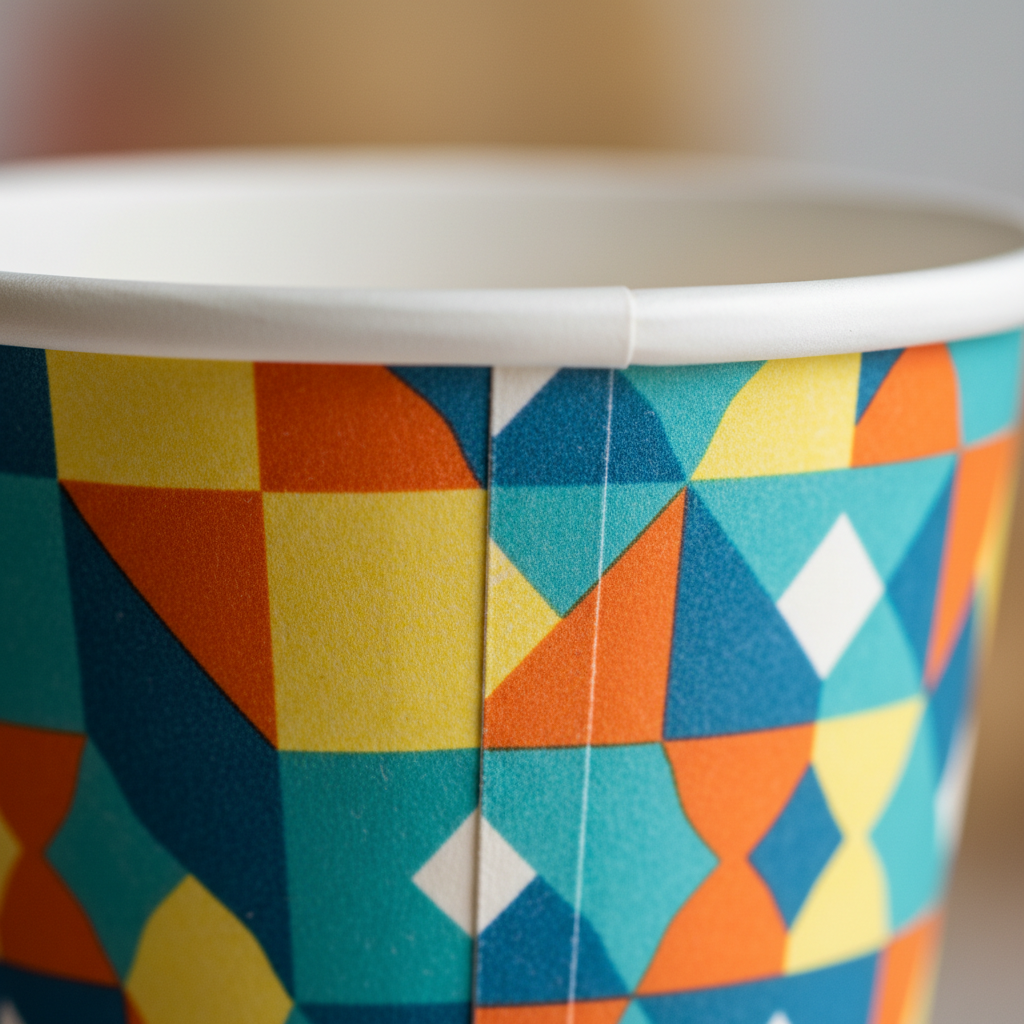
Before diving into customization, it is essential to understand the engineering behind a single wall cup. As the name suggests, these cups are constructed from a single layer of paperboard. This simplicity makes them lightweight, stackable, and cost-effective, but it also dictates their best use cases.
Structure and Mechanics
A standard single wall cup consists of two main components:
- The Sidewall: A die-cut piece of paperboard rolled into a frustum (conical) shape and sealed at the side seam.
- The Bottom Disc: A circular paper piece sealed to the sidewall to form the base.
The rim is rolled at the top to provide rigidity and a secure fit for lids. The structural integrity depends heavily on the quality of the paperboard and the precision of the forming machinery. High-quality cups use long-fiber virgin paperboard or robust recycled blends that resist collapsing when gripped.
Single Wall vs. Double Wall: When to Choose Which?
While double wall cups offer built-in insulation, single wall paper cups are the preferred choice for:
- Cold Beverages: When paired with a double-sided PE coating (explained below), they are ideal for sodas, iced coffees, and milkshakes.
- Cost-Sensitive High Volume: For events, water coolers, or quick-service restaurants, the lower unit cost of single wall cups provides significant savings.
- Use with Sleeves: For hot coffee, many cafes prefer stocking single wall cups and using cardboard sleeves (clutches) only when necessary. This reduces inventory complexity and material waste for customers who don’t require extra insulation.
Material Specifications: Paper and Coatings
The performance of a paper cup is defined by its raw materials. When ordering wholesale, specifying the right materials is crucial to prevent leaks, soggy cups, and customer dissatisfaction.
Paper Weight (GSM)
Paper thickness is measured in Grams per Square Meter (GSM). A higher GSM indicates a thicker, sturdier cup. If the GSM is too low, the cup will feel flimsy and hot to the touch; if it is too high, it increases costs unnecessarily.
- 4oz – 6oz Cups: Typically use 190gsm to 230gsm paper. These are small cups for espresso or sampling, requiring less structural rigidity.
- 8oz – 12oz Cups: Typically use 260gsm to 300gsm. This is the standard range for regular coffee servings.
- 16oz – 22oz Cups: Typically use 300gsm to 350gsm. Larger volumes of liquid exert more pressure on the sidewalls, requiring heavier board to maintain shape.
Barrier Coatings: PE, PLA, and Aqueous
Paper is naturally porous. To hold liquid, it must be coated. The type of coating affects both functionality and environmental footprint.
1. Single PE Coating (1PE)
Standard hot cups usually have a polyethylene (PE) coating on the interior only. This prevents the liquid from soaking into the paper. The exterior remains uncoated paper, which provides a good surface for printing.
2. Double PE Coating (2PE)
For cold drinks, condensation forms on the outside of the cup. If the exterior is uncoated paper, this condensation will turn the cup soggy and weak. Double PE coated cups have plastic lining on both the inside and outside. This protects the structural integrity of the cup against external moisture (sweat) from iced beverages.
3. PLA and Water-Based Coatings
For brands focused on sustainability, Polylactic Acid (PLA)—a bioplastic derived from cornstarch—can replace PE. Alternatively, aqueous (water-based) dispersion coatings are gaining popularity as they are easier to recycle in standard paper streams. Always verify the availability of these materials with your supplier if sustainability is a core brand value.
Sizing Guide and Capacity Standards
Cup sizes can vary slightly between manufacturers, but international standards generally follow ounce (oz) measurements. When planning your inventory, consider the complete range of cups and accessories to ensure lid compatibility.
Common Dimensions (Estimates)
Note: Always request a template or spec sheet from the manufacturer before designing, as mold sizes vary.
- 4oz (approx. 118ml): Espresso shots, sampling. Top Diameter: ~60-62mm.
- 8oz (approx. 230ml): Small coffee, cappuccino. Top Diameter: ~80mm or 90mm. (Note: 80mm is common for a tighter profile; 90mm allows one lid size to fit 8oz, 12oz, and 16oz cups, simplifying inventory).
- 12oz (approx. 340ml): Regular coffee, soda. Top Diameter: ~90mm.
- 16oz (approx. 450ml): Large coffee, soft drinks. Top Diameter: ~90mm.
- 20oz/22oz (approx. 600ml+): Extra-large beverages. Top Diameter: ~90mm.
Pro Tip: Standardization of rim diameter (e.g., ensuring 12oz, 16oz, and 20oz all use a 90mm lid) significantly reduces operational headaches and storage requirements for lids.
Printing Technologies for Custom Branding
The primary reason to order custom single wall paper cups wholesale is branding. The cup is a 360-degree canvas. Understanding printing methods helps you manage costs and quality expectations.
Flexographic Printing (Flexo)
Flexo is the industry standard for high-volume cup manufacturing. It uses flexible relief plates (like a rubber stamp) to transfer ink onto the paper roll before it is cut and formed.
- Pros: Extremely cost-effective for large runs; food-safe water-based inks are standard; high production speed.
- Cons: Higher setup costs (plate charges); lower resolution compared to offset; limitations on gradients and complex shadows.
- Best For: Simple logos, solid colors, patterns, and orders exceeding 50,000 units.
Offset Printing (Lithography)
Offset printing transfers an inked image from a plate to a rubber blanket, then to the paper. It is often used for high-end packaging.
- Pros: Superior image quality; sharp details; smooth gradients; accurate photographic reproduction.
- Cons: Generally more expensive per unit than flexo; longer setup times.
- Best For: Premium brands, intricate artwork, photographic designs, and medium-sized runs.
Color Management: CMYK vs. Pantone (PMS)
To ensure brand consistency, you must define your color strategy.
- CMYK (4-Color Process): Uses Cyan, Magenta, Yellow, and Black dots to create images. Best for photos or multi-colored illustrations.
- Spot Colors (Pantone/PMS): Uses pre-mixed specific inks. This is critical for corporate logos where the “Coke Red” or “Starbucks Green” must be exact every time. Flexo printing often utilizes up to 6 spot colors.
Design and Pre-Press Checklist
Designing for a curved surface requires technical know-how. A flat rectangular image will look distorted when wrapped around a conical cup. Follow this checklist to ensure your artwork is production-ready:
- Use the Correct Template: Never design on a flat rectangle. Ask your supplier for the specific fan-shaped dieline (keyline) for the cup size you are ordering.
- Curved Distortion: The artwork must be “warped” in the design software to appear straight once the cup is formed. Professional manufacturers will often handle this pre-press step for you, but you must provide editable files.
- Vector Files: Always supply logos and text in vector formats (AI, EPS, PDF). Raster images (JPG, PNG) will pixelate and look blurry on print.
- Bleed Area: Extend your background color or pattern 3-5mm beyond the cut line (the bleed) to account for slight movements during die-cutting. This prevents white gaps at the seams.
- The “Cup Bottom” Gap: Remember that cups are stacked. The bottom 10-15mm of the design might be obscured by the cup holder or the stacking line. Place critical logos in the upper or middle section of the cup.
Manufacturing and Quality Assurance
Reliable wholesale suppliers implement rigorous Quality Assurance (QA) protocols. When evaluating a partner, ask about their testing procedures.
Leak Testing
Manufacturers should perform random sampling to test for leaks. This often involves filling cups with a test liquid (sometimes containing a dye) and letting them sit for a set period to ensure the bottom seal and side seam are impermeable.
Rim Rolling Consistency
The rim must be tightly rolled. A loose rim can cause lids to pop off, leading to spills and burns. Automated camera inspection systems in modern factories check rim diameter and roundness.
Odor and Taste Testing
Food-grade paper and inks must not impart any odor or taste to the beverage. This is particularly important for hot coffee, where steam can release volatile compounds from low-quality inks. Ensure your supplier uses food-safe, low-migration inks compliant with FDA or EU regulations.
Buying Guide: Logistics and Ordering
Sourcing bulk single wall paper cups involves logistical planning. Here is how to navigate the ordering process effectively.
Minimum Order Quantity (MOQ)
Custom printing requires setting up plates and machinery, which incurs fixed costs. Therefore, MOQs are standard.
- Low Volume (1,000 – 5,000): Often produced digitally or via generic print runs. Unit costs are higher.
- Standard Wholesale (10,000 – 50,000): The “sweet spot” for small chains. Flexo printing becomes viable.
- High Volume (100,000+): unlocks the lowest unit prices and custom sizing options.
Lead Times
Custom manufacturing is not instantaneous. Typical timelines include:
- Design Approval: 1-3 days.
- Production: 15-25 days depending on factory load.
- Shipping: 4-6 weeks for ocean freight (international), or 1-2 weeks for air freight (expensive).
Always plan 2-3 months ahead of your actual need date, especially for seasonal promotions (e.g., Christmas cups).
Storage and Warehousing
Paper cups are bulky. A single pallet can hold roughly 20,000 to 30,000 cups depending on size. Ensure you have adequate warehousing space or negotiate split-shipment deals with your distributor.
Sustainability Considerations
Modern consumers are eco-conscious. While standard PE-lined cups are recyclable in specialized facilities, they are not universally recyclable in curbside bins. To address this:
- Encourage Disposal in Dedicated Bins: If you operate a closed-loop environment (like a cafeteria), collecting cups separately improves recycling rates.
- Choose Certified Paper: Look for FSC (Forest Stewardship Council) certified paperboard to ensure the wood pulp comes from responsibly managed forests.
- Explore Alternatives: Ask your supplier about water-based coatings that facilitate easier repulping.
Frequently Asked Questions (FAQ)
1. Can I use single wall cups for boiling hot tea?
Yes, but the surface will become very hot. It is highly recommended to use a corrugated cup sleeve (clutch) or double-cup the beverage to protect the customer’s hands. Alternatively, consider double wall cups for very hot liquids.
2. What is the difference between matte and glossy finish?
This depends on the paper and coating. Glossy finishes usually result from the PE coating or a specific varnish, making colors pop and resisting stains. Matte finishes offer a more natural, organic look and texture, often preferred by specialty coffee roasters.
3. How do I know if my artwork is good enough for printing?
Submit your vector files to the supplier’s design team. They will check resolution and color separation. If you are unsure, visit our ordering process page for file guidelines.
4. Do you supply lids that fit these cups?
Yes. Lids are standard accessories. It is crucial to match the lid diameter (e.g., 80mm or 90mm) to the cup. Most suppliers sell compatible lids in black or white, with various spout designs.
5. What is the shelf life of paper cups?
If stored in a cool, dry place away from direct sunlight, paper cups can last 1-2 years. High humidity can soften the paperboard over time, so proper warehousing is key.
6. Can I print on the bottom of the cup?
Printing on the very bottom disc is possible but rare and often not visible. However, printing inside the cup is generally avoided due to food safety regulations regarding ink contact with the beverage.
7. Are there setup fees for custom printing?
Yes, flexographic printing involves a one-time plate charge per color. If you reorder the exact same design later, you typically do not pay the plate charge again.
Conclusion
Custom single wall paper cups are a staple of the food service industry, offering a perfect blend of utility and branding potential. By selecting the right paper weight, coating, and print quality, you ensure your brand is represented professionally in every customer’s hand.
Whether you need a high-volume run for a franchise or a specialized batch for a promotional event, attention to detail in the specification phase will save costs and ensure product performance. Ready to elevate your beverage packaging? Contact our team today to request a quote or get a sample kit tailored to your needs.