

In the competitive landscape of frozen yogurt, ice cream, and dairy retail, packaging does more than just hold the product. It is the primary physical touchpoint between your brand and your customer. For wholesale buyers, procuring custom yogurt containers is a strategic balance between aesthetic appeal, material performance, and cost-efficiency. Whether you are a frozen yogurt franchise, a gelato distributor, or a dairy manufacturer, understanding the technical specifications of wholesale packaging is essential to protecting your product and promoting your brand.
This comprehensive guide explores the critical factors involved in sourcing custom yogurt containers wholesale. We will cover material differences, printing technologies, sizing standards, and the logistical considerations that ensure your supply chain runs smoothly.
The Strategic Value of Branded Yogurt Packaging
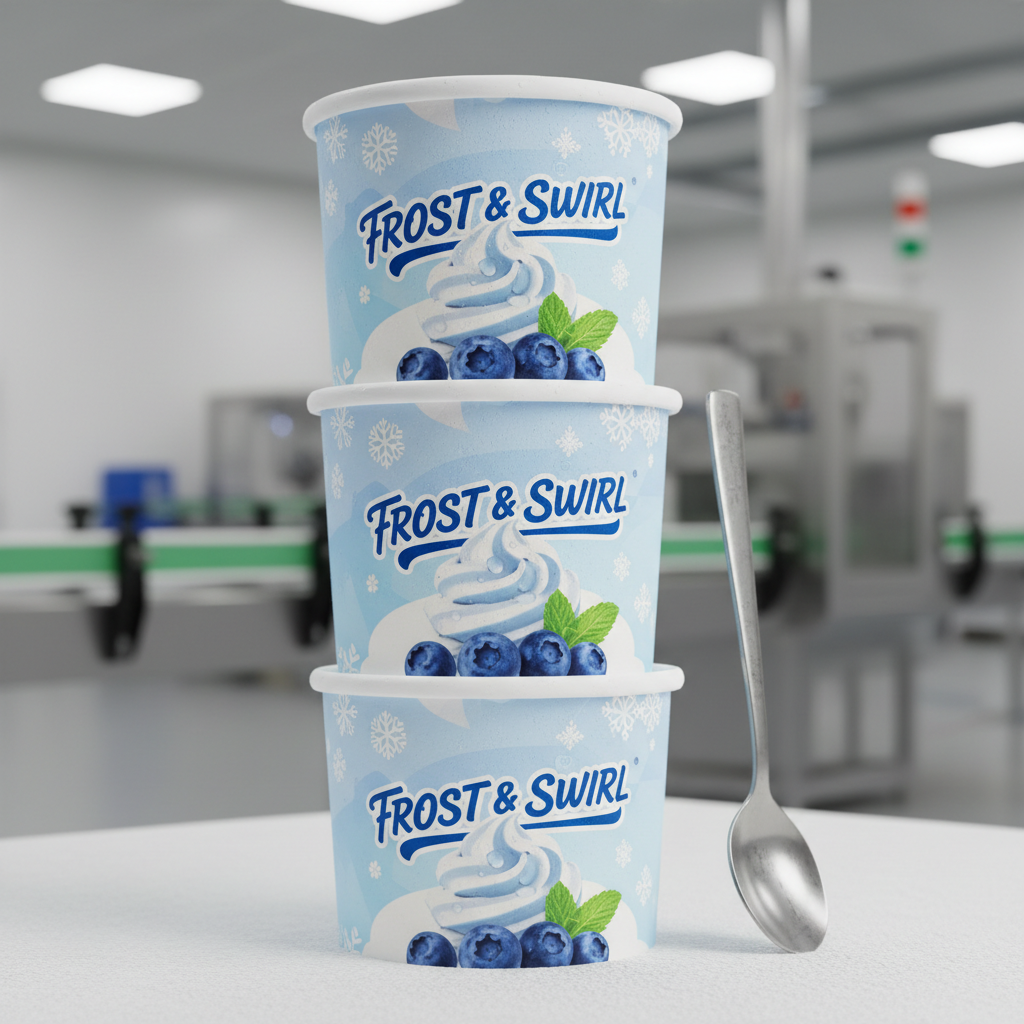
Why invest in customization? In the food service industry, unbranded or generic packaging represents a missed marketing opportunity. Every cup carried out of a store is a walking advertisement. High-quality printing and sturdy construction signal product quality before the customer even tastes the contents.
Furthermore, functional packaging reduces operational costs. Containers that stack well save storage space. Lids that fit securely prevent leaks and waste. When sourcing yogurt containers in bulk, these micro-efficiencies add up significantly over thousands of units.
1. Material Selection: Paper vs. Plastic
The first decision in the procurement process is selecting the base material. The choice between paper and plastic depends on the product type (frozen vs. refrigerated), desired shelf life, and sustainability goals.
Paper Containers (PE and PLA Lined)
Paper cups are the industry standard for frozen yogurt and scoop shops. They offer excellent printability and a tactile feel that consumers associate with premium quality.
- Single PE Coating: Suitable for dry or semi-dry contents. However, for frozen yogurt, condensation is a major factor.
- Double PE Coating: This is the recommended standard for frozen desserts. Polyethylene (PE) coating on both the interior and exterior prevents the paper from becoming soggy due to external condensation (sweating) and internal moisture. It ensures the cup remains rigid throughout consumption.
- PLA Lining: For brands focused on eco-friendly messaging, Polylactic Acid (PLA) is a plant-based alternative to PE. It offers similar moisture barriers but is compostable in industrial facilities.
Plastic Containers (PP and PET)
Plastic containers are often preferred for pre-packaged retail yogurt found in supermarket fridges due to their sealability and transparency options.
- Polypropylene (PP): Durable, microwave-safe (though not usually relevant for yogurt), and resistant to fats and oils. It is often used for injection-molded tubs.
- PET (Polyethylene Terephthalate): Known for high clarity. If you want the layers of a parfait or fruit toppings to be visible, PET is the superior choice. It is also widely recyclable.
For most food-service applications focusing on immediate consumption (like froyo shops), double-PE coated paper is the dominant choice due to its insulation properties and vibrant print surface.
2. Technical Specifications and Sizing
Ordering the wrong size or rim diameter is a common pitfall in wholesale purchasing. Standardization helps in sourcing compatible lids and managing portion control.
Standard Capacities
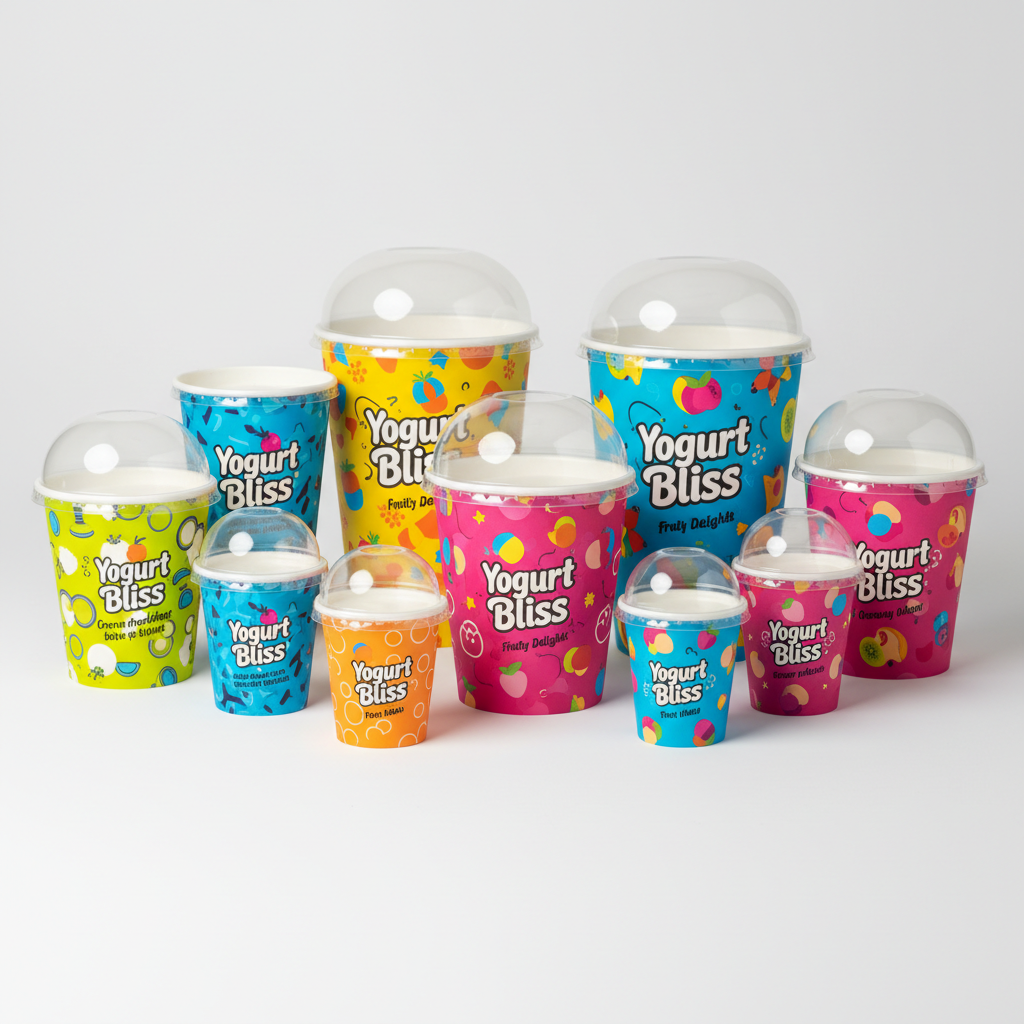
Wholesale manufacturers typically offer a range of sizes measured in ounces (oz) or milliliters (ml). Common sizes include:
- Small (3oz – 5oz): Ideal for samples, kid sizes, or rich gelato portions.
- Medium (6oz – 10oz): The standard serving size for frozen yogurt and ice cream.
- Large (12oz – 16oz): Used for “to-go” packs or large sundaes with heavy toppings.
- Bulk/Take-home (20oz – 32oz): Requires thicker paperboard (higher GSM) to support the weight.
Rim Diameter and Lid Compatibility
A critical spec to check is the rim diameter. Many manufacturers standardize diameters across multiple cup sizes (e.g., 8oz, 12oz, and 16oz cups might all share a 90mm rim). This allows you to stock one lid size for multiple cup sizes, simplifying inventory management.
When browsing food containers, always verify the millimeter (mm) measurement of the rim to ensure a leak-proof snap fit with your lids.
3. Printing Technologies for Custom Branding
The quality of print on your yogurt container can elevate your brand’s perceived value. Understanding the printing methods helps in preparing artwork and managing expectations regarding minimum order quantities (MOQs).
Offset Printing
Offset printing is widely used for high-volume paper cup production. It delivers high image quality and accurate color reproduction. It is cost-effective for large runs but involves setup costs that make it less suitable for small trial orders.
Flexographic Printing
Flexo is ideal for simple designs, logos, and solid colors. It uses flexible relief plates and fast-drying inks. It is efficient for massive quantities and food-safe water-based inks are commonly used in this process.
UV Printing & Spot Finishes
For a premium look, some suppliers offer UV spot finishes (glossy areas on a matte cup) or gold foil stamping. These techniques add texture and visual depth, making the packaging stand out on social media feeds.
Artwork Preparation Checklist
To ensure your custom yogurt containers look exactly as envisioned, follow these prep steps:
- Vector Files: Always supply logos in AI, EPS, or PDF formats. Raster images (JPG/PNG) may pixelate when printed on a curved surface.
- CMYK vs. Pantone: Specify Pantone (PMS) codes for brand colors to ensure consistency across different batches.
- Bleed Lines: Ensure background graphics extend beyond the trim line to avoid white edges during the cutting process.
- Curved Distortion: Remember that artwork is printed on a flat fan-shaped sheet which is then rolled into a cone/cup shape. Professional designers or factory templates will account for this distortion.
4. Lids: The Critical Companion
A yogurt container is incomplete without a functional lid, especially for takeout orders. Lids must be matched precisely to the container’s rim roll.
Dome Lids vs. Flat Lids
- Dome Lids: Essential for frozen yogurt and ice cream with toppings (fruit, candy, whipped cream) that extend above the rim. They also offer visibility of the product.
- Flat Lids: Used for storage, transport, or products that are filled level with the brim. They are easier to stack in delivery bags.
Material Options for Lids
Lids are typically made from PET (clear and recyclable) or PP (durable). Recently, paper lids have entered the market for brands seeking a 100% plastic-free packaging solution. If choosing paper lids, ensure they have adequate moisture resistance to prevent warping.
5. Durability and Grease Resistance
Yogurt, especially varieties with high fat content or added syrups, requires packaging that resists grease absorption. Standard paper cups can absorb fats, leading to unsightly staining on the exterior.
The Solution: Ensure your manufacturer uses high-quality food-grade paperboard with an effective barrier coating. For heavy syrups or acidic fruit toppings, a double-PE coating is non-negotiable to maintain structural integrity over time. Ask your supplier about the GSM (Grams per Square Meter) of the paperboard; higher GSM means a thicker, sturdier cup that won’t collapse when held firmly.
6. Wholesale Ordering Logistics
Navigating the supply chain for custom packaging requires planning. Here is what buyers need to know about the ordering process.
Minimum Order Quantities (MOQ)
Custom printing inherently requires higher MOQs than plain stock. Factories need to create printing plates and set up machinery. Typical MOQs for custom printed cups might range from 10,000 to 50,000 units depending on the complexity and factory size. Understanding this helps in budgeting and storage planning.
Lead Times
Custom production is not instant. The timeline typically looks like this:
- Design Approval (3-5 days): Finalizing digital proofs.
- Production (15-25 days): Printing, cutting, forming, and packing.
- Shipping (Variable): Sea freight for international bulk orders can take 30-45 days. Air freight is faster but significantly more expensive.
Buyers should plan inventory at least 2-3 months in advance to avoid stockouts.
Storage and Warehousing
Bulk paper cups should be stored in a cool, dry environment. High humidity can affect the paperboard and cause cups to warp or stick together. Ensure your warehouse has pallets to keep cartons off the floor.
7. Quality Assurance and Compliance
When importing or buying food packaging, safety is paramount. Reputable manufacturers adhere to strict quality control protocols.
- Food Grade Certification: Materials must meet FDA or EU food safety standards. This includes the paper pulp and the inks used for printing.
- Leak Testing: Factories should perform random sampling to test seam integrity and rim rolling quality.
- Odor Testing: High-quality food packaging should be odorless. Low-quality inks or adhesives can impart a chemical smell to the food, ruining the customer experience.
8. How to Choose the Right Supplier
Selecting a partner for your packaging needs is as important as the product itself. Look for suppliers who offer:
- Sample Availability: Always request physical samples before placing a full order to check the sturdiness and print finish.
- Design Support: Suppliers who provide templates and design advice can prevent costly printing errors.
- Transparent Communication: Clear updates on production status and shipping are vital for your operations.
If you are ready to explore specific options, you can visit our guide on how to order to understand the workflow from inquiry to delivery.
9. Sustainability Trends in Yogurt Packaging
Consumer demand for sustainable packaging is reshaping the industry. Brands are increasingly moving away from virgin plastic toward:
- Recycled PET (rPET): utilizing post-consumer waste.
- FSC-Certified Paper: Ensuring the wood pulp comes from responsibly managed forests.
- Compostable Coatings: Using aqueous or PLA coatings instead of traditional PE, allowing cups to be composted in commercial facilities.
Adopting these materials can be a strong selling point for your brand, differentiating you in a crowded market.
Frequently Asked Questions (FAQ)
1. What is the difference between single and double PE coating?
Single PE coating is applied only to the inside of the cup to prevent leaking. Double PE coating is applied to both the inside and outside. The outer layer protects the paper from condensation (sweating) which is common with frozen contents like yogurt, keeping the cup firm and dry.
2. Can I print photos on my yogurt cups?
Yes, modern offset and digital printing techniques allow for photographic quality (CMYK) prints. However, vector graphics are generally preferred for sharpness. High-resolution images (300dpi) are required for photo printing.
3. Do you sell lids that fit these containers?
Yes, suppliers typically provide matching lids (dome or flat) made from PET, PP, or paper. It is crucial to order lids and cups from the same supplier or verify the exact rim diameter (e.g., 95mm) to ensure a secure fit.
4. What is the standard lead time for a custom order?
After artwork approval, production usually takes 3-4 weeks. Shipping time depends on your location and method (sea vs. air). It is best to start the process 8-10 weeks before you need the stock.
5. Are the inks used food safe?
Yes, reputable manufacturers use food-grade, low-migration inks compliant with international food safety regulations. Always ask for compliance documentation if needed.
6. Can I get a physical sample before ordering 50,000 cups?
Most suppliers offer stock samples (cups printed for other clients) so you can test the quality and size. A custom-printed proof of your specific design is possible but often incurs a high setup fee due to the machinery involved.
7. How do I determine the right size for my shop?
Consider your pricing strategy and average serving size. A standard “Regular” is often 8oz or 10oz. Weigh a typical serving of your product to see which volume fits best, leaving room for toppings.
Conclusion
Sourcing custom yogurt containers wholesale is a detailed process that directly impacts your brand’s image and operational efficiency. By choosing the right materials (like double-PE paper for frozen treats), ensuring accurate sizing, and investing in high-quality printing, you create a packaging experience that delights customers and protects your product.
Ready to elevate your brand with professional packaging? We are here to help you navigate the options and deliver high-quality solutions tailored to your business needs. If you have questions about specs or want to start a project, please contact our team today.