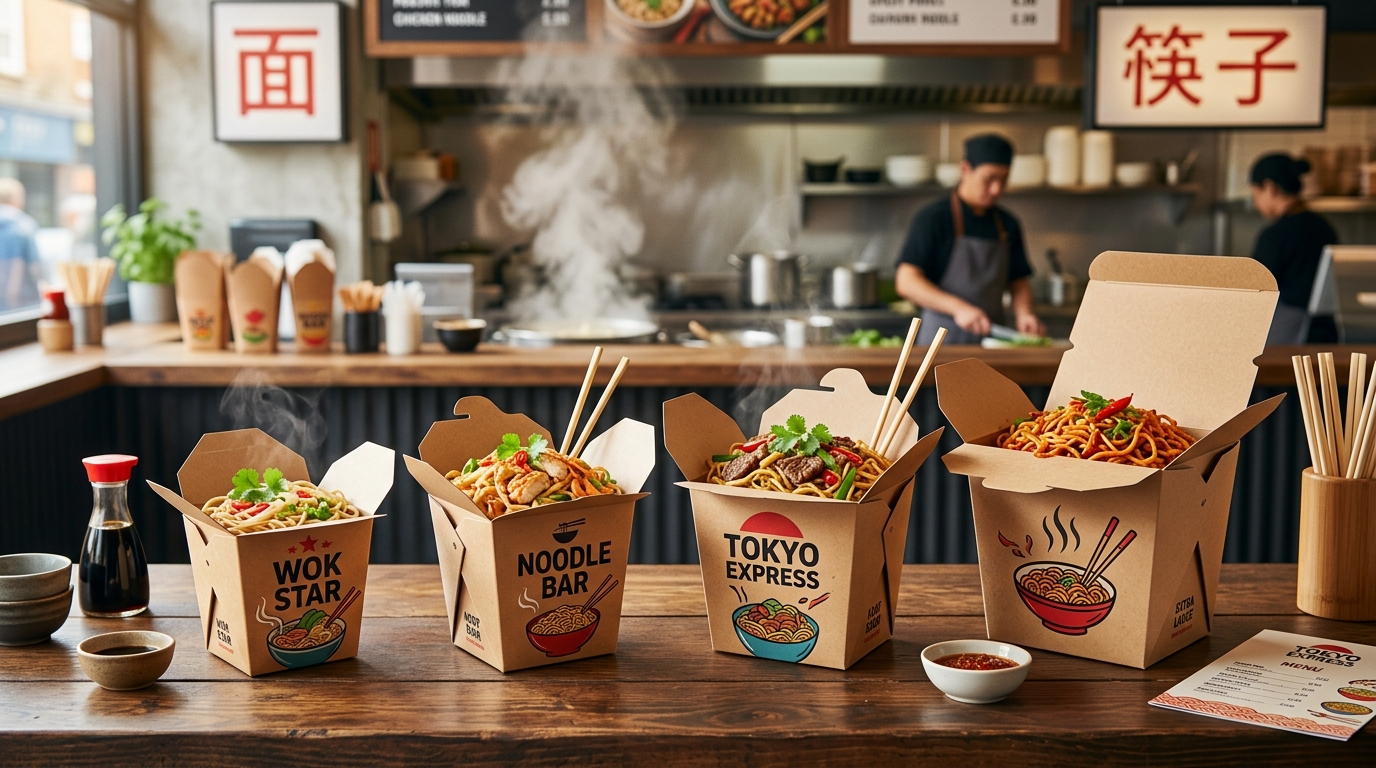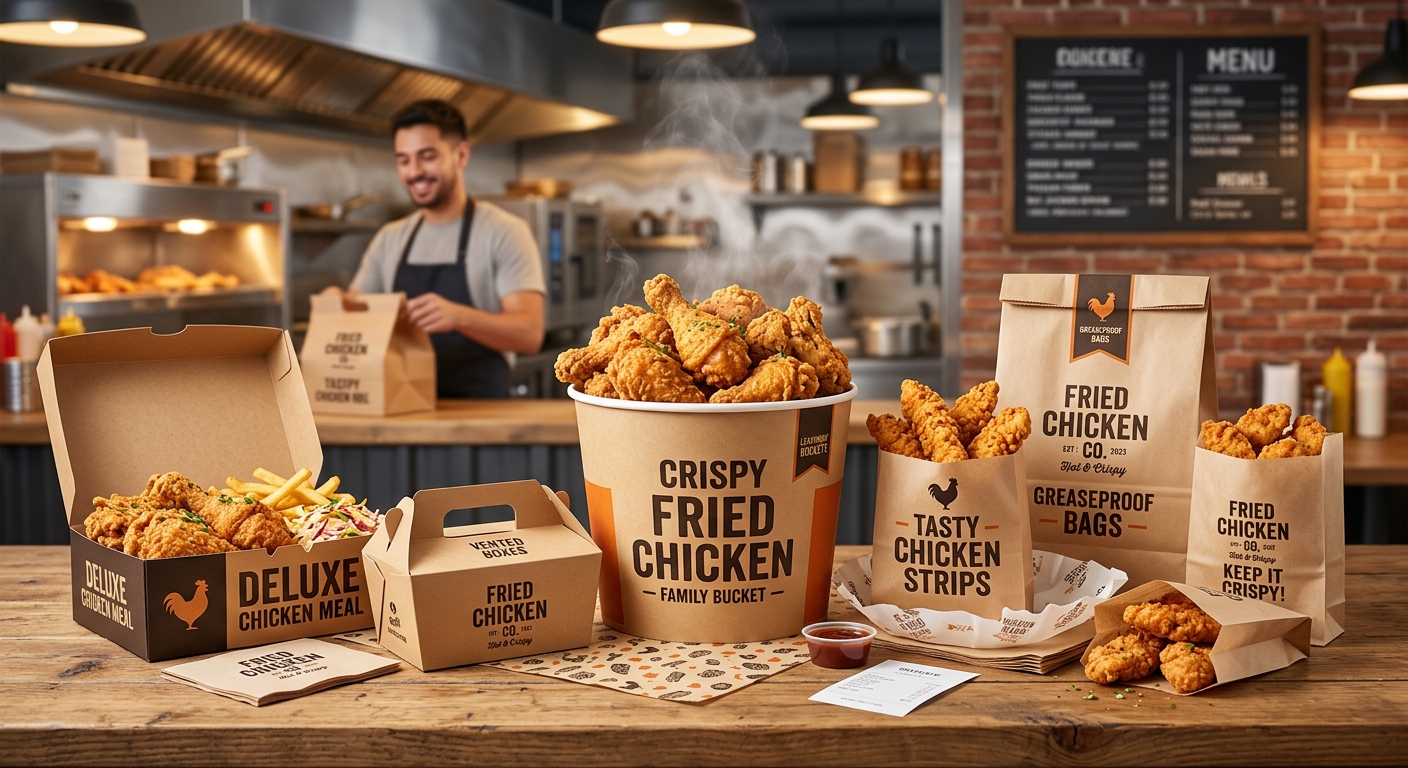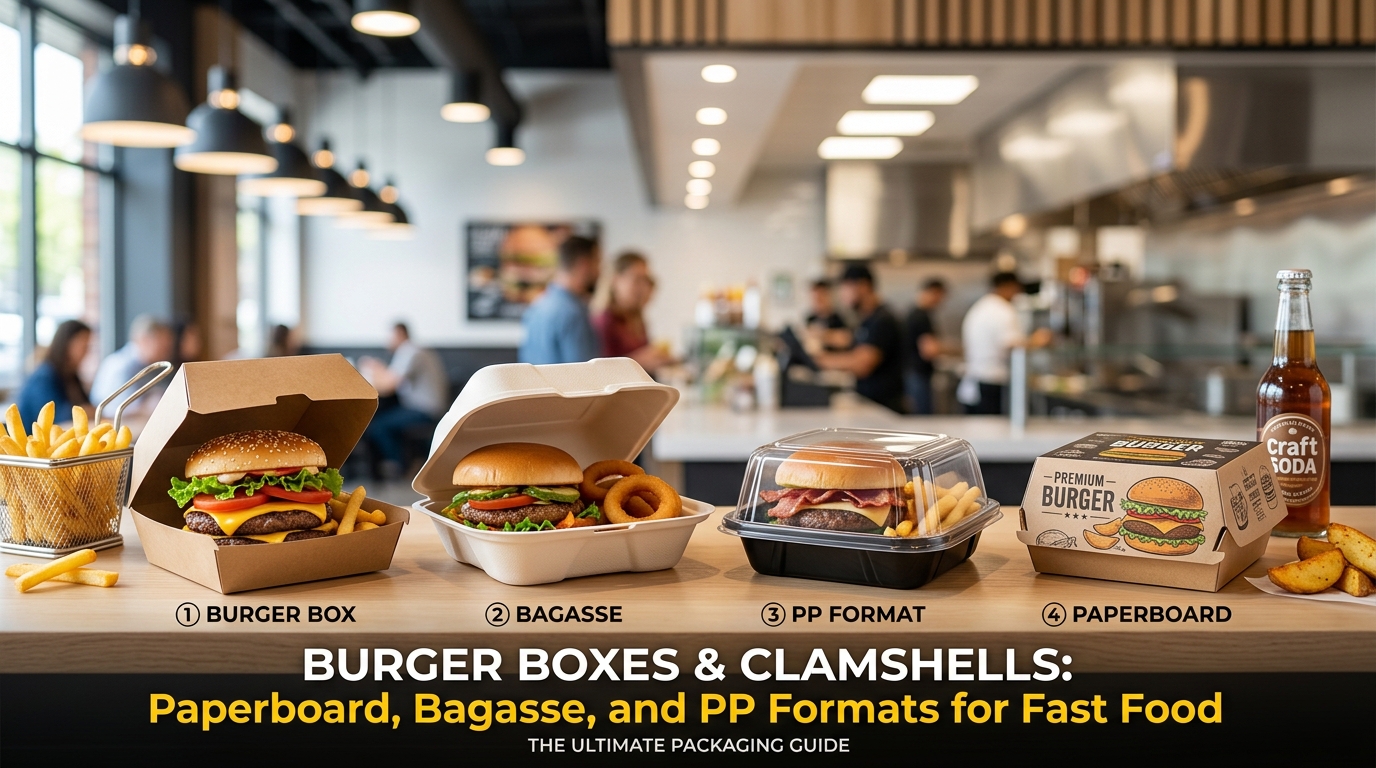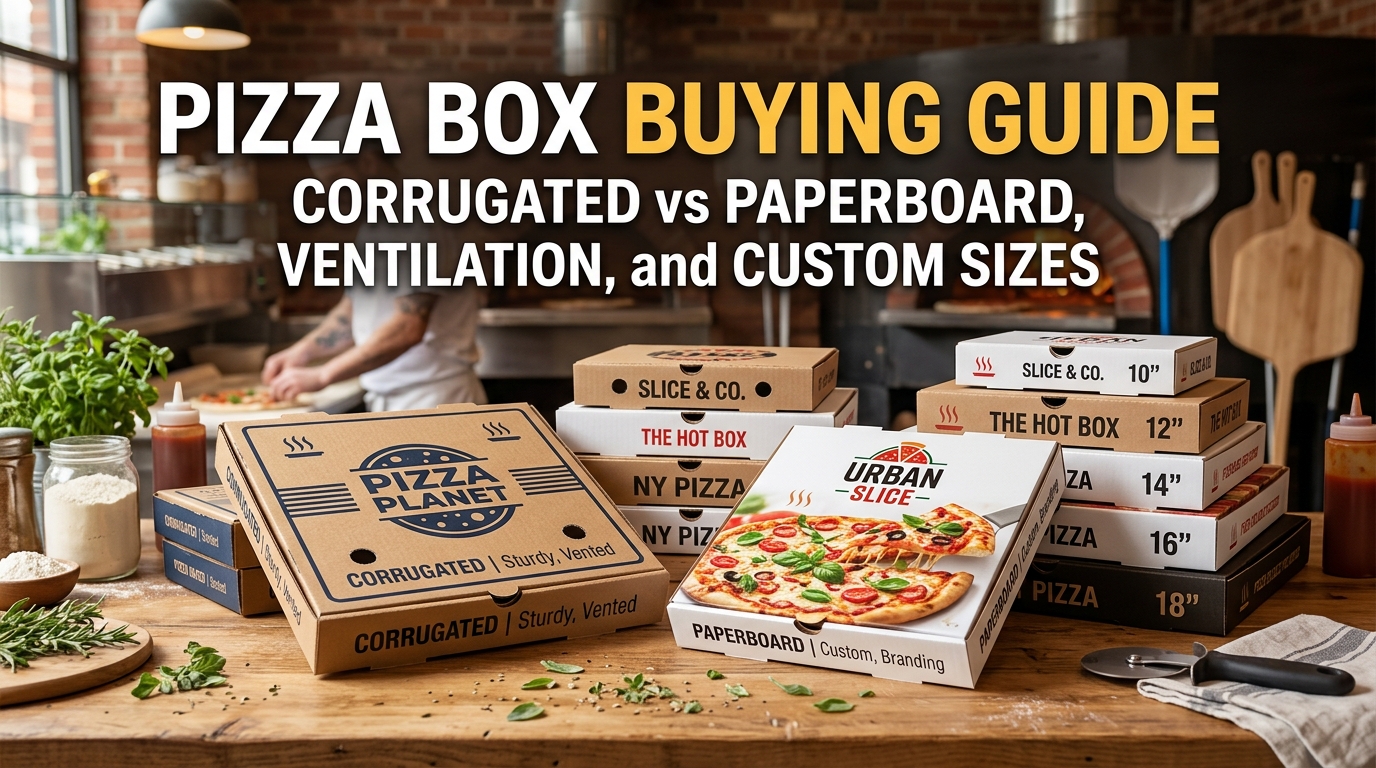


In the competitive landscape of food service and retail, packaging serves a dual purpose: it must protect the product and promote the brand. For procurement managers, restaurant chains, and food distributors, sourcing the right custom plastic tray wholesale is a critical operational decision. The right tray ensures food safety, extends shelf life through proper sealing, and acts as a silent salesman on the shelf.
However, the technical nuances of plastic packaging—from resin selection to printing technologies—can be complex. Choosing between Polypropylene (PP) and Polyethylene Terephthalate (PET), understanding the limitations of dry offset printing versus in-mold labeling, and navigating minimum order quantities (MOQs) requires industry knowledge.
This comprehensive guide explores the essential specifications, material properties, and customization options available for wholesale buyers. Whether you are launching a new ready-meal line or optimizing your supply chain for fresh produce, this article provides the technical insights needed to make informed purchasing decisions.
The Strategic Value of Custom Plastic Trays
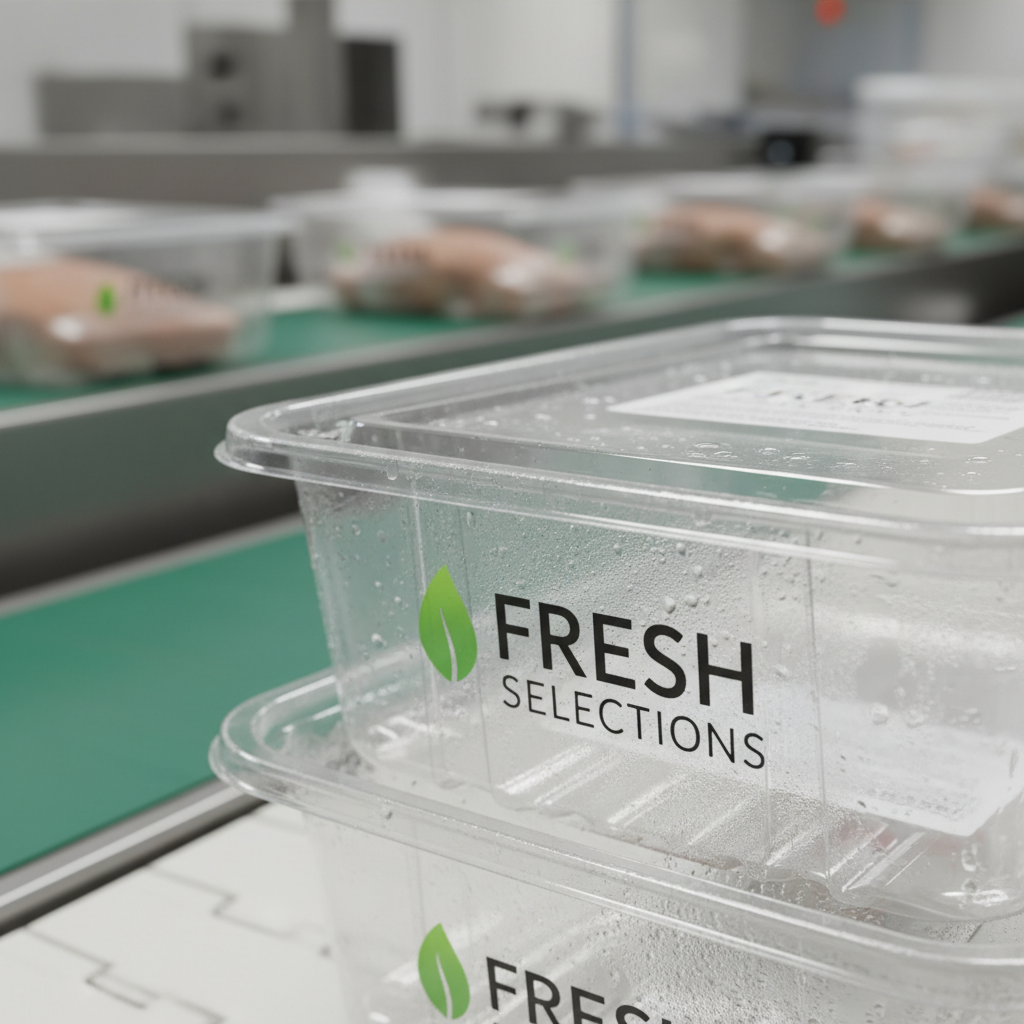
While stock packaging offers convenience, custom solutions provide strategic advantages for high-volume food businesses. Customization goes beyond simply adding a logo; it involves engineering the tray to fit specific operational and marketing needs.
Brand Differentiation and Shelf Presence
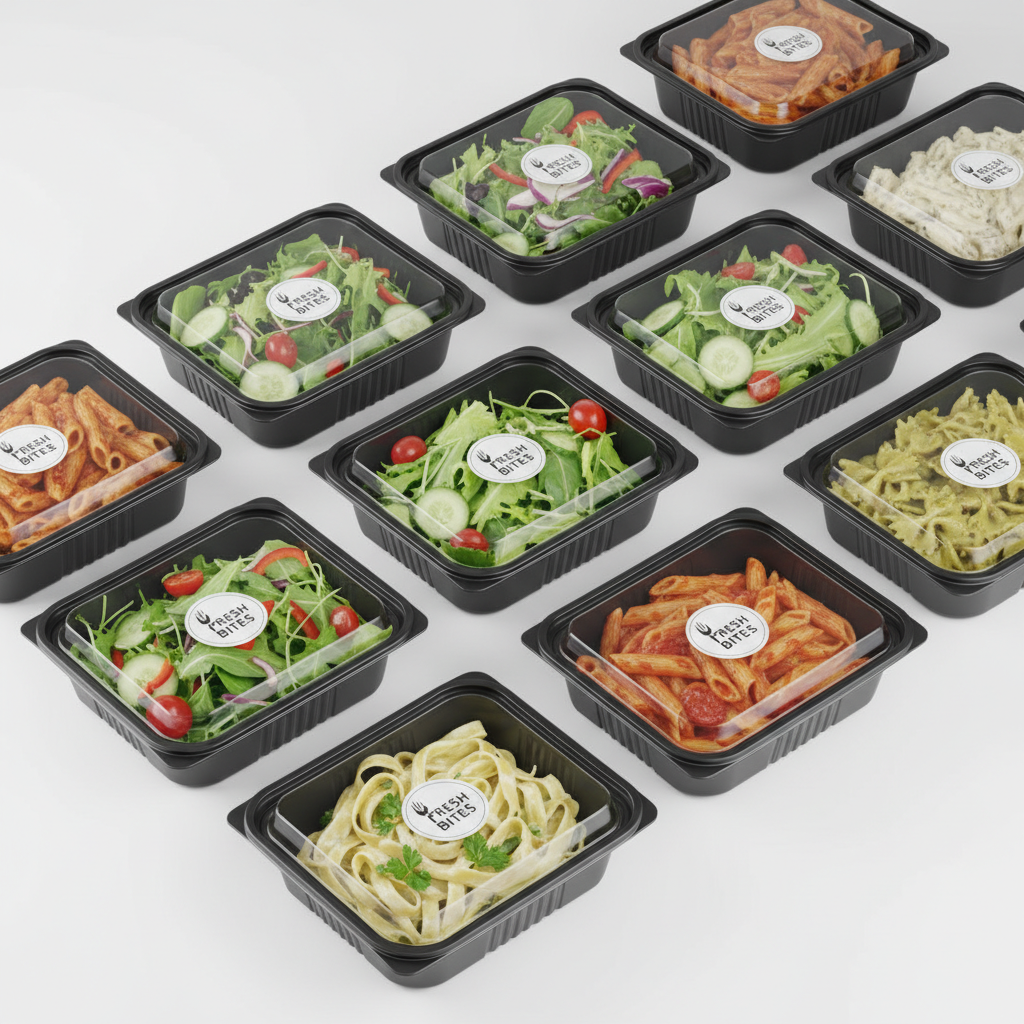
In a crowded retail environment, visual appeal is paramount. A custom plastic tray allows brands to utilize specific colors, textures, and high-definition graphics that align with their corporate identity. Unlike generic clear containers, a printed or custom-colored tray instantly communicates brand value to the consumer.
Operational Efficiency and Automation
For industrial food packers, the physical dimensions of a tray dictate line speeds. Custom trays can be engineered with precise tolerances to ensure compatibility with denesting machines, filling stations, and sealing equipment. Features such as denesting lugs (undercuts that prevent stacked trays from jamming) are critical for high-speed automated lines.
Product Protection and Shelf Life
Customization allows for the selection of barrier properties tailored to the food product. Modified Atmosphere Packaging (MAP) trays, for example, require specific gas barrier structures to maintain freshness for meat or fresh pasta. A stock tray may not offer the oxygen transmission rate (OTR) required for sensitive products.
Material Selection Guide: PP, PET, and CPET
Selecting the correct resin is the foundation of plastic tray manufacturing. The choice depends on the application temperature (freezer, fridge, microwave, or oven), clarity requirements, and barrier needs.
Polypropylene (PP)
Best for: Microwavable meals, hot-fill applications, and greasy foods.
PP is the industry standard for microwavable containers. It has a high melting point (approx. 160°C / 320°F) and excellent chemical resistance. It is durable and resistant to fats and oils, making it ideal for curries, pasta sauces, and soups. While naturally translucent (hazy), modern clarifying agents can improve its transparency, though it rarely matches the glass-like clarity of PET.
Polyethylene Terephthalate (PET)
Best for: Cold foods, salads, bakery items, deli, and fresh fruit.
PET is prized for its crystal-clear optics, which allow the freshness of the food to drive sales. It provides a strong barrier against water vapor, oxygen, and carbon dioxide. However, standard PET has a low heat resistance (deforms around 60°C / 140°F) and is not suitable for microwave or oven use. It is widely recycled and often available with Recycled PET (rPET) content to meet sustainability goals.
Crystallized PET (CPET)
Best for: Dual-ovenable meals (microwave and conventional oven).
CPET is treated to crystallize the structure, significantly increasing its heat resistance (up to 220°C / 428°F). It is opaque (usually black, white, or beige) and serves as a direct replacement for aluminum trays in the ready-meal market. It retains the impact strength of PET while offering versatility for consumer reheating.
Polystyrene (PS) and OPS
Best for: Bakery, sushi, and cost-sensitive dry items.
Oriented Polystyrene (OPS) offers excellent clarity and stiffness but is brittle. It is often used for bakery domes and sushi trays. However, its use is declining in some markets due to recycling challenges compared to PET and PP.
| Material | Temp Range | Clarity | Key Feature |
|---|---|---|---|
| PP | -20°C to 120°C | Translucent | Microwave Safe |
| PET | -40°C to 60°C | High Clarity | Excellent Display |
| CPET | -40°C to 220°C | Opaque | Oven Safe |
Printing Technologies for Plastic Trays
Once the material is selected, the next step in creating a custom plastic tray is decoration. High-quality printing elevates a commodity container into a branded package. There are several methods available, each with specific MOQs and cost structures.
Dry Offset Printing
Dry offset is the most common method for printing directly onto pre-formed plastic cups and trays. It transfers ink from a plate to a rubber blanket and then to the container.
- Pros: High speed, low cost per unit for large runs (50,000+), supports up to 6-8 colors.
- Cons: Lower resolution than labeling; not suitable for photographic quality images.
In-Mold Labeling (IML)
IML involves placing a pre-printed polypropylene label into the mold before the plastic is injected or thermoformed. The label fuses with the tray, becoming an integral part of the wall.
- Pros: Photographic quality, covers the entire surface (including bottom), scratch-resistant, fully recyclable (mono-material).
- Cons: Higher tooling and setup costs; typically requires higher MOQs.
Flexographic Printing
Flexo is often used for printing on the plastic sheet roll stock before it is thermoformed into trays. This allows for continuous patterns or registered print designs.
- Pros: Good for high-volume repeating patterns.
- Cons: Distortion correction is needed since the sheet stretches during forming.
Embossing and Debossing
For a subtle, premium feel, custom molds can include embossed logos or patterns directly in the plastic. This adds texture and branding without the use of ink, which can be an eco-friendly design choice.
Key Technical Specifications
When requesting a quote for food containers, precision in specifications prevents production errors. Buyers should define the following parameters clearly.
Dimensions and Capacity
Specify the Top Out (outer rim diameter), Top In (inner opening diameter), and Depth. Capacity should be measured in both fluid ounces (fl oz) and milliliters (ml). It is crucial to specify whether the capacity is “flush fill” (to the brim) or “practical fill” (usable space).
Compartments
Multi-compartment trays are essential for bento boxes or meal kits. The walls between compartments must be high enough to prevent food migration but designed to allow for proper sealing if a top film is applied.
Wall Thickness (Gauge)
Thickness is measured in mils or microns. A thicker gauge increases rigidity and stackability but adds material cost.
- Lightweight (15-20 mil): Disposable liners, light bakery items.
- Medium (25-35 mil): Standard deli containers, produce trays.
- Heavy (40+ mil): Reusable-style bowls, heavy entrees.
Closure Fit and Flange Style
The flange (rim) design dictates how the tray is sealed.
- Rolled Rim: Smooth edge, usually for snap-on lids.
- Flat Flange: Designed for heat-sealing films (top seal). Essential for MAP packaging.
Manufacturing and Quality Assurance
Understanding the manufacturing process helps in vetting suppliers. Most plastic trays are produced via Thermoforming or Injection Molding.
Thermoforming vs. Injection Molding
Thermoforming heats a plastic sheet and vacuums it over a mold. It is cost-effective for thin-wall disposable trays and has lower tooling costs. Injection Molding injects molten plastic into a cavity. It allows for complex shapes, handles, and varying wall thicknesses but involves expensive molds.
Quality Control Checkpoints
Reliable suppliers implement rigorous QC protocols:
- Leak Testing: Ensuring sealed trays do not leak liquids or gas.
- Stacking Strength: Compression testing to ensure trays don’t collapse during shipping.
- Visual Inspection: Checking for print alignment, flash (excess plastic), and clarity.
- Migration Testing: Ensuring no chemical transfer from plastic/ink to food (crucial for food safety compliance).
Buyer’s Guide: How to Order Wholesale
Navigating the procurement process for custom trays involves several steps. Here is a checklist to streamline your order.
1. Define Your Requirements
Before contacting a supplier, gather your data:
- Target annual volume (affects price tiers).
- Food type (acidity, temperature, fat content).
- Storage conditions (freezer, shelf, hot display).
- Desired lid type (film seal vs. rigid snap-on lid).
2. Minimum Order Quantities (MOQ)
Customization drives MOQs up.
- Stock items: Low MOQ (often by the case/pallet).
- Custom Print (Dry Offset): Typically 30,000 to 50,000 units.
- Custom Mold (Size/Shape): May require tooling fees ($3,000–$10,000+) and higher commitments.
3. Artwork and Prototyping
Prepare vector artwork (AI, PDF) for printing. Always request a physical sample or a 3D-printed prototype for custom shapes to verify fit and function before mass production. For printed items, a “press proof” is recommended to verify color accuracy.
4. Lead Times and Logistics
Custom manufacturing takes time.
- Tooling creation: 2–4 weeks.
- Production: 2–4 weeks.
- Shipping: Variable based on location.
Plan 8–12 weeks ahead for a new custom project. Also, consider the “nesting ratio”—how tightly trays stack—as this dramatically impacts shipping costs. Tighter nesting means more trays per container.
For detailed guidance on starting your order, visit our how to order page.
FAQ: Common Questions from B2B Buyers
Q: Can I get a custom size without paying for a new mold?
A: Generally, no. Changing dimensions requires a new mold. However, some suppliers have “adjustable” molds or a vast library of existing molds that might match your needs closely. It is worth asking for a list of “open mold” sizes.
Q: What is the difference between APET and RPET?
A: APET is Amorphous PET (virgin material), offering the highest clarity. RPET contains Recycled PET. While RPET is more sustainable, it may have a slightly darker or greyish tint compared to virgin APET, though the difference is often negligible.
Q: Are your inks food safe?
A: Yes, reputable manufacturers use low-migration, food-grade inks that comply with relevant safety standards. For direct food contact surfaces, printing is usually done on the outside, or an over-varnish is applied to prevent contact.
Q: Can plastic trays be sealed with film?
A: Yes, provided the tray has a flat flange (rim) and is made of a material compatible with the lidding film. PP trays seal best with PP or universal films. PET trays require specific lidding films designed for PET adhesion.
Q: How do I request a sample?
A: You can typically request stock samples to evaluate material quality and sturdiness. Custom printed samples are harder to produce without a full setup, but digital mockups are standard. Contact us to discuss sampling options.
Q: Do you offer biodegradable options?
A: Yes, materials like PLA (Polylactic Acid) are compostable and derived from cornstarch. However, they have lower heat resistance and different storage requirements than traditional plastics.
Conclusion
Sourcing custom plastic tray wholesale orders is a balance of aesthetics, functionality, and economics. By understanding the distinct properties of materials like PP and PET, and leveraging printing technologies like IML or dry offset, buyers can secure packaging that protects their product and enhances their brand.
Whether you need a high-clarity salad container or a microwave-safe meal tray, YBJ Packing offers a range of solutions tailored to the food service industry. We help you navigate the technical specs to ensure your packaging line runs smoothly.
Ready to elevate your food packaging? Request a quote today or contact our team for a free sample kit to see our quality firsthand.