

Introduction: The Strategic Value of the Paper Bucket
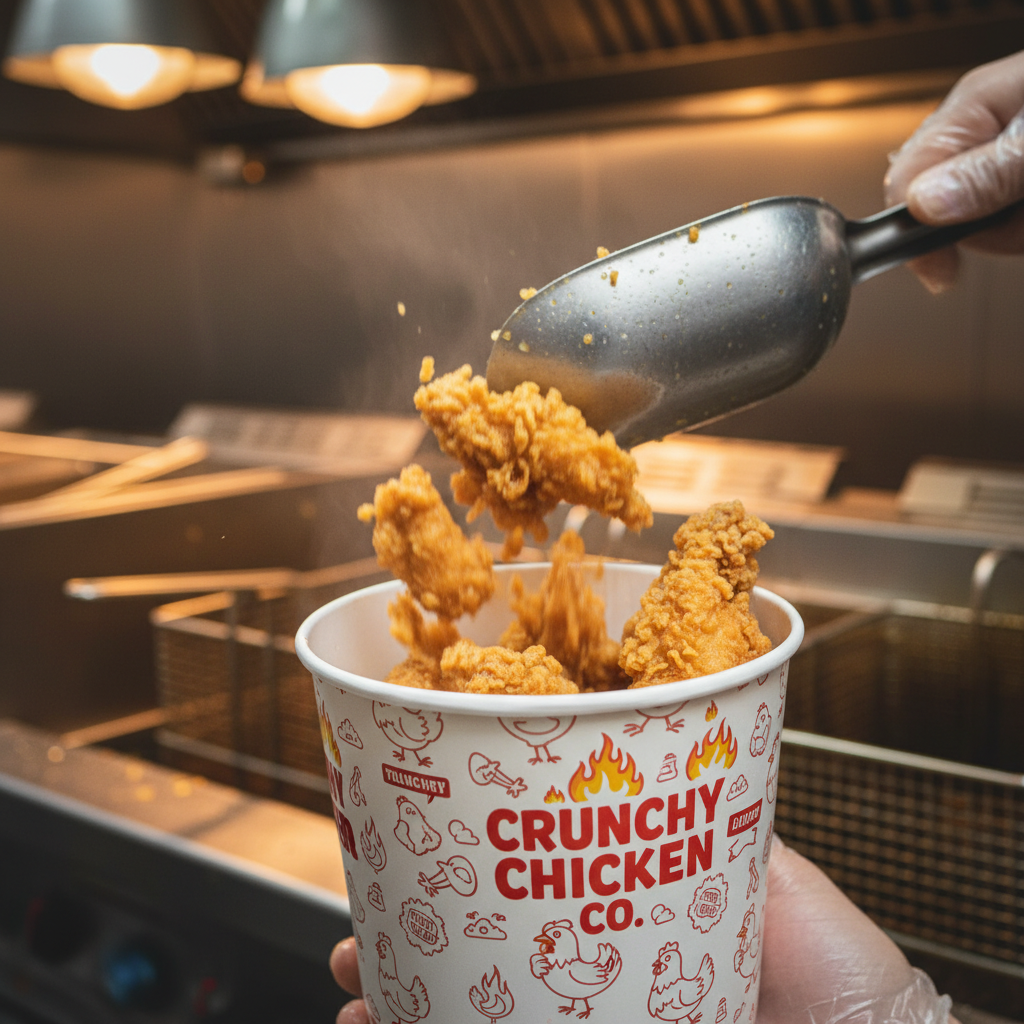
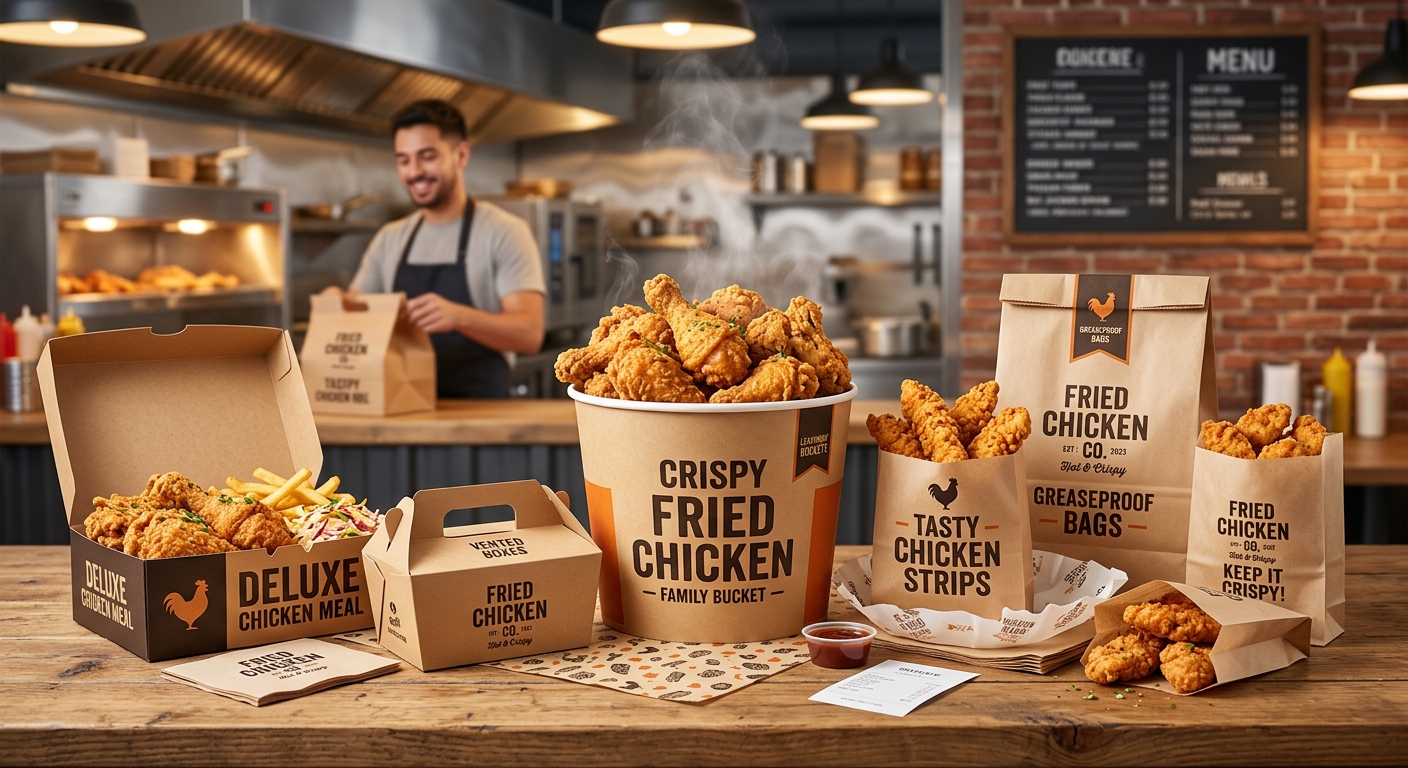
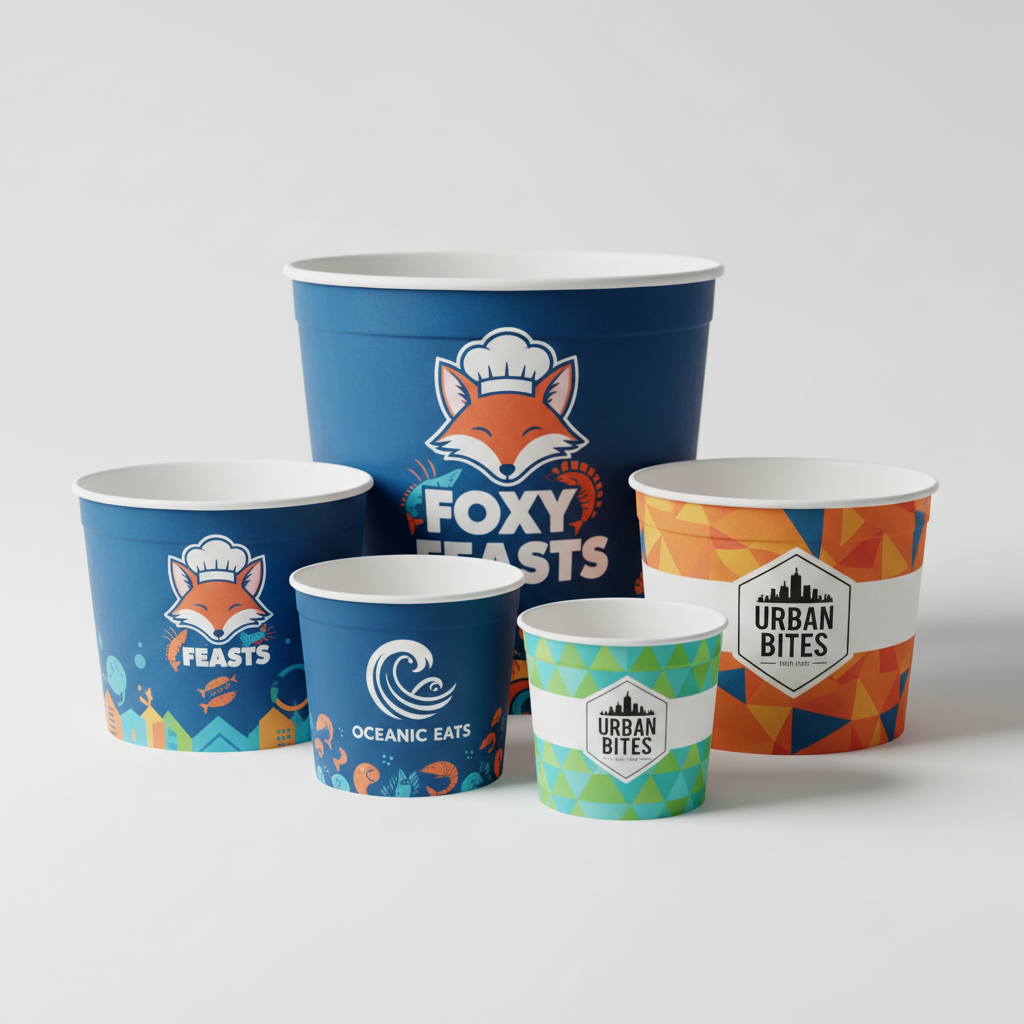
In the competitive landscape of food service, packaging is rarely just a vessel; it is a critical component of brand identity and operational efficiency. For large-scale food chains, cinemas, and distributors, the paper food bucket represents one of the most visible and functional pieces of packaging inventory. Whether it is holding a family-sized portion of fried chicken, a jumbo popcorn at a theater, or a seafood boil, the bucket acts as a "walking billboard," carrying your brand far beyond the point of sale.
However, sourcing the right paper food buckets is not as simple as selecting a volume and a logo. Procurement officers and brand managers must navigate a complex matrix of material specifications, coating technologies, structural integrity, and logistical considerations. A bucket that collapses under the weight of hot wings or leaks grease onto a customer’s lap can cause reputational damage that far outweighs the cost savings of inferior materials.
This comprehensive buyer’s guide is designed for B2B professionals—procurement managers, restaurant owners, and packaging distributors—who need to understand the technical and practical nuances of ordering paper food buckets in bulk. We will cover everything from paperboard grades and grease-resistance coatings to print finishes and supply chain optimization.
1. Anatomy of a High-Performance Paper Bucket
Before selecting a supplier, it is essential to understand how a paper bucket is constructed. The structural integrity depends on three main components: the base paper, the coating, and the forming process.
1.1 Base Paper Material
The core of any bucket is the paperboard. In the wholesale food packaging industry, the weight and density of this paper are measured in GSM (Grams per Square Meter). For large buckets (such as 85oz or 130oz), a higher GSM is required to prevent warping.
- Virgin Kraft Paper: Known for its high tear resistance and stiffness. It is often brown (unbleached) but can be bleached white. Virgin fiber provides the best structural support for heavy loads like fried chicken.
- Cup Stock (White Board): A premium grade of paperboard designed specifically for forming cups and buckets. It offers a smooth surface for high-quality printing and excellent rolling properties for the rim.
- Recycled Board: While sustainable, recycled board often has shorter fibers, making it less stiff. It is typically used with a double-coating or for lighter applications (like dry popcorn) rather than heavy, greasy foods.
1.2 The Rim and Bottom Seal
The top rim of the bucket adds crucial lateral stiffness. A tightly rolled rim ensures the bucket retains its circular shape when held by a customer. If the rim is loose or soft, the bucket may squeeze inwards, spilling the contents.
The bottom seal is equally critical. In high-quality manufacturing, the bottom disc is sealed using heat and pressure to bond the polyethylene (PE) coating of the sidewall to the bottom. For heavy items, verify that your manufacturer uses a deep-inset bottom to prevent bowing.
2. Coating Technologies: Managing Grease and Moisture
Paper is naturally porous and absorbent. To make it food-grade and functional, it must be coated. The choice of coating dictates the bucket’s performance against grease, heat, and condensation.
2.1 Single PE (Polyethylene) Coating
Best for: Dry foods, popcorn, chips, and moderately greasy items consumed quickly.
A single layer of PE on the inside of the bucket prevents grease from soaking into the paper. This is the industry standard for most fast-food applications. It provides a moisture barrier that keeps the paper rigid for the duration of a meal.
2.2 Double PE Coating
Best for: Cold foods (ice buckets), very hot/greasy foods (fried chicken), and long-duration storage.
Double PE coating involves applying a layer of polyethylene to both the inside and the outside of the bucket.
- Condensation Protection: If the bucket holds cold items, condensation will form on the outside. Without an outer coating, the paper absorbs this moisture and becomes soggy.
- Grease Migration: For extremely oily foods, double coating adds an extra layer of security, ensuring no grease spots appear on the branded exterior, keeping the artwork pristine.
2.3 Aqueous and PLA Coatings (Eco-Friendly Options)
As sustainability regulations tighten globally, many buyers are shifting toward plastic-free or compostable alternatives.
- PLA (Polylactic Acid): A bioplastic derived from cornstarch. It functions like PE but is commercially compostable. Note that PLA has a lower heat tolerance than PE, so it must be tested for very hot foods.
- Aqueous Coating: A water-based coating that provides grease resistance while allowing the bucket to be repulped and recycled more easily than PE-lined buckets.
3. Sizing Guide: Matching Capacity to Menu
Selecting the right size is a balance between portion control, perceived value, and cost. In the food container market, sizes are usually quoted in fluid ounces (oz) or milliliters (ml). Below are standard industry sizes and their typical applications.
| Size (Approx) | Typical Capacity | Common Use Cases |
|---|---|---|
| 32 oz – 48 oz | Small / Individual | Large side of fries, popcorn for one, nuggets (10-20pc), cookies. |
| 64 oz – 85 oz | Medium / Shareable | Popcorn (small/medium), Fried Chicken (2-4 pieces + sides), Seafood boil for one. |
| 130 oz | Large / Family | Standard "8-piece" chicken bucket, Large theater popcorn, Family-sized sides. |
| 150 oz – 170 oz | Jumbo / Party | Party buckets, 12-16 pieces of chicken, Extra Large popcorn, Bulk catering. |
Pro Tip: Always request physical samples to test your specific food product. Density varies; 85oz of fluffy popcorn takes up the same volume as 85oz of dense fried chicken, but the weight difference is massive. Ensure the bucket’s GSM is rated for the weight of your product, not just the volume.
4. Customization and Printing: The Branding Opportunity
For B2B buyers, the ability to customize is often the primary driver for choosing a specific manufacturer. Custom printed paper food buckets are high-impact marketing tools.
4.1 Printing Methods
- Offset Printing: The gold standard for high-volume paper buckets. It offers superior image quality, sharp details, and accurate color reproduction (CMYK and Pantone). It is ideal for photographic designs or complex gradients.
- Flexographic Printing: Often used for simpler designs or very high-speed runs. While cost-effective, it may not achieve the same resolution as offset printing for intricate artwork.
4.2 Finish Options
- Glossy: Enhances colors, making reds and yellows (common food colors) pop. It also adds a slight protective layer against external moisture.
- Matte: Provides a premium, organic, or artisanal look. Popular with brands focusing on "natural" ingredients or a modern, minimalist aesthetic.
- Spot UV / Embossing: Rare in standard fast food but available for luxury catering or promotional limited-edition buckets.
4.3 Artwork Preparation Checklist
To ensure a smooth production process with your supplier, prepare your design files correctly:
- Die Lines: Request the exact die line (template) from the manufacturer for the specific size you are ordering. Do not design on a generic template.
- Curved Distortion: Remember that artwork is printed on a flat sheet and then wrapped into a cone/bucket shape. Designs must be pre-distorted (warped) in the artwork file so they appear straight when the bucket is formed. Experienced manufacturers handle this, but your designer should be aware.
- Vector Files: Always supply logos and text in vector formats (AI, EPS, PDF) to ensure sharpness.
- Safe Zones: Keep critical text and logos away from the bottom rim and side seam to avoid them being cut off or covered during assembly.
5. Lids and Accessories
Depending on your distribution model (dine-in vs. delivery), you may need lids.
- Paper Lids: Ideally suited for hot foods like fried chicken. They are often vented (small holes) to allow steam to escape, preventing the crispy skin from becoming soggy.
- Plastic/PP Lids: Clear or opaque. Better for cold items or wet dishes (like soups or stews in smaller buckets) where a hermetic seal is needed to prevent spills during transport.
- Dividers: Some brands use internal cardboard dividers to separate sauces or sides from the main protein within the same bucket.
6. Use Cases and Industry Applications
6.1 Fried Chicken & Hot Wings
This is the most demanding category. The bucket must withstand high heat (140°F+) and significant grease load.
Requirement: Heavy-duty board (280gsm+), Poly-lined interior, sturdy rolled rim. Vented lid recommended.
6.2 Cinema & Concession Popcorn
Popcorn is lightweight but high volume. The challenge here is storage efficiency and visual appeal.
Requirement: Lighter weight board is acceptable (saving cost). High-quality gloss printing is essential for low-light environments. Grease resistance is still needed for butter toppings.
6.3 Seafood Boils
A growing trend is serving seafood boils (crawfish, shrimp, corn) in buckets. These loads are heavy and wet.
Requirement: Double PE coating is virtually mandatory here to prevent the bucket from disintegrating under the influence of sauces and juices.
6.4 Bakery & Cookies
Buckets are increasingly used for bulk cookie sales or mini-donuts.
Requirement: Grease resistance is key for buttery pastries. A re-closable lid is often requested by customers.
7. Manufacturing and Quality Assurance
When evaluating a supplier, ask about their QA processes. Reliable manufacturers perform specific tests:
- Leak Test: Filling random samples with a dyed liquid to check for pinholes in the coating or gaps in the bottom seal.
- Stiffness Test: Measuring the force required to compress the bucket. This ensures it won’t collapse when a customer grabs it firmly.
- Ink Adhesion Test: Ensuring the ink does not rub off on customers’ hands, especially when the bucket is warm or slightly damp.
- Odor Test: Food packaging must be odorless. Low-quality inks or adhesives can impart a chemical smell to hot food, ruining the flavor.
8. Logistics: Shipping and Storage
Paper buckets are bulky items. While they are lightweight, they consume significant volume in a shipping container or warehouse.
- Nesting: Buckets are tapered to nest inside one another. The "nesting ratio" determines how many can fit in a single carton. Tighter nesting saves freight costs but requires precise manufacturing to prevent them from getting stuck together (jamming).
- Carton Quality: Ensure the outer shipping cartons are sturdy. If a box is crushed during transit, the buckets inside can be deformed, causing them to jam in dispensing machines or look unappealing to customers.
- Storage Conditions: Paper is hygroscopic. Buckets should be stored in a cool, dry place. High humidity can soften the paperboard before it is even used.
9. Buying Guide: How to Order Efficiently
Ready to place an order? Here is a checklist to streamline the procurement process.
9.1 Define Your Specifications
Before contacting a manufacturer, have rough estimates for:
- Volume: (e.g., 85oz and 130oz).
- Quantity: Total units per size.
- Print: Number of colors (1-color, 4-color process, etc.).
- Lids: Required or not?
9.2 Minimum Order Quantities (MOQ)
Custom printing requires setting up printing plates and calibrating machinery. Therefore, MOQs for custom buckets are typically higher than plain stock.
- Standard MOQ: Often starts around 10,000 to 30,000 units per size for custom print.
- Plain/Stock: Can often be purchased in smaller quantities (e.g., 1-5 cartons) from distributors, but factory-direct orders usually require pallets.
9.3 Lead Times
Production times vary by season and factory load.
- Design Approval: 3-5 days.
- Production: Typically 15-25 days after artwork approval.
- Shipping: Depends on your location (Air freight vs. Ocean freight). For bulk buckets, ocean freight is the only cost-effective option, adding 3-6 weeks. Plan your inventory accordingly.
9.4 Requesting Samples
Never commit to a full production run without seeing a sample. You can request:
- Stock Sample: A bucket from a previous run to check material quality and stiffness. Usually free or low cost.
- Proof Sample: A digitally printed prototype of your specific design. This may not be on the final press but helps visualize the artwork.
- Pre-production Sample: A finished bucket from the actual production line. This incurs setup costs but is the most accurate representation.
FAQ: Common Questions About Paper Food Buckets
Q1: Can paper food buckets be used in the microwave?
Generally, yes, if they contain no metallic elements (like gold foil). However, the PE coating can melt at very high temperatures. For microwave use, ask your supplier for microwave-safe certification or consider specific heat-resistant coatings.
Q2: What is the difference between cup stock and kraft paper?
Cup stock is usually white, smoother, and optimized for high-quality printing. Kraft paper is brown, stronger, and offers a rustic, eco-friendly look but is harder to print bright colors on.
Q3: Are these buckets recyclable?
Standard PE-lined buckets are recyclable only in facilities that can separate the plastic lining from the paper. Water-based (aqueous) coated buckets are more universally recyclable. Always check local regulations.
Q4: Why do my buckets get soft after 20 minutes?
This usually indicates insufficient GSM (paper too thin) or a lack of grease resistance. Hot, oily food penetrates low-quality paper quickly. Switching to a higher GSM or a double-PE coating will solve this.
Q5: How do I measure the size of a bucket I want to replicate?
Measure the Top Diameter, Bottom Diameter, and Vertical Height. Also, fill it with water and pour it into a measuring jug to determine the fluid ounce capacity.
Q6: Can I print inside the bucket?
Printing inside the bucket is generally not recommended for food safety reasons, as ink would come into direct contact with food. Most branding is done on the exterior sidewalls.
Conclusion
Choosing the right paper food bucket is a decision that impacts your kitchen operations, your logistics costs, and your customer’s dining experience. By selecting the appropriate materials—balancing stiffness, grease resistance, and sustainability—you ensure that your food arrives as intended: hot, fresh, and securely packaged.
Whether you are launching a new fried chicken franchise or upgrading the packaging for a cinema chain, paying attention to the technical details of GSM, coating, and print quality will pay dividends. Don’t leave your brand integrity to chance.
Ready to upgrade your food packaging? Contact us today to request a quote or get a sample of our high-quality custom paper buckets. Our team is ready to guide you through the material selection and design process.