

Introduction: The Strategic Value of Branded Food Packaging
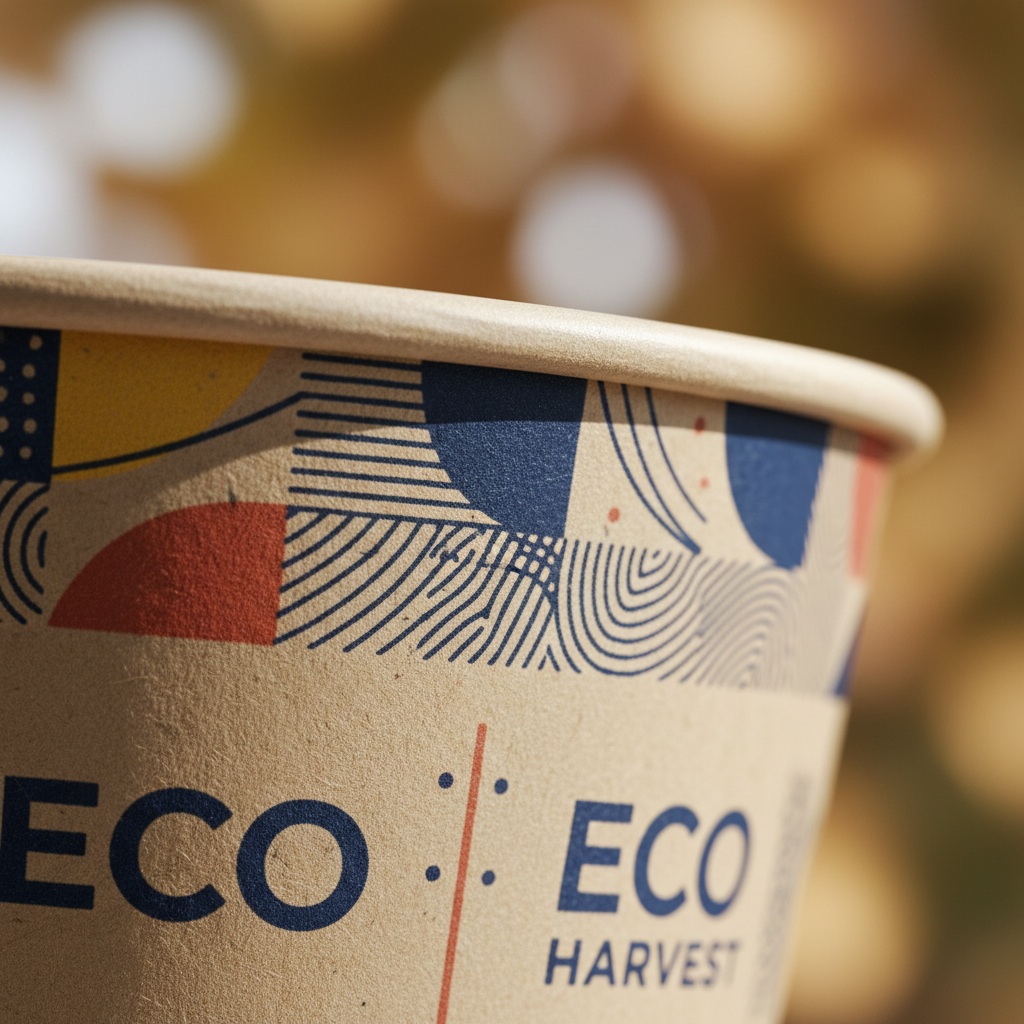
In the competitive landscape of the food service industry, packaging is no longer just a vessel for transporting meals; it is a critical touchpoint for brand identity. For restaurants, catering chains, and food distributors, the shift towards takeout and delivery has elevated the humble paper bowl into a mobile billboard. Sourcing custom paper bowl containers wholesale allows businesses to maintain consistent branding, ensure food integrity, and optimize costs through bulk purchasing.
However, navigating the procurement process for industrial-grade food packaging involves more than just selecting a size and uploading a logo. Buyers must understand material specifications, barrier coatings, printing technologies, and logistical factors to ensure the final product meets operational demands. A bowl that collapses under the weight of hot soup or leaks dressing during transit can damage a brand’s reputation faster than a negative review.
This comprehensive guide explores the technical and practical aspects of ordering custom paper bowl containers. From understanding paper weight (GSM) and coating options to navigating the artwork approval process and managing supply chains, we provide the insights necessary for procurement officers and business owners to make informed purchasing decisions.
1. Anatomy of a High-Quality Paper Bowl
Before diving into customization, it is essential to understand the structural components that define quality in paper containers. A paper bowl consists of three main parts: the sidewall, the bottom disc, and the rim. Each plays a role in the container’s performance.
Paper Weight and GSM
The durability of a paper bowl is largely determined by the thickness of the paperboard, measured in Grams per Square Meter (GSM). For industrial food applications, standard office paper is insufficient. Food-grade paperboard typically ranges from 190 GSM to 350 GSM, depending on the bowl’s capacity and intended use.
- Small Bowls (approx. 8oz – 12oz): Often use 210–250 GSM paper. These sizes hold less weight and require less structural rigidity.
- Large Bowls (approx. 24oz – 46oz): Require 300–350 GSM paper to prevent buckling when filled with heavy items like grain bowls or large soups.
Higher GSM provides a premium feel and better insulation, but it also impacts the unit cost. Balancing performance with budget is a key discussion to have with your supplier.
The Rim and Lid Fit
The rolled rim at the top of the bowl serves two purposes: it provides structural stiffness to the opening and creates a locking mechanism for the lid. Precision in the rim rolling process is vital. If the rim is too thin or uneven, lids (whether PP, PET, or paper) will not snap on securely, leading to spills. When evaluating samples, always test the “snap” sound and the resistance of the lid to ensure a tight seal.
2. Barrier Coatings: PE, PLA, and Aqueous Options
Paper is naturally porous and will absorb liquids and grease if untreated. To make food packaging solutions functional, the paperboard is coated with a barrier layer. Choosing the right coating depends on the type of food being served and the environmental goals of the brand.
Single PE (Polyethylene) Coating
This is the industry standard for most hot food applications. A thin layer of PE plastic is applied to the interior of the bowl. It prevents liquid from soaking into the paper and acts as a sealant during the manufacturing process. Single PE is suitable for hot soups, noodles, and rice dishes.
Double PE Coating
For cold foods like ice cream, frozen yogurt, or refrigerated salads, condensation can form on the outside of the bowl. If the exterior is uncoated paper, this moisture will soften the walls, causing the bowl to lose integrity. Double PE coating applies a barrier to both the inside and outside of the bowl, protecting it from internal liquids and external condensation.
PLA (Polylactic Acid) Coating
PLA is a bioplastic derived from renewable resources like corn starch. It offers similar barrier properties to PE but is compostable in industrial facilities. This is an excellent choice for brands prioritizing sustainability, though it typically commands a higher price point and has lower heat resistance compared to traditional PE.
Aqueous Coating
A newer innovation in the market is water-based (aqueous) coating. This technology allows the paper to be recycled more easily in standard paper streams because the coating breaks down during the repulping process. It is becoming a preferred option for markets with strict plastic reduction regulations.
3. Printing Technologies and Branding
Custom printing is the primary driver for wholesale orders. The visual appeal of the bowl can influence customer perception and social media shareability. There are generally two main printing methods used for high-volume paper bowl manufacturing.
Flexographic Printing
Flexo printing is the most common method for high-volume food packaging. It uses flexible relief plates and fast-drying inks.
- Pros: Cost-effective for large runs; food-safe water-based inks are standard; high production speed.
- Cons: Lower resolution compared to offset; gradients and complex photographic images may not render perfectly.
- Best For: Logos, vector patterns, and designs with solid spot colors (Pantone).
Offset Printing
Offset printing transfers an inked image from a plate to a rubber blanket, then to the paper surface.
- Pros: Superior image quality; capable of printing complex graphics, gradients, and photos; high color accuracy.
- Cons: Higher setup costs; typically requires higher Minimum Order Quantities (MOQs) to be economical.
- Best For: Premium packaging requiring intricate designs or photographic imagery.
Ink Safety
Regardless of the printing method, safety is paramount. Ensure your manufacturer uses food-grade, odorless inks. Low-quality inks can emit smells when heated (e.g., when hot soup is poured in), which can taint the flavor of the food and ruin the customer experience. Soy-based and water-based inks are the industry standards for safety and environmental compliance.
4. Sizing and Capacity Guide
Selecting the right size is about more than just volume; it is about portion control and presentation. Paper bowls generally come in two form factors: standard (tall/narrow) and wide (shallow).
Standard Sizes (Approximate)
- 8 oz – 12 oz: Ideal for side dishes, ice cream, or small soups.
- 16 oz – 20 oz: Common for regular soups, stews, or small pasta portions.
- 24 oz – 32 oz: The “workhorse” sizes for main entrees, ramen, and salads.
Wide Bowl Formats
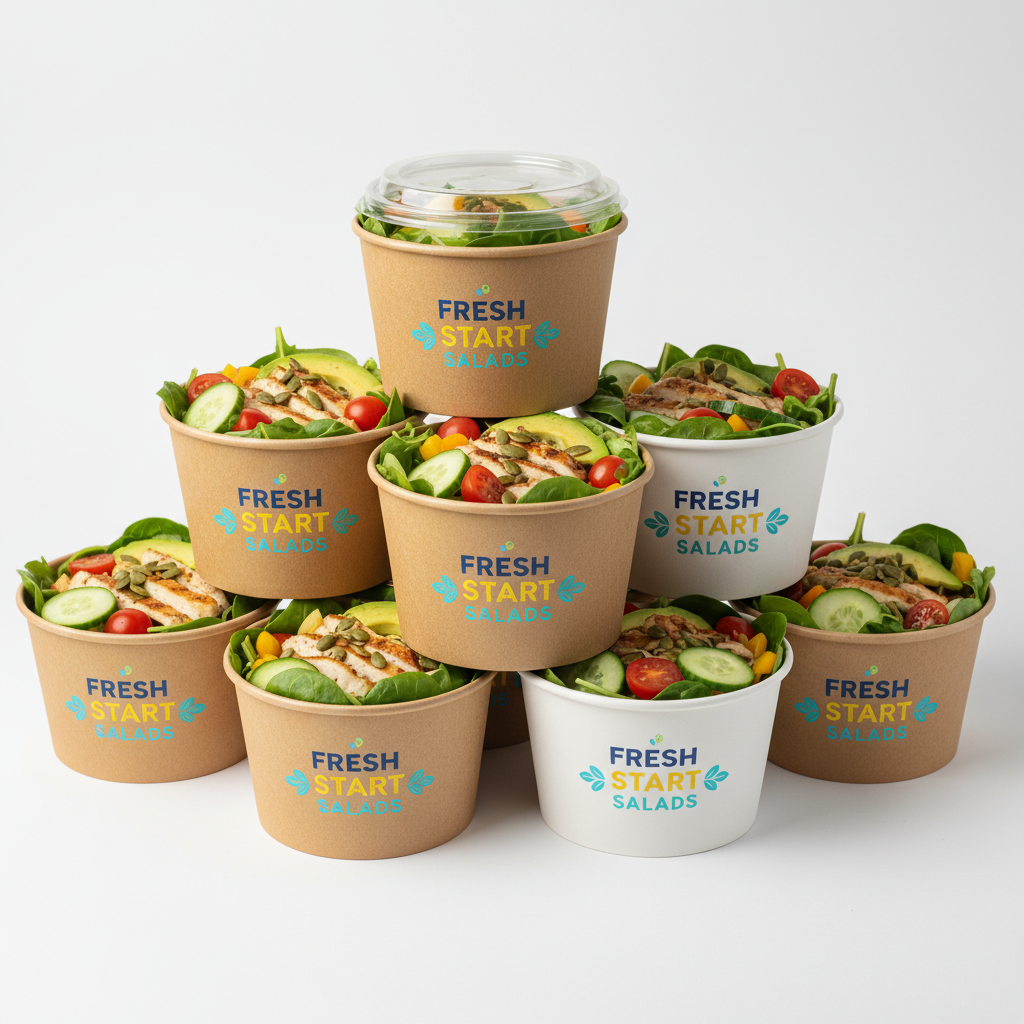
Wide bowls are increasingly popular for salads, poke bowls, and grain bowls. The wider opening allows for better visibility of ingredients, making the food look more appetizing. A 32 oz wide bowl feels significantly larger to the consumer than a 32 oz tall cup, even if the volume is identical. When browsing our custom paper bowl containers, consider how the geometry affects the plating of your food.
5. Customization Checklist: Preparing for Your Order
Ordering custom packaging requires preparation to ensure the process moves smoothly. Use this checklist before contacting a supplier.
1. Determine Your Volume
Custom manufacturing relies on economies of scale. Understanding your monthly usage helps in negotiating prices. Most manufacturers have an MOQ (Minimum Order Quantity) for custom printing, often starting at 30,000 to 50,000 units per size. Ordering in larger batches (e.g., a 20ft container) significantly reduces the per-unit cost and shipping fees.
2. Prepare Your Artwork
To achieve a crisp print, you must provide artwork in vector format (AI, PDF, or EPS). Raster images (JPEG, PNG) often pixelate when resized. If you have specific brand colors, provide the Pantone (PMS) color codes. This ensures the red on your bowl matches the red on your napkins and signage.
3. Request the Dieline
A dieline is the flat template of the bowl. Your designer will need this file to lay out the artwork correctly, accounting for the curvature of the bowl and the bleed areas (where the design extends beyond the cut line).
4. Select Your Lid
Never assume a lid fits. Lids are specific to the rim diameter. Common diameters include 90mm, 115mm, 150mm, etc. Decide if you need vented lids (for hot steam release) or non-vented lids. Material options include clear PET (for visibility), PP (microwave safe), or paper (100% plastic-free look).
6. Manufacturing and Quality Assurance
Reliable manufacturers implement strict quality control (QC) protocols. When evaluating a supplier, ask about their testing procedures.
- Leak Testing: Random samples should be taken from the production line and filled with liquid (often mixed with a dyeing agent) to check for seepage at the bottom seam.
- Cup Stiffness Test: Measures the force required to compress the sidewalls. This ensures the bowl doesn’t collapse when held firmly.
- Odour Test: Ensures no residual smell from inks or adhesives remains in the finished product.
7. Logistics and Supply Chain Considerations
For international buyers, logistics is a major component of the total landed cost. Paper bowls are lightweight but voluminous. They take up significant space in a shipping container.
Calculating Volume
Shipping costs are usually calculated by CBM (Cubic Meter). Because bowls are stacked (nested), they are relatively efficient to ship, but lids are often packed loosely in cartons, taking up more space. Optimizing the carton pack count can save on freight.
Lead Times
Custom orders typically require:
- Design & Proofing: 3–7 days
- Production: 15–25 days (depending on quantity)
- Shipping: 20–45 days (depending on destination and transport mode)
Buyers should plan their inventory to cover at least 3 months of usage to avoid stockouts during transit.
Storage Conditions
Paper is hygroscopic, meaning it absorbs moisture from the air. Store your paper bowls in a dry, ventilated warehouse. High humidity can cause the bowls to warp or become soft before they are even used. Keep cartons off the floor and away from direct sunlight.
8. Sustainability and Compliance
The regulatory landscape for food packaging is shifting. Many regions (like the EU and parts of North America) are implementing stricter rules regarding single-use plastics.
- Recyclability: Standard PE-lined bowls can be recycled, but only in facilities equipped to separate the plastic liner from the paper fibers. Check local infrastructure.
- Compostability: PLA-lined bowls are certified compostable in industrial facilities. However, they must be disposed of in the correct organic waste stream to be effective.
- FSC Certification: Ask if the paperboard is sourced from responsibly managed forests. This is a strong selling point for eco-conscious consumers.
9. Frequently Asked Questions (FAQ)
Q1: Can I microwave paper bowl containers?
A: It depends on the materials. Standard paper bowls with PE lining are generally safe for reheating (short duration), but not for cooking. However, if the bowl has metallic foil stamping, it cannot be microwaved. Always confirm the temperature range with the manufacturer.
Q2: What is the difference between CMYK and Pantone printing?
A: CMYK (Cyan, Magenta, Yellow, Black) is used for full-color images and gradients. Pantone (PMS) uses pre-mixed inks for exact color matching. For brand consistency, Pantone is preferred for logos.
Q3: Why is the MOQ for custom printing higher than plain bowls?
A: Custom printing requires making specific printing plates and setting up the machinery, which incurs fixed costs. Running a small number of custom bowls would make the per-unit price prohibitively expensive. Plain bowls are mass-produced and stocked, allowing for lower MOQs.
Q4: Do you offer samples before I place a bulk order?
A: Yes, most suppliers provide stock samples to check quality and size. For a custom printed proof (a physical sample with your design), there is usually a sampling fee to cover the setup cost.
Q5: Can I print on the bottom of the bowl?
A: Typically, the bottom disc is not printed for branding purposes, but it can sometimes include recycling codes or manufacturing lot numbers. The main branding real estate is the sidewall.
Q6: How do I ensure my lids fit the bowls securely?
A: The best way is to source bowls and lids from the same supplier. Even if the diameter (e.g., 150mm) is theoretically the same, slight variations in the rim roll thickness between manufacturers can affect the fit.
Conclusion
Investing in custom paper bowl containers is a strategic move that enhances brand visibility and customer experience. By understanding the nuances of paper grades, coatings, and printing options, buyers can source packaging that is not only functional but also a true reflection of their brand’s quality.
Whether you are launching a new salad chain or upgrading the packaging for an established franchise, paying attention to the technical details—from GSM to pallet configuration—will save time and money in the long run.
Ready to elevate your food packaging? If you are unsure about which specs suit your menu or need guidance on the ordering process, our team is here to help. We specialize in high-quality, custom-printed solutions tailored to your operational needs.
Contact our team today to request a quote or get a sample of our premium paper bowls.