

In the rapidly evolving food service industry, sustainability is no longer just a buzzword—it is a procurement priority. As consumer demand for eco-friendly solutions grows and global regulations regarding single-use plastics tighten, food businesses are increasingly turning to biobased packaging bags. For restaurants, chains, and distributors, selecting the right biobased solution involves navigating a complex landscape of material sciences, barrier properties, and customization options.
This comprehensive buyer’s guide aims to demystify the procurement process for high-quality biobased packaging. We will explore the technical differences between materials, how to select the correct specifications for various food types, and what to look for when partnering with a biobased packaging bag manufacturer.
Understanding Biobased Materials in Food Packaging
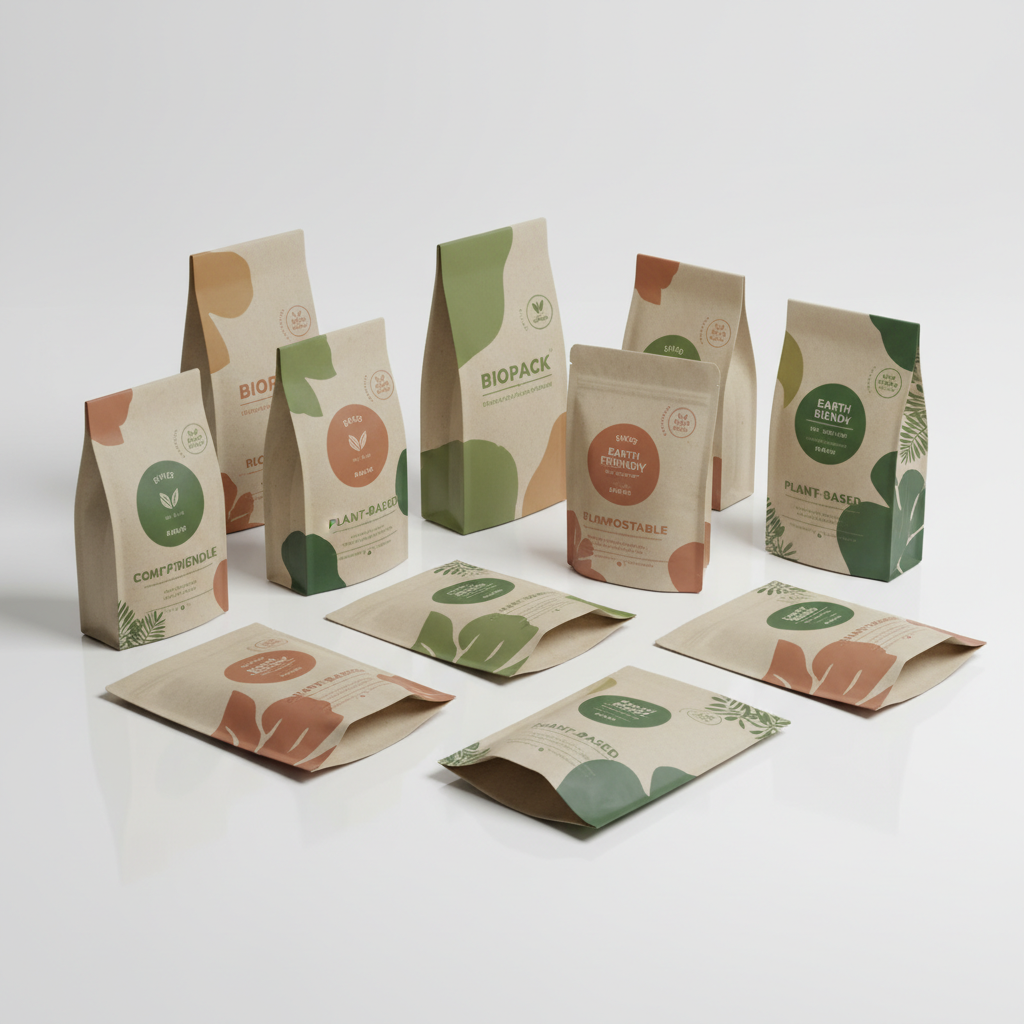
Before placing a wholesale order, it is crucial to understand what “biobased” actually means in the context of industrial packaging. Unlike traditional petroleum-based plastics, biobased plastics are derived wholly or partially from renewable biomass sources, such as corn, sugarcane, or cellulose.
Biobased vs. Biodegradable vs. Compostable
These terms are often used interchangeably, but they represent distinct properties that affect disposal and compliance:
- Biobased: Refers to the origin of the material. It means the product is made from renewable resources. A product can be biobased but not necessarily biodegradable (though many are).
- Biodegradable: Refers to the end-of-life process. The material can break down into natural elements with the help of microorganisms, but the timeframe can vary significantly.
- Compostable: A specific subset of biodegradable materials that break down under specific conditions (industrial or home composting) into non-toxic biomass, water, and CO2 within a defined timeframe.
For food service buyers, distinguishing these terms is vital for accurate labeling and meeting local waste management regulations.
Common Biobased Polymers
When sourcing food packaging bags, you will likely encounter these key materials:
- PLA (Polylactic Acid): Derived from fermented plant starch (usually corn). It offers high clarity and rigidity, making it excellent for cold food display bags or windows in bakery bags. However, standard PLA has low heat resistance.
- PBAT (Polybutylene Adipate Terephthalate): Often blended with PLA to add flexibility and toughness. PBAT gives bags the elasticity needed to prevent tearing under load.
- Starch Blends: Mixtures of thermoplastic starch with other biodegradable polyesters. These offer a natural, matte feel often associated with eco-friendly branding.
- Cellulose Films: Made from wood pulp, these films provide excellent gas barrier properties and are often used for keeping bakery items crisp.
Critical Specifications for Food Service Applications
Switching to biobased options does not mean sacrificing performance. However, bio-polymers behave differently than polyethylene (PE) or polypropylene (PP). Buyers must specify their requirements carefully to ensure the packaging protects the food product effectively.
Barrier Properties and Freshness Preservation
The primary function of any food bag is to preserve the product. Biobased materials have varying transmission rates for oxygen and moisture:
- Moisture Vapor Transmission Rate (MVTR): Critical for dry goods (to keep moisture out) or fresh produce (to let moisture escape). Cellulose films generally offer better moisture management than simple starch blends.
- Oxygen Transmission Rate (OTR): High barrier films are needed for oily foods or products sensitive to oxidation, such as nuts and coffee. Multi-layer bio-laminates are often required here.
Grease and Moisture Resistance
For fast-food chains and bakeries, grease resistance is non-negotiable. Uncoated bio-paper or low-grade starch bags can absorb oil, leading to unsightly stains and structural failure.
Solution: Look for biobased packaging bags treated with bio-coatings or laminated with a thin layer of PLA. This provides a grease-proof barrier without compromising the compostability of the final product.
Heat Resistance and Sealing
Standard PLA can deform at temperatures above 40°C-50°C (105°F-120°F). For hot food applications (like roasted chicken or hot sandwiches), you must request crystallized PLA (CPLA) or high-heat resistant starch blends. Additionally, ensure your heat-sealing equipment is adjustable, as bio-films often require lower sealing temperatures and shorter dwell times than traditional plastics.
Size and Capacity Guide
Choosing the right size minimizes waste and ensures customer convenience. When requesting a quote, consider the volume and weight of your typical serving sizes.
Common Configurations
- Flat Bags: Ideal for cookies, sandwiches, and flat items. Efficient to store and easy to load.
- Gusseted Bags: Side or bottom gussets expand to accommodate bulky items like loaves of bread or bulk grains.
- Stand-Up Pouches: Excellent for shelf display of dry goods like granola, coffee, or snacks. Often equipped with a biobased zipper for resealability.
Thickness Considerations
Thickness is measured in microns (mic) or mils. Because bio-materials can be slightly more brittle than LDPE, we often recommend slightly increasing the gauge for heavy items.
- 30–40 microns (1.2–1.5 mil): Light duty. Suitable for bread, leafy greens, or light pastries.
- 50–70 microns (2–2.7 mil): Medium duty. Good for bulk dry goods, frozen foods, or retail merchandise bags.
- 80+ microns (3+ mil): Heavy duty. Required for large volumes, heavy produce, or industrial applications.
Customization and Printing Options
Branding is essential for food service. A printed biobased packaging bag serves as a mobile billboard for your brand’s commitment to sustainability.
Printing Technologies
- Flexographic Printing: The industry standard for high-volume wholesale orders. It is cost-effective and supports up to 8-10 colors. It works well on both film and paper-based bio materials.
- Digital Printing: Ideal for smaller runs or seasonal promotions. It requires no plate setup fees but has a higher per-unit cost.
Eco-Friendly Inks
To maintain the integrity of an eco-friendly package, the ink must also be sustainable. Specify water-based inks or soy-based inks. These inks are free from volatile organic compounds (VOCs) and do not interfere with the composting process. Ensure your supplier validates that the ink adhesion is stable on bio-films, which can sometimes have different surface tensions than standard plastics.
Design and Compliance Labeling
When designing your artwork, leave space for certification logos (like BPI, OK Compost, or Seedling logos) if your finished product is certified. Clear labeling instructs consumers on how to dispose of the bag correctly, preventing contamination of recycling streams.
Top Use Cases for Biobased Packaging Bags
1. Bakery and Confectionery
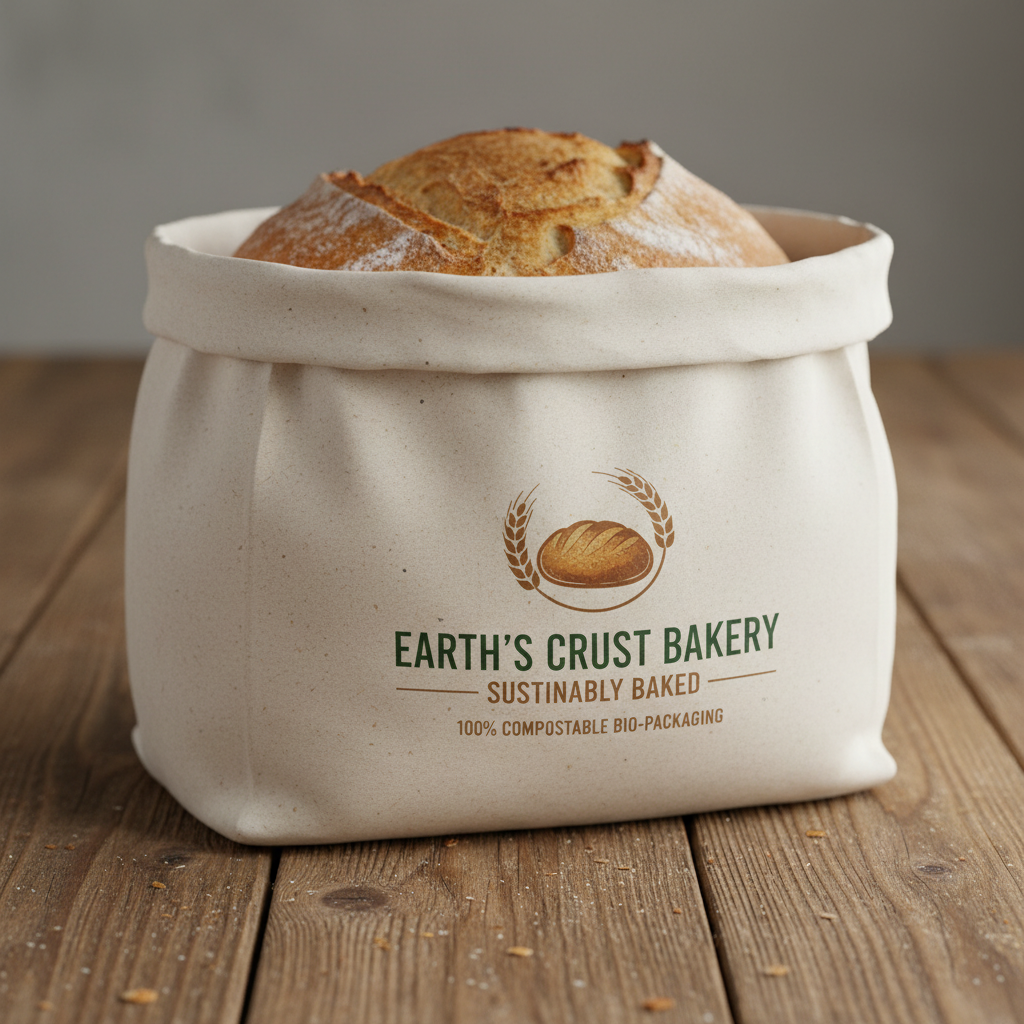
Bread requires “breathable” packaging to maintain a crusty texture, while cookies need air-tight seals to stay soft or crisp. Micro-perforated bio-films or paper/PLA hybrids are top choices here. The clear window options allow customers to see the product while keeping it protected.
2. Fresh Produce
Biobased bags are ideal for fruits and vegetables because of their natural breathability. This permeability prevents condensation buildup, reducing spoilage and extending shelf life for items like leafy greens and berries.
3. Hot Food Takeout
For burgers, fries, and hot sandwiches, grease-resistant bio-paper bags are the standard. They offer thermal retention while preventing grease soak-through. Ensure the material is rated for the specific serving temperature of your food.
4. Frozen Food
Biobased materials for frozen food must withstand sub-zero temperatures without becoming brittle. Special blends of PBAT/PLA are formulated to remain flexible in freezers, preventing bags from cracking during transport or handling.
Manufacturing and Quality Assurance
Partnering with a reliable manufacturer is key to avoiding supply chain disruptions. When evaluating suppliers, inquire about their quality control processes.
Quality Control Metrics
A professional manufacturer should perform rigorous testing, including:
- Tensile Strength Testing: Ensuring the bag can hold the specified weight without stretching to failure.
- Seal Integrity Testing: Verifying that heat seals do not leak or burst under pressure.
- Migration Testing: Confirming that no substances from the packaging transfer to the food (crucial for food safety compliance).
Procurement Guide: How to Order Wholesale
Navigating the ordering process efficiently saves time and money. Here is a checklist for international buyers.
Minimum Order Quantities (MOQ)
Custom printed biobased bags typically have higher MOQs than stock items due to the setup requirements for extrusion and printing plates. Typical MOQs might range from 10,000 to 50,000 units depending on the size and complexity. Be sure to discuss your volume needs early in the conversation.
Lead Times and Logistics
Biobased raw materials can sometimes have longer lead times than standard plastics. Plan for a production window of 3–5 weeks, plus shipping time. Since bio-materials can be sensitive to extreme heat and humidity, ensure your logistics partner uses appropriate shipping containers to prevent degradation during transit.
Storage Requirements
Unlike conventional plastics which can sit in a warehouse for years, biobased materials have a shelf life (often 12–18 months). They should be stored in cool, dry conditions away from direct sunlight. Buy in quantities that you can rotate through within 6–12 months.
Getting Started
To initiate an order, you will generally need to provide:
- Bag dimensions (Width x Height x Gusset)
- Material preference (or description of the food product so we can recommend the material)
- Thickness requirements
- Artwork files (Vector format like AI or PDF)
- Estimated quarterly or annual volume
For detailed guidance on the process, you can visit our how to order page.
Frequently Asked Questions (FAQ)
1. Are biobased packaging bags as strong as plastic bags?
Yes, modern bio-polymer blends (like PLA mixed with PBAT) offer tensile strength and durability comparable to traditional LDPE plastics. They are designed to handle the weight and stress of typical food service applications.
2. Can I print my logo on biobased bags?
Absolutely. Biobased materials can be custom printed using flexographic or digital printing methods. We recommend using water-based or soy-based inks to maintain the eco-friendly profile of the packaging.
3. Do biobased bags have a shelf life?
Yes. Because they are designed to break down, they typically have a shelf life of 12 to 18 months when stored in a cool, dry place. We recommend managing inventory to use stock within a year.
4. Are these bags food grade?
Yes, our biobased packaging bags are manufactured using food-contact safe materials that comply with international food safety standards. They are safe for direct contact with food.
5. What happens if a biobased bag ends up in a landfill?
While biobased bags are designed for composting, if they end up in a landfill, they will generally degrade slower than in a compost environment due to lack of oxygen. However, they do not release the same persistent microplastics associated with traditional fossil-fuel plastics.
6. How do I get a sample?
We encourage testing materials before a full production run. You can contact our team to request samples of various biobased materials to see which one best fits your specific food product.
Conclusion
Transitioning to biobased packaging bags is a powerful step toward sustainability for any food business. It reduces reliance on fossil fuels and signals to your customers that you care about the environment. By understanding the materials, specifying the right barrier properties, and partnering with an experienced manufacturer, you can ensure a seamless switch that maintains the quality and freshness of your food.
Ready to explore sustainable packaging options for your brand? Request a quote / Get a sample today and let us help you design the perfect biobased solution.