

In the competitive landscape of food service and retail, packaging serves two critical roles: protecting the product and projecting the brand. For distributors, restaurant chains, and food manufacturers, the plastic PE sealable bag remains one of the most versatile and reliable packaging solutions available. Whether used for bulk ingredient storage, frozen food retail, or takeaway delivery, Polyethylene (PE) offers a balance of durability, flexibility, and cost-effectiveness.
However, sourcing the right bag is not as simple as picking a size. Material density, seal integrity, print technology, and compliance standards all play pivotal roles in the success of your packaging strategy. This comprehensive guide explores the technical and practical aspects of purchasing custom PE sealable bags, helping procurement officers and business owners make informed decisions.
Understanding Polyethylene (PE) in Food Packaging
Polyethylene is the most widely used plastic in the world, favored in the food industry for its chemical resistance, non-toxicity, and moisture barrier properties. When selecting custom plastic PE sealable bags, it is essential to distinguish between the main variations of PE, as they dictate the bag’s performance.
LDPE (Low-Density Polyethylene)
LDPE is the industry standard for most sealable food bags. It is characterized by its clarity, high flexibility, and excellent impact resistance. It does not crack easily at low temperatures, making it ideal for frozen foods. Its soft feel makes it suitable for consumer-facing packaging where tactility matters.
HDPE (High-Density Polyethylene)
HDPE is stiffer, stronger, and more opaque than LDPE. While less common for clear display bags, it offers superior tensile strength and temperature resistance. It is often used for liners or heavy-duty bulk sacks where puncture resistance is paramount.
LLDPE (Linear Low-Density Polyethylene)
Often blended with LDPE, LLDPE allows for thinner gauges (thickness) without sacrificing strength. It provides better puncture resistance and seal strength than pure LDPE, allowing manufacturers to reduce material usage (downgauging) while maintaining performance—a key factor in cost reduction and sustainability.
Types of Sealing Mechanisms
The term “sealable” encompasses various closure technologies. Choosing the right one depends on whether the package is single-use or intended for repeated access.
1. Press-to-Close Zippers (Interlocking)
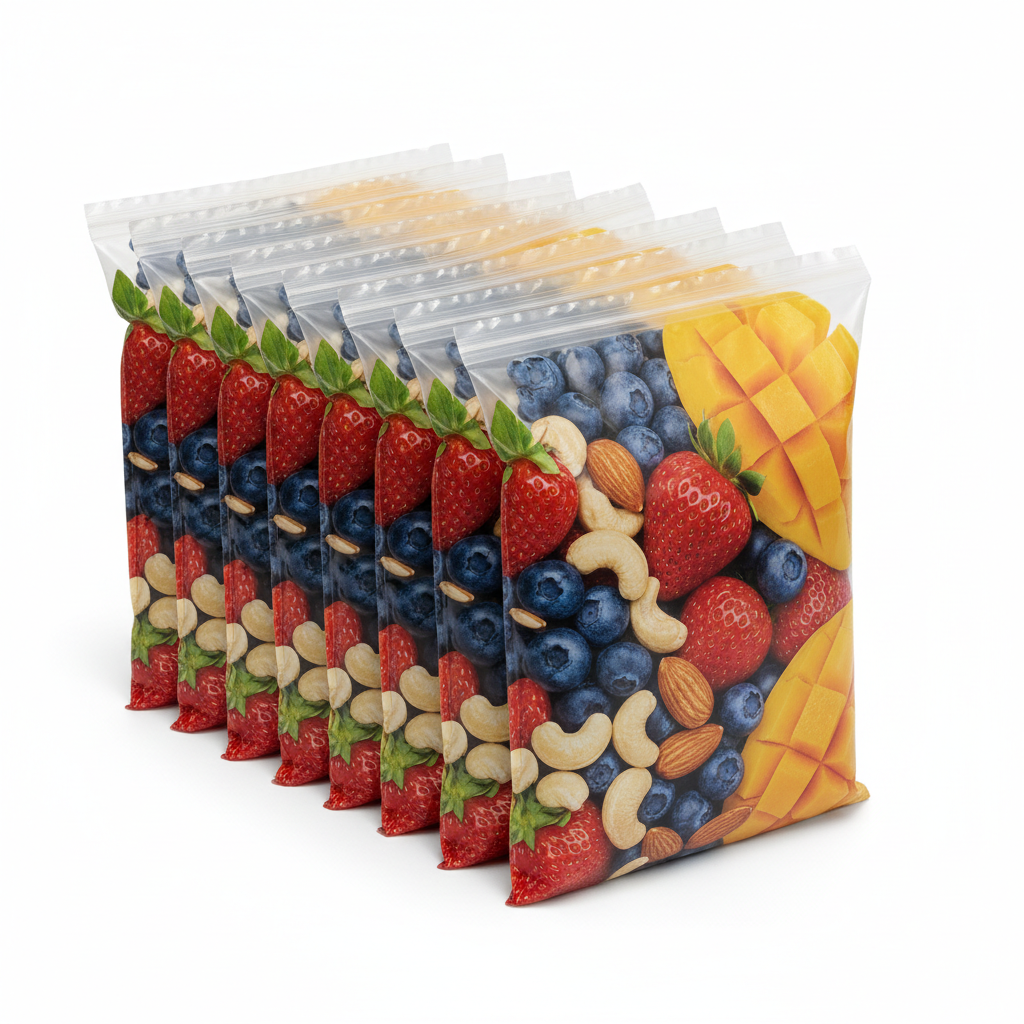
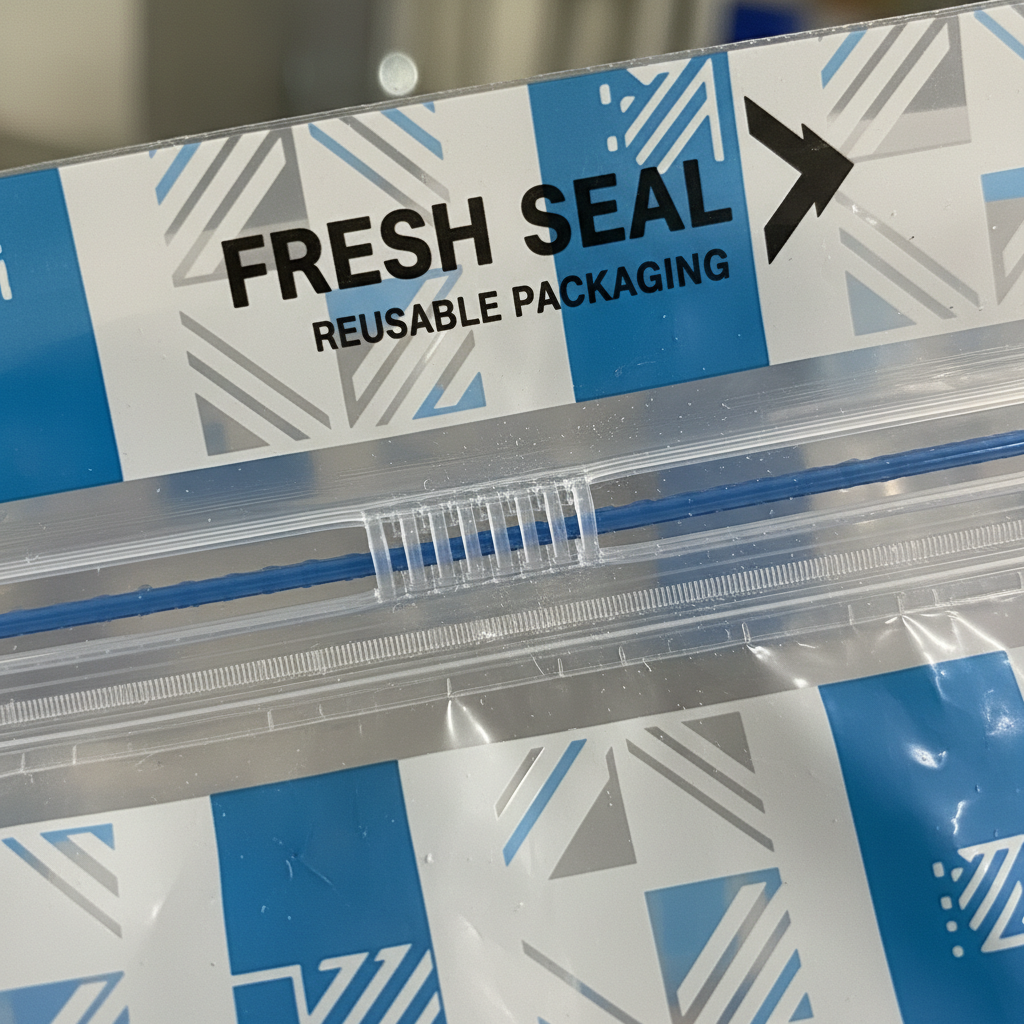
The classic “zipper” profile is extruded directly into the film or heat-sealed onto the bag. This is the standard for consumer retail packs (e.g., dried fruits, nuts, snacks). It provides an audible “click” or tactile sensation to confirm closure, ensuring freshness is maintained after opening.
2. Slider Closures
For larger bags or premium products, a plastic slider clip is added to the zipper track. This mechanism is easier to operate, particularly for users wearing gloves in commercial kitchens or for elderly consumers. It adds value to the product but also increases the unit cost.
3. Heat Sealable Headers
For maximum food safety and tamper evidence, bags are often heat-sealed above the zipper. The end-user must tear off a header strip to access the zipper. This is a critical feature for retail environments to prevent contamination before purchase.
4. Adhesive Tape Seals
Common in bakery and apparel settings, these bags feature a flap with a pressure-sensitive adhesive strip.
- Resealable Tape: Allows the bag to be opened and closed multiple times.
- Permanent Tape: Destroys the bag upon opening, acting as a security seal for food delivery or confidential documents.
Technical Specifications: Thickness and Sizing
Specifying the correct dimensions and gauge is crucial to prevent product spoilage and minimize waste. Over-specifying increases costs, while under-specifying leads to bag failure.
Determining Thickness (Mil/Micron)
Thickness is measured in mils (thousandths of an inch) or microns.
- 1.5 – 2 Mil (38 – 50 Microns): Light-duty. Suitable for lightweight produce, breads, or short-term storage.
- 3 – 4 Mil (75 – 100 Microns): Standard heavy-duty. Ideal for frozen foods, hardware, or bulk grains. This thickness provides a substantial moisture barrier.
- 6+ Mil (150+ Microns): Industrial grade. Used for heavy, sharp, or abrasive items requiring extreme puncture resistance.
Sizing and Gussets
When measuring a bag, distinguish between the Overall Dimensions (OD) and the Internal Dimensions (ID). The seal width (typically 5-10mm) reduces the usable space. For bulky items, flat bags are insufficient. You will require gussets:
- Bottom Gusset: Allows the bag to stand upright on shelves (Stand-Up Pouch) and increases volume capacity.
- Side Gusset: Expands the width, often used for box liners or bulk coffee packaging.
Printing and Customization for Branding
In the B2B and retail food sectors, the bag is your billboard. Custom printing transforms a generic container into a marketing asset. High-quality printing is essential for displaying logos, nutritional facts, barcodes, and cooking instructions.
Printing Technologies
Rotogravure Printing: The gold standard for high-volume orders. It uses engraved cylinders to transfer ink, allowing for photo-realistic images, gradients, and precise color matching (up to 10 colors). It requires a higher initial investment for cylinder plates but offers the lowest per-unit cost for large runs.
Flexographic Printing: Uses flexible relief plates. It is cost-effective for simple designs (logos, text, 1-4 colors) and medium runs. While quality has improved significantly, it may not achieve the same depth as rotogravure for complex imagery.
Surface vs. Reverse Printing
For laminated bags (e.g., PE/PET structures), reverse printing is recommended. The ink is printed on the inner layer of the outer film, trapping it between the laminate layers. This prevents the ink from scratching off or coming into contact with food, ensuring compliance and durability.
Common Use Cases in Food Service
To better understand which configuration suits your needs, consider these common applications within the broader food packaging bag category.
| Application | Recommended Features | Why? |
|---|---|---|
| Frozen Food (Meat, Veg) | LDPE/LLDPE Blend, 3-4 Mil, High Impact Resistance | Must withstand freezing temps without cracking (cold crack resistance). |
| Dried Snacks (Nuts, Jerky) | Laminated PE (High Barrier), Zipper, Stand-Up Pouch | Requires oxygen and moisture barrier to preserve crunch and flavor. |
| Fresh Produce | Vented LDPE, Anti-Fog Coating | Vents allow respiration; anti-fog maintains clarity for consumer inspection. |
| Takeout/Delivery | Tamper-Evident Adhesive or Heat Seal | Ensures safety during transit; builds consumer trust. |
Quality Assurance and Manufacturing Standards
When evaluating a manufacturer, you are not just buying plastic; you are buying consistency. Defective seals or contaminated materials can lead to costly recalls. Buyers should inquire about the following:
1. Food Grade Compliance
Ensure the manufacturer uses virgin resin (not recycled material, unless certified for food contact) that complies with relevant safety standards (such as FDA or EU regulations). The facility should have clean-room capabilities or strict hygiene protocols to prevent contamination during extrusion and converting.
2. Seal Strength Testing
Reliable suppliers perform tensile testing on seals to ensure they do not burst under pressure. This is particularly important for vacuum-sealed bags or bags holding liquids.
3. Leak Testing
For barrier bags, automated leak detection systems or random water-bath sampling should be part of the QC process to verify airtight integrity.
Buying Guide: How to Order Custom PE Bags
Navigating the procurement process efficiently requires preparation. Here is a checklist to streamline your interaction when you decide to contact our team.
Minimum Order Quantity (MOQ)
Custom manufacturing involves setup times for extrusion and printing presses. Consequently, MOQs apply.
- Plain Bags: Lower MOQs, often available from stock.
- Custom Printed Bags: Higher MOQs (typically 10,000 to 30,000+ units depending on size) to amortize the setup costs.
Artwork Preparation
If you require branding, have your artwork ready in vector format (AI, EPS, or PDF). Define your Pantone (PMS) colors clearly. Your supplier will typically provide a digital proof (dieline) for approval before mass production begins.
Lead Times
Production timelines vary based on complexity. A typical cycle might look like this:
- Design Approval & Plate Making: 5-7 days.
- Production (Extrusion, Printing, Converting): 15-20 days.
- Shipping: Varies by location and method (Air vs. Sea).
Plan your inventory usually 8-10 weeks in advance for new custom orders to account for all steps.
Sustainability Considerations
Modern buyers are increasingly conscious of environmental impact. PE bags are technically recyclable (Code 4 for LDPE). To enhance sustainability, ask about:
- Mono-material structures: Bags made entirely of PE (including the zipper and laminate) are easier to recycle than multi-plastic blends.
- Downgauging: Using high-performance resins to reduce thickness without losing strength, reducing overall plastic usage.
Frequently Asked Questions (FAQ)
1. Can PE sealable bags be vacuum sealed?
Standard LDPE bags are not ideal for long-term vacuum storage as they are oxygen-permeable. For vacuum sealing, you typically need a co-extruded bag (e.g., PA/PE) where Nylon (PA) provides the oxygen barrier and PE provides the sealant layer.
2. What is the difference between a zipper and a slider?
A zipper is a press-to-close track built into the bag. A slider is an additional plastic clip mounted on the track that makes opening and closing easier. Sliders are more expensive but offer better usability.
3. How do I measure the thickness I need?
If you are unsure, send a physical sample of your current bag to the manufacturer. They can use a micrometer to determine the exact gauge. Alternatively, describe the weight and sharpness of your product for a recommendation.
4. Are these bags safe for direct food contact?
Yes, provided they are manufactured from virgin food-grade polyethylene. Always request confirmation of food-grade status from your supplier.
5. Can you print photos on PE bags?
Yes, using rotogravure printing, high-resolution photographic images can be printed. This usually requires a laminated structure to protect the ink and ensure print quality.
6. What information do I need to get a quote?
To get an accurate price, provide: Bag dimensions (Width x Height + Gusset), Thickness, Material type, Number of print colors, Quantity required, and details on features like zippers or hang holes. You can visit our how to order page for more details.
7. Do you offer biodegradable options?
Many manufacturers now offer bio-based or compostable alternatives to traditional PE. These materials have different shelf-life and strength properties, so discuss your specific storage needs with the supplier.
Conclusion
Selecting the right plastic PE sealable bag involves balancing protection, presentation, and price. From the clarity of LDPE to the convenience of slider zippers and the marketing power of rotogravure printing, the options are vast. By understanding the technical specifications and aligning them with your product’s lifecycle, you can secure packaging that enhances your brand and protects your bottom line.
Ready to upgrade your food packaging? Request a quote today to discuss your custom requirements, or browse our catalog to see how we can support your supply chain with high-quality, reliable packaging solutions.