

In the competitive landscape of food distribution and retail, packaging serves two critical roles: protecting the product and projecting the brand. For frozen food suppliers, meat processors, and private label brands, the choice of custom plastic freezer bag wholesale partners is a strategic decision that impacts product longevity and consumer trust. Unlike standard ambient packaging, freezer-grade materials must withstand sub-zero temperatures without becoming brittle, cracking, or losing seal integrity.
This comprehensive guide explores the technical specifications, material choices, printing technologies, and procurement strategies necessary for sourcing high-quality printed freezer bags. Whether you are packaging frozen vegetables, meats, seafood, or prepared meals, understanding these factors will help you streamline your supply chain and ensure your product arrives in pristine condition.
Why Specialized Freezer Packaging is Non-Negotiable
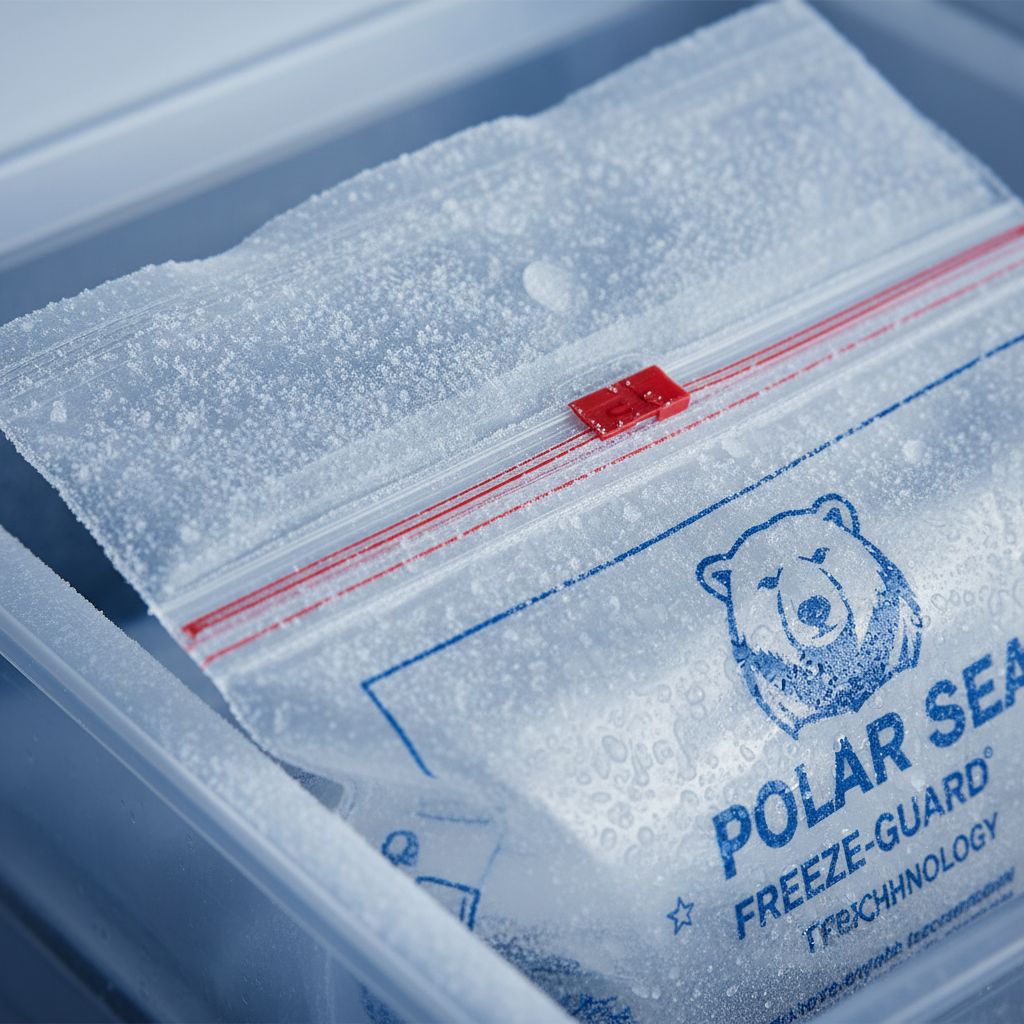
Standard polyethylene bags often fail under deep-freeze conditions. The molecular structure of general-purpose plastic can contract and stiffen when exposed to temperatures below -18°C (0°F), leading to “cold cracking” or seal failure. Specialized freezer bags are engineered to maintain flexibility and impact strength even in blast freezers.
Furthermore, preventing freezer burn is a primary function. Freezer burn occurs when air reaches the food surface, causing dehydration and oxidation. High-quality freezer bags utilize materials with superior barrier properties to lock out oxygen and moisture, preserving the flavor, texture, and color of the food inside.
The Role of Branding in Frozen Food
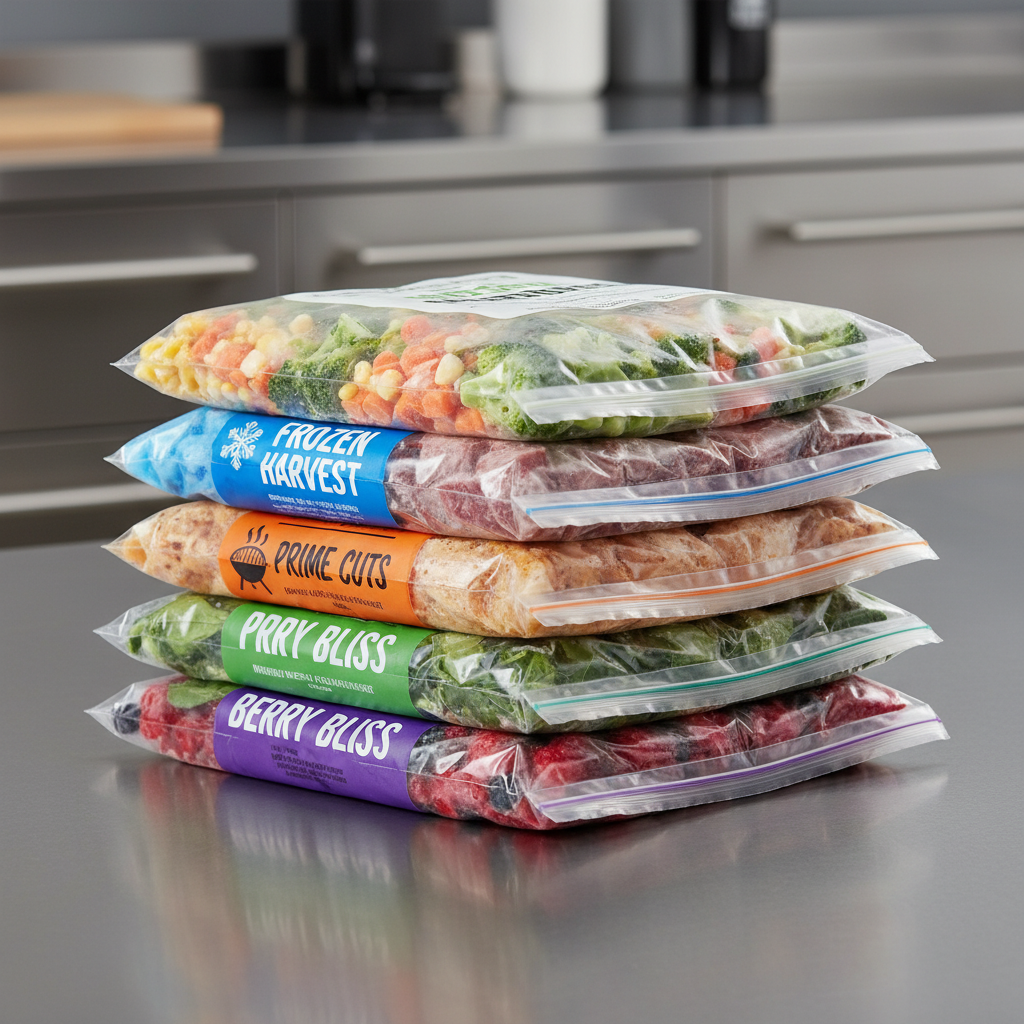
Beyond protection, the freezer aisle is a crowded marketplace. Custom printing transforms a functional bag into a marketing tool. High-definition graphics, clear nutritional information, and cooking instructions printed directly on the bag enhance user experience and brand recall. For B2B buyers, sourcing plastic freezer bags directly from a manufacturer allows for full customization of these elements, ensuring consistency across large production runs.
Material Options for Wholesale Freezer Bags
Selecting the right resin blend is the first step in custom manufacturing. The material determines the bag’s clarity, strength, and barrier performance.
1. Low-Density Polyethylene (LDPE)
LDPE is the industry standard for freezer storage. It remains flexible at low temperatures and offers good clarity. For wholesale applications, LDPE is cost-effective and versatile, suitable for everything from ice bags to bulk vegetable packaging.
2. Linear Low-Density Polyethylene (LLDPE)
LLDPE is often blended with LDPE to increase puncture resistance and tensile strength. This is particularly important for packaging bone-in meats or frozen items with sharp edges (like shellfish), where a standard bag might tear during handling or transport.
3. Co-Extruded Films
For premium applications, manufacturers use co-extrusion—a process where multiple layers of plastic are created simultaneously. A typical 3-layer or 5-layer co-extruded film might include:
- Inner Layer: Food-safe sealing layer (easy to heat seal).
- Middle Layer: Structural layer for strength and puncture resistance.
- Outer Layer: Printable surface optimized for ink adhesion.
4. Metallocene PE
Metallocene polyethylene (mPE) is a high-performance resin that offers superior seal strength through contaminants (like grease or ice dust) and exceptional clarity. It allows for thinner films without compromising strength, potentially reducing material costs and waste.
Determining Thickness and Dimensions
Over-specifying thickness wastes money; under-specifying risks product spoilage. Thickness is typically measured in mils (thousandths of an inch) or microns.
- 1.5 – 2 Mil (38-50 microns): Suitable for light-duty short-term storage, such as bread or pre-portioned smoothie packs.
- 2 – 3 Mil (50-76 microns): Standard freezer grade. Ideal for vegetables, fruits, and boneless meats. Provides a good balance of clarity and durability.
- 4 Mil+ (100+ microns): Heavy-duty. Required for bone-in meats, large bulk quantities (5kg+), or long-term deep freeze storage where maximum puncture resistance is needed.
Sizing Considerations
When ordering food packaging bags, consider the volume of the product after freezing. Some products expand; others settle. Always calculate the “fill line”—the bag must have enough headspace to be sealed securely (either via zipper or heat seal) without straining the material.
Custom Printing: Options and Technologies
High-quality printing is what separates generic wholesale supplies from branded packaging solutions. There are two primary methods used in the industry.
Flexographic Printing (Flexo)
Flexography is the most common method for printing on plastic films. It uses flexible relief plates and is ideal for medium to large runs.
- Pros: Cost-effective for simple to moderately complex designs (up to 8-10 colors). Fast production speeds.
- Cons: High-definition gradients can sometimes be challenging compared to gravure, though modern HD Flexo has largely bridged this gap.
Rotogravure Printing (Gravure)
Gravure uses engraved copper cylinders. It is the choice for premium, photo-realistic imagery.
- Pros: Unmatched image quality, depth, and consistency. Excellent for very long runs (100,000+ units).
- Cons: Higher initial setup costs due to cylinder engraving. Higher Minimum Order Quantities (MOQs) usually apply.
Ink Considerations for Freezers
Standard inks can flake or peel in freezing temperatures. Freezer-grade inks are formulated with special binders that maintain adhesion on polyethylene surfaces even when the film contracts in the cold. Furthermore, if the printing is on the surface (surface print), a varnish or over-lacquer is essential to prevent scuffing during transport. For laminated bags, the print is “trapped” between layers (reverse print), offering 100% protection against abrasion.
Functional Customization Features
Beyond the print, the physical features of the bag dictate its usability in a commercial kitchen or consumer home.
1. Closure Systems
- Press-to-Close Zippers: The standard “ziplock” style. Reliable and cost-effective for consumer resealability.
- Slider Zippers: Easier to operate, especially with gloved hands or for elderly consumers. Adds a premium feel.
- Tamper-Evident Seals: A heat-sealed area above the zipper that must be torn off to access the product. Essential for retail safety compliance.
2. Write-on Panels
A white matte ink patch printed on the bag allows users to write dates or contents using a standard pen or marker. This is a crucial feature for commercial kitchens and meal prep services.
3. Gussets
- Bottom Gusset: Allows the bag to stand upright when filled. Great for retail display and efficient shelf storage.
- Side Gusset: Expands to accommodate bulky items like whole chickens or large cuts of meat.
4. Ventilation Holes
For certain vegetables that need to breathe before freezing, or to release trapped air during the packing process to maximize shipping density, micro-perforations can be added.
Quality Assurance and Testing
When evaluating a supplier, inquire about their QA protocols. Reliable manufacturing involves:
- Tensile Testing: Verifying the plastic stretches without snapping prematurely.
- Seal Strength Testing: Ensuring the side seams and zipper welds do not burst under pressure.
- Drop Testing: Filling the bag, freezing it, and dropping it to simulate supply chain abuse.
- Migration Testing: Ensuring no chemical constituents from the plastic or ink migrate into the food.
Buying Guide: How to Order Wholesale Custom Bags
Navigating the procurement process requires clear communication of your requirements. Here is a step-by-step guide to placing a successful order.
Step 1: Define Your Specifications
Before requesting a quote, gather the following data:
- Dimensions: Width x Length (and Gusset depth if applicable).
- Thickness: Target mil/micron.
- Material Preference: LDPE, LLDPE, or Co-ex.
- Closure: Zipper, slider, or open top (for heat sealing).
- Quantity: Estimated annual volume and per-order volume.
Step 2: Artwork Preparation
Prepare your design files in vector format (AI, EPS, or PDF). Identify the number of colors (Pantone codes are preferred for accuracy). If you need assistance with layout, many manufacturers offer design support.
Step 3: Understanding MOQ
Custom manufacturing involves setup time and material waste during machine calibration. Consequently, Minimum Order Quantities (MOQs) are standard. For custom printed bags, MOQs often start at 5,000 to 10,000 units depending on size and complexity. Higher volumes typically yield significantly lower per-unit costs.
Step 4: Sampling
Always request samples before full production. You can usually request:
- Stock Samples: Existing bags from previous runs to check material quality and zipper function.
- Digital Proofs: A PDF visual of your artwork on the bag die-line.
- Pre-production Samples: Actual printed bags (note: this often incurs a setup fee).
For detailed steps on initiating an order, refer to our How to Order page.
Common Pitfalls in Sourcing Freezer Bags
Ignoring Cold-Crack Resistance: Buying standard poly bags for freezer use is the most common error. Standard PE becomes brittle. Always specify “Freezer Grade.”
Incorrect Sizing: Failing to account for the zipper area. The usable space is below the zipper. Ensure your product fits comfortably within the usable dimensions.
Overlooking Lead Times: Custom plate making and manufacturing take time. Typical lead times can range from 3 to 6 weeks depending on the complexity and factory load. Plan your inventory accordingly.
Frequently Asked Questions
1. What is the difference between a vacuum bag and a standard freezer bag?
A vacuum bag is typically made from a nylon/poly blend (PA/PE) to provide a high oxygen barrier for vacuum sealing. A standard freezer bag is usually LDPE and is designed for general frozen storage but not necessarily for high-vacuum applications. Ensure you specify if you need vacuum-compatible materials.
2. Can you print photos on freezer bags?
Yes. Using rotogravure or high-quality flexographic printing, we can reproduce photo-realistic images (CMYK) on your bags to showcase the food inside.
3. Are these bags FDA approved?
Reputable manufacturers use 100% virgin food-grade resins that comply with FDA and EU food contact regulations. Always ask for compliance documentation if required for your records.
4. How do I measure the thickness I need?
If you have a current bag you like, you can send a sample to the manufacturer for micrometer analysis. Alternatively, describe your product weight and sharpness (e.g., “2kg of bone-in chicken wings”), and the supplier will recommend the appropriate thickness (likely 3-4 mil).
5. What is the shelf life of the bags themselves?
Polyethylene bags have a very long shelf life if stored correctly (cool, dry place away from direct sunlight). However, it is best to use them within 1-2 years to ensure the anti-block additives (which prevent bags from sticking together) remain effective.
6. Can I get biodegradable freezer bags?
Yes, options exist, but they behave differently than standard plastics. Discuss your sustainability goals with the manufacturer to find a material that balances eco-friendliness with the necessary freezer-grade durability.
7. Do you offer custom sizes not listed on the website?
Absolutely. As a custom manufacturer, bags can be extruded to almost any dimension required by your specific product line.
Conclusion
Sourcing custom plastic freezer bags wholesale is about balancing protection, presentation, and price. By understanding the nuances of material thickness, print technology, and functional features like zippers and gussets, you can create packaging that not only preserves your food product but also elevates your brand in the eyes of the consumer.
Whether you are a startup food processor or a large-scale distributor, choosing the right manufacturing partner is key to navigating these technical specifications successfully. Ensure your partner understands the rigorous demands of the frozen food supply chain.
Ready to upgrade your frozen food packaging? Contact us today to discuss your specifications, request a quote, or get a sample kit delivered to your facility.