

Introduction to High-Performance Food Packaging
In the competitive landscape of food service, packaging serves two critical functions: preserving food integrity and communicating brand value. For restaurants, fast-food chains, and bakeries, the custom PE coated bag is a staple solution that bridges the gap between functionality and marketing. Unlike standard paper bags, polyethylene (PE) coated options offer a robust barrier against grease, oil, and moisture, ensuring that products reach the consumer in pristine condition.
Sourcing these bags at a wholesale level requires a deep understanding of material specifications, coating weights, printing technologies, and supply chain logistics. Procurement managers and business owners must navigate a variety of options—from paper grades to closure types—to find the perfect fit for their menu items.
This comprehensive guide explores the technical aspects of PE coated bags, detailing how to select the right specifications for grease resistance, optimize your design for high-quality printing, and streamline the wholesale ordering process. Whether you are upgrading your current packaging or launching a new product line, understanding these variables is essential for cost-effective and reliable procurement.
What is a PE Coated Bag? Technical Composition
A PE coated bag is a composite material consisting of a paper substrate laminated with a thin layer of polyethylene plastic. This combination leverages the structural rigidity and printability of paper with the barrier properties of plastic.
The Substrate: Paper Grades
The base of the bag is typically made from Kraft paper. The choice of paper affects both the aesthetics and the strength of the final product.
- White Kraft Paper: Bleached paper that provides a clean, bright canvas for vibrant printing. It is ideal for brands requiring precise color matching and high-contrast logos.
- Brown (Natural) Kraft Paper: Unbleached paper that offers a rustic, eco-friendly appearance. While it absorbs ink differently than white paper, it is often preferred for organic or artisanal food brands.
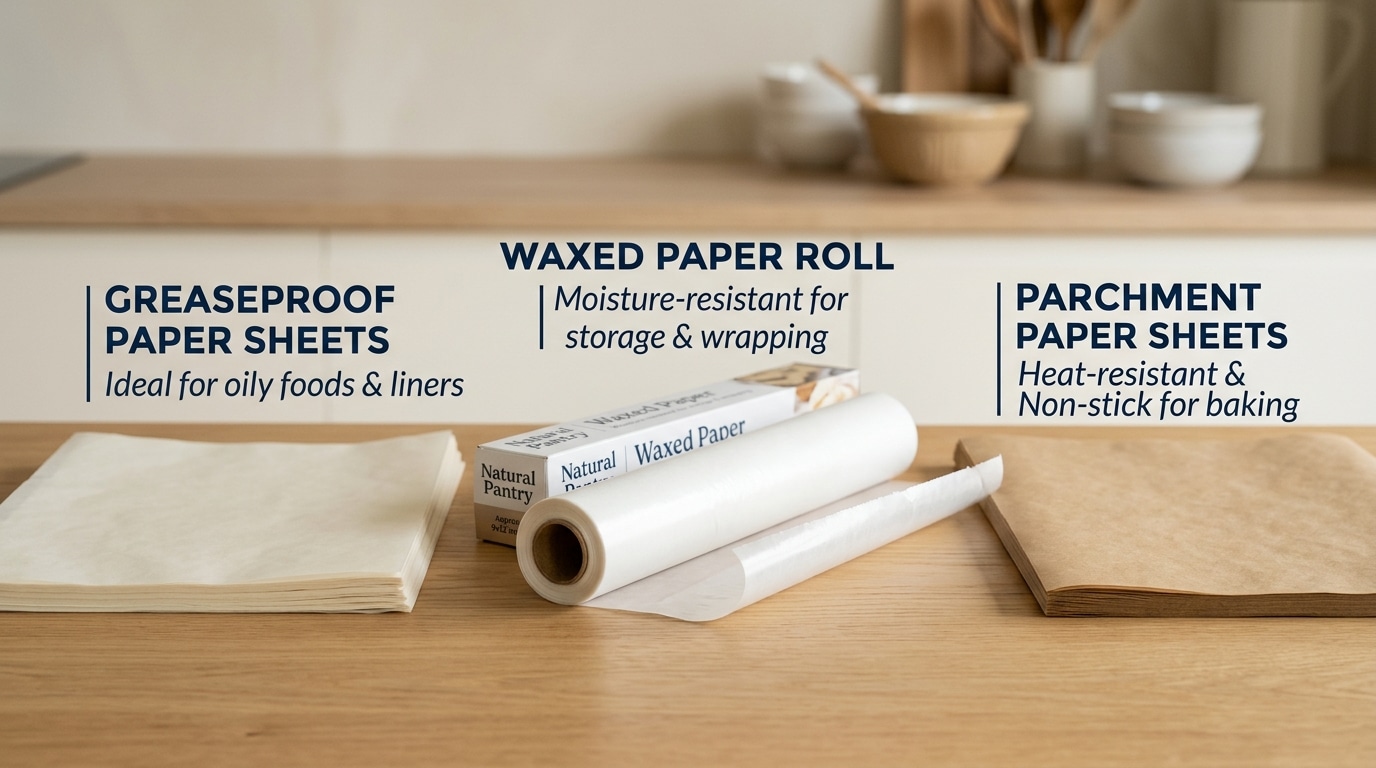
- Greaseproof Paper Base: For applications requiring extreme oil resistance, the base paper itself may be treated to be grease-resistant before the PE coating is applied, providing a double layer of protection.
The Barrier: Polyethylene (PE) Coating
The PE layer is extruded onto the paper, creating a seamless bond. This layer is hydrophobic (water-repelling) and lipophobic (fat-repelling) to varying degrees.
- Single Poly (1-Sided): Coating on the inside of the bag only. This is the standard for most food service applications, preventing grease from soaking through to the customer’s hands while leaving the outside matte for texture and grip.
- Double Poly (2-Sided): Coating on both the inside and outside. This is used in environments with high condensation (like refrigerated items) to prevent the paper from weakening due to external moisture.
For a wide selection of material combinations, buyers can explore our PE coated bag category.
Material Specifications and Grease Resistance
Selecting the correct material specification is crucial to prevent packaging failure. “Grease bleed-through” is a common issue that damages brand reputation and customer experience. Specifications are generally defined by the weight of the paper and the weight of the coating.
Understanding GSM (Grams per Square Meter)
The total weight of the packaging material is the sum of the paper weight and the PE coating weight.
- Paper Weight: Typically ranges from 30 GSM to 80 GSM for food bags. Lighter weights (30-40 GSM) are suitable for light pastries, while heavier weights (60-80 GSM) are necessary for heavy burgers or fried chicken portions.
- PE Coating Weight: Typically ranges from 10 GSM to 20 GSM. A thicker coating (15-20 GSM) provides a stronger barrier against hot oils and liquids.
Grease Resistance Levels (Kit Testing)
While PE coating provides a physical barrier, the industry often uses the “Kit Test” (TAPPI T 559) to measure oil resistance on a scale of 1 to 12. Level 1 indicates low resistance, while Level 12 indicates high resistance to aggressive oils and solvents.
| Food Type | Recommended Barrier Level | Typical Material Spec |
|---|---|---|
| Dry Bakery (Croissants, Cookies) | Low to Medium | 40 GSM Paper + 10 GSM PE |
| Fried Snacks (Fries, Hash Browns) | Medium | 50 GSM Paper + 12 GSM PE |
| Greasy/Hot Foods (Burgers, Fried Chicken) | High | 60+ GSM Paper + 15-18 GSM PE |
| Saucy Items (Sandwiches with Dressing) | Very High | 70 GSM Paper + 18-20 GSM PE |
Printing Options for Custom Branding
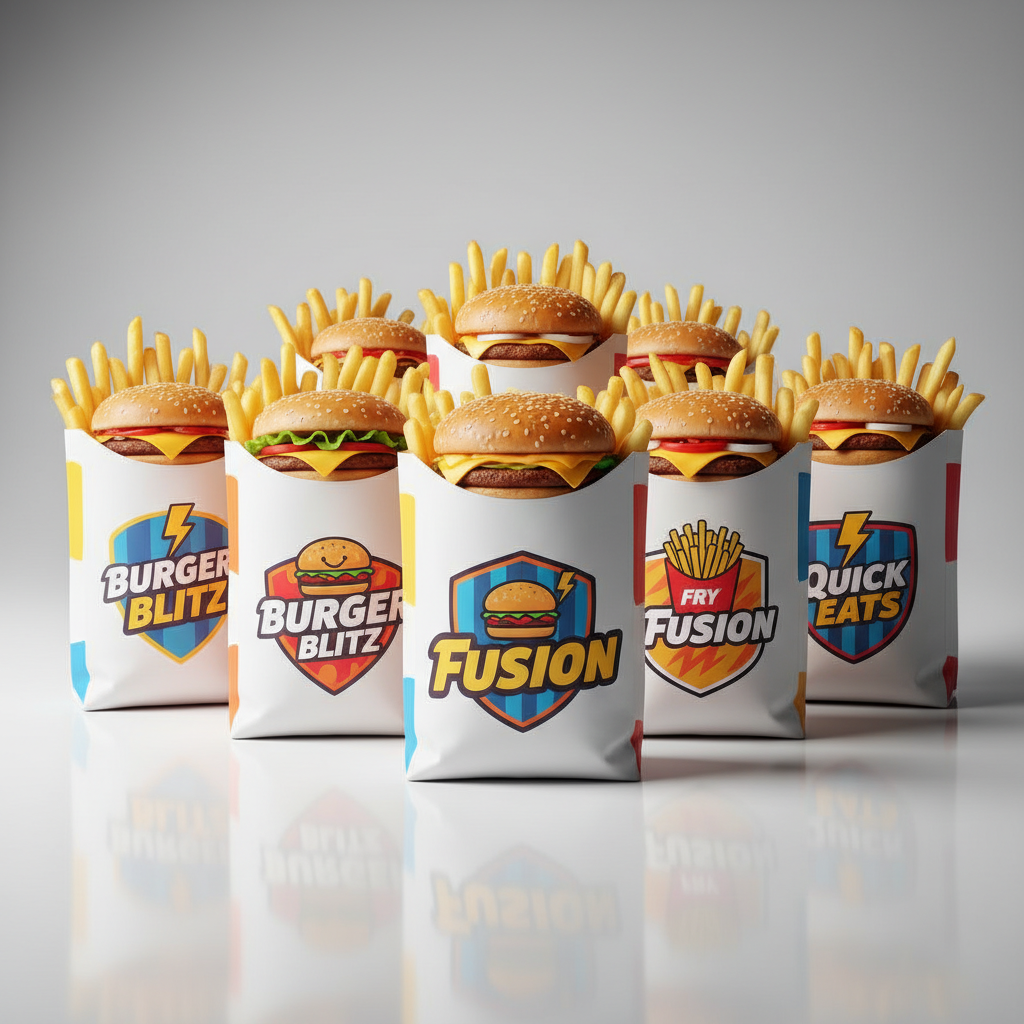
Custom printing transforms a functional container into a mobile billboard. Wholesale buyers have several printing technologies to choose from, depending on volume and design complexity.
Flexographic Printing (Flexo)
Flexography is the industry standard for wholesale food packaging. It uses flexible relief plates and fast-drying inks.
- Pros: Extremely cost-effective for high volumes (10,000+ units). Supports continuous patterns and spot colors (Pantone). Food-safe water-based inks are standard.
- Cons: Initial setup costs for plates can be higher. Not ideal for photographic quality images with complex gradients.
- Best For: Logos, text, simple patterns, and solid block colors on large production runs.
Offset Printing
Offset printing transfers ink from a plate to a rubber blanket, then to the paper.
- Pros: Superior image quality, sharp details, and accurate color reproduction. Suitable for complex designs.
- Cons: Higher cost per unit than flexo. Slower production speeds for bag converting.
- Best For: Premium packaging requiring high-definition graphics.
Ink Considerations for Food Safety
Regardless of the printing method, safety is paramount. Ensure your supplier uses:
- Water-Based Inks: Low VOCs and non-toxic.
- Low-Migration Inks: Inks designed so that components do not migrate through the substrate into the food.
- UV Curing (if applicable): Must be fully cured to prevent odor and contamination risks.
Design Checklist for Printed PE Coated Bags
To ensure your custom bags look exactly as intended, follow this checklist during the design phase:
1. Vector Files
Always supply artwork in vector formats (AI, EPS, PDF). Vector graphics can be scaled indefinitely without losing quality, ensuring crisp lines for logos and text.
2. Pantone Colors (PMS)
Specify Pantone Matching System (PMS) codes for your brand colors. CMYK values can vary significantly between printers and substrates (especially brown Kraft vs. white Kraft). PMS ensures consistency across different packaging types.
3. Safe Zones and Bleeds
Bleed: If your design runs to the edge of the bag, extend the artwork 3-5mm beyond the trim line to avoid white edges during cutting.
Safe Zone: Keep critical text and logos at least 5-10mm away from the edges and folds to prevent them from being cut off or hidden in the gusset.
4. Gusset Design
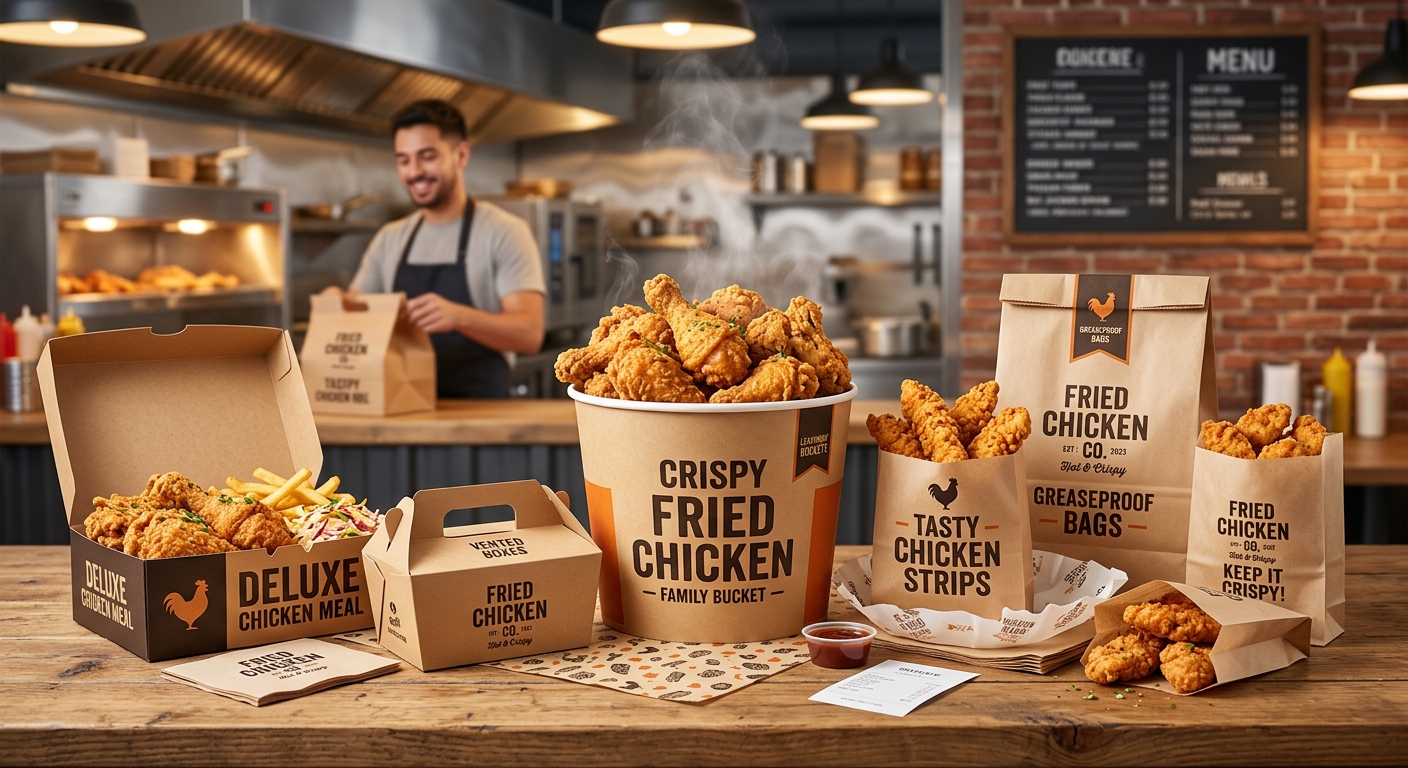
Don’t forget the side gussets. These expandable sides offer prime real estate for additional branding, websites, social media handles, or nutritional information. View our food packaging bag collection to see examples of effective gusset utilization.
Sizing and Capacity Guidance
Choosing the right size minimizes waste and ensures customer convenience. Bags that are too small crush the food; bags that are too large increase costs and storage space.
Common Bag Styles
- Flat Bags: No gussets. Ideal for cookies, pretzels, and flat sandwiches.
- Satchel Bags (V-Bottom): Side gussets with a V-shaped bottom. Good for thicker sandwiches and pastries.
- Square Bottom Bags (SOS): Self-opening sack with a flat bottom. Stands upright. Perfect for takeout meals, multiple items, and bulkier foods.
Sizing Dimensions (Width x Gusset x Height)
Dimensions are typically measured in millimeters or inches. Common configurations include:
- Small (e.g., 100 x 50 x 150mm): Single donut, hash brown, small fries.
- Medium (e.g., 150 x 80 x 250mm): Burger, bagel, sandwich.
- Large (e.g., 250 x 120 x 330mm): Family meal kits, multiple bakery items, baguette (elongated height).
When requesting a quote, measure your food product and add 10-15% clearance for easy loading.
Manufacturing and Quality Assurance
Reliable manufacturing involves several steps, from raw material sourcing to final inspection. Understanding this process helps in vetting suppliers.
Extrusion and Lamination
The process begins with coating the raw paper roll with molten polyethylene. Uniformity is key here; uneven coating leads to weak spots where grease can penetrate.
Printing and Converting
The coated paper is then printed (usually roll-to-roll) before being cut and folded into bags. Precision in the converting stage ensures that seams are glued tightly and dimensions are accurate.
Quality Control Checks
A professional manufacturer performs specific tests:
- Seam Strength Test: Pulling the glued seams to ensure they do not fail under the weight of the food.
- Leakage Test: Filling a sample bag with oil or water to verify the integrity of the PE barrier.
- Odor Test: Ensuring the paper and ink do not impart any smell to the food product.
Ordering Guide: From Quote to Delivery
Navigating the wholesale ordering process efficiently can save weeks of lead time. Here is a step-by-step guide.
1. Define Your Requirements
Before contacting a supplier, gather the following data:
- Product to be packaged: (e.g., “Hot fried chicken wings”)
- Size estimates: (e.g., “6x4x10 inches”)
- Quantity: (e.g., “50,000 units”)
- Printing specs: (e.g., “2 colors, 1 side”)
2. Requesting a Quote
Submit your details via the contact page. Be specific about your annual volume, as this can often unlock tiered pricing discounts.
3. Sampling
Always request samples before committing to a full production run. Ordering samples allows you to test the grease resistance with your actual food product. Check for fit, heat retention, and structural integrity.
4. Artwork Approval
Once the quote is accepted, you will submit your artwork. The factory will provide a digital proof (dieline). Review this carefully for spelling, positioning, and color codes. Once approved, production plates are made, and changes become costly.
5. Production and Logistics
Lead times vary based on customization levels and shipping methods. Sea freight is cost-effective for bulk orders but requires planning (typically 4-6 weeks transit). Air freight is faster but significantly more expensive.
Sustainability and Disposal
While PE coated bags are excellent for performance, disposal is a common question. Because they are a composite of paper and plastic, they are not always recyclable in standard paper streams depending on local facilities.
- Recyclability: Some specialized facilities can separate the PE lining from the paper fibers.
- Reduction: Using the thinnest functional PE layer reduces plastic usage.
- Alternatives: For strictly compostable requirements, ask about PLA (Polylactic Acid) coatings or water-based dispersion coatings, though these may have different performance characteristics and costs compared to traditional PE.
Common Pitfalls in Buying PE Coated Bags
- Ignoring Heat Tolerance: Standard PE has a melting point. If you are packaging extremely hot items directly from a fryer, ensure the specific grade of PE used is rated for those temperatures to prevent the lining from melting or warping.
- Underestimating MOQ: Custom printing requires machine setup. Most manufacturers have a Minimum Order Quantity (MOQ) typically starting at 10,000 to 30,000 units for custom sizes/prints.
- Incorrect Storage: Paper is hygroscopic. Store your wholesale bags in a cool, dry place. High humidity can cause the paper to curl, making them difficult to open during service.
FAQ: Custom PE Coated Bags
1. Can I print on the inside of the bag?
Generally, printing is done on the outside of the bag. Printing on the inside (where food touches) requires specialized, highly certified inks and is rarely done for standard fast food packaging due to cost and regulatory complexity. The white or brown interior is standard.
2. What is the difference between PE and Wax coating?
Wax coating (dry wax or wet wax) impregnates the paper and is breathable. PE coating sits on top as a distinct plastic layer, providing a complete barrier against liquid and air. PE is superior for wet or very greasy foods, while wax is often used for dry bakery items.
3. What is the standard MOQ for custom printed bags?
MOQs vary by size and complexity but typically start around 30,000 units for fully custom flexo-printed bags. Smaller runs may be possible with digital printing but at a higher unit cost.
4. Are PE coated bags microwave safe?
Standard PE coated bags are generally not recommended for microwave heating, as the polyethylene can melt or release additives at high temperatures. If microwaveability is a requirement, specify this upfront so high-heat materials can be used.
5. How do I know if I need Single Poly or Double Poly?
If your food is greasy but dry on the outside (like fries), Single Poly is sufficient. If your food needs to be stored in a refrigerator or freezer where condensation will form on the outside of the bag, Double Poly is necessary to keep the bag from getting soggy from the outside.
6. Can you match my brand’s specific color?
Yes, by using Pantone (PMS) color codes, manufacturers can match your brand colors with high accuracy. Providing a physical sample of existing packaging can also help in color matching.
7. What file format do you need for my logo?
Vector formats are required: .AI (Adobe Illustrator), .EPS, or editable .PDF files. These allow the design team to resize the logo without pixelation.
8. How long does production take?
After artwork approval, production typically takes 15-25 days, depending on the quantity. Shipping time is additional and depends on the chosen freight method.
Conclusion
Custom PE coated bags are a vital component of the food service ecosystem, offering the perfect balance of durability, grease resistance, and branding potential. By understanding the nuances of paper grades, coating weights, and printing technologies, buyers can make informed decisions that protect their product and promote their brand.
Whether you are serving gourmet burgers or artisanal pastries, choosing the right specification ensures your customer’s last impression is as good as their first bite. Ready to elevate your packaging?
Request a quote today or get a sample to experience the quality firsthand.