

Introduction: The Strategic Value of Custom Kraft Packaging
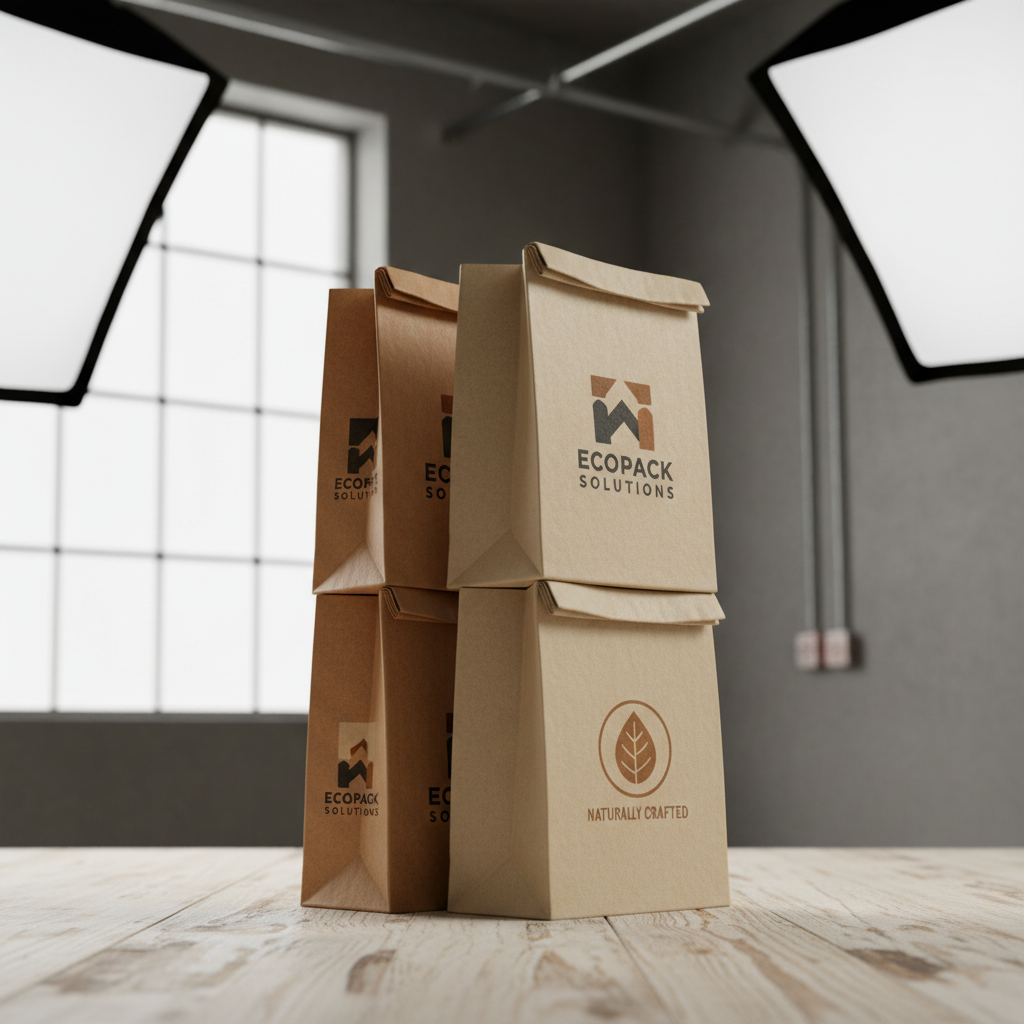
In the competitive landscape of the food service and retail industries, packaging serves two critical functions: operational efficiency and brand communication. For procurement managers, restaurant chains, and distributors, sourcing the right custom kraft paper bag is not merely a purchasing task—it is a strategic decision that impacts logistics, customer experience, and sustainability goals.
Kraft paper has become the substrate of choice for modern food packaging due to its high tensile strength, elasticity, and eco-friendly profile. However, navigating the wholesale market requires a deep understanding of technical specifications. From selecting the correct GSM (grams per square meter) weight to understanding grease-resistant coatings and flexographic printing limitations, buyers must balance cost with performance.
This comprehensive guide explores the technical nuances of sourcing kraft paper bags wholesale. We will cover material science, structural options, printing technologies, and quality control metrics to ensure your packaging meets the rigorous demands of the food service supply chain.
1. Material Science: Understanding Kraft Paper Grades
The foundation of any high-quality bag is the raw material. Kraft paper is produced via the chemical sulfate process, which preserves the structural integrity of the wood pulp fibers. When ordering in bulk, it is essential to specify the exact type of paper to match your application’s load-bearing and aesthetic requirements.
Virgin Natural Kraft vs. Recycled Kraft
Virgin Natural Kraft is made from raw wood pulp. It offers the highest tensile strength and tear resistance. Its clean, smooth surface is ideal for high-quality printing and food contact applications where purity is a priority. This is the standard for heavy-duty grocery bags and premium food takeout.
Recycled Kraft typically contains between 40% to 100% post-consumer recycled (PCR) content. While it supports sustainability initiatives, the fibers are shorter due to the recycling process, resulting in slightly lower tensile strength. It is often used for lighter loads or secondary packaging where extreme durability is less critical.
White Bleached vs. Brown Kraft
- Brown Kraft: Unbleached and retains the natural wood color. It communicates an organic, eco-friendly image often desired by farm-to-table brands and bakeries.
- White (Bleached) Kraft: Undergoes a bleaching process to remove the natural brown tint. This provides a pristine white canvas that ensures vibrant color reproduction for complex logos and full-color graphics.
Paper Weight (GSM) Selection Guide
Selecting the wrong thickness can lead to bag failure or unnecessary costs. Use this general guide for specification:
- 40–60 GSM: Lightweight. Ideal for bread bags, pastry sleeves, and light snacks.
- 70–90 GSM: Medium weight. Standard for fast food takeout, sandwich bags, and retail merchandise.
- 100–120 GSM: Heavyweight. Required for large grocery bags, bottle bags, or carry-out orders involving heavy containers and liquids.
- 130+ GSM: Luxury/Premium. Often used for high-end retail shopping bags with reinforced handles.
2. Grease Resistance and Barrier Coatings
For the food service sector, standard paper is often insufficient. Moisture and oils from hot food can degrade the paper’s integrity, causing leaks and staining. Manufacturers offer several barrier solutions.
PE (Polyethylene) Lining
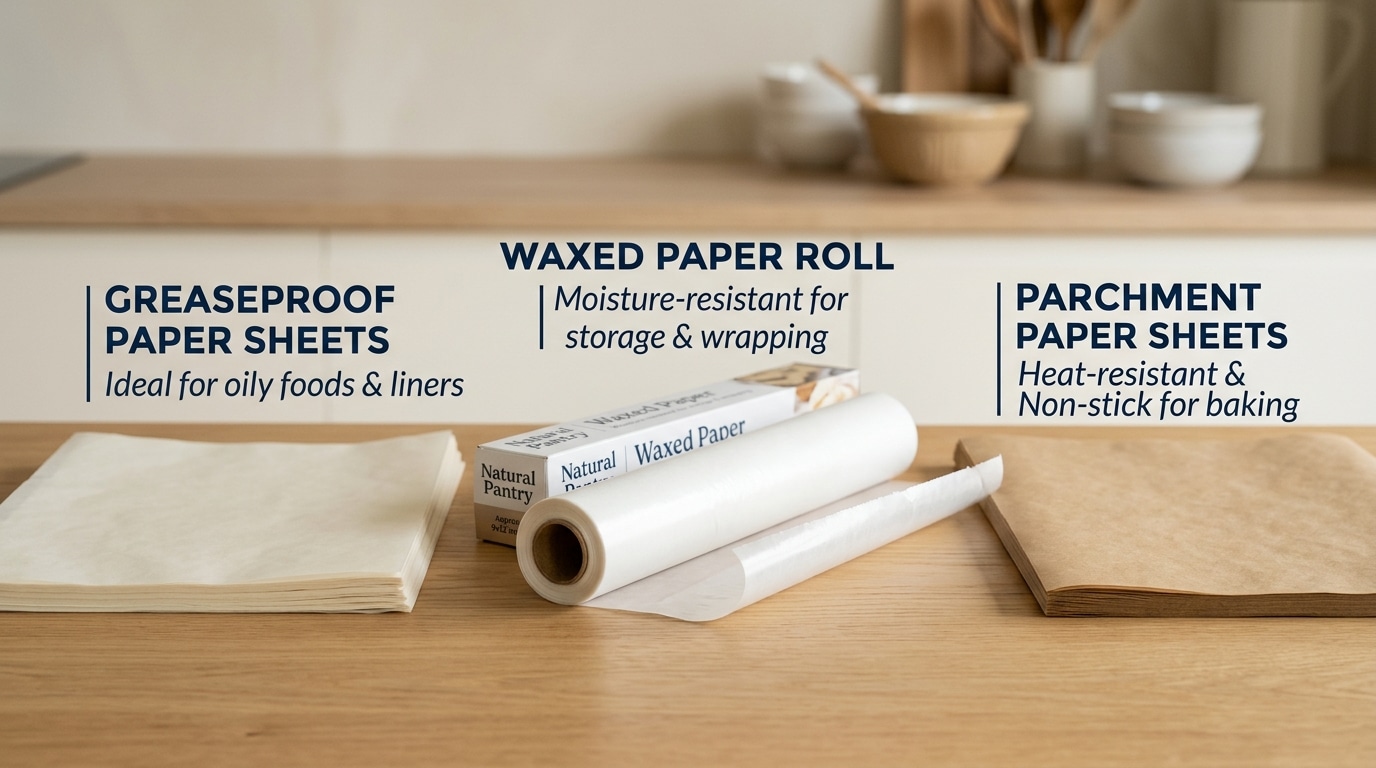
A thin layer of PE plastic is laminated to the interior of the kraft paper. This provides an excellent barrier against oil, grease, and moisture. It is the industry standard for coffee bags, bakery bags holding buttery pastries, and hot food takeout.
Greaseproof Paper (Kit Levels)
Instead of a plastic laminate, the paper itself can be treated to be grease-resistant. This is measured by “Kit levels” (typically 1 to 12). A higher Kit level indicates higher resistance to aggressive oils and solvents. This option is often preferred when a plastic-free solution is desired, though it may not hold liquids as effectively as PE lining.
PLA and Water-Based Coatings
For brands targeting strict sustainability compliance, Polylactic Acid (PLA) liners (derived from cornstarch) or aqueous dispersion coatings provide barrier properties while remaining compostable. These are increasingly relevant for buyers in regions with strict plastic reduction regulations.
3. Structural Design Options: Choosing the Right Form Factor
The functionality of a food packaging bag depends heavily on its construction. Wholesale manufacturers typically categorize bags by their bottom structure and handle type.
SOS (Self-Opening Sack) / Block Bottom Bags
These bags have a flat, rectangular bottom that allows them to stand upright on their own. This structure is crucial for efficient packing in fast-paced restaurant environments. They are the standard for takeout orders as they maximize volume and stability during transport.
Pinch Bottom / Flat Bags
The bottom is sealed flat, meaning the bag cannot stand unless filled and propped. These are cost-effective and ideal for flat items like cookies, sandwiches, or pretzels. They often feature gussets (expandable sides) to accommodate thicker items.
Satchel Bags
Similar to pinch bottom bags but with side gussets that expand significantly. Commonly used in bakeries for baguettes or large loaves of bread.
Window Bags
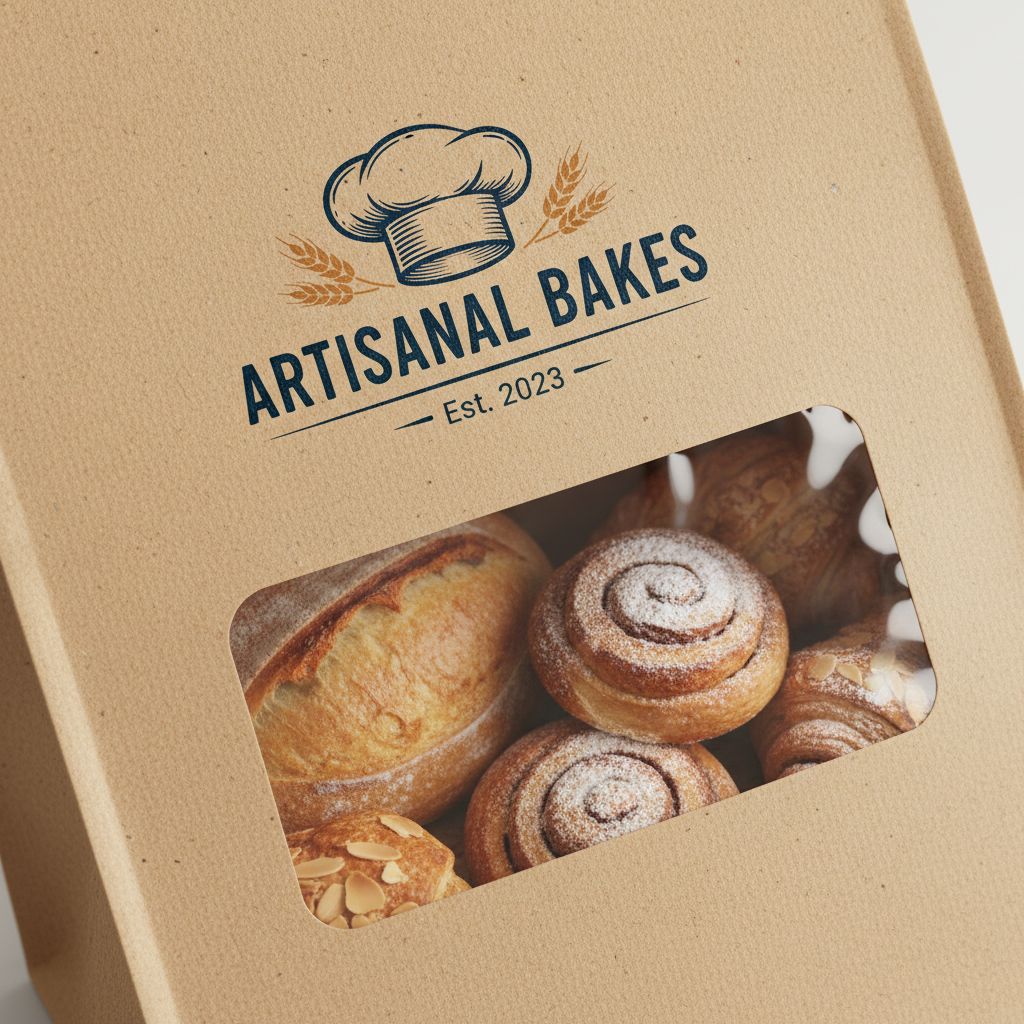
Integrating a die-cut window allows consumers to see the product inside, which is a powerful sales driver for fresh produce and baked goods. Windows can be made from clear PP (Polypropylene) or eco-friendly PLA film.
Handle Configurations
- Twisted Paper Handles: The most common and economical choice for carry-out bags. Rigid and durable.
- Flat Tape Handles: Made from folded paper. More comfortable for the hand but slightly less rigid than twisted handles.
- Die-Cut Handles: A handle hole is cut directly into the top of the bag, often reinforced with a patch. Sleek and modern, but reduces usable volume slightly.
- Cotton/Nylon Rope: Used for premium retail bags, usually with metal eyelets.
4. Printing Technologies and Branding Specifications
Wholesale customization allows for powerful branding. Understanding the printing process helps in preparing accurate artwork and managing expectations regarding color accuracy and finish.
Flexographic Printing
Flexography is the dominant technology for printing kraft paper bags in high volumes. It uses flexible relief plates and fast-drying inks.
- Pros: Cost-effective for large runs (10,000+ units), high speed, capable of printing on rough surfaces like kraft.
- Cons: High setup costs for plates; fine gradients and photo-realistic images can be challenging compared to offset.
- Best For: Logos, solid colors, patterns, and text.
Offset Printing
Offset printing transfers ink from a plate to a rubber blanket, then to the paper. It is typically done on the paper sheet before it is formed into a bag.
- Pros: Superior image quality, sharp details, vibrant colors, capable of complex photographic designs.
- Cons: Higher cost per unit, longer lead times.
- Best For: Luxury packaging, complex marketing campaigns.
Ink Considerations
For food packaging, safety is paramount. Specify water-based or soy-based inks. These are free from volatile organic compounds (VOCs) and heavy metals, ensuring the packaging is safe for indirect food contact and has no chemical odor.
Spot UV and Hot Stamping
To elevate the design, additional finishes can be applied. Hot foil stamping adds a metallic gold or silver effect, while Spot UV adds a glossy, raised texture to specific areas (like a logo) against the matte kraft background.
5. Manufacturing and Quality Control Standards
When evaluating a supplier, it is vital to inquire about their Quality Assurance (QA) protocols. A defect rate in a batch of 50,000 bags can cause significant operational headaches.
Dimensional Tolerances
Due to the mechanical nature of bag forming, slight variations occur. Standard industry tolerance for dimensions (width, height, gusset) is typically ±2mm to ±5mm depending on the bag size. Ensure these tolerances work with your specific food containers.
Load Testing
Bags must undergo static and dynamic load testing. For example, a standard 100 GSM takeout bag should comfortably hold 3–5 kg without handle detachment or bottom failure. Ask your supplier for their test reports regarding glue strength and handle tensile capacity.
Food Safety Compliance
Ensure the manufacturing facility adheres to GMP (Good Manufacturing Practices) for food contact materials. The paper and glues used must comply with relevant regulations (such as FDA or EU standards) regarding migration limits.
6. Comparison Table: Selecting the Right Bag for Your Business
| Feature | Virgin Kraft (Brown) | Bleached Kraft (White) | Recycled Kraft |
|---|---|---|---|
| Strength | High | Medium-High | Medium |
| Print Vibrancy | Low (Natural look) | High (True colors) | Low |
| Cost | Moderate | High | Low-Moderate |
| Best Use Case | Heavy takeout, Grocery | Retail, Branded Food | Light retail, Dry goods |
7. Wholesale Buying Guide: How to Order Effectively
Ordering custom packaging involves several steps. Being prepared speeds up the process and ensures accuracy. For detailed steps, you can review our guide on how to order.
Defining Your Specifications
Before requesting a quote, gather the following data:
- Dimensions: Height x Width x Gusset (Side or Bottom).
- Material: Paper type and GSM weight.
- Quantity: Total units required (higher volumes significantly reduce unit cost).
- Printing: Number of colors (e.g., 2-color logo vs. 4-color process) and coverage area (one side vs. all sides).
- Extras: Handles, windows, or coatings.
Minimum Order Quantities (MOQ)
Custom printing requires machine setup, plate creation, and ink mixing. Therefore, MOQs are standard. Typically, custom sizes or prints might start at 5,000 to 10,000 units depending on the complexity. Stock bags (plain) usually have much lower minimums.
Artwork Preparation
Suppliers require vector files (AI, PDF, EPS) for printing plates. Raster images (JPG, PNG) are generally unsuitable for flexo printing as they pixelate when resized. Ensure all fonts are outlined and Pantone (PMS) color codes are provided for accurate color matching.
Sampling
Always request a sample before full production. A “digital proof” shows the layout, but a physical “pre-production sample” allows you to test the paper quality, handle strength, and print finish. Note that physical custom samples may incur a setup fee.
8. Common Use Cases and Industry Applications
Fast Food and Takeout
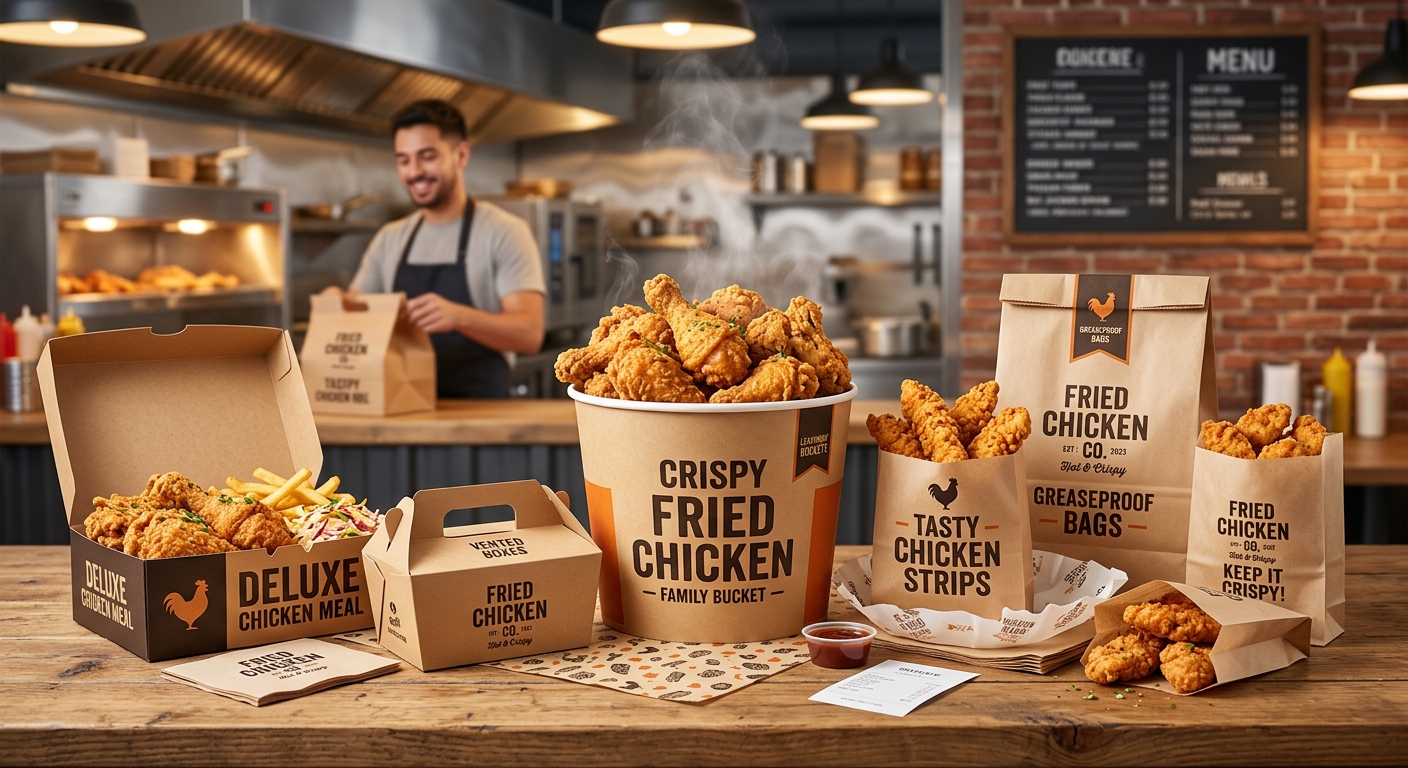
Speed and reliability are key. SOS bags with wide gussets are essential here to accommodate burger boxes, drink carriers, and salad bowls flatly to prevent spillage. Grease resistance is a must-have specification for this sector.
Bakeries and Cafes
Bread requires breathability to maintain a crisp crust, making uncoated kraft ideal. However, pastries with high butter content require greaseproof linings. Window bags are heavily used here to showcase product freshness.
Retail and Events
For trade shows or boutique retail, the bag is a walking billboard. Focus here shifts to aesthetics: thicker paper (120gsm+), twisted handles, and high-quality white kraft with vibrant logo printing.
9. Sustainability and End-of-Life
One of the primary drivers for switching to kraft is sustainability. However, buyers must understand the nuances.
- Recyclability: Uncoated kraft bags are highly recyclable. Bags with PE liners require specialized recycling facilities to separate the plastic from the paper.
- Compostability: Bags using PLA liners or water-based coatings can often be certified industrial compostable.
- Forestry Certification: Look for paper sourced from responsibly managed forests (FSC certified) to ensure your supply chain supports global forestry health.
10. Frequently Asked Questions (FAQ)
What is the difference between GSM and Mil?
GSM (Grams per Square Meter) measures the weight of the paper, which correlates to thickness and density. Mil measures thickness in thousandths of an inch, typically used for plastic bags. In paper packaging, GSM is the standard metric.
Can I print on the gussets (sides) of the bag?
Yes, most flexographic machines can print on the front, back, and side gussets. Printing on the gussets is an excellent way to maximize branding real estate, often used for websites, social media handles, or slogans.
How do I know what size bag I need?
Measure your largest takeout container or product grouping. Add at least 1-2 cm of clearance on all sides for easy packing. If you are stacking containers, ensure the bag height allows for the top to be folded or the handles to be used without crushing the contents.
Are kraft paper bags waterproof?
Standard kraft paper is not waterproof; it absorbs water and loses strength. However, bags can be treated with wet-strength resins or lined with PE/PLA to provide temporary water resistance suitable for carrying cold drinks with condensation.
What is the lead time for custom printed orders?
Lead times vary by complexity and volume. generally, after artwork approval, production can take 2–4 weeks, plus shipping time. It is advisable to plan inventory 2–3 months in advance.
Do you offer full-coverage printing?
Yes, full-bleed printing (where ink covers the entire bag surface) is possible. However, this consumes more ink and may require higher GSM paper to prevent saturation or warping. It is often done using offset printing for the best results.
Can I get a sample of a custom size?
Creating a custom size requires adjusting the machine gears and blades. While possible, custom size samples are expensive. It is usually more cost-effective to test a standard size that is close to your requirements or review a handmade dummy sample for dimension verification.
Is white ink available on brown kraft paper?
Yes, printing white ink on brown kraft is a popular design choice for a rustic, vintage look. However, the brown background absorbs some ink, so multiple layers of white may be needed for opacity.
Conclusion
Sourcing custom kraft paper bags wholesale is a balance of form, function, and finance. By specifying the correct material grade, barrier coatings, and print techniques, you ensure that your packaging not only protects your product but also enhances your brand’s reputation.
Whether you need heavy-duty sacks for grocery delivery or grease-resistant bags for hot food, understanding these technical details empowers you to make informed procurement decisions.
Ready to upgrade your packaging supply chain? Contact us today to discuss your specifications, request a quote, or get a sample kit tailored to your business needs.