

For food service brands, packaging is rarely just a vessel; it is a mobile billboard and a critical component of food quality preservation. In the competitive fast-food and deli sectors, custom sandwich paper bags serve a dual purpose: they protect the integrity of the product—keeping bread fresh and preventing grease leaks—while simultaneously reinforcing brand identity in the hands of the consumer. For procurement managers and restaurant owners, navigating the wholesale market for these bags requires a deep understanding of material specifications, grease-resistance levels, and printing capabilities.
This comprehensive guide explores the technical and logistical aspects of sourcing sandwich paper bags wholesale. From understanding the nuances of GSM and greaseproof ratings to optimizing your artwork for flexographic printing, we provide the actionable insights needed to make informed purchasing decisions.
The Strategic Role of Branded Sandwich Packaging
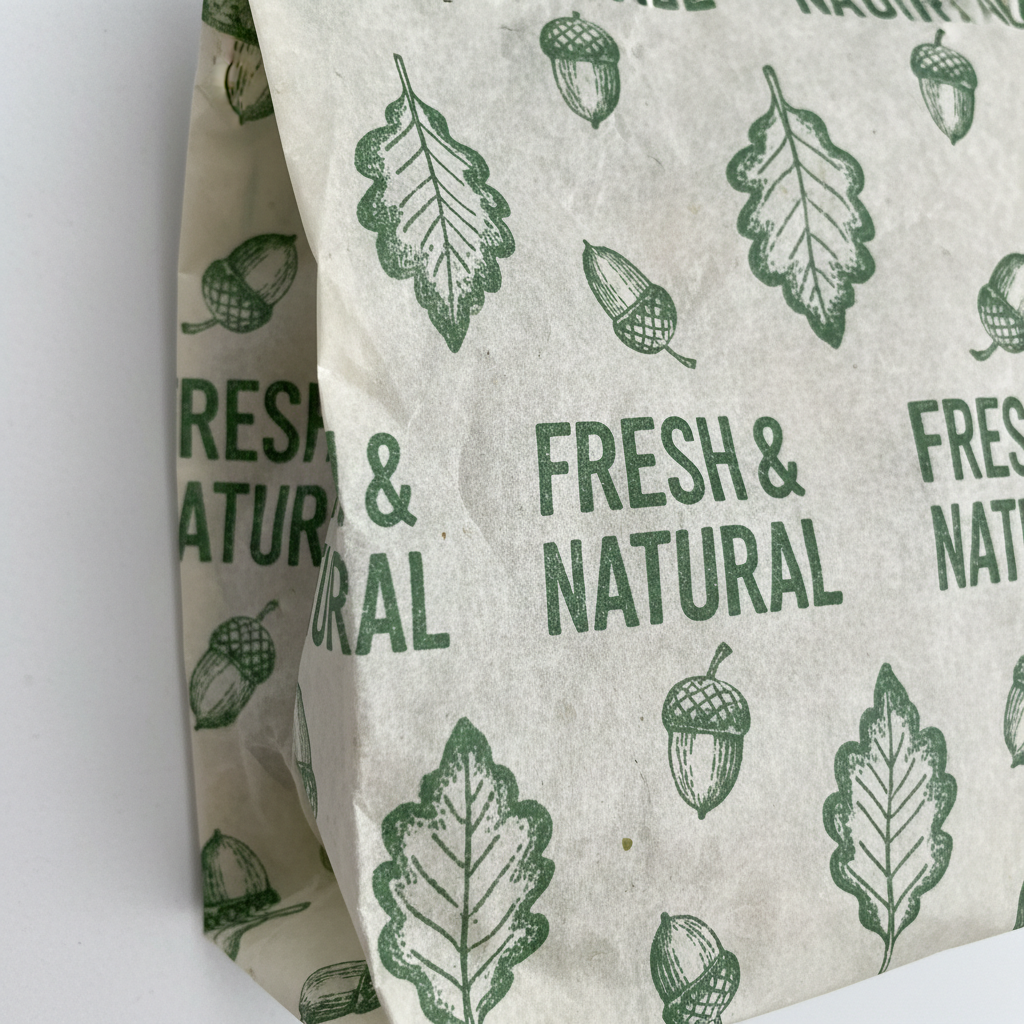
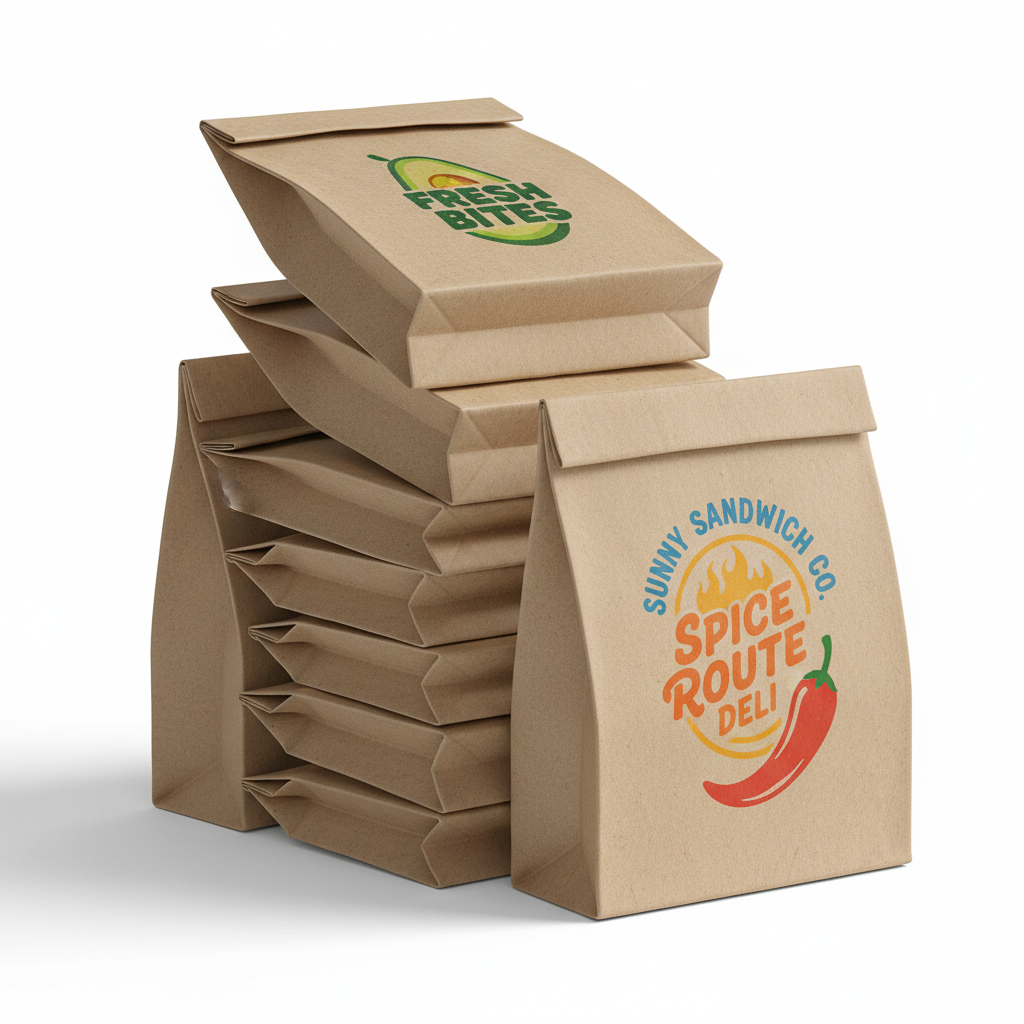
In the B2B food sector, packaging choices directly impact operational efficiency and customer satisfaction. A generic bag may serve a functional purpose, but a custom printed sandwich paper bag extends the dining experience beyond the point of sale. When a customer carries a branded bag out of a deli or café, they generate impressions in the surrounding environment.
However, aesthetics must never compromise performance. A beautifully printed bag that fails to contain sauce or grease damages the brand reputation faster than a plain bag would. Therefore, the procurement process must balance visual customization with rigorous material performance specifications.
Material Specifications: Choosing the Right Substrate
The foundation of any high-quality sandwich bag is the paper substrate. Wholesale buyers must select materials that align with their specific menu items—whether they are dry, cold sandwiches or hot, greasy paninis.
White vs. Brown Kraft Paper
Most sandwich bags are manufactured from Kraft paper due to its high tensile strength and elasticity.
- Brown (Natural) Kraft: Unbleached and naturally brown, this material communicates sustainability and an organic ethos. It is often favored by brands emphasizing eco-friendly practices. However, color matching for printing can be challenging; inks will appear darker or more muted against the brown background.
- White (Bleached) Kraft: This paper undergoes a bleaching process to achieve a pristine white surface. It offers a superior canvas for vibrant, accurate color reproduction. If your brand colors are bright or require high contrast (e.g., a bright red logo), white Kraft is the technical preference.
Paper Weight (GSM) Considerations
Paper thickness is measured in Grams per Square Meter (GSM). For sandwich bags, the typical range lies between 30 GSM and 60 GSM.
- 30–40 GSM: Lightweight and cost-effective. Suitable for light, dry items like cookies or basic cold sandwiches wrapped in a secondary layer.
- 40–50 GSM: The standard for most direct-contact sandwich bags. It offers a balance of durability and flexibility.
- 50–60+ GSM: Heavy-duty. Required for larger, heavier items or sandwiches with significant moisture content to prevent tearing under weight.
Grease Resistance and Coating Technologies
One of the most critical technical specifications for sandwich paper bags is grease resistance. Standard Kraft paper is porous and will absorb oil, leading to unsightly stains and potential structural failure. Manufacturers use specific treatments to mitigate this.
Greaseproof Paper (Kit Levels)
Greaseproof paper is not necessarily coated; rather, the paper fibers are beaten tightly during the pulping process (hydration) to reduce porosity. The level of oil resistance is measured by the “Kit Test,” rated from 1 to 12.
- Kit 1–3: Low resistance. Suitable for dry goods (bread, pastries).
- Kit 4–6: Medium resistance. Ideal for standard sandwiches with minimal dressing or mayo.
- Kit 7–9: High resistance. Necessary for fried foods, buttery toasted sandwiches, or items with heavy sauces.
PE (Polyethylene) Lining
For maximum barrier protection, a thin layer of Polyethylene (PE) can be extruded onto the paper. This plastic lining provides a complete moisture and grease barrier. While highly effective for very messy foods, buyers should note that PE-lined bags require specialized recycling facilities compared to standard paper bags.
Bag Styles and Structural Options
Selecting the correct form factor ensures the packaging facilitates easy loading for staff and convenient eating for customers.
Flat vs. Gusseted Bags
- Flat Bags: Simple, two-dimensional envelopes. Best for thin items like cookies or flatbreads. They are the most economical option but have limited volume.
- Gusseted Bags: These feature expandable pleats on the sides (side gusset) or bottom (bottom gusset). The gusset expands to accommodate bulky sandwiches, bagels, or burgers without tearing the paper. For most sandwich applications, a side gusset is recommended to allow the bag to open wide.
Window Bags for Visibility
For grab-and-go displays, visibility is a key sales driver. Window sandwich bags feature a clear film strip running down the center or side.
- Material: The window is typically made from BOPP (Biaxially Oriented Polypropylene) or PET. For eco-conscious buyers, PLA (Polylactic Acid) windows derived from cornstarch are available, offering compostability alongside visibility.
- Placement: Ensure the window placement aligns with how the sandwich is stacked to highlight the ingredients, not the bread crust.
Printing Options and Customization
When ordering custom sandwich paper bags wholesale, the printing method defines the quality and cost-efficiency of the branding.
Flexographic Printing
Flexography is the industry standard for high-volume food packaging. It uses flexible relief plates to transfer ink onto the paper substrate.
- Speed & Cost: Extremely fast for large runs, lowering the unit cost significantly.
- Colors: Most manufacturers offer up to 4 or 6 spot colors. This is sufficient for most logos and brand patterns.
- Water-Based Inks: Ensure your supplier uses water-based, food-grade inks. These are free from volatile organic compounds (VOCs) and safe for direct food contact, complying with international safety standards.
Artwork Preparation for Production
To ensure the final product matches your design vision, provide vector files (AI, PDF, EPS). Raster images (JPEG, PNG) often pixelate when scaled. Specify Pantone (PMS) color codes to ensure brand consistency across different batches. Keep in mind that printing on brown Kraft will alter the perceived color; a white under-print layer may be required to make colors pop, which adds a plate cost.
Manufacturing and Quality Assurance
Reliable food packaging bag manufacturers implement rigorous QA protocols. When evaluating a supplier, consider their testing procedures.
- Dimensional Tolerances: Industrial paper bag manufacturing has slight tolerances (usually ±1-2mm). Precision machinery minimizes this variance.
- Seam Strength Testing: The glue lines (adhesives) must withstand the heat and steam of a hot sandwich without delaminating. Quality suppliers test seam integrity under thermal stress.
- Odor Testing: Food packaging must be odorless. High-quality manufacturing ensures that inks and adhesives do not impart any chemical smell to the food.
Buying Guide: Ordering Tips for Wholesale Buyers
Navigating the procurement process requires attention to logistics and volume.
Minimum Order Quantities (MOQ)
Custom printing involves setup costs (plate making, machine calibration). Consequently, MOQs for custom printed bags typically start around 30,000 to 50,000 units. Lower quantities may be available but often come with a higher per-unit price to cover setup fees.
Lead Times and Logistics
Production times generally range from 2 to 4 weeks after artwork approval. However, international shipping can add significant time. Buyers should plan inventory 2–3 months in advance to avoid stockouts. Discuss palletization options with your supplier to ensure goods arrive without crushing or moisture damage during transit.
Sampling
Always request a sample before committing to a full production run.
1. Stock Samples: Check material quality and construction.
2. Digital Proofs: Verify layout and positioning.
3. Pre-production Samples: A physical sample with your specific design (often incurs a fee) to verify color accuracy on the actual substrate.
Frequently Asked Questions (FAQ)
1. Can custom sandwich bags keep food warm?
Standard paper bags offer minimal thermal retention. For heat retention, consider foil-lined paper bags or double-layered bags which reflect heat and prevent steam from making the bread soggy too quickly.
2. Are the inks used safe for direct food contact?
Yes, reputable manufacturers use food-grade, water-based, or soy-based inks that comply with FDA and EU regulations for direct food contact packaging.
3. How do I choose the right size for my sandwich?
Measure your sandwich’s length, width, and height. Add 1-2 cm to the width and height for clearance. If the sandwich is thick (over 3cm), ensure you choose a gusseted bag where the gusset width matches the sandwich thickness.
4. What is the difference between greaseproof and wax-coated bags?
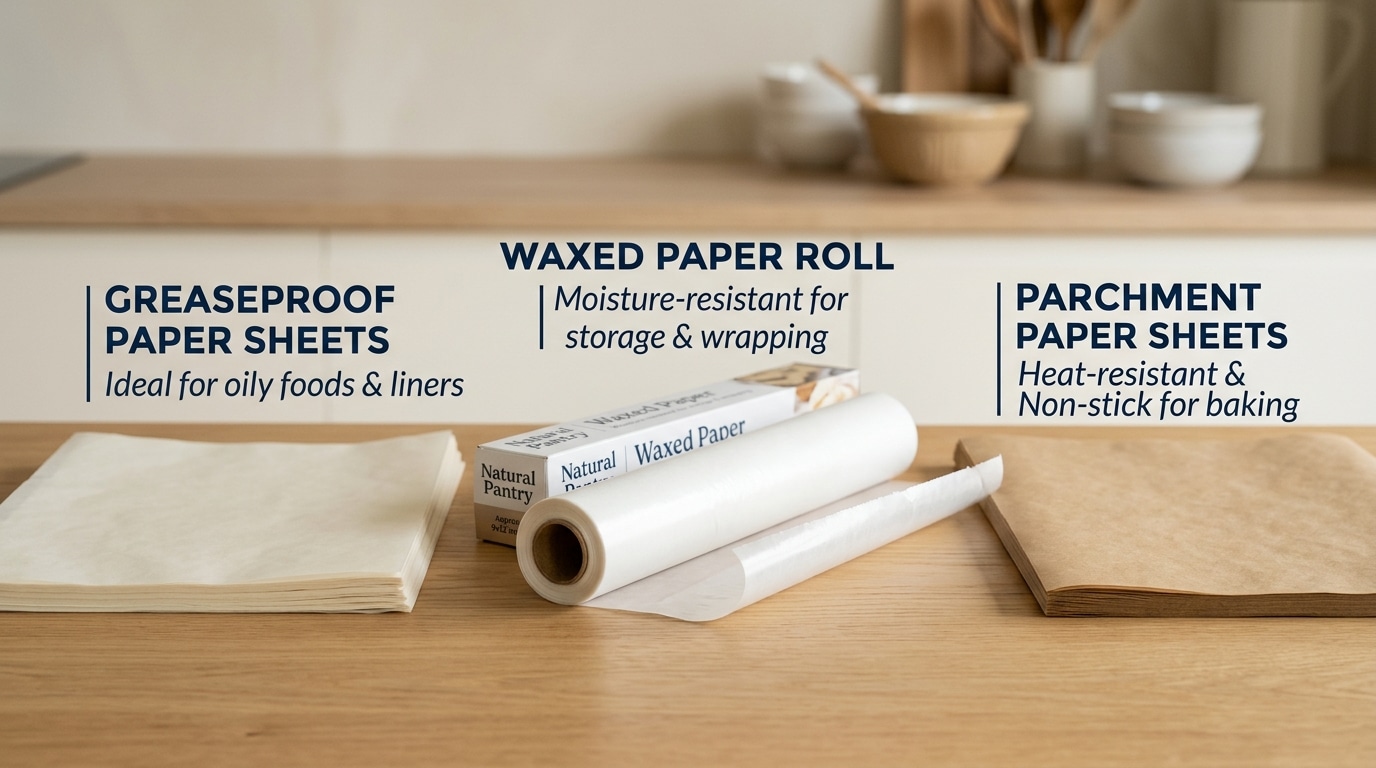
Greaseproof paper is chemically treated or mechanically beaten to resist oil penetration. Wax-coated paper has a surface layer of wax (dry or wet wax). Wax offers excellent release properties (non-stick) but can be harder to print on with high detail compared to greaseproof paper.
5. Can I print on the inside of the bag?
Generally, printing is done on the exterior to prevent ink from directly touching the food, even if the ink is food-safe. Inside printing is rare and usually discouraged for safety and cost reasons.
6. Are these bags compostable?
Uncoated Kraft bags and those with compostable PLA linings are compostable. Bags with standard PE linings are recyclable but not compostable. Always verify the certifications with the manufacturer.
7. How should I store paper bags to prevent spoilage?
Store them in a cool, dry place away from direct sunlight and humidity. High humidity can cause paper to curl or activate adhesives prematurely.
Conclusion
Sourcing custom sandwich paper bags wholesale is a strategic investment in your brand’s image and operational quality. By selecting the appropriate GSM, grease resistance, and bag structure, you ensure your food reaches the customer in perfect condition. Partnering with a specialized manufacturer like YBJ Packing allows you to access professional-grade materials and high-definition printing that sets your brand apart in a crowded market.
Ready to elevate your food packaging? Contact us today to discuss your requirements, or visit our ordering guide to learn more about our process.