

In the competitive landscape of food service and retail, packaging serves two critical functions: operational efficiency and brand communication. For procurement managers, restaurant chain owners, and distributors, selecting the right kraft paper bag is not merely about finding a container; it is about balancing tensile strength, grease resistance, sustainability compliance, and cost-effectiveness.
As global regulations shift away from single-use plastics, kraft paper has emerged as the dominant substrate for food packaging. However, the technical variations between a standard brown grocery bag and a high-barrier, grease-resistant bakery bag are significant. This guide provides a deep dive into the specifications, material science, and purchasing strategies required to source high-quality kraft paper bags for B2B applications.
1. The Fundamentals of Kraft Paper in Food Packaging
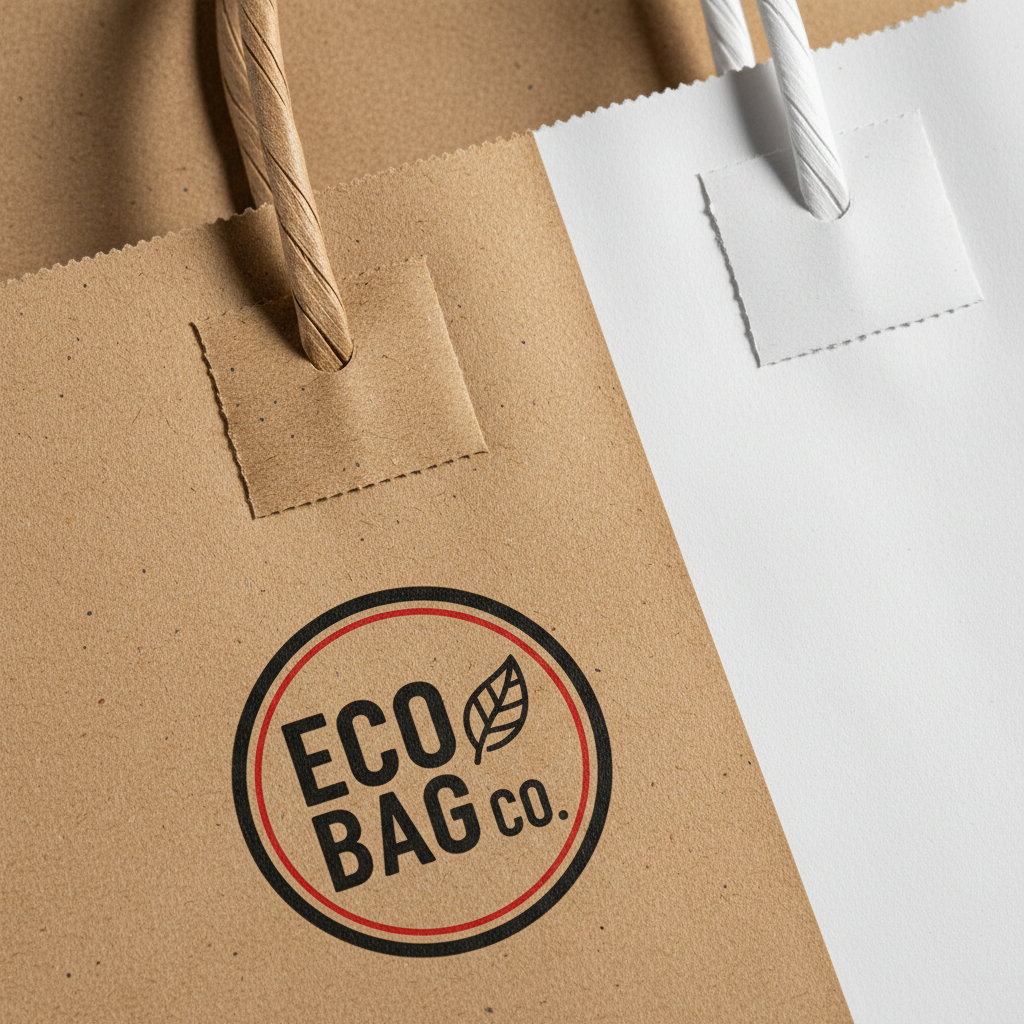
Kraft paper is produced via the kraft process, which converts wood into wood pulp. The name is derived from the German word for “strength,” reflecting the material’s durability. For food service buyers, understanding the raw material grade is the first step in procurement.
Virgin Kraft vs. Recycled Kraft
- Virgin Natural Kraft: Made from fresh wood pulp, this material offers the highest tensile strength and tear resistance. It is the preferred choice for heavy-duty applications (e.g., carrying multiple glass bottles or heavy takeout containers). Its clean, unbleached appearance provides a premium, organic look ideal for eco-conscious brands.
- Recycled Kraft: Composed of post-consumer or post-industrial recycled fiber. While sustainable, the fibers are shorter, resulting in slightly lower tear strength compared to virgin kraft. It is excellent for lighter loads, such as pharmacy bags or single pastry items, and often comes at a lower price point.
- Bleached White Kraft: Virgin kraft that has been treated to remove the natural brown color. It offers the same strength as natural virgin kraft but provides a pristine white canvas, which is superior for vibrant, full-color printing where color accuracy is paramount.
Paper Weight (GSM)
Paper density is measured in Grams per Square Meter (GSM). Choosing the correct GSM is vital to prevent bottom failures or handle tears.
- 40–60 GSM: Lightweight. Suitable for single bakery items, sandwich wraps, or light retail goods.
- 70–90 GSM: Standard weight. Ideal for standard grocery bags, fast food takeout (burgers/fries), and retail clothing.
- 100–120+ GSM: Heavy-duty. Required for luxury shopping bags, heavy bottle carriers, or large catering orders.
Buyers should request samples to physically test the hand-feel and rigidity of the GSM before committing to a bulk order. You can explore various material grades in our dedicated kraft paper bag section.
2. Grease Resistance and Coatings: Critical for Food Service
Standard kraft paper is porous. Without treatment, oils from fried foods or condensation from cold beverages will degrade the paper’s structural integrity, leading to leaks and customer dissatisfaction. For food service applications, barrier properties are non-negotiable.
PE (Polyethylene) Lining
A thin layer of PE plastic is laminated to the interior of the paper. This is the industry standard for:
- Oil Resistance: Prevents grease spots from appearing on the outside of the bag.
- Moisture Barrier: Keeps steam inside or prevents external moisture from weakening the paper.
- Heat Retention: Offers mild insulation for hot foods.
Water-Based & Clay Coatings
For brands seeking plastic-free solutions, water-based dispersion coatings or clay coatings can provide grease resistance. These are often easier to recycle in standard paper streams, though they may offer lower barrier performance compared to PE linings for extremely wet or oily foods.
Kit Levels (Oil Resistance)
If you are buying unlined paper bags for greasy items (like fries or buttery pastries), ask your manufacturer about the “Kit Level.” The Kit Test measures oil repellency on a scale of 1 to 12. A Kit Level of 7+ is typically recommended for fried food applications.
3. Bag Styles and Structural Options
The construction of the bag dictates its loading speed, storage efficiency, and presentation.
SOS (Self-Opening Sack) / Block Bottom Bags
These are the workhorses of the fast-food industry. They feature a rectangular flat bottom and side gussets. When opened, they stand upright on their own, allowing staff to fill them quickly with both hands. This style maximizes volume and is essential for stacking takeout containers.
Flat and Satchel Bags
These bags do not have a flat bottom (V-bottom). They are cost-effective and space-saving, ideal for flat items like cookies, sandwiches, pretzels, or pharmacy prescriptions. They are not suitable for bulky containers that need to remain upright.
Handle Configurations
- Twisted Paper Handles: The most common for retail and takeout. Made from twisted paper cords glued to the interior. Strong and economical.
- Flat Paper Handles: A strip of folded paper glued to the exterior or interior. Often seen in grocery settings. More comfortable for carrying heavy loads over short distances.
- Die-Cut Handles: A handle shape is cut directly into the bag itself, usually reinforced with a patch. Offers a sleek, modern look often used for light retail or confectionery.
For a broader view of structural options, browse our food packaging bag category.
4. Sizing Guide: Matching Capacity to Menu
Selecting the wrong size leads to two forms of waste: material waste (using a large bag for a small item) or operational waste (using two bags because one is too small). Standard industry sizes often follow specific volume designations (e.g., #6, #12, #20, 1/6 Barrel), but dimensions (Width x Gusset x Height) are the most accurate way to order.
Common Dimensions (W x D x H)
- Small (e.g., 150 x 90 x 280 mm): Pastries, single beverages, small fries.
- Medium (e.g., 250 x 140 x 330 mm): Standard meal combos (Burger + Fries + Drink), retail clothing.
- Large (e.g., 320 x 180 x 390 mm): Family meals, catering trays, grocery orders.
Pro Tip: Measure your largest takeout container. The bag’s gusset (width of the side) must be at least 10-15mm wider than the container’s width to ensure a smooth fit without tearing the bag during the packing rush.
5. Customization and Printing Technologies
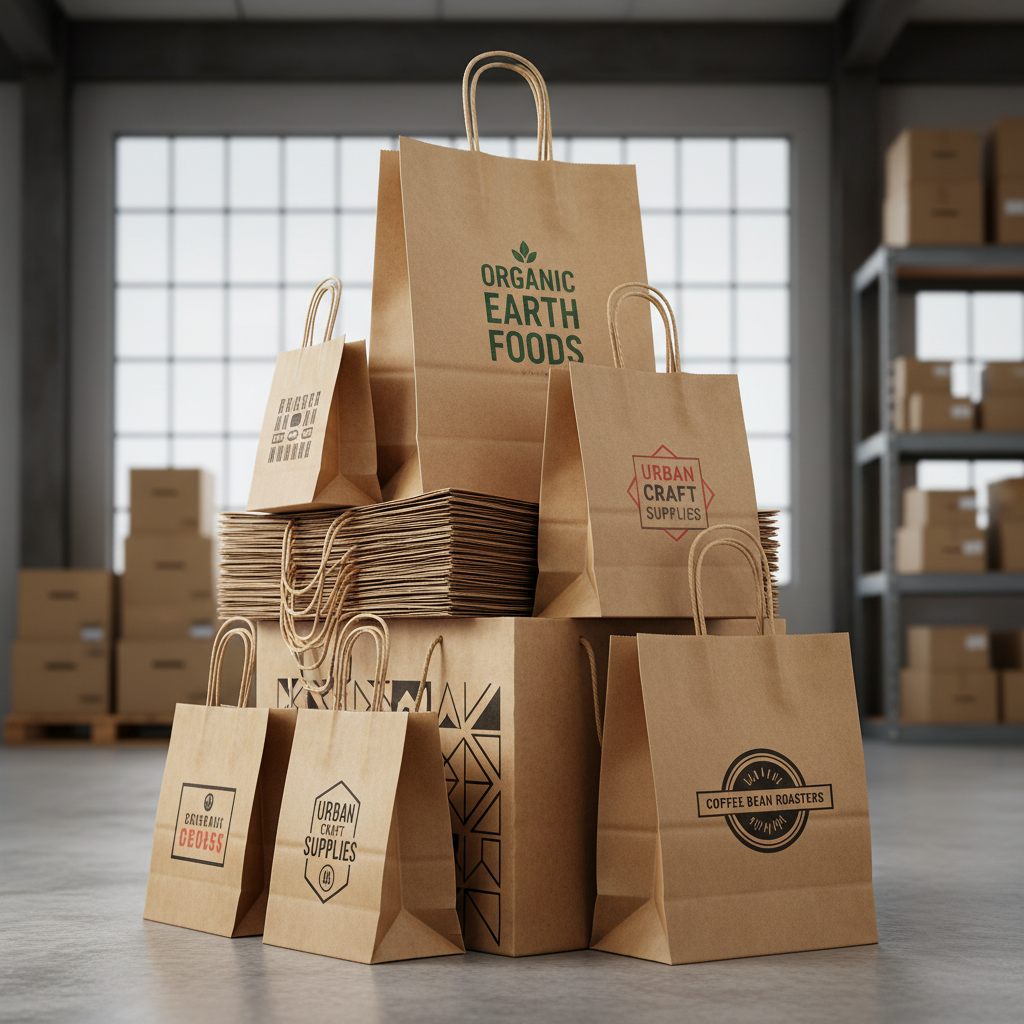
For B2B buyers, the bag is a mobile billboard. High-quality printing reinforces brand positioning. Understanding the printing process helps in setting realistic expectations for cost and lead time.
Flexographic Printing
The standard for high-volume wholesale orders. It uses flexible relief plates and is highly efficient for simple logos, patterns, and text in 1–4 colors. It is cost-effective for runs of 10,000+ units. Water-based inks are typically used, which are food-safe and eco-friendly.
Offset Printing
Used for premium, high-definition imagery. If your design requires photographic quality, gradients, or complex shadowing, offset printing is the solution. It generally requires higher Minimum Order Quantities (MOQs) due to setup costs.
Spot UV and Hot Stamping
For luxury food brands (e.g., high-end chocolatiers or premium bakeries), adding a foil stamp (gold/silver) or a glossy Spot UV coating over a matte bag creates a distinct visual contrast that implies high value.
Artwork Preparation Checklist
- File Format: Always supply vector files (AI, PDF, EPS) to ensure lines remain crisp at any size.
- Colors: Specify Pantone (PMS) codes to ensure brand color consistency across different production batches.
- Safety Margins: Keep critical text and logos at least 10mm away from the edges and bottom folds to prevent them from being cut off or hidden during assembly.
6. Manufacturing and Quality Assurance
Reliable supply chains depend on consistent quality. When vetting a manufacturer, inquire about their QA processes.
Key Quality Checkpoints
- Bottom Seal Strength: The bottom glue line is the most critical failure point. Manufacturers should perform weight tests to ensure the adhesive holds under the rated load.
- Handle Adhesion: Handles should withstand dynamic jerking forces, not just static weight.
- Print Registration: Colors should align perfectly without blurring or overlapping where not intended.
- Odor Control: Food packaging must be free from strong chemical odors from inks or glues that could taint the food.
7. Use Cases: Selecting the Right Bag for Your Industry
Bakery and Coffee Shops
Requirement: Breathability for warm bread, grease resistance for pastries.
Recommendation: Window bags with micro-perforations for crusty bread; fully lined SOS bags for donuts or croissants to prevent grease stains.
Fast Food and QSR (Quick Service Restaurants)
Requirement: Speed of packing, stackability, high volume.
Recommendation: Low-GSM block bottom bags (70-80 GSM) without handles for small items; handled bags with wide gussets for combo meals.
Grocery and Retail
Requirement: High tensile strength, comfort for carrying.
Recommendation: Heavyweight virgin kraft (100+ GSM) with reinforced flat or twisted handles. Durability is the primary metric here to prevent bag failure in transit.
8. Buying Guide: Procurement Strategy
Navigating the purchasing process effectively requires attention to logistics and volume.
Minimum Order Quantities (MOQ)
Custom printed bags usually carry an MOQ ranging from 5,000 to 30,000 units depending on the size and printing method. Stock sizes (plain bags) often have much lower MOQs. Balancing storage costs with the unit price reduction of larger orders is key.
Lead Times
Custom manufacturing involves plate making, material sourcing, printing, forming, and drying. Typical lead times range from 2 to 5 weeks post-approval of artwork. Always factor in shipping transit times, especially for international orders.
Storage and Logistics
Kraft paper is hygroscopic (absorbs moisture). Bags should be stored in a cool, dry warehouse, preferably on pallets and wrapped in stretch film to prevent warping or mold. Ensure your logistics plan accounts for the volume; paper bags are heavy and dense when palletized.
If you are ready to discuss your specific requirements, visit our How to Order page for a step-by-step guide.
Frequently Asked Questions (FAQ)
1. Are custom printed kraft bags food safe?
Yes, provided they are manufactured using food-grade paper and water-based or soy-based inks. Always confirm that the manufacturer follows food safety compliance standards for materials in direct contact with food.
2. Can I get a sample before placing a full order?
Absolutely. Most reputable manufacturers provide physical samples. We recommend requesting both a plain sample to test size/material quality and a printed sample (even if from a previous job) to assess print quality. You can contact us to request a sample kit.
3. What is the difference between SOS and Pinch Bottom bags?
SOS (Self-Opening Sack) bags have a flat, rectangular bottom and stand up on their own. Pinch bottom bags have a pointed bottom (like an envelope) and generally lay flat; they are cheaper but harder to load with bulky containers.
4. How do I choose between white and brown kraft paper?
Choose brown (natural) kraft for an eco-friendly, rustic look. Choose white (bleached) kraft if your branding uses bright colors (like yellow or light blue) that might look dull on a brown background. White paper provides a neutral base for accurate color reproduction.
5. Are PE-lined bags recyclable?
PE-lined bags are often challenging to recycle in standard paper streams because the plastic layer must be separated from the paper. However, some facilities can process them. For a fully compostable option, ask about PLA linings or water-based barrier coatings.
6. What affects the price of a custom bag?
The main cost drivers are: paper weight (GSM), bag dimensions, number of print colors (more colors = higher plate costs), handle type, and order volume. Increasing volume is the most effective way to lower the per-unit cost.
Conclusion
Sourcing the right kraft paper bag is a strategic decision that impacts operation speed, product safety, and brand perception. By defining your requirements regarding GSM, barrier coatings, and handle styles, you can ensure your packaging performs under pressure while delivering a professional customer experience.
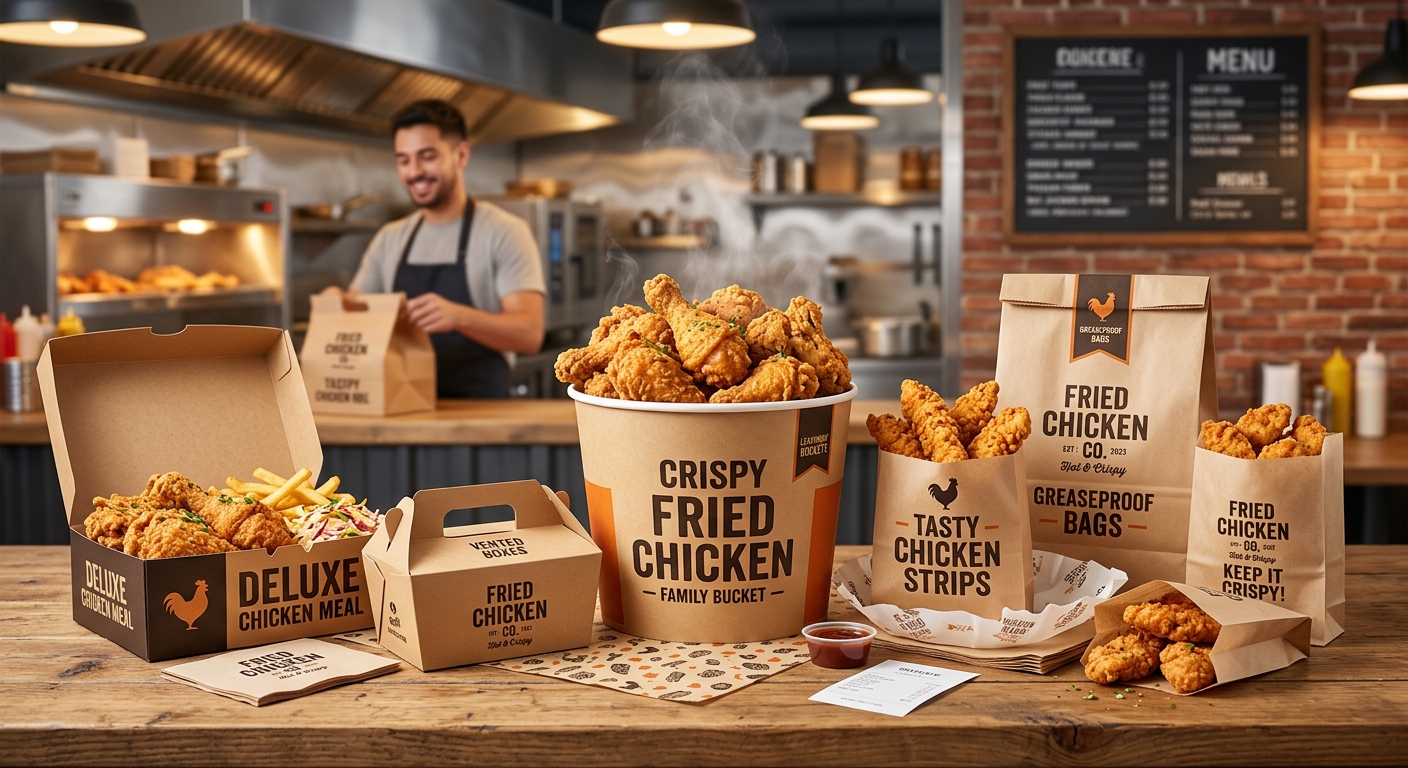
Whether you need a grease-resistant solution for fried chicken or a high-end carrier for boutique retail, understanding the technical specifications ensures you get the best value for your budget.
Ready to upgrade your packaging? Request a quote today or explore our extensive range of custom kraft paper bags to find the perfect fit for your business.