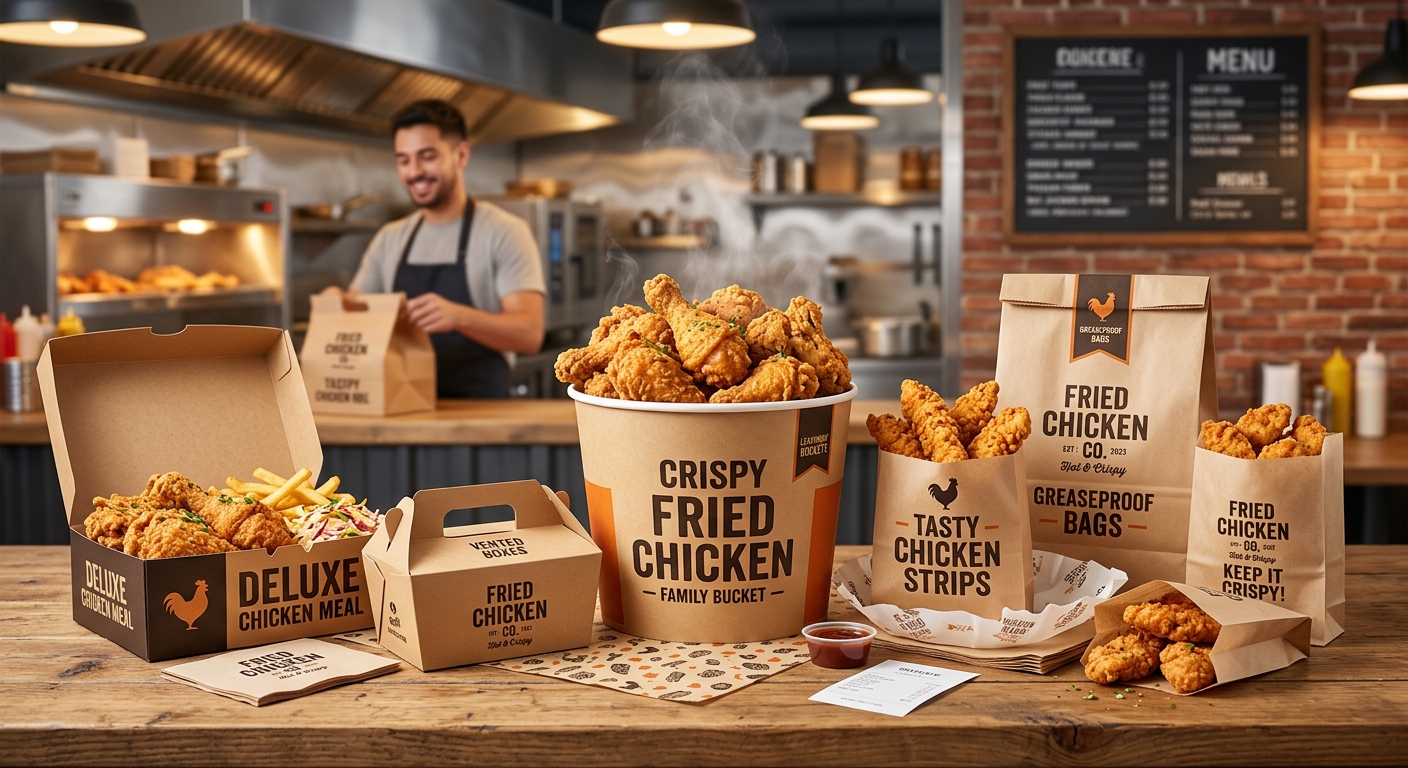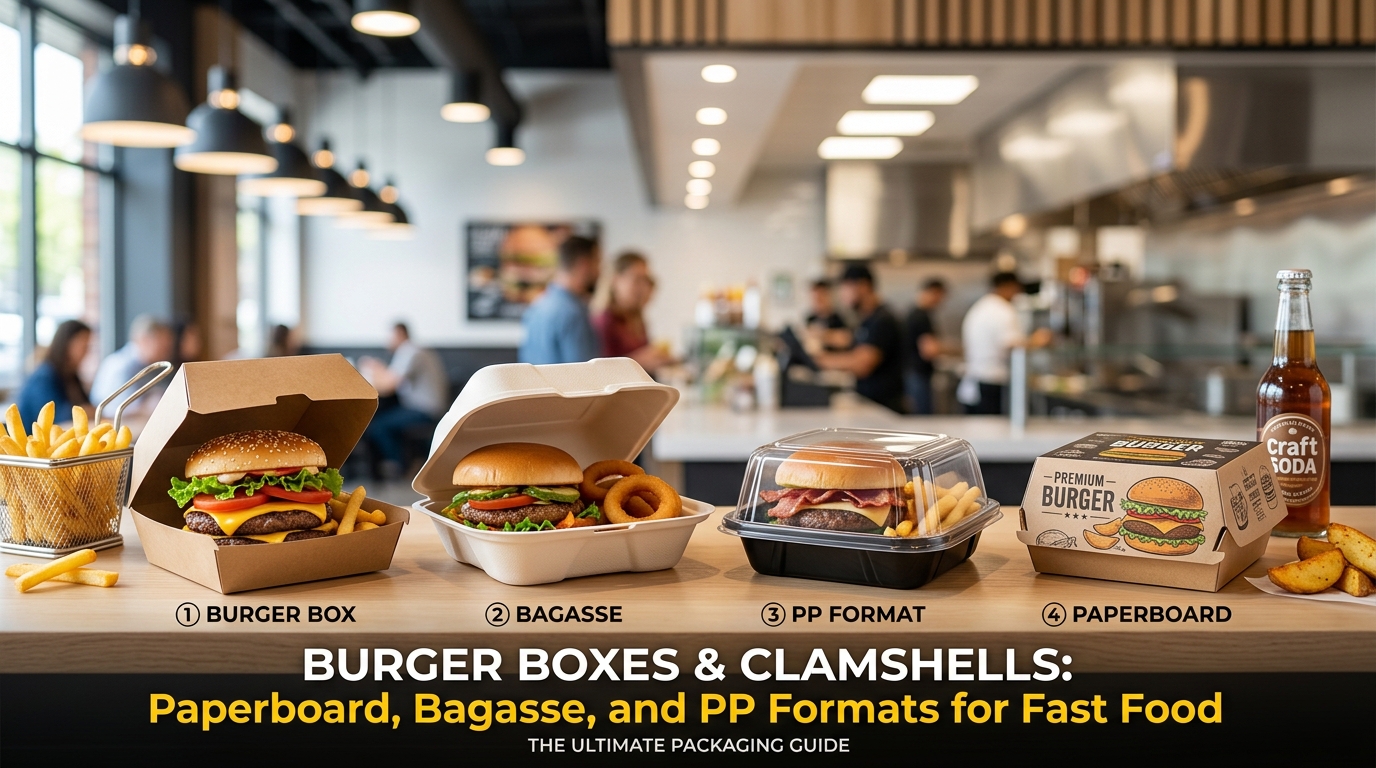


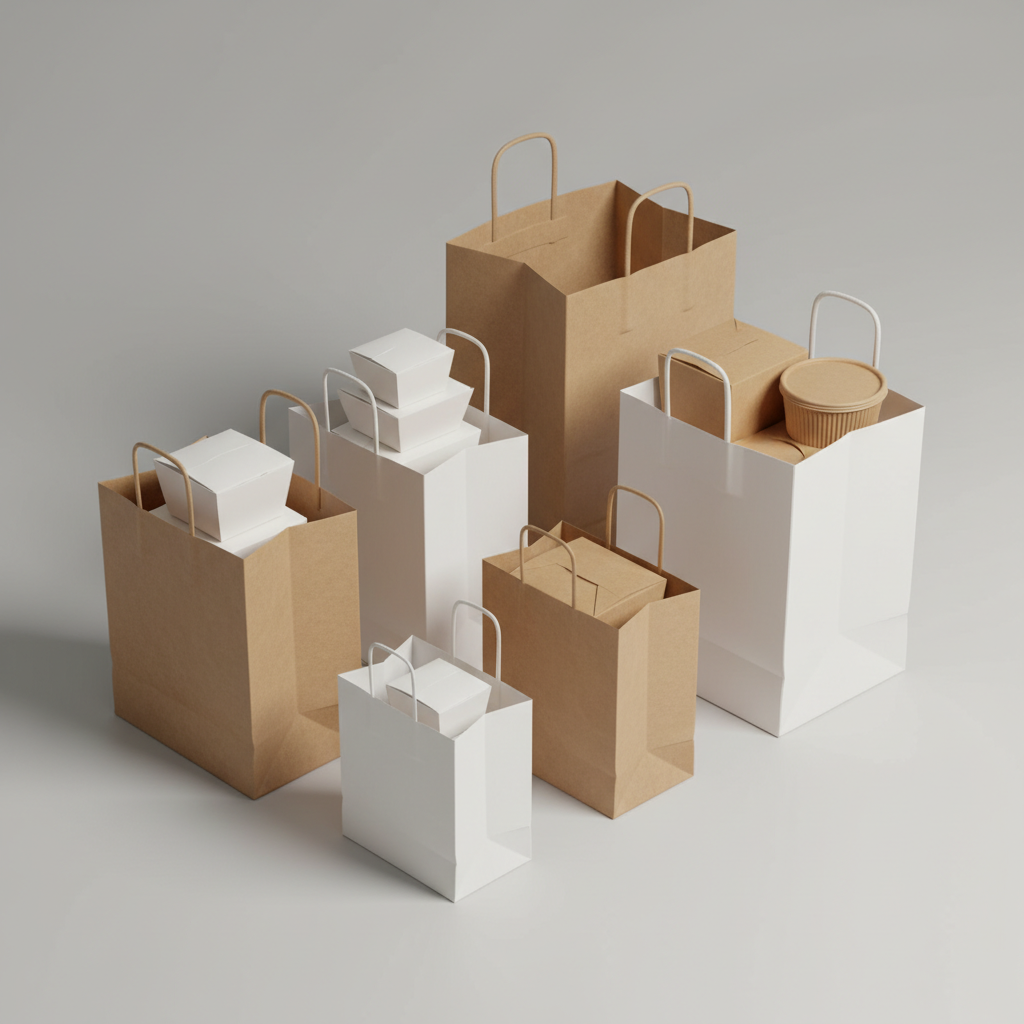
Introduction to Die-Cut Handle Paper Bags in Food Service
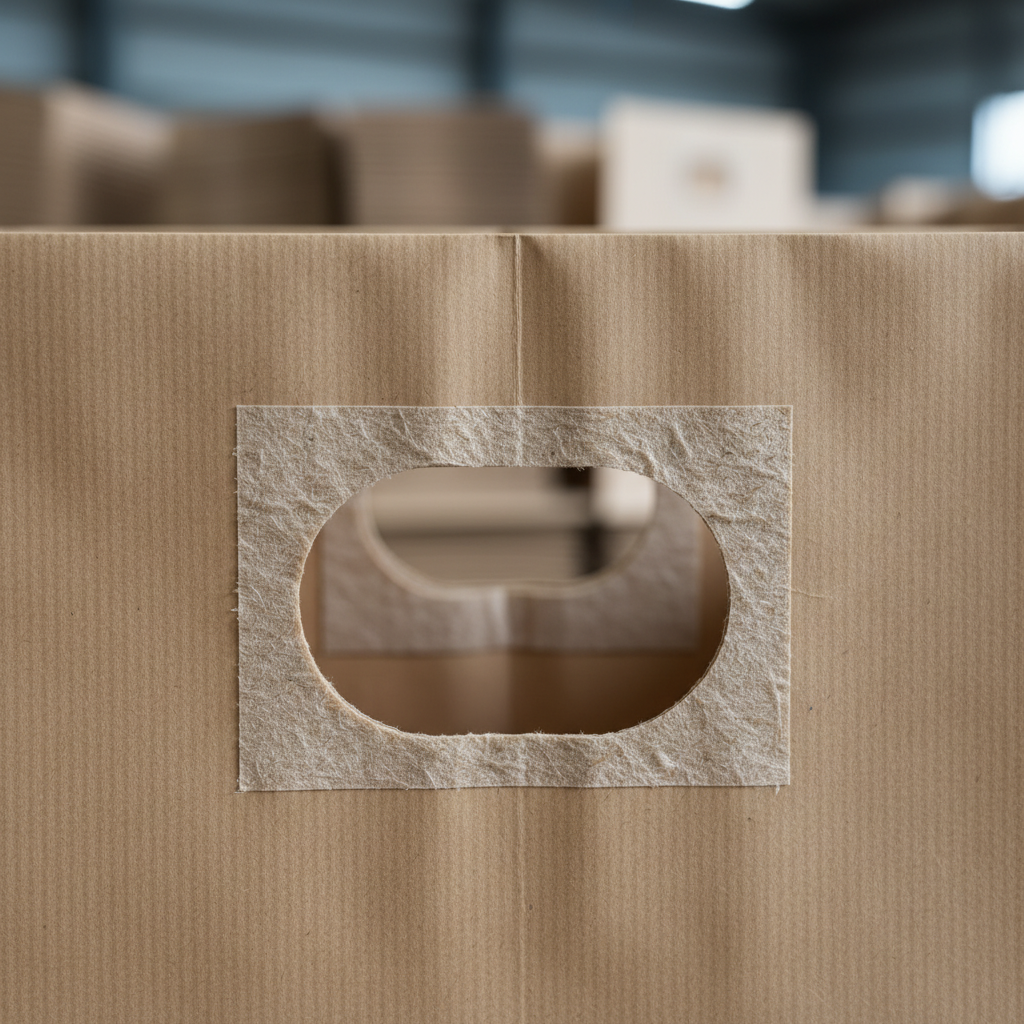
In the competitive landscape of food service and retail, packaging serves a dual purpose: it is a functional vessel for transport and a mobile billboard for brand identity. Among the myriad options available to procurement managers and brand owners, the custom die-cut paper bag stands out for its sleek profile, structural efficiency, and cost-effectiveness. Unlike traditional twisted-handle or flat-handle bags, die-cut bags feature a handle cut directly into the bag’s body, often reinforced with a patch for added tensile strength.
For B2B buyers—ranging from restaurant chains and bakeries to large-scale food distributors—choosing the right die-cut paper bag involves more than just picking a size. It requires a deep understanding of material science, barrier coatings, load-bearing capacities, and manufacturing tolerances. As the global shift away from single-use plastics accelerates, paper-based solutions have become the standard. However, not all paper bags are created equal. This guide provides a comprehensive technical analysis of die-cut paper bags to assist buyers in making informed, data-driven purchasing decisions.
The Anatomy of a Die-Cut Paper Bag
To specify the correct bag for your operations, it is essential to understand the structural components that define its performance. A die-cut bag is engineered to balance material usage with load capacity.
1. The Die-Cut Handle
The defining feature of this bag style is the handle, which is punched out of the upper portion of the bag face. Common shapes include oval, kidney, or circle cuts. Because removing material weakens the structure, the area surrounding the handle is the critical failure point. High-quality manufacturing addresses this through reinforcement.
2. Reinforcement Patches
For any application involving food containers, beverages, or retail goods weighing more than 0.5 kg, reinforcement is non-negotiable. Manufacturers apply a reinforcement patch—typically a strip of heavy-duty kraft paper or card stock—to the interior of the handle area before the die-cutting process. This patch distributes the stress of lifting across a wider surface area, preventing the paper from tearing at the corners of the cut.
3. Block Bottom vs. Pinch Bottom
Most food packaging bags utilize a block bottom (SOS – Self Opening Sack) construction. This creates a flat, rectangular base that allows the bag to stand upright on its own—a critical feature for loading takeout containers efficiently. Pinch bottom bags, which taper to a sealed edge, are generally unsuitable for flat-stacking food boxes but may be used for flat items like pastries or cookies.
4. Gussets
Side gussets expand to accommodate bulkier items. In the context of die-cut bags, the depth of the gusset determines the maximum width of the container that can sit flat at the bottom of the bag. Buyers must calculate gusset dimensions carefully to prevent food containers from tilting during transport.
Material Selection: Kraft Paper and Grades
The substrate chosen for your bags dictates their strength, appearance, and sustainability profile. In the B2B sector, the two primary categories are Virgin Kraft and Recycled Kraft.
Virgin Kraft Paper
Produced directly from wood pulp, virgin kraft paper has long fibers that provide superior tensile strength and tear resistance. It is the preferred choice for heavy-duty applications.
- White Virgin Kraft: Bleached pulp offers a pristine, bright white surface. It is ideal for high-fidelity printing, ensuring logos and brand colors appear vibrant and accurate.
- Brown Virgin Kraft: Unbleached pulp retains the natural wood color. It conveys an organic, eco-friendly aesthetic often desired by health-conscious food brands. It is naturally stronger than bleached paper of the same weight due to the lack of chemical bleaching.
Recycled Kraft Paper
Made from post-consumer or post-industrial waste, recycled paper is a sustainable choice but generally has shorter fibers, resulting in lower tear strength. To compensate, buyers may need to specify a higher GSM (grams per square meter) to achieve the same load-bearing capacity as virgin paper.
Paper Weight (GSM) Guidelines
Selecting the correct GSM is a balance between cost and performance. If the paper is too thin, the bag risks failure; too thick, and unit costs and shipping weights increase unnecessarily.
- 70–80 GSM: Suitable for light bakery items, single sandwiches, or small retail goods.
- 90–100 GSM: The standard for most takeout applications. Can support typical meal containers and beverages.
- 110–130+ GSM: Heavy-duty range. Required for large orders, heavy bottles, or multi-stacked containers.
Barrier Coatings and Grease Resistance
In food service, paper alone is often insufficient. Grease from burgers, pastries, or fried foods can penetrate standard kraft paper, causing unsightly stains and compromising the bag’s integrity. Buyers must determine the level of resistance required.
Greaseproof Paper (Kit Levels)
Greaseproof paper is treated to resist oil penetration without a plastic film. The industry measures this using “Kit levels” (typically 1 to 12). A Kit level of 3–5 is standard for bakery bags, while 7+ is used for oilier foods. However, for robust die-cut carryout bags, coatings are more common than treated paper.
PE (Polyethylene) Lining
A thin layer of PE is extruded onto the interior of the paper. This provides excellent grease resistance and a moisture barrier. It prevents condensation from hot food boxes from weakening the paper fibers.
- Pros: Superior barrier, heat sealable.
- Cons: Challenges in recycling (requires separation facilities).
Water-Based Dispersion Coatings
An emerging technology where a barrier coating is applied like ink. These coatings can provide grease and water resistance while often remaining repulpable in standard recycling streams. This is an excellent option for brands prioritizing strict sustainability credentials.
Sizing and Capacity: A Buyer’s Checklist
One of the most frequent errors in procurement is mismatching bag dimensions with product dimensions. A die-cut bag behaves differently than a twisted-handle bag because the handle is integrated into the bag height.
Functional Height vs. Total Height
When reviewing specifications, distinguish between the total height of the bag and the “usable” height. The die-cut handle occupies the top 5–8 cm (2–3 inches) of the bag. If your product fills the bag to the top edge, the handle becomes unusable. Rule of Thumb: Ensure your product height is at least 6–8 cm lower than the bag’s total height to allow for comfortable carrying.
Calculating Gusset Width for Containers
If you are packing a standard 20 cm x 20 cm takeout container, the bag’s bottom gusset (width + open gusset) must accommodate this. However, it is safer to rely on the bag’s width and gusset depth. A bag with a wide gusset allows containers to sit flat, reducing the risk of leaks.
Common Industry Sizes (Width x Gusset x Height)
- Small (Pastry/Snack): 200mm x 100mm x 280mm
- Medium (Standard Meal): 280mm x 150mm x 280mm
- Large (Family Order): 320mm x 180mm x 350mm
Note: Custom sizes are widely available but may incur tooling fees for new cutting dies.
Printing and Customization Options
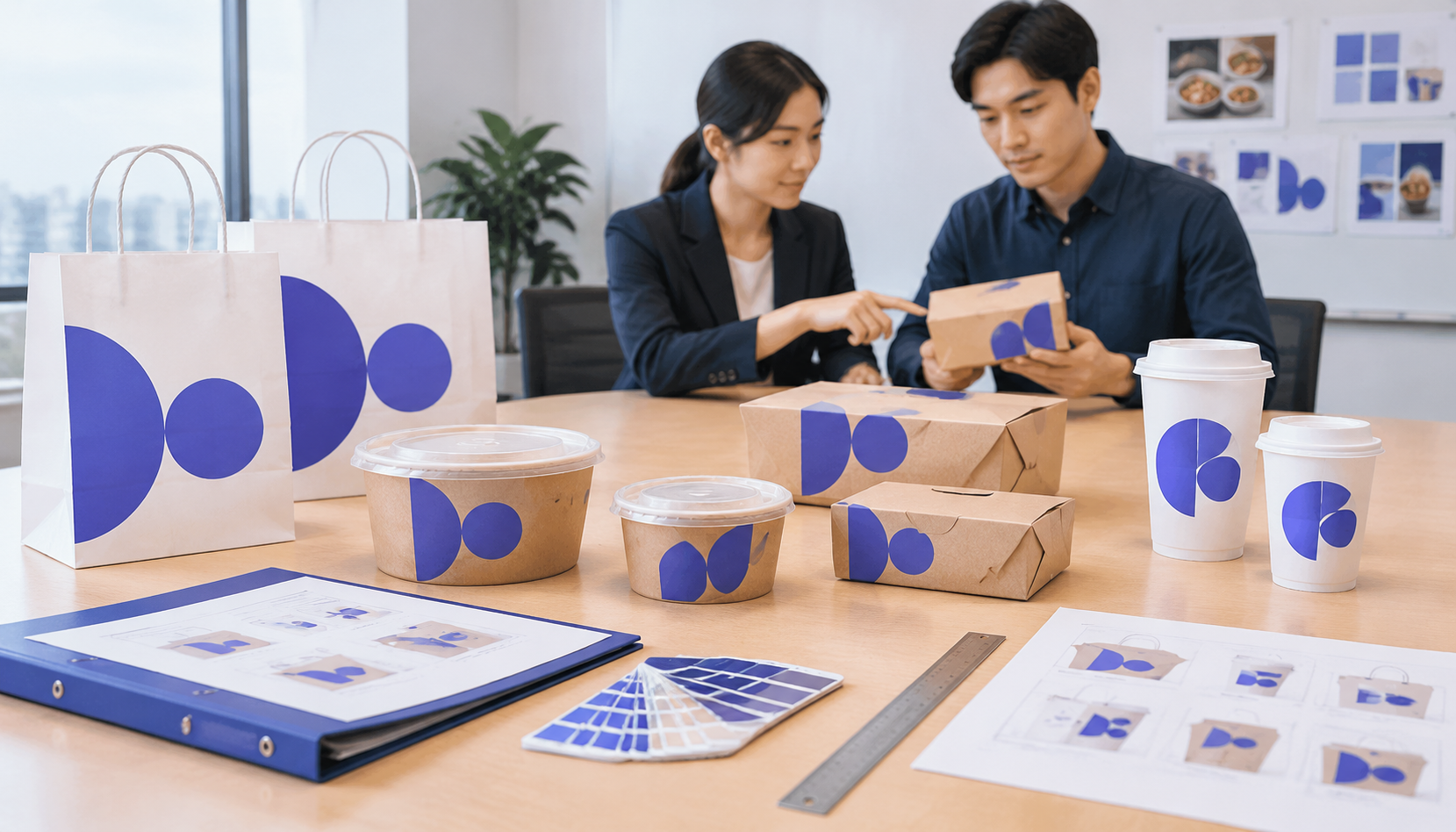
Branding is a primary driver for custom packaging orders. The large, flat surface area of a block-bottom bag offers an excellent canvas. Understanding printing technologies helps in setting budget and quality expectations.
Flexographic Printing (Flexo)
The industry standard for high-volume bag production. Flexo uses flexible relief plates to transfer ink to the paper roll before it is formed into a bag.
- Best for: Large runs (10,000+ units), simple to moderate designs, spot colors (Pantone).
- Cost: Low unit cost, moderate plate setup fees.
- Quality: Sharp lines and solid colors; modern flexo can also achieve high-quality process printing.
Offset Printing
Used for premium packaging requiring photo-realistic imagery or complex gradients.
- Best for: Luxury brands, intricate artwork, high-end retail.
- Cost: Higher unit cost and setup fees.
- Quality: Superior resolution and color fidelity.
Ink Safety
For food packaging, safety is paramount. Specify water-based inks or soy-based inks. These are free from volatile organic compounds (VOCs) and prevent chemical odors from transferring to the food. Solvent-based inks should generally be avoided in food service applications.
Manufacturing Process and Quality Control
Understanding how your bags are made helps in troubleshooting and setting quality standards. The production of die-cut paper bags typically involves a fully automated, inline process.
The Production Line
- Unwinding: The large roll of kraft paper is unwound.
- Printing: The paper passes through the print stations (Flexo).
- Patch Application: The reinforcement patch is glued to the designated handle area.
- Tube Forming: The paper is folded and glued into a long tube. Side gussets are formed here.
- Cutting and Bottoming: The tube is cut to length, and the bottom is folded and glued.
- Die-Cutting: The handle shape is punched out through the reinforced area.
- Ejection/Stacking: Finished bags are counted and stacked.
Quality Assurance Checkpoints
When vetting a supplier, ask about their QC protocols. Critical checks include:
- Handle Tensile Test: Loading the bag to its rated capacity and suspending it to ensure the handle does not tear.
- Bottom Glue Strength: Ensuring the bottom seal holds under heat and humidity (common in kitchens).
- Print Registration: Verifying that colors align correctly and logos are not distorted.
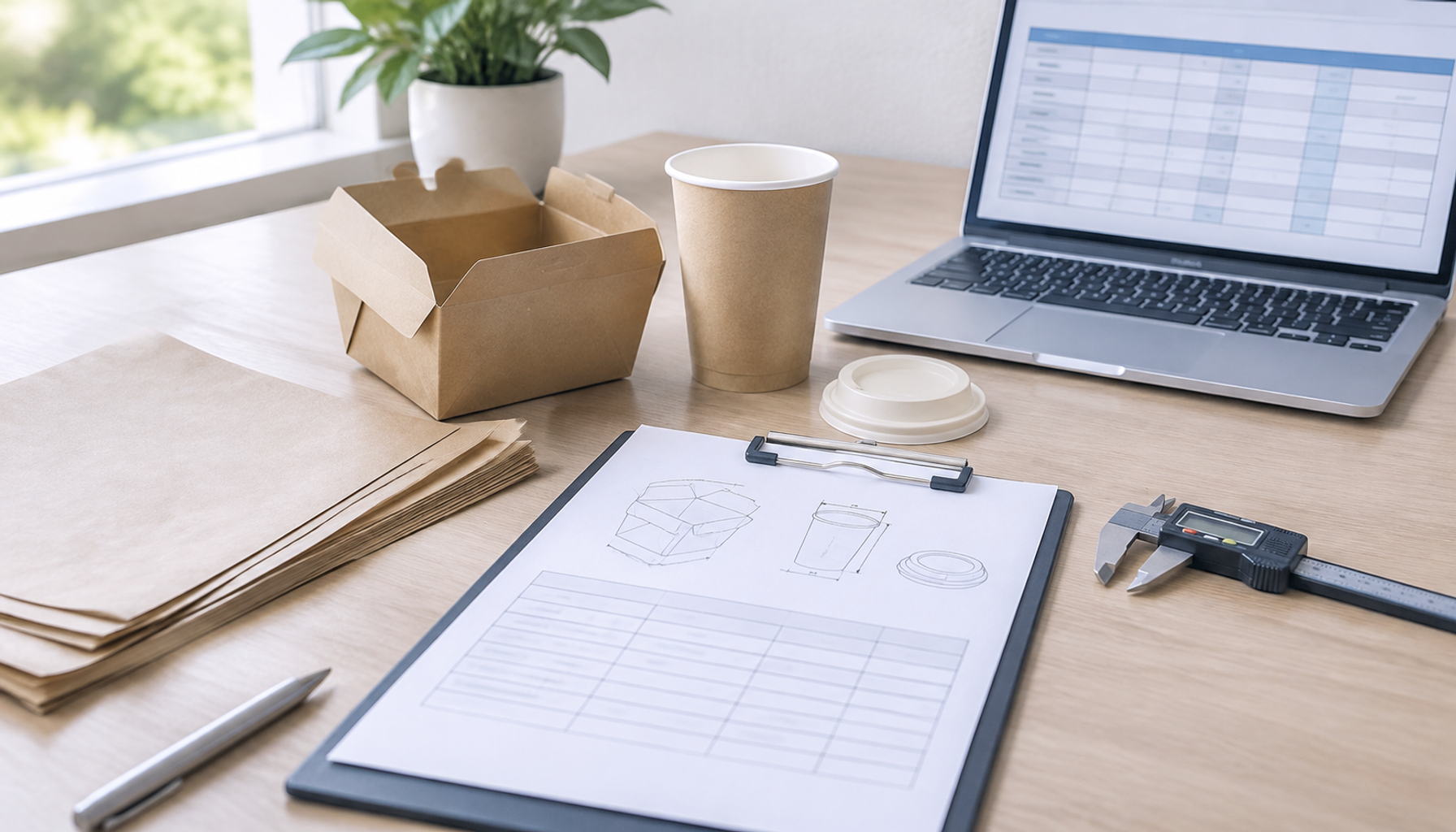
- Dimensional Tolerance: Standard industry tolerance is usually +/- 3-5mm.
Use Cases in the Food Industry
Die-cut bags are versatile, but they excel in specific scenarios where speed and presentation are key.
1. Fast Casual & QSR Takeout
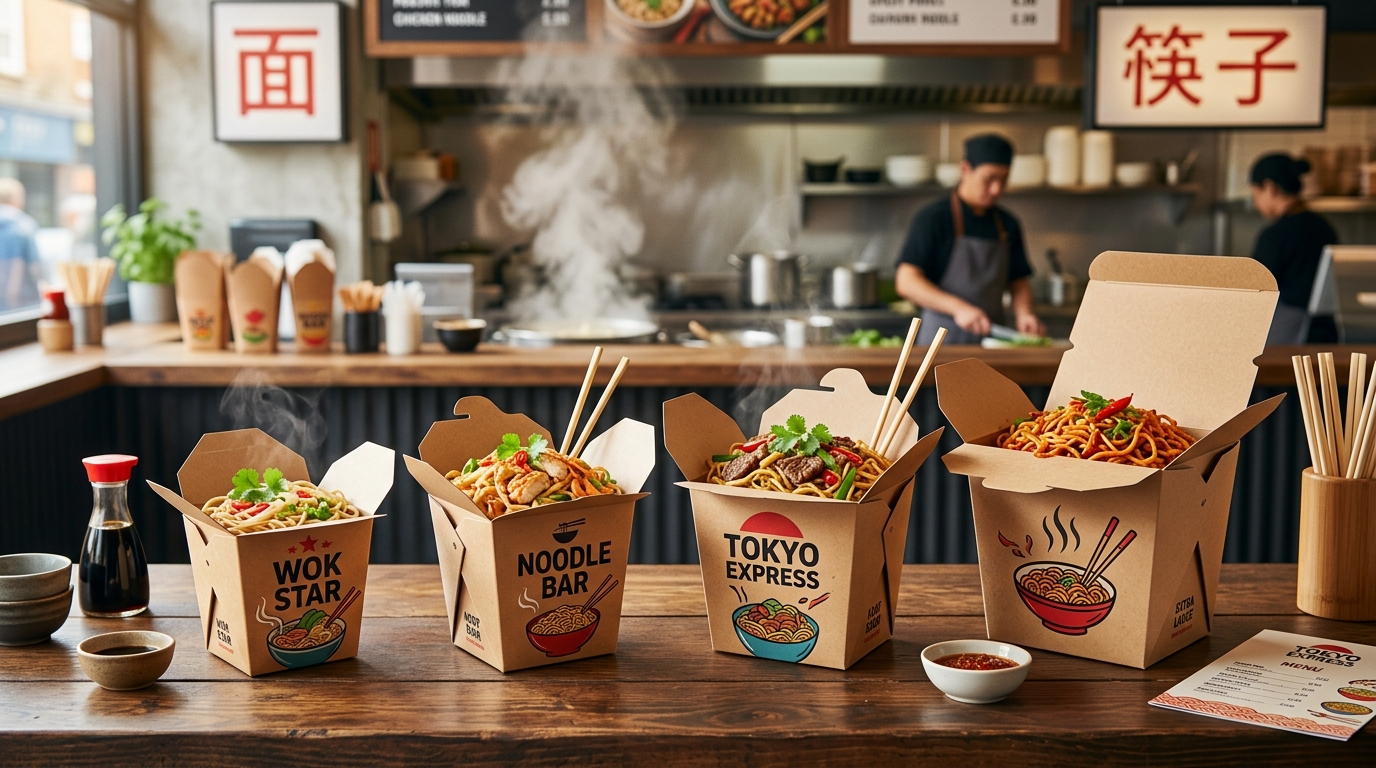
Speed is essential in Quick Service Restaurants (QSR). Die-cut bags are easy to grab and open. Unlike twisted handle bags, which can sometimes tangle in the box, die-cut bags stack perfectly flat. The “flat top” design also allows staff to easily fold the top over and seal it with a tamper-evident sticker—a crucial feature for delivery apps.
2. Bakeries and Cafes
For lighter items like bread, pastries, and coffee orders, the die-cut bag offers an elegant, minimalist look. The reinforced handle provides enough strength for a few items without the bulk of a heavy-duty tote.
3. Meal Prep and Catering
Meal prep companies often use wide-gusset die-cut bags to stack rectangular meal containers. The structural rigidity of the paper (especially in higher GSMs) protects the contents better than plastic bags.
Procurement Strategy: How to Order Efficiently
Navigating the supply chain for custom packaging requires attention to detail. Here is a strategic approach to placing your order.
Minimum Order Quantities (MOQ)
Because these bags are produced on high-speed automated lines, setup times are significant. Consequently, MOQs for fully custom sizes and prints are typically higher than for stock items.
- Stock Bags (Plain): Low MOQ (often 1–5 cartons).
- Custom Print (Post-Print): Moderate MOQ (e.g., 5,000 units). Printing is done on already formed bags (limitations on print area).
- Fully Custom (Inline): High MOQ (e.g., 10,000–30,000+ units). Allows for full-bleed printing, custom sizes, and specific paper grades.
Lead Times and Logistics
Global logistics impact delivery dates. Production time for custom orders is typically 2–4 weeks after artwork approval. Ocean freight can add 4–8 weeks depending on the destination. Buyers should plan inventory 3–4 months in advance to avoid stockouts. For urgent needs, inquire about air freight options for a portion of the order.
Artwork Preparation
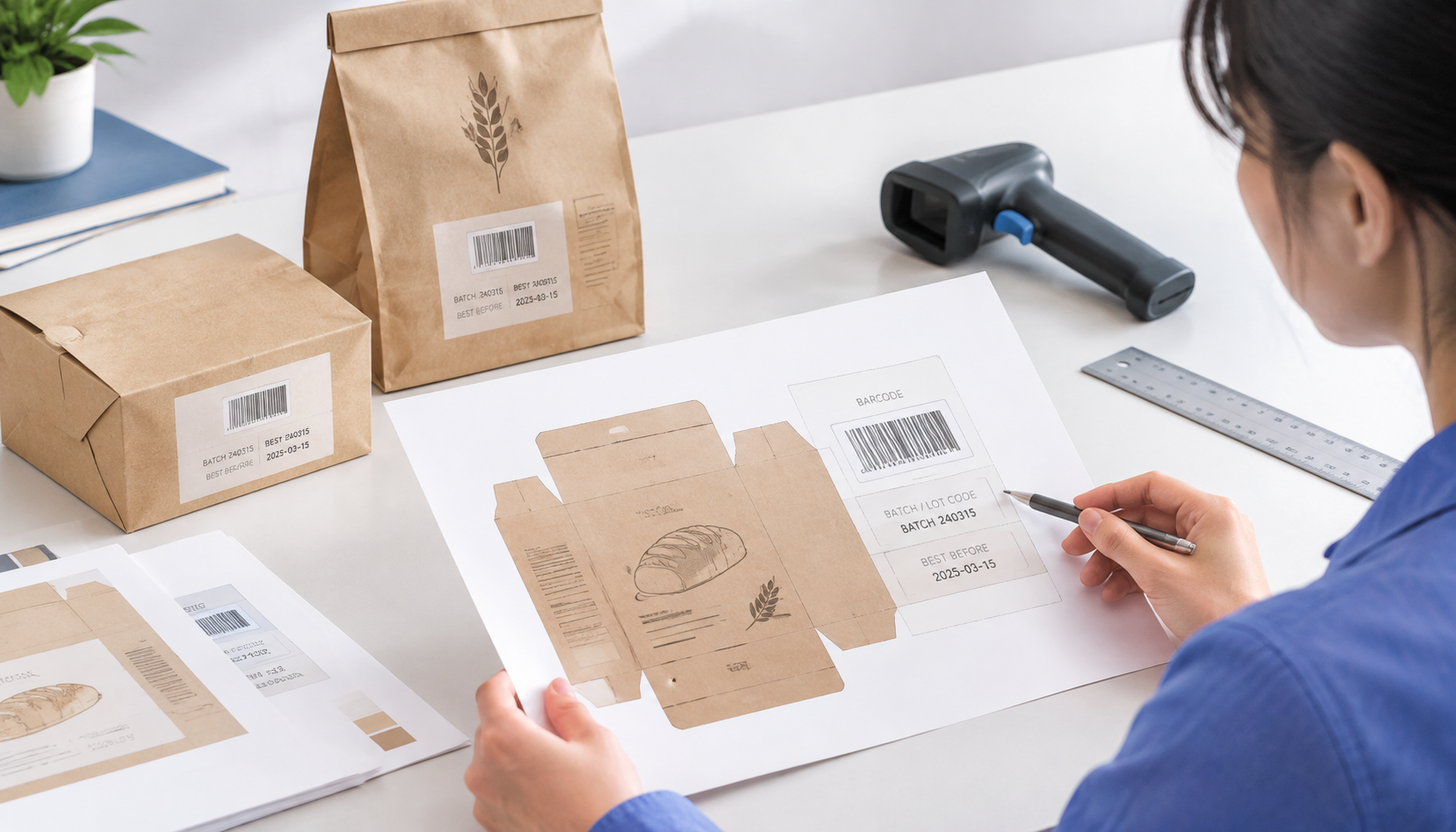
To expedite the process, have your design team prepare vector files (AI, PDF, EPS). Ensure all fonts are outlined and Pantone colors are specified. Ask your supplier for a “dieline” template to ensure your artwork fits within the safe zones, particularly avoiding the handle cut-out area.
Storage Considerations
Paper is hygroscopic—it absorbs moisture. Store your paper bags in a cool, dry warehouse. Keep cartons off the concrete floor (use pallets) to prevent moisture wicking, which can weaken the glue and paper fibers over time.
Sustainability and End-of-Life
Sustainability is a major purchasing driver. Die-cut paper bags offer several advantages:
- Recyclability: Uncoated kraft bags are widely recyclable. Bags with PE linings may require specialized facilities, whereas water-based coatings are more universally recyclable.
- Compostability: Bags made with compostable glues and inks, and without plastic linings, can be certified for industrial composting.
- Reusability: A high-GSM die-cut bag is durable enough to be reused by the end consumer, extending the brand impression.
Conclusion
The die-cut paper bag is a sophisticated packaging solution that combines aesthetic appeal with logistical efficiency. For food service operators, it offers a stable, stackable, and brand-forward way to deliver products to customers. By carefully selecting the right material weight, reinforcement options, and barrier coatings, buyers can ensure their packaging performs flawlessly under the rigors of delivery and takeout.
Whether you are launching a new brand or optimizing your current supply chain, understanding these technical details will lead to better negotiations and a superior final product. If you are ready to explore specifications or need guidance on the optimal size for your menu items, professional support is available.
Ready to upgrade your food packaging? Review our ordering process or contact our team today to request a quote and sample kit tailored to your specific requirements.
Frequently Asked Questions (FAQ)
1. What is the maximum weight a die-cut paper bag can hold?
This depends on the paper GSM and the reinforcement patch. A standard 100 GSM bag with a patch handle can typically hold 3–5 kg safely. Heavy-duty versions (120+ GSM) can hold up to 8 kg. Always request samples to test with your actual products.
2. Can die-cut bags be printed on all sides?
Yes, if you choose fully custom inline production. The paper is printed while flat on the roll, allowing for full-bleed artwork on the front, back, gussets, and even the bottom. Post-printing on ready-made bags usually restricts printing to the center of the front and back.
3. Are die-cut bags cheaper than twisted handle bags?
Generally, yes. Die-cut bags require fewer raw materials (no separate handle strips) and the manufacturing process is faster and more streamlined, often resulting in a lower unit cost.
4. How do I know if I need a reinforcement patch?
If your contents weigh more than 500g (approx 1 lb), a reinforcement patch is highly recommended. Without it, the stress concentration at the die-cut edges will likely cause the paper to tear during handling.
5. Can these bags be used for hot food?
Yes. However, for hot food, we recommend a bag with adequate venting or a breathable paper grade to prevents sogginess. If grease is a concern (e.g., fried chicken), a grease-resistant coating or PE lining is necessary.
6. What file format do you need for my logo?
We require vector-based files such as Adobe Illustrator (.ai), Encapsulated PostScript (.eps), or high-resolution PDF. This ensures your logo remains crisp and clear at any size.
7. Do you offer eco-friendly barrier options?
Yes, aside from standard PE linings, we can source aqueous (water-based) coatings and PLA (polylactic acid) linings which are biodegradable and compostable, depending on your local waste management infrastructure.