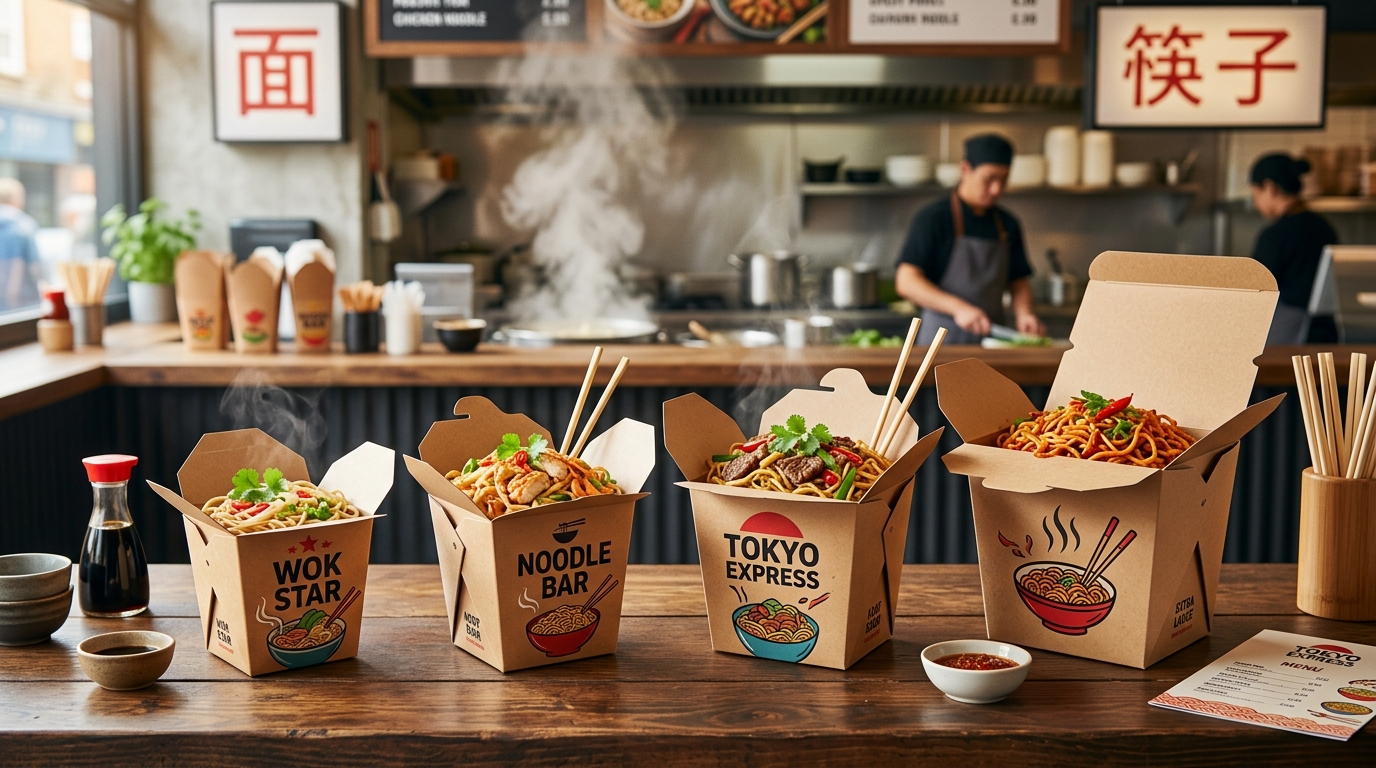


Introduction: The Strategic Importance of the Humble Noodle Box
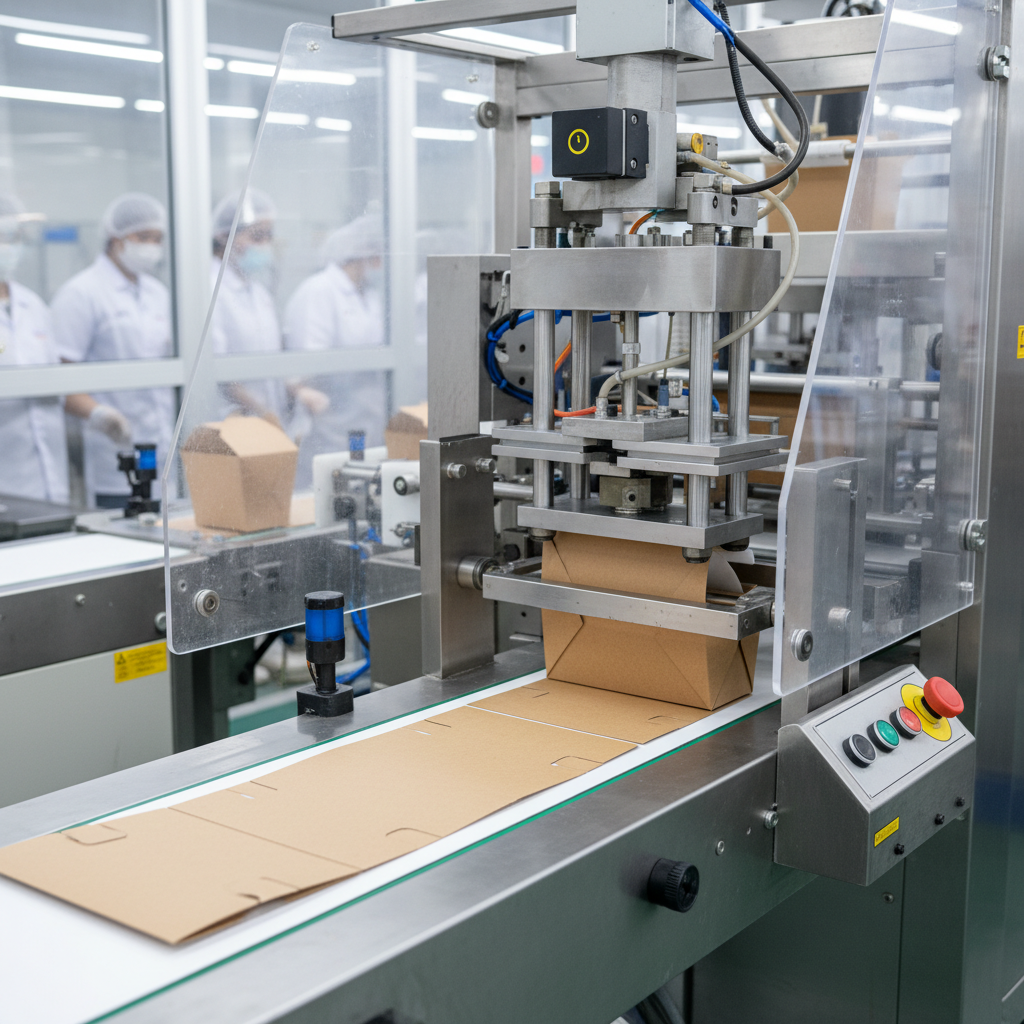
In the rapidly evolving landscape of global food service, packaging is no longer just a vessel; it is a critical component of brand identity, operational efficiency, and food quality assurance. For procurement managers, restaurant chains, and food distributors, the noodle box—often recognized by its iconic folded shape—represents a staple item that must perform flawlessly under challenging conditions.
Whether serving steaming hot ramen, heavy rice dishes, or oily stir-fries, the structural integrity of the container directly impacts the consumer experience. A leaking box or a collapsed sidewall can damage a brand’s reputation instantly. Conversely, high-quality, well-branded packaging enhances perceived value and ensures the food arrives as the chef intended.
This comprehensive buyer’s guide explores the technical specifications, material options, manufacturing processes, and strategic considerations for sourcing custom noodle boxes. We will delve into the nuances of GSM (grams per square meter), coating technologies, and the logistical factors that international buyers must weigh when selecting a manufacturing partner.
1. Defining the Modern Noodle Box
Evolution from Oyster Pails to Precision Engineering
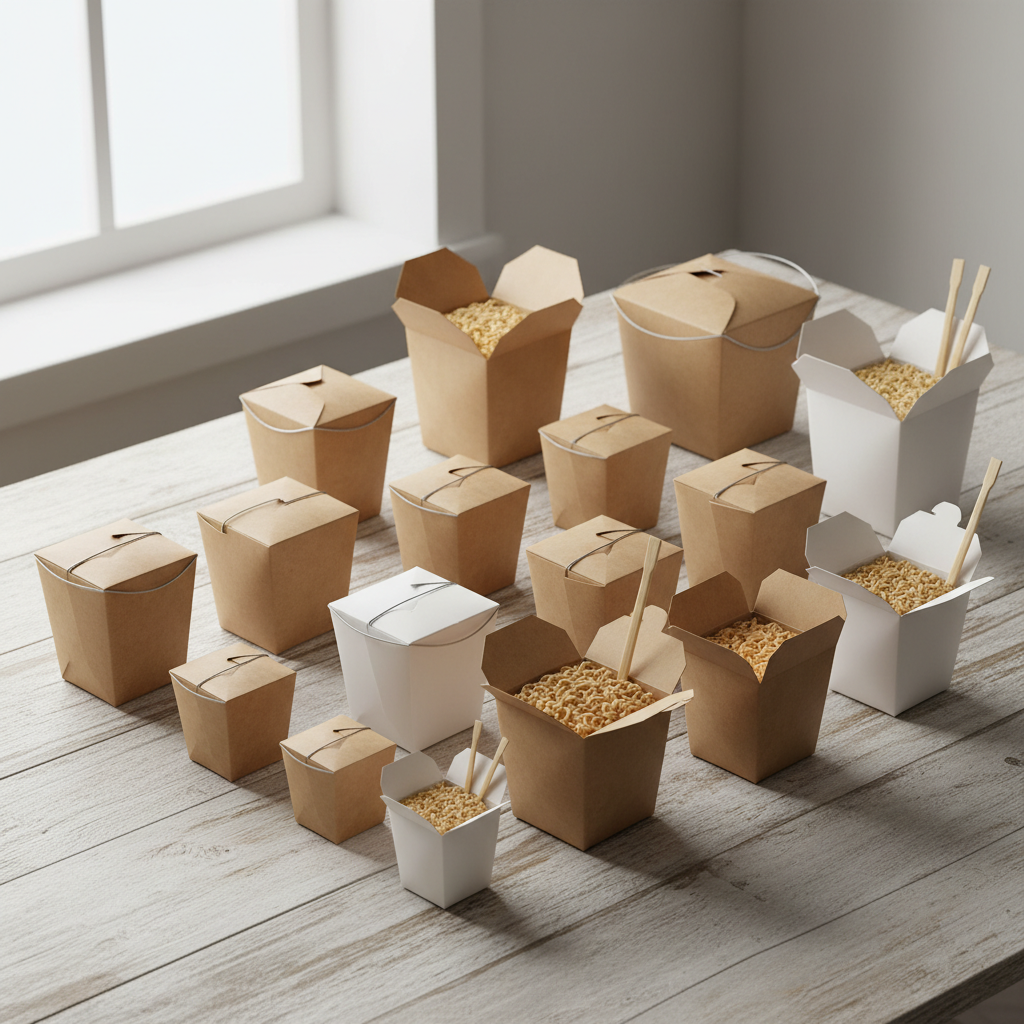
The traditional noodle box, historically known as the “oyster pail,” has evolved significantly. Originally designed with a wire handle and a simple folded paper structure, modern iterations are engineered for microwave safety, stackability, and superior leak resistance. Today’s industrial-grade noodle boxes are precision-die-cut products that balance sustainability with high-performance barrier properties.
Anatomy of a Noodle Box
Understanding the anatomy is crucial for specification:
- The Body: Typically formed from a single sheet of paperboard to minimize seams where leaks could occur.
- The Base: Available in round or square configurations. Round bases generally offer better fluid retention for soups, while square bases maximize volume for dry noodles and rice.
- The Locking Mechanism: Top flaps that interlock to retain heat and prevent spillage during transit.
- The Lining: A microscopic layer of plastic (PE) or biodegradable coating (PLA/Aqueous) applied to the interior to prevent grease absorption and structural failure.
2. Material Selection: The Foundation of Quality
The core of any packaging solution is the substrate. For noodle boxes, the choice of paperboard dictates stiffness, printability, and cost. Buyers typically choose between three primary material categories.
Kraft Paperboard (Virgin and Recycled)
Kraft paper is the industry standard for brands seeking a natural, organic, or eco-friendly aesthetic.
- Virgin Kraft: Made from fresh wood pulp, this material offers superior strength and tear resistance. It is food-safe and ideal for heavy meals.
- Recycled Kraft: While more sustainable, recycled fibers are shorter and weaker. This is often used for dry foods where structural stress is lower. Note that for direct food contact, a functional barrier is strictly required to prevent migration of recycled paper chemicals.
Solid Bleached Sulfate (SBS) / White Cardboard
For brands that require vibrant, high-definition graphics, SBS is the premium choice. It is a virgin hardwood grade that is bleached white throughout. Its smooth surface allows for exceptional print quality, making it ideal for food packaging solutions that rely on complex artwork or Pantone color matching.
Bamboo Pulp Paper
An emerging favorite in the sustainable sector, bamboo paper is tree-free and renewable. It shares the brownish hue of Kraft paper but often comes with a slightly different texture. It signals a strong commitment to environmental responsibility.
Paper Weight (GSM) Considerations
The thickness of the paper is measured in GSM (Grams per Square Meter). For noodle boxes, the typical range is 250gsm to 350gsm.
- 260gsm – 280gsm: Suitable for smaller sizes (16oz) or dry contents.
- 300gsm – 320gsm: The standard for most 26oz and 32oz boxes. Provides a good balance of rigidity and cost.
- 330gsm+: Required for large capacities or heavy, wet dishes to prevent the sides from bowing under the weight of the food.
3. Barrier Coatings: Grease and Leak Resistance
Paper absorbs water and grease. Without a coating, a noodle box would disintegrate within minutes of being filled with hot chow mein. The coating technology is the invisible hero of food packaging.
Polyethylene (PE) Coating
This is the industry standard. A thin layer of PE is extruded onto the paperboard.
- Single PE: Coating on the inside only. Suitable for most hot foods.
- Double PE: Coating on both the inside and outside. Essential for cold foods (to prevent condensation from weakening the box from the outside) or for extra rigidity.
PLA (Polylactic Acid) Coating
Derived from cornstarch, PLA is a biodegradable alternative to PE. It offers similar grease resistance but has lower heat tolerance. It is compostable in industrial facilities, making it a preferred choice for green supply chains.
Aqueous (Water-Based) Coating
The newest innovation in the market. Aqueous coatings are painted onto the board like ink. They provide grease resistance and are fully repulpable, meaning the box can be recycled in standard paper streams without separating a plastic liner.
4. Shapes, Sizes, and Capacities
Standardization helps in logistics, but understanding the volume is key for portion control.
Common Industry Sizes
| Size (Volume) | Typical Dimensions (Top x Bottom x Height) | Best Use Case |
|---|---|---|
| 16oz (Small) | Top: 85x70mm | Height: 85mm | Side dishes, rice portions, small appetizers. |
| 26oz (Medium) | Top: 95x80mm | Height: 95mm | Standard lunch portions, pad thai, pasta. |
| 32oz (Large) | Top: 105x90mm | Height: 110mm | Main courses, heavy soups, shared meals. |
Round Bottom vs. Square Bottom
Round Bottom: These are formed similarly to paper cups. They have a sealed circular base which offers superior leak protection for liquids like broths and curries. They are often preferred for “wet” noodles.
Square Bottom: These fold flat and pop open. They are excellent for stacking in delivery bags and maximize volume efficiency. They are best suited for “dry” or “saucy” noodles rather than full soups.
5. Printing and Customization Options
Customization transforms a commodity into a marketing asset. When ordering wholesale, you have several printing technologies at your disposal.
Offset Printing
Offset printing is the gold standard for high-volume, high-quality packaging. It involves transferring ink from a plate to a rubber blanket, then to the paper.
- Pros: Photo-realistic quality, cost-effective at high volumes (10,000+ units), supports special finishes.
- Cons: Higher setup costs make it expensive for small runs.
Flexographic Printing
Flexo uses flexible relief plates. It is faster and often used for simpler designs (1-3 colors) on Kraft materials.
- Pros: Lower tooling costs, water-based inks are eco-friendly.
- Cons: Cannot achieve the high resolution or gradients of offset printing.
Finishing Techniques
To stand out on the shelf or the dining table, consider post-print finishes:
- Spot UV: A glossy coating applied to specific areas (like a logo) to make them pop against a matte background.
- Embossing/Debossing: Physically pressing a texture into the board for a tactile premium feel.
- Gold/Silver Hot Stamping: Adds a metallic foil for a luxury aesthetic.
6. Manufacturing and Quality Assurance
Understanding how your boxes are made helps in vetting suppliers. The process generally follows these steps:
- Lamination: The base paper is coated with PE or PLA.
- Printing: The roll or sheets are printed with the custom artwork.
- Die-Cutting: The flat shape of the box is cut out from the sheet. This stage requires high precision to ensure flaps interlock correctly.
- Forming/Gluing: High-speed machines fold and glue the side seams. The type of glue used must be food-grade and heat-resistant.
Quality Checkpoints
Reliable manufacturers perform specific tests:
- Leak Test: Filling random samples with hot water/oil to check for seepage over time.
- Odor Test: Ensuring the ink and glue do not impart any smell to the food.
- Load Test: Stacking filled boxes to ensure the bottom layer does not collapse.
7. Use Cases: Matching the Box to the Menu
Not all noodle boxes are created equal. Choosing the wrong specification for a specific cuisine can lead to disaster.
High-Liquid Foods (Ramen, Laksa, Pho)
Recommendation: Double PE coated, Round Bottom, 320gsm+.
Liquid-heavy dishes exert pressure on the seams. A round bottom eliminates the corner folds where leaks usually start. Double PE prevents the steam from softening the board from the inside.
Oily Foods (Fried Rice, Stir-Fry)
Recommendation: Single PE or Grease-proof Aqueous coating, Square Bottom.
Oil can penetrate uncoated paper quickly, leaving unsightly stains on the outside. A standard PE lining is usually sufficient here.
Microwave Reheating
Recommendation: Microwave-safe glue, No wire handles.
Traditional oyster pails with metal wire handles are a fire hazard in microwaves. Ensure you specify “microwave-safe” construction, which relies on folded flaps or paper tabs rather than metal.
8. Logistics and Buying Guide
When you are ready to source, keeping logistics in mind can save significant costs.
Minimum Order Quantities (MOQ)
Custom printing usually requires an MOQ of 10,000 to 30,000 units due to the setup of offset printing plates. However, some suppliers offer digital printing for smaller runs (1,000+), though the per-unit cost is significantly higher.
Lead Times
Production typically takes 15–25 days after artwork approval. Shipping times vary by method (Sea freight vs. Air freight). It is advisable to plan inventory 3 months in advance to account for transit and customs clearance.
Storage Efficiency
Noodle boxes are generally shipped nested (stacked inside each other) or flat-packed.
- Nested: Ready to use instantly but takes up more shipping volume (higher freight cost).
- Flat-packed: Requires assembly (folding) by the restaurant staff but saves massive amounts of warehouse space and shipping costs.
Most modern glued noodle boxes come nested, while some fold-out styles come flat.
9. Sustainability and Compliance
As regulations regarding single-use plastics tighten globally (e.g., EU Single-Use Plastics Directive), buyers must be vigilant.
- Recyclability: PE-lined boxes require specialized recycling facilities to separate the plastic from the paper.
- Compostability: PLA-lined or Aqueous-coated boxes are the best choice for regions with strict composting mandates.
- Certifications: Look for manufacturers who use FSC-certified paper sources to ensure the wood pulp comes from responsibly managed forests.
How to Choose the Right Noodle Box: A Checklist
Before you start the ordering process, answer these questions to streamline your request for a quote:
- What is the primary menu item? (Soup, dry noodles, rice, salad?)
- What is the average portion size? (Need 16oz, 26oz, or 32oz?)
- Will the food be reheated by the customer? (Need microwave safety?)
- What is your storage capacity? (Can you handle nested boxes or need flat-packed?)
- What is your budget vs. branding goal? (Kraft for economy/eco look, or Full Color Print for premium branding?)
Frequently Asked Questions (FAQ)
1. Can custom noodle boxes be used in the microwave?
Yes, provided they are made without metal wire handles and use microwave-safe glues. Always confirm this specification with your supplier.
2. What is the difference between PE and PLA lining?
PE (Polyethylene) is a traditional plastic derived from petroleum, offering excellent heat and leak resistance. PLA (Polylactic Acid) is plant-based and biodegradable but has a lower heat tolerance than PE.
3. Do noodle boxes come assembled?
Most round-bottom and square-bottom noodle boxes are pre-glued and nested, meaning they are ready to use right out of the carton. Some specific “fold-yourself” styles are shipped flat.
4. How do I prevent boxes from getting soggy?
Ensure you select the correct GSM (paper thickness) and coating. For very hot or steamy foods, vented tops can help release steam, or a double-PE coating can prevent moisture penetration.
5. What is the standard MOQ for branded boxes?
Typical MOQ for custom print is 30,000 units. This ensures the unit price remains competitive. Lower quantities may be available but often carry a premium.
6. Are the inks food-safe?
Yes, reputable manufacturers use food-grade, soy-based, or water-based inks that comply with FDA and EU food contact safety regulations.
7. Can I print on the inside of the box?
Printing on the inside is generally discouraged for direct food contact unless specific food-safe barrier coatings are applied over the ink. It is technically possible but adds cost and compliance complexity.
Conclusion
Selecting the right noodle box is a balance of engineering, aesthetics, and economics. It requires a deep understanding of your food product and your brand’s promise to the customer. By choosing the right materials, sizing, and print finishes, you turn a simple disposable container into a powerful brand ambassador.
Whether you need a standard Kraft solution or a fully customized, high-definition printed box, working with an experienced manufacturer is key to success. If you are ready to explore your options or need guidance on specifications, we are here to help.
Ready to upgrade your food packaging? Contact our team today to request a quote or get a sample of our premium noodle boxes.