

Introduction to Sugarcane Bagasse in Modern Food Packaging
The global shift away from single-use plastics has forced procurement managers, restaurant chains, and food distributors to seek viable, scalable alternatives. Among the myriad of eco-friendly materials available, sugarcane bagasse has emerged as a frontrunner for structural food packaging. Unlike paper, which often requires a plastic lining to hold moisture, or PLA (polylactic acid), which has temperature limitations, bagasse offers a unique balance of rigidity, thermal resistance, and compostability.
For B2B buyers, understanding the technical nuances of sugarcane bagasse containers is critical. Choosing the wrong grade, size, or lid type can lead to operational failures—leaking sauces, crushed delivery orders, or customer dissatisfaction. This guide provides a comprehensive analysis of bagasse packaging, from raw material properties to manufacturing specifications, ensuring you make informed purchasing decisions for your wholesale needs.
What is Sugarcane Bagasse? Material Science for Buyers
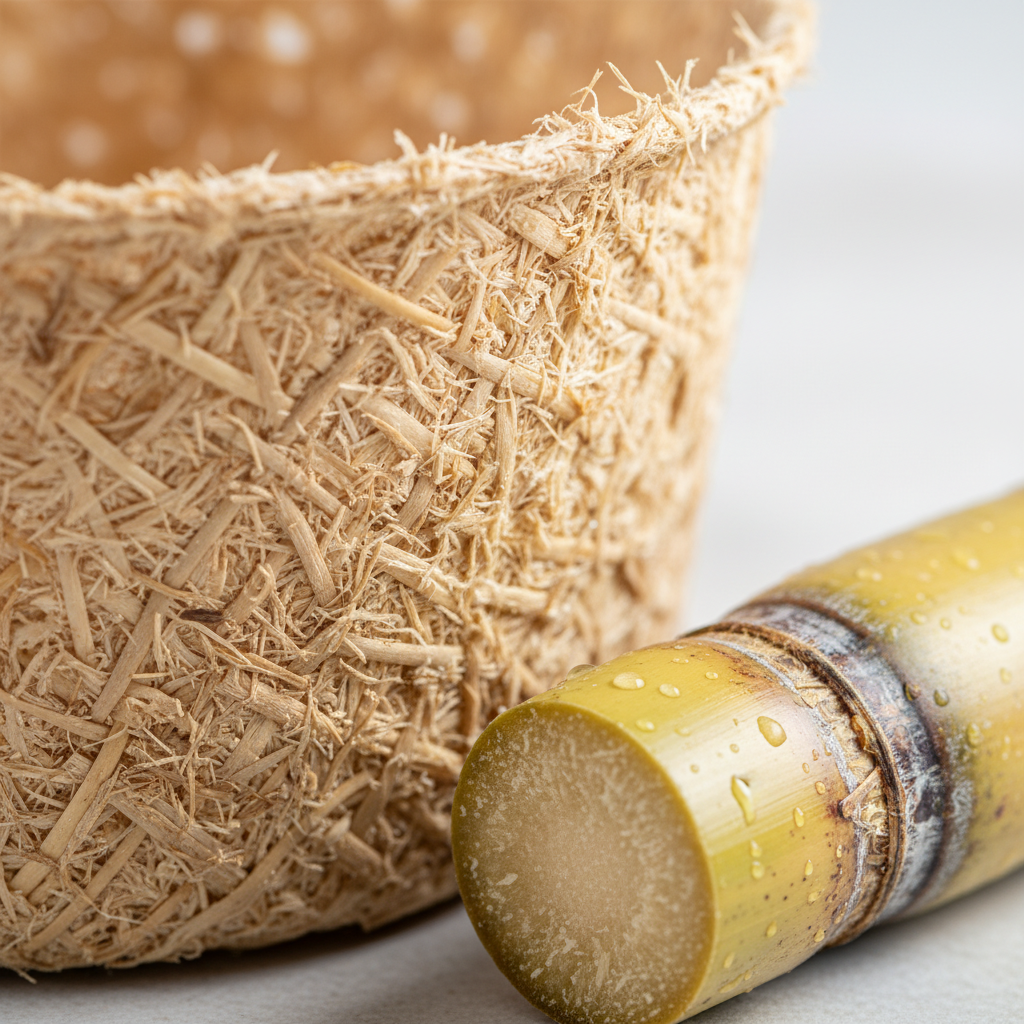
Bagasse is the dry, fibrous residue that remains after sugarcane stalks are crushed to extract their juice. Historically treated as agricultural waste or fuel for factory boilers, this material is now repurposed into high-value molded fiber packaging.
The Fiber Structure
Bagasse fibers are relatively short but highly interlocking. When pulped and molded, they create a dense, sturdy mesh. This structural integrity is what allows bagasse plates and containers to hold heavy meals without buckling, a common complaint with thin paper alternatives.
Environmental Profile
- Renewability: Sugarcane is a rapidly renewable resource, harvested annually.
- Biodegradability: Unlike petroleum-based plastics that persist for centuries, pure bagasse products can decompose in commercial composting conditions in 60–90 days.
- Energy Efficiency: The manufacturing process for molded fiber generally consumes less energy than producing virgin paper from wood pulp, as the extraction phase (harvesting the cane) is already completed for the sugar industry.
Manufacturing Processes: Wet Press vs. Dry Press
When sourcing food packaging boxes made from bagasse, you will typically encounter two main manufacturing technologies. Understanding the difference is vital for balancing cost against aesthetics and performance.
1. Dry Press (Traditional Molding)
In this process, the pulp is molded into shape and then dried in an oven. The resulting product has a rougher texture on the outside and a smoother surface on the inside.
- Pros: Lower production cost, faster cycle times.
- Cons: Less defined edges, rougher tactile feel, slightly lower density.
- Best For: Egg cartons, fruit trays, industrial packaging, and budget-friendly fast-food carriers.
2. Wet Press (Thermoformed)
Wet press technology involves drying the product within the mold itself under high heat and pressure. This “cures” the container, resulting in a very smooth surface on both sides, sharp edges, and a more refined appearance.
- Pros: Premium look and feel, higher density, better stackability, tighter lid fit.
- Cons: Higher tooling and production costs.
- Best For: High-end catering, delivery containers requiring tight lids, branded food service.
Technical Specifications and Performance
Before placing a bulk order, procurement teams must verify that the containers meet the specific physical demands of the food being served. Below are the standard technical parameters for high-quality bagasse containers.
Temperature Tolerance
One of the primary advantages of bagasse over materials like PET or PLA is its thermal range.
- Heat Resistance: Typically withstands up to 100°C (212°F) for hot oil and 100°C for hot water. This makes it suitable for freshly cooked meals, soups, and curries.
- Microwave Safe: Bagasse is microwave-safe, allowing end-users to reheat food directly in the container without it melting or releasing harmful toxins.
- Freezer Safe: It remains stable in freezing temperatures, making it viable for frozen meal prep or ice cream storage.
Grease and Water Resistance
Natural cellulose fibers are hydrophilic (water-loving) and porous. To make them suitable for food service, manufacturers add food-grade sizing agents.
- Oil Resistance: Prevents grease from fried foods (burgers, fries) from soaking through the bottom.
- Water Resistance: Essential for sauces and gravies.
Buyer Note: If your application involves extremely long storage of liquids (e.g., soup stored for 24+ hours), bagasse may eventually soften. For such use cases, a coating (like PLA or aqueous coating) might be recommended, though this affects compostability.
Rigidity and Stackability
For delivery and takeout operations, stackability is non-negotiable. Wet-press bagasse containers are designed with structural ribs and high-density walls to support the weight of multiple stacked meals during transport. Unlike Styrofoam, which can crack, or thin plastic, which can crush, bagasse tends to absorb shock while maintaining shape.
Sizing and Capacity Guide
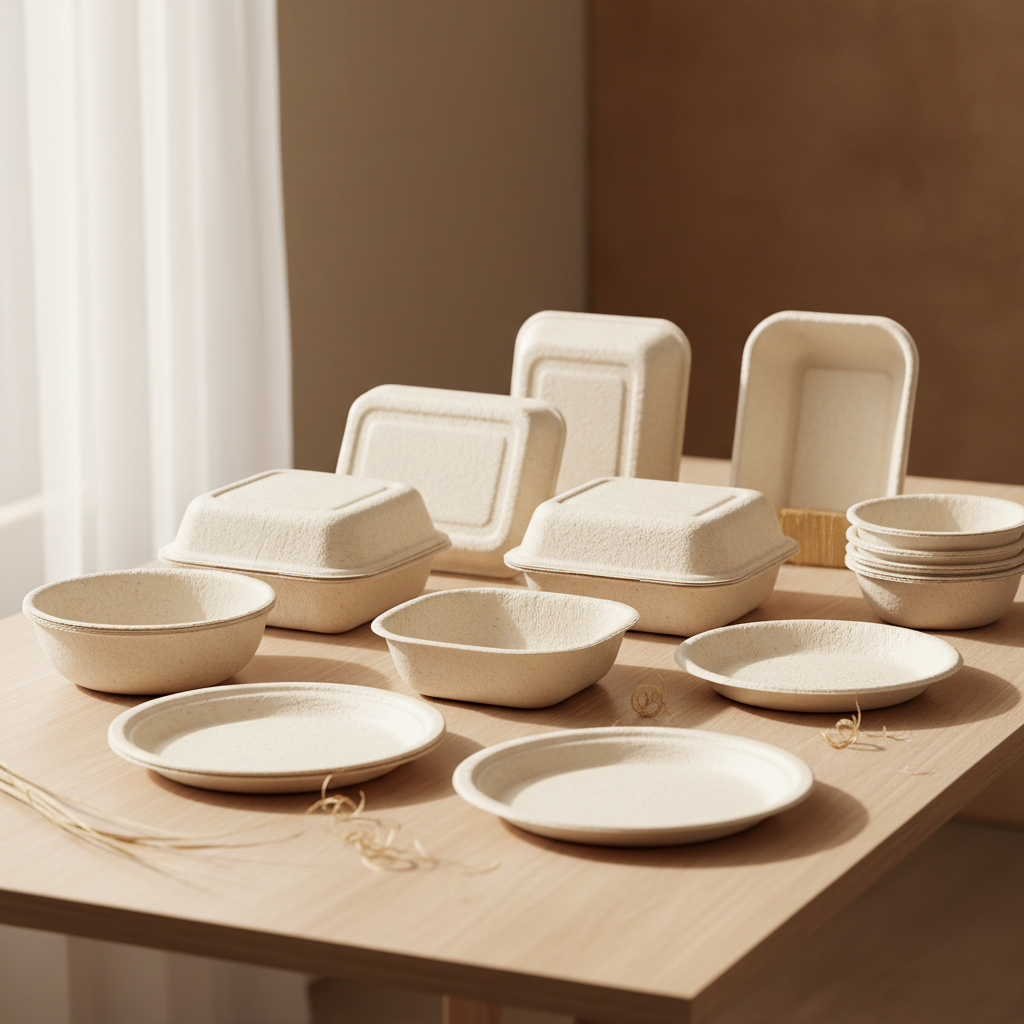
Selecting the right size minimizes waste and controls portion costs. Bagasse containers come in a variety of standard industry shapes.
Clamshells (Hinged Containers)
These are the workhorses of the takeaway industry. The lid is attached, reducing inventory complexity.
- 6×6 inch: Ideal for burger sliders, desserts, or small sides.
- 8×8 inch: Standard size for full meals, salads, or pasta dishes.
- 9×9 inch: Large dinners, heavy entrees with sides.
- Compartments: Available in 1-compartment (single dish) or 3-compartment (protein + two sides) configurations to keep food separated.
Bowls and Tubs
Popular for “bowl food” trends, salads, and soups. These usually require separate lids.
- Round Bowls: Ranges from 12oz to 48oz. Common for poke bowls, salads, and soups.
- Oval/Rectangular Bowls: Often used for burritos or elongated meals.
Trays
- Produce Trays: For packaging fruits and vegetables in supermarkets.
- Meat Trays: Used in cold chains; requires specific moisture absorption capabilities.
- Medical/Industrial Trays: Custom molded for holding specific non-food items.
Lid Options: The Critical Fit
A common pain point in sustainable packaging is the lid fit. Bagasse is a natural fiber product, and slight shrinkage during drying can occur. High-quality manufacturers account for this in the mold design.
1. Bagasse Lids
A 100% plastic-free solution. The lid is made of the same material as the base.
- Pros: Fully compostable, consistent aesthetic.
- Cons: Opaque (cannot see the food), fit relies on friction or locking tabs which must be engineered precisely.
2. PET / PP Lids
Clear plastic lids.
- Pros: High visibility (great for merchandising), very secure snap-fit.
- Cons: Not compostable (must be separated for recycling), relies on fossil fuels.
3. PLA Lids
Clear bioplastic derived from cornstarch.
- Pros: Clear visibility, commercially compostable.
- Cons: Lower heat resistance (cannot be used for very hot foods), higher cost.
Customization and Branding
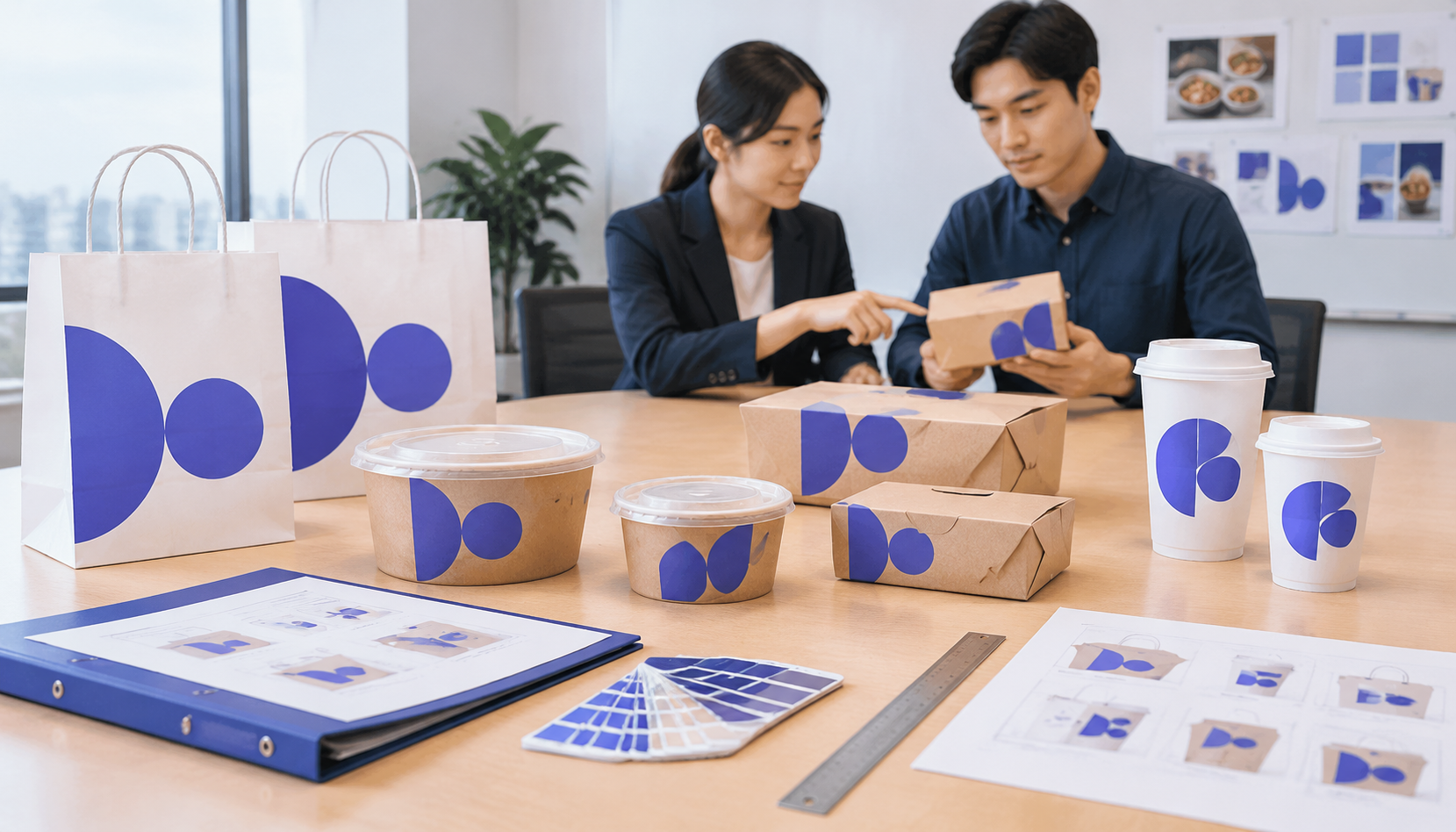
Branding generic white containers transforms them into marketing assets. However, printing on molded fiber is different from printing on paperboard.
Embossing and Debossing
This is the most effective way to brand bagasse. Your logo is machined directly into the metal mold.
- Process: The logo is raised (embossed) or recessed (debossed) on the container surface during the molding process.
- Advantage: Premium look, no ink concerns, zero additional unit cost after mold payment.
- Consideration: Requires investment in custom molds (tooling fees).
Pad Printing / Laser Printing
Direct printing on bagasse is possible but limited due to the surface texture and absorption.
- Limitations: Simple designs (1-2 colors) work best. Complex gradients or photos are difficult to reproduce directly on the fiber.
Sleeves and Stickers
For smaller runs or complex graphics, many brands use a plain bagasse container wrapped in a printed paper sleeve or sealed with a branded sticker. This allows for full-color marketing without high MOQs for custom molds.
Comparison: Bagasse vs. Other Materials
To assist in your procurement justification, here is a comparison of bagasse against common alternatives.
| Feature | Sugarcane Bagasse | Polystyrene (Styrofoam) | Paperboard (PE Lined) | PLA (Bioplastic) |
|---|---|---|---|---|
| Raw Material | Agri-waste (Sugarcane) | Petroleum | Wood Pulp + Plastic | Corn Starch |
| Heat Limit | High (~100°C) | Low/Med (Melts) | Medium | Low (~40°C) |
| Rigidity | High (Sturdy) | Medium (Brittle) | Medium (Flexible) | Medium |
| Microwave Safe | Yes | No (Unsafe) | Yes | No |
| End of Life | Compostable | Landfill | Landfill (hard to recycle) | Industrial Compost |
Use Cases by Industry
Quick Service Restaurants (QSR)
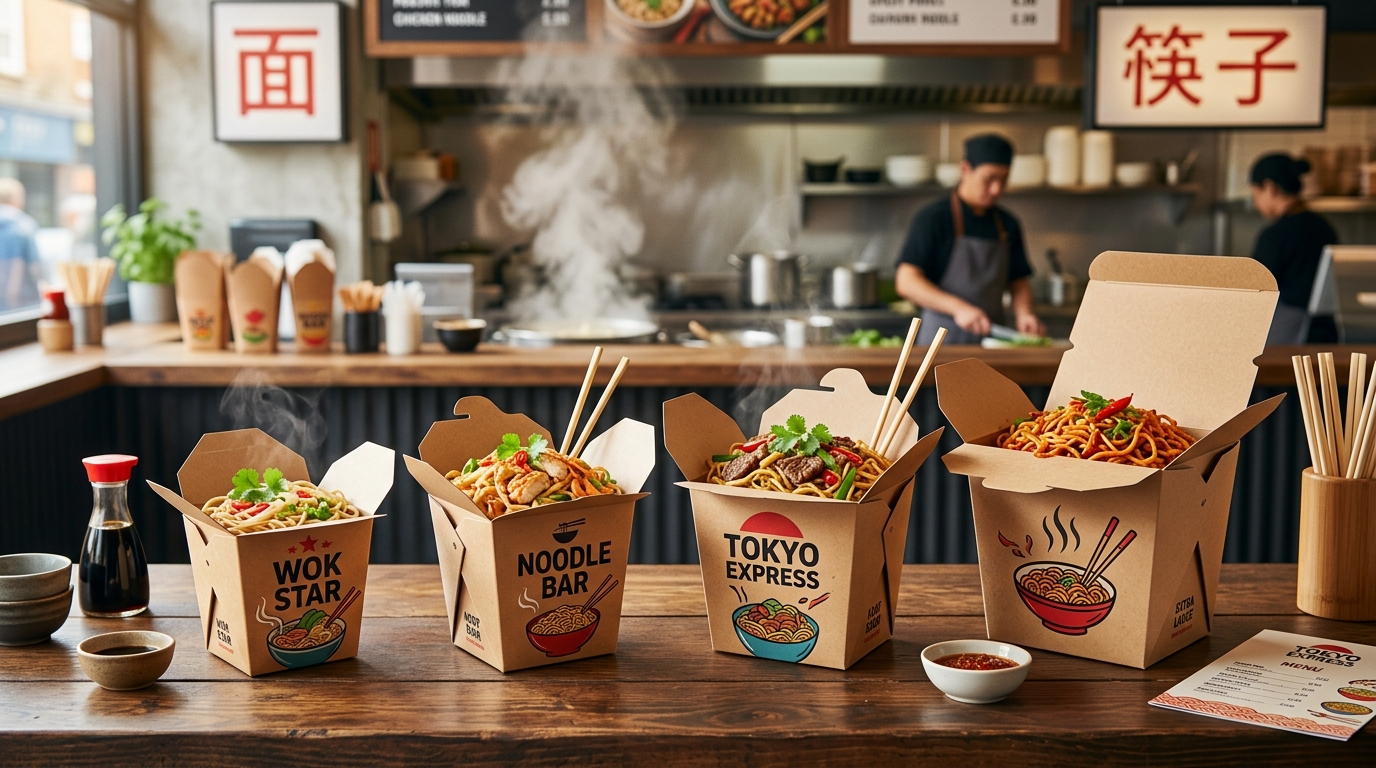
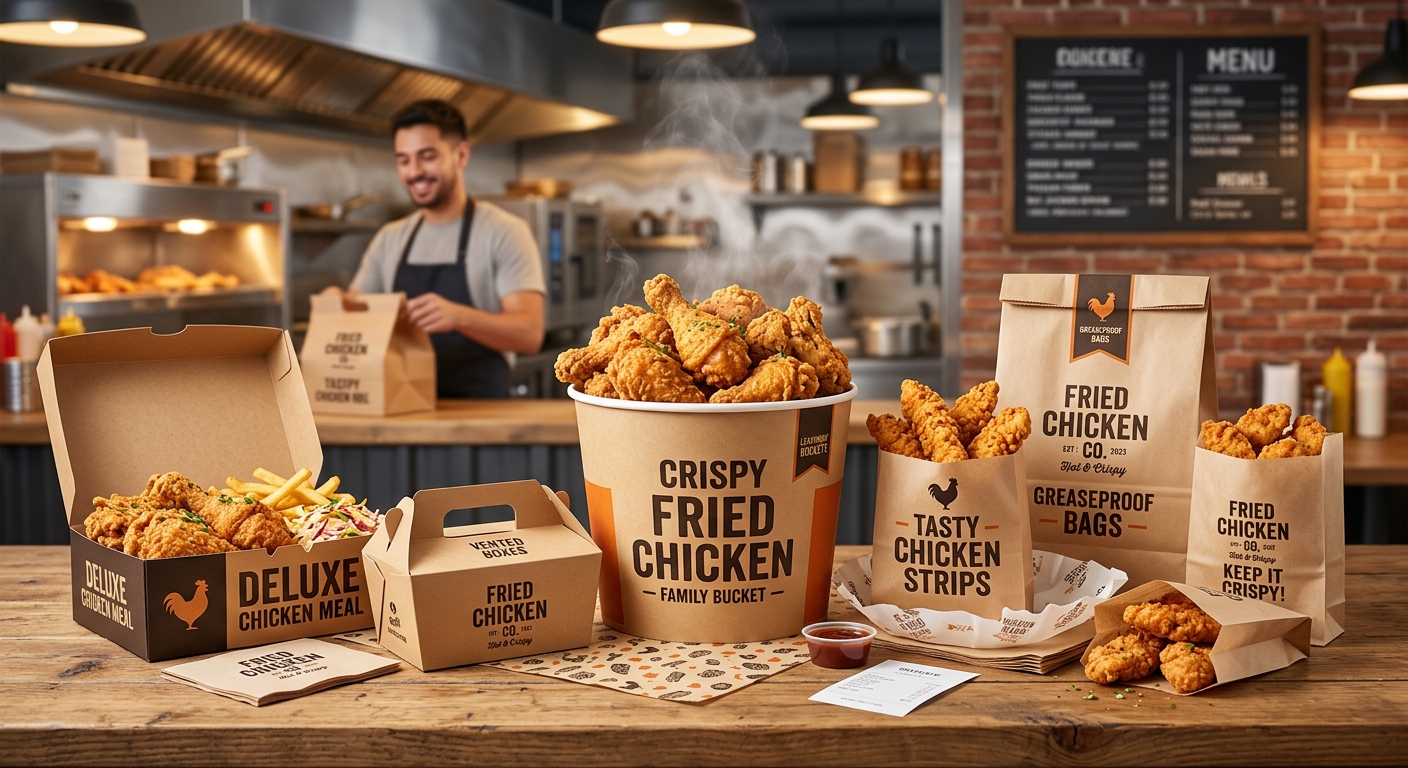
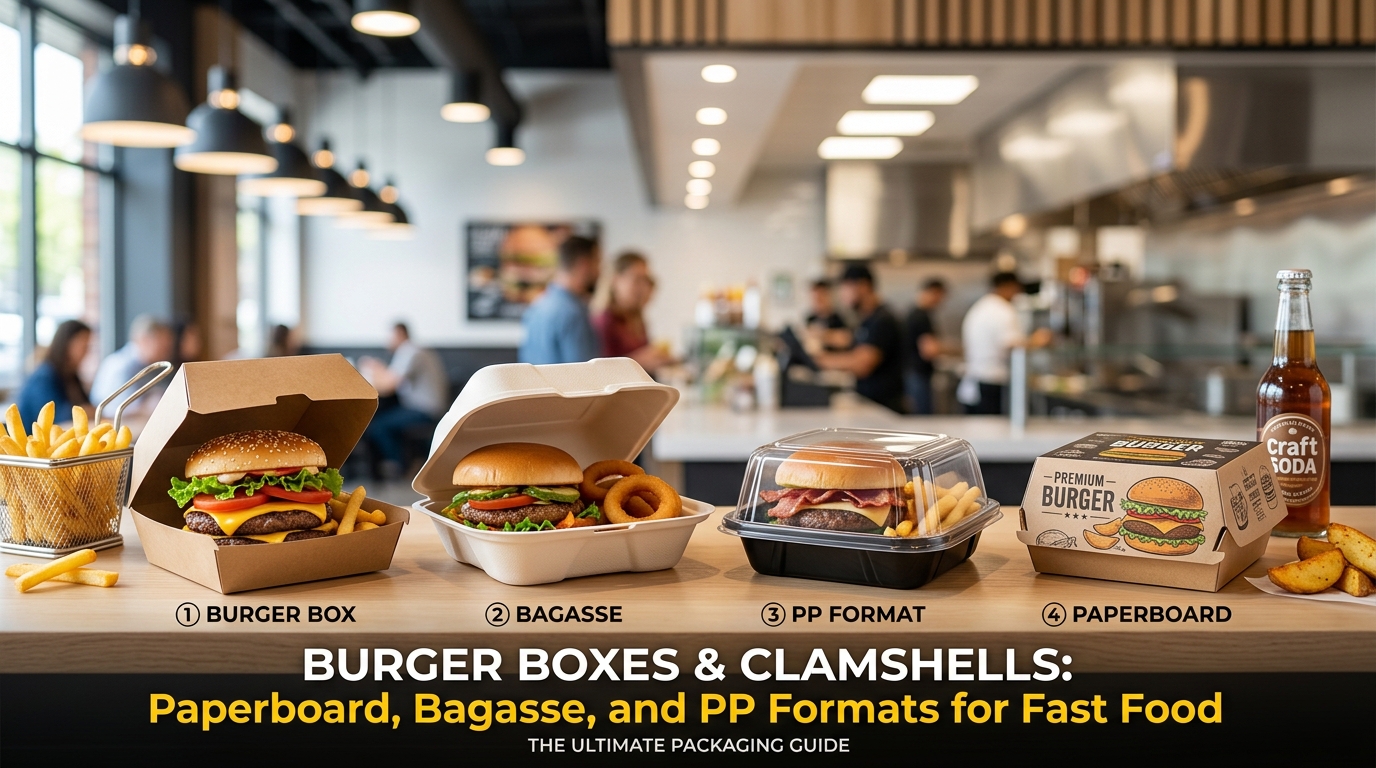
Speed and stackability are key. QSR chains prefer hinged clamshells because they reduce the number of SKUs (no separate lids to manage). The grease resistance is vital for burgers and fried sides.
Catering and Corporate Events
Presentation matters. Wet-press bagasse plates and bowls offer a “ceramic-like” feel that elevates the dining experience compared to flimsy paper plates. Compartment plates are popular for buffet lines to keep sauces from mixing.
Supermarkets and Delis
For “Grab & Go” sections, visibility is often required. A bagasse base with a clear PET or PLA lid is the standard configuration. This highlights the freshness of the salad or pasta while reducing the overall plastic content of the package by 50% or more.
Delivery Services
Delivery times can range from 20 to 45 minutes. Packaging must retain heat without becoming soggy. Bagasse is breathable enough to prevent steam buildup (which makes fries soggy) but dense enough to retain heat effectively.
Buying Guide: Procurement Checklist
When you are ready to order, having the following information ready will streamline the process with your supplier.
1. Minimum Order Quantity (MOQ)
Industrial manufacturing of molded fiber operates on high volume. While some suppliers offer stock items by the case, custom orders or specific non-stock sizes will have MOQs, often ranging from 10,000 to 50,000 units depending on the item size. You can learn more about ordering logistics on our How to Order page.
2. Lead Times
- Stock Items: Typically ship within days.
- Custom Production: May take 2–4 weeks for production.
- Custom Molds: Allow an additional 2–3 weeks for mold creation and sample approval.
- Shipping: International sea freight adds transit time. Plan your inventory 2–3 months in advance.
3. Quality Assurance Requirements
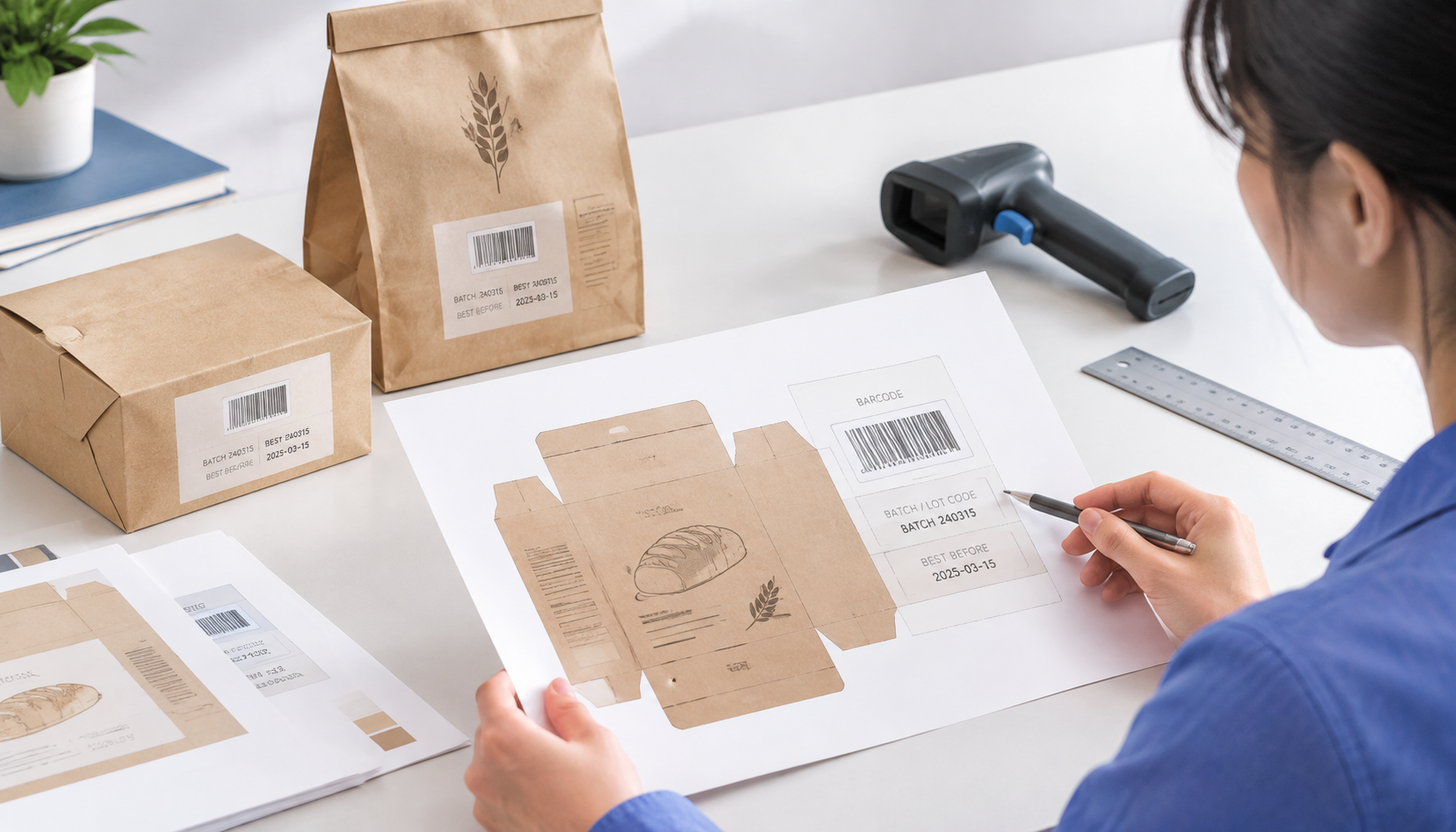
Specify your testing standards. Do you need the containers to hold hot oil for 30 minutes? Do you need them to stack 5-high? Communicating these requirements upfront ensures the manufacturer uses the correct pulp density and additive ratio.
4. Storage and Warehousing
Bagasse is a natural fiber and can absorb moisture from the air. It should be stored in a dry, ventilated warehouse. If stored in high humidity for extended periods, the cartons should be kept sealed until use to maintain rigidity.
Common Pitfalls to Avoid
- Ignoring Lid Compatibility: Never assume a generic lid will fit a bagasse bowl. Always buy bases and lids from the same manufacturer to ensure a leak-proof seal.
- Overlooking Grease Load: For extremely greasy foods (like heavy chili oil), standard bagasse may show spotting after time. Ask for “heavy-duty” or lined options if this is your use case.
- Assuming All Bagasse is White: “Natural” or “Unbleached” bagasse is brown/beige. It is often perceived as more eco-friendly by consumers and does not use bleaching agents. Clarify your color preference.
Frequently Asked Questions (FAQ)
1. Are sugarcane bagasse containers truly compostable?
Yes, they are generally compostable. They break down into organic matter. However, the speed of decomposition depends on the environment (industrial composting facility vs. home compost). Always check local regulations regarding waste management.
2. Can I put liquids like soup in bagasse bowls?
Yes, high-quality bagasse bowls are designed to hold hot liquids (up to 100°C) for the duration of a typical meal service. However, for long-term storage (e.g., selling soup in a fridge for 2 days), a lined container might be a safer option.
3. Is there a taste transfer to the food?
No. Food-grade bagasse is odorless and tasteless. It does not alter the flavor of the food served in it.
4. How does the price compare to plastic?
Bagasse is typically more expensive than Styrofoam but competitive with paperboard and cheaper than PLA. As production scales globally, the price gap with traditional plastics is narrowing, especially when factoring in waste disposal taxes on plastics in many jurisdictions.
5. Can I get a custom shape made?
Absolutely. Molded fiber is excellent for custom shapes. You will need to pay a one-time tooling fee for the mold. This is ideal for brands wanting a unique packaging identity.
6. Do these containers contain PFAS?
The industry is moving rapidly toward PFAS-free solutions. Many manufacturers now offer oil-resistant additives that are fluorine-free. If this is a regulatory requirement in your region, explicitly request PFAS-free specifications when quoting.
7. Why do some bagasse containers feel rougher than others?
This depends on the manufacturing method. “Dry press” items are rougher, while “wet press” items are smooth. Both perform well, but wet press is considered more premium.
Conclusion
Sugarcane bagasse containers represent a convergence of functionality, sustainability, and economic viability. For B2B buyers, they offer a solution that satisfies consumer demand for green packaging without sacrificing the performance needed for hot, heavy, or greasy foods.
Whether you need standard clamshells for a burger chain or custom-embossed bowls for a premium salad bar, understanding the material properties and manufacturing options ensures you get the best value for your budget.
Ready to explore sustainable packaging options for your business?
Browse our catalog of Sugarcane Bagasse Containers or contact our team today to request a quote and get samples delivered to your office.