

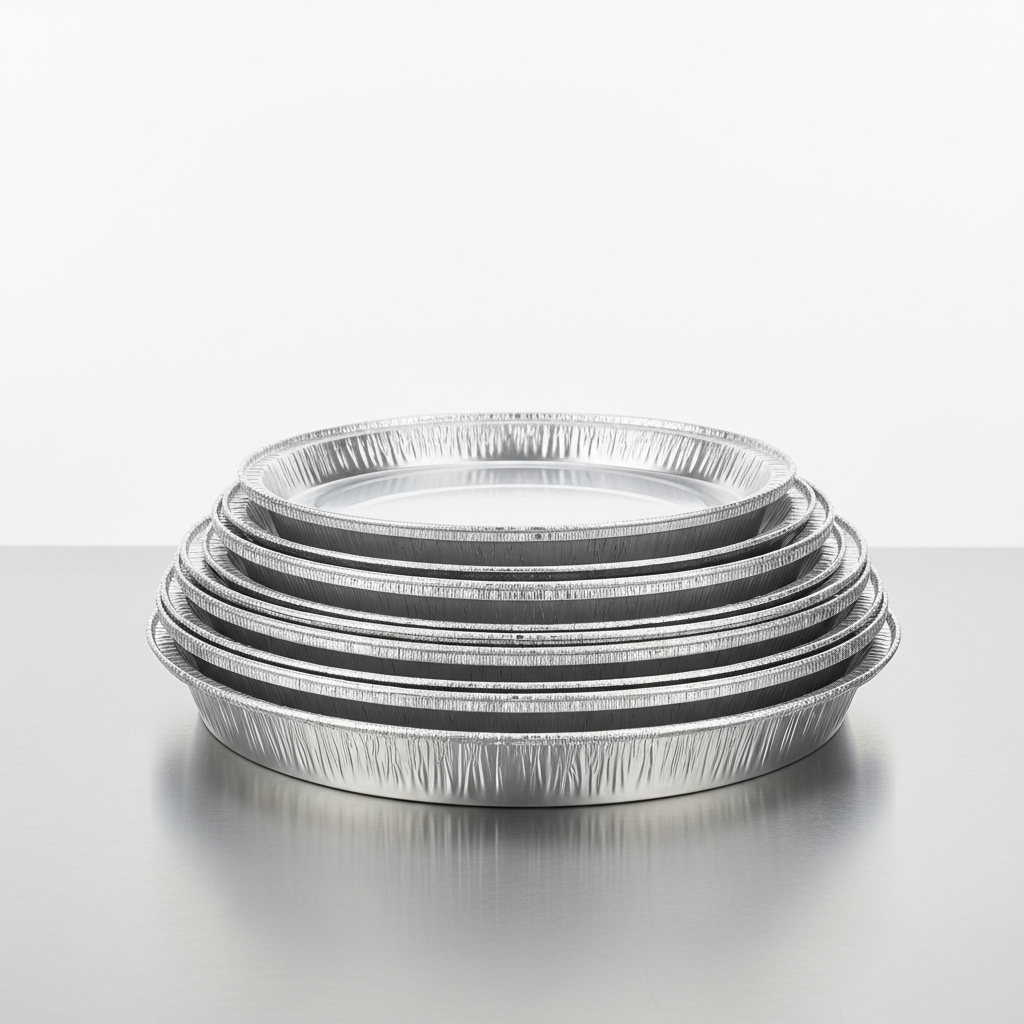
Introduction: The Strategic Importance of the Right Pizza Packaging
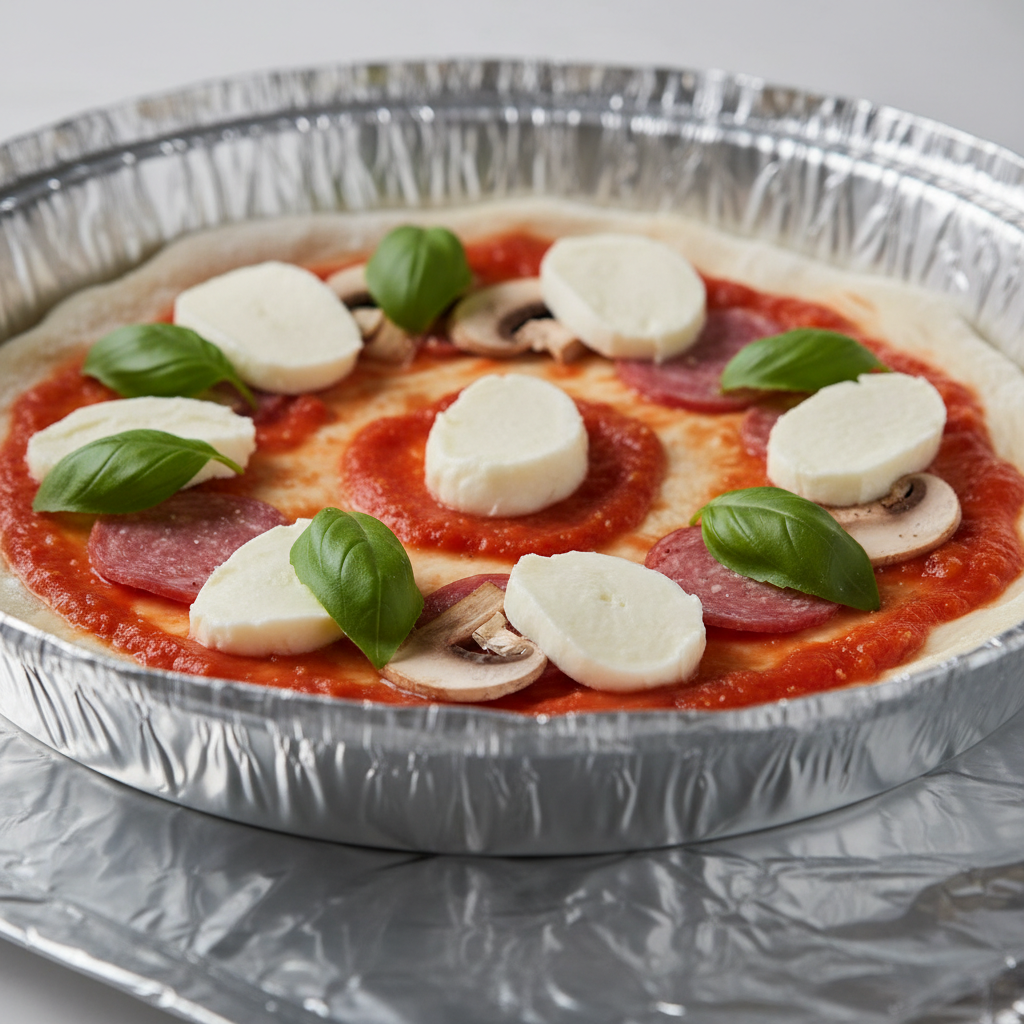
In the competitive landscape of the food service and retail pizza industries, packaging is more than just a vessel; it is a critical component of product quality, operational efficiency, and brand perception. For wholesale buyers, distributors, and food manufacturers, selecting the correct aluminum foil pizza tray can determine whether a product arrives crisp and hot or soggy and damaged. As the demand for take-and-bake, frozen retail options, and delivery services grows, the technical specifications of your packaging become paramount.
Aluminum foil remains the gold standard for pizza trays due to its exceptional thermal conductivity, lightweight durability, and barrier properties. However, not all trays are created equal. Variations in alloy composition, temper, rim design, and thickness can significantly impact performance on the production line and in the consumer’s oven. This guide provides a comprehensive analysis of aluminum foil pizza trays, equipping procurement officers and operations managers with the technical knowledge required to make informed purchasing decisions.
Why Aluminum? Comparing Material Performance
Before diving into specifications, it is essential to understand why aluminum dominates the pizza tray market compared to alternatives like corrugated board or steel.
Thermal Conductivity and Baking Performance
Aluminum is an excellent conductor of heat. For pizzas, particularly those sold as "take-and-bake" or frozen, the tray must facilitate even baking. Aluminum foil trays allow heat to distribute rapidly across the bottom of the pizza, promoting a crisp crust—a key quality indicator for consumers. Paper-based trays often act as insulators, leading to undercooked centers or requiring higher oven temperatures that might burn toppings before the crust is done.
Hygiene and Barrier Properties
Aluminum is impermeable to moisture, gas, and grease. In a commercial kitchen or industrial food processing facility, maintaining hygiene is non-negotiable. Foil trays prevent grease from seeping through, which keeps secondary packaging (like cardboard boxes) clean and maintains structural integrity. Furthermore, aluminum is sterile after the annealing process, making it an ideal food-grade material.
Sustainability and Circular Economy
For brands focusing on sustainability, aluminum offers a distinct advantage: it is infinitely recyclable without loss of quality. Unlike plastic-coated paperboard, which can be difficult to separate and recycle, clean aluminum trays are highly valued in recycling streams. This aligns with the growing global emphasis on reducing single-use plastic waste in the food sector.
Material Specifications: Alloys, Temper, and Thickness
When ordering food packaging boxes and trays, understanding the metallurgy ensures you get the right strength-to-weight ratio.
Common Alloys: 3003 vs. 8011
The two primary aluminum alloys used in tray manufacturing are 3003 and 8011.
- 3003 Aluminum Alloy: This is an aluminum-manganese alloy. It is approximately 20% stronger than pure aluminum (1100 series). It offers excellent corrosion resistance and moderate strength. It is often the preferred choice for larger pizza trays (12 inches and above) where structural rigidity is required to support heavy toppings without buckling.
- 8011 Aluminum Alloy: This alloy typically contains iron and silicon. It is widely used for standard foil containers and smaller trays. It offers good ductility, making it easier to form into complex shapes or deep-draw designs. For standard retail frozen pizzas, 8011 is often the cost-effective standard.
Temper Designations
The "temper" refers to the hardness and elasticity of the aluminum.
- H22 / H24: These are partially annealed tempers. They offer a balance of strength and formability. Trays made with this temper are rigid enough to hold their shape during transport but flexible enough to resist cracking during the stamping process.
- O (Soft): Fully annealed aluminum is soft. While common for wrapping foil, it is rarely used for pizza trays unless the tray is designed to be heavily crimped around a lid.
Gauge (Thickness)
Thickness is measured in microns (µm) or millimeters (mm). For pizza trays, the gauge directly influences cost and stability.
- Light Gauge (60–80 microns): Suitable for small, single-serve pizzas or lightweight crusts.
- Medium Gauge (80–110 microns): The industry standard for 10-12 inch pizzas. Provides enough rigidity for handling.
- Heavy Gauge (110–150+ microns): Required for large (14-16 inch), loaded deep-dish pizzas or catering trays. Heavy gauge prevents the "taco effect"—where a tray collapses in the middle when lifted.
Anatomy of a Pizza Tray: Design Features
The physical design of the tray dictates its compatibility with automated lidding machines and its usability for the end consumer.
Rim Styles
- Full Curl (G Rim): The edge is rolled completely under to form a smooth, safe tube. This provides maximum rigidity and eliminates sharp edges. It is ideal for trays that will be handled directly by consumers (e.g., take-and-bake).
- Interrupted Vertical Curl (IVC): This rim has a vertical flange with curled sections. It is designed specifically for securing flat board lids (foil-laminated cardboard). The vertical sections fold over the lid to lock it in place.
- Hemmed Edge: The edge is folded flat against itself. This is less rigid than a full curl but is economical and safe.
- L-Flange: A flat horizontal flange, often used when a plastic film is heat-sealed to the top of the tray.
Bottom Patterns and Embossing
Most aluminum pizza trays feature an embossed pattern on the base.
- Waffle/Honeycomb Emboss: Increases the structural strength of the aluminum, allowing for the use of a slightly thinner gauge without sacrificing rigidity. It also creates small air pockets under the pizza, which can aid in airflow and browning.
- Perforated Holes: Some trays feature punched holes to allow direct heat contact and moisture escape, simulating a pizza stone effect. This is popular for "crispy crust" marketing claims.
- Smooth Wall: A premium look, often used in high-end ready-meal applications. Smooth wall trays are typically thicker and more rigid.
Sizing Guide: Matching Tray to Product
Selecting the right diameter seems straightforward, but internal vs. external dimensions matter.
Common Diameters
- 7-9 Inch: Personal pizzas, kids’ meals, and toaster-oven compatible products.
- 10-12 Inch: Standard retail frozen pizza sizes. High volume production items.
- 14-16 Inch: Family size, take-and-bake, and pizzeria catering sizes.
Depth Considerations
- Shallow (10-15mm): Best for thin-crust pizzas. Minimizes packaging volume and shipping costs.
- Deep (20-35mm): Essential for rising crusts, deep-dish styles, or pizzas with heavy toppings that might spill over during baking.
Coatings and Lubrication
Raw aluminum is reactive to highly acidic foods (like tomato sauce) over long periods. While frozen pizzas are generally safe due to the frozen state slowing reactions, coatings can enhance performance.
- Uncoated (Plain): The most common for frozen pizzas. The dough acts as a barrier between the sauce and the metal.
- Lubricated: Food-grade oils are applied during manufacturing to help the tray release from the mold. This also helps the pizza release from the tray after baking.
- Lacquered/Coated: For premium applications or high-acid environments, a polymer coating can be applied. This also allows for colored trays (e.g., gold or black) which enhance shelf appeal.
Customization Options for Branding
In a crowded freezer aisle, differentiation is key. Customizing your aluminum foil pizza tray can elevate your brand.
Logo Embossing
Manufacturers can create custom molds that emboss your brand logo or a specific pattern directly into the base or sidewall of the tray. This is a permanent, ink-free branding method that adds a premium feel.
Colored Lacquers
Gold, black, or copper-colored lacquers can be applied to the exterior or interior. A black tray, for example, suggests a premium, stone-baked aesthetic, while gold is often associated with luxury or holiday specials.
Printed Lids
While the tray itself is rarely printed with complex graphics, the lid is the primary billboard. Whether using a board lid or a shrink band, ensure the design integrates with the tray’s rim style.
Use Cases and Applications
1. Frozen Retail Pizza
Requirement: High-speed automation compatibility, freezing resistance, low cost.
Recommended: 8011 Alloy, standard gauge, full curl rim (if shrink wrapped) or L-flange (if sealed).
2. Take-and-Bake Pizzerias
Requirement: Rigidity for customer transport, visual appeal.
Recommended: 3003 Alloy, medium-to-heavy gauge, full curl rim for safety. Often paired with a clear plastic dome lid.
3. Institutional Catering & Schools
Requirement: Bulk handling, stackability, heat retention.
Recommended: Heavy gauge trays that can support stacking in warming ovens without collapsing.
Manufacturing and Quality Assurance
Understanding the manufacturing process helps in vetting suppliers. The process involves unwinding large aluminum coils, lubricating the foil, and feeding it into a high-precision stamping press.
Quality Control Checkpoints
When evaluating a shipment of trays, procurement teams should inspect for:
- Burrs and Sharp Edges: Rims should be smooth. Sharp edges are a safety hazard for workers and consumers.
- Denesting: Trays are stacked tightly for shipping. They must separate (denest) easily. If they stick together, it can jam automated dispensing machines, causing costly downtime.
- Flatness: The bottom must be flat to ensure even contact with oven racks or conveyor belts.
- Cleanliness: Trays must be free from excessive lubricant residue or metal shavings.
Buying Guide: Logistics and Ordering
Ordering bulk aluminum trays requires attention to logistical details to maximize value.
Minimum Order Quantities (MOQ)
Because manufacturing involves setting up heavy molds and specific coil widths, MOQs for custom sizes are typically higher (often in the tens of thousands). Standard sizes usually have lower MOQs as they are constantly in production.
Packaging and Shipping
Aluminum trays are lightweight but voluminous. They are typically nested to maximize density.
Tip: Ask your supplier about "sleeving" counts. Optimizing the number of trays per sleeve can reduce cardboard waste and handling time at your facility.
Lead Times
Standard sizes may be in stock for immediate shipment. Custom molds or embossed logos typically require 4-8 weeks for tooling production before manufacturing begins. Always plan ahead for seasonal spikes (e.g., Super Bowl, holidays).
How to Choose the Right Supplier
A reliable supplier is a partner in your production success. Look for:
- Capacity: Can they scale with your growth?
- Compliance: Do they meet FDA, LFGB, or relevant local food safety standards?
- Support: Do they offer samples for testing on your production line?
If you are unsure about the specific gauge or alloy needed for your product, it is advisable to contact our team for a consultation. We can assess your product weight, baking temperature, and distribution method to recommend the optimal tray.
FAQ: Common Buyer Questions
1. Can aluminum foil pizza trays be used in microwave ovens?
Generally, traditional aluminum foil trays are not recommended for microwaves due to the risk of arcing. However, some modern smooth-wall trays are designed to be microwave-safe under specific conditions. For pizza, conventional ovens are preferred for texture.
2. What is the difference between a pizza pan and a pizza screen?
A foil pizza pan is a solid tray (sometimes with holes) meant for single-use or limited reuse, traveling with the pizza to the customer. A screen is typically a reusable mesh tool kept by the kitchen. Foil trays replace the need for screens in take-and-bake models.
3. How do I prevent the trays from sticking together?
Quality manufacturers use precise rim designs and sometimes embossing on the sidewalls to prevent "vacuum locking" when trays are nested. Ensure your supplier tests for denesting performance.
4. Are these trays recyclable if they have food residue?
Aluminum is recyclable, but heavy food contamination can be an issue for some recycling facilities. Consumers should be encouraged to rinse the tray. However, unlike greasy paperboard which is unrecyclable, aluminum can often be processed even with minor residue due to the high heat of remelting.
5. Can I get a custom shape, like a rectangle or heart?
Yes. Aluminum is highly formable. Rectangular trays are common for Detroit-style pizzas. Custom shapes like hearts (for Valentine’s Day) require custom tooling charges but are fully possible.
6. What is the lead time for a custom embossed logo?
Typically, mold creation takes 15-30 days, followed by production time. It is best to start the ordering process at least 2-3 months before your target launch date.
Conclusion
Selecting the right aluminum foil pizza tray is a balance of engineering, cost, and consumer experience. From the alloy strength to the rim style, every detail contributes to the final product’s success. Whether you are launching a new frozen pizza line or upgrading your pizzeria’s takeout packaging, prioritizing quality materials will pay dividends in brand loyalty and operational smoothness.
At YBJ Packing, we specialize in high-quality, food-grade packaging solutions tailored to industrial needs. If you are ready to explore options or need a custom solution, we invite you to request a quote or get a sample today.