

Introduction to Professional Sushi Packaging
In the competitive food service industry, the packaging used for sushi does more than just transport food; it preserves freshness, maintains structural integrity, and communicates brand value. For procurement managers, restaurant chains, and packaging distributors, selecting the right sushi paper box is a technical decision involving material specifications, grease resistance, and supply chain logistics.
As consumers increasingly reject single-use plastics, paper-based solutions have become the standard for premium and fast-casual sushi presentation. However, sushi presents unique challenges for paper packaging. The high moisture content of rice, the acidity of vinegar, and the oils from fish require boxes with specific barrier properties to prevent sogginess or leakage.
This guide provides a comprehensive technical overview of sourcing sushi paper boxes wholesale. We will examine material grades, coating technologies, sizing standards, and customization options to help you make informed purchasing decisions.
1. Core Material Options for Sushi Boxes
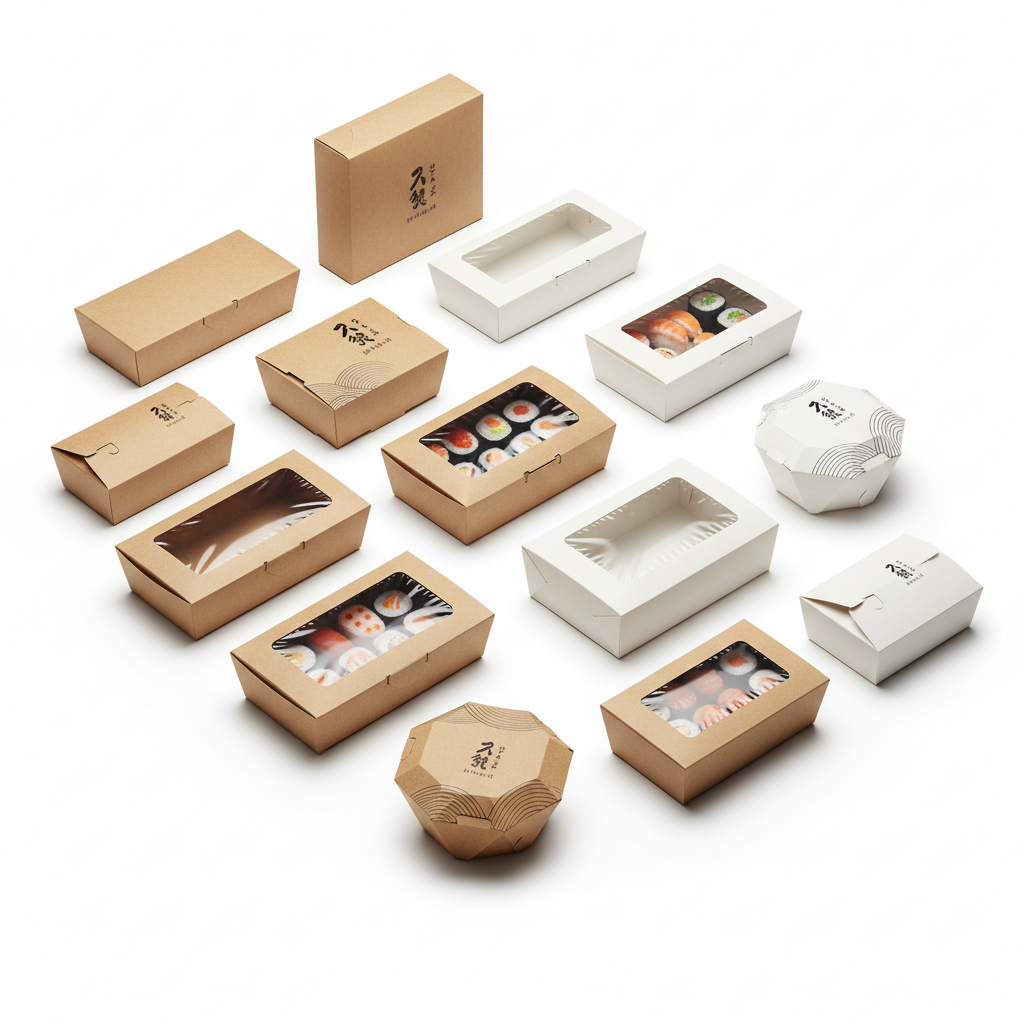
The structural base of a sushi box determines its durability and printability. Most industrial sushi boxes are manufactured from food-grade paperboard with a weight range typically between 250 GSM (Grams per Square Meter) and 350 GSM.
Kraft Paperboard (Unbleached)
Appearance: Natural brown, rustic, eco-friendly.
Best For: Brands emphasizing sustainability, organic ingredients, and minimal aesthetics.
Properties: Kraft fibers are naturally strong and tear-resistant. Unbleached board often requires less chemical processing, making it a preferred choice for eco-conscious markets. It provides excellent stiffness but has a more porous surface, requiring high-quality coatings for grease resistance.
Ivory Board / White Cardboard (Bleached)
Appearance: Bright white, clean, premium.
Best For: High-end catering, complex graphic printing, and vibrant branding.
Properties: This material offers a smooth surface ideal for offset printing. If your brand requires photographic-quality images or precise color matching (PMS), white cardboard is the superior substrate. It conveys a sense of clinical cleanliness often associated with fresh seafood.
Material Thickness and Stiffness
Selecting the right caliper (thickness) is crucial for stacking strength.
- Small Boxes (Individual rolls): 250–280 GSM is often sufficient.
- Medium/Large Platters: 300–350 GSM is recommended to prevent the bottom from bowing under the weight of heavy rice and fish combinations.
2. Barrier Coatings and Grease Resistance
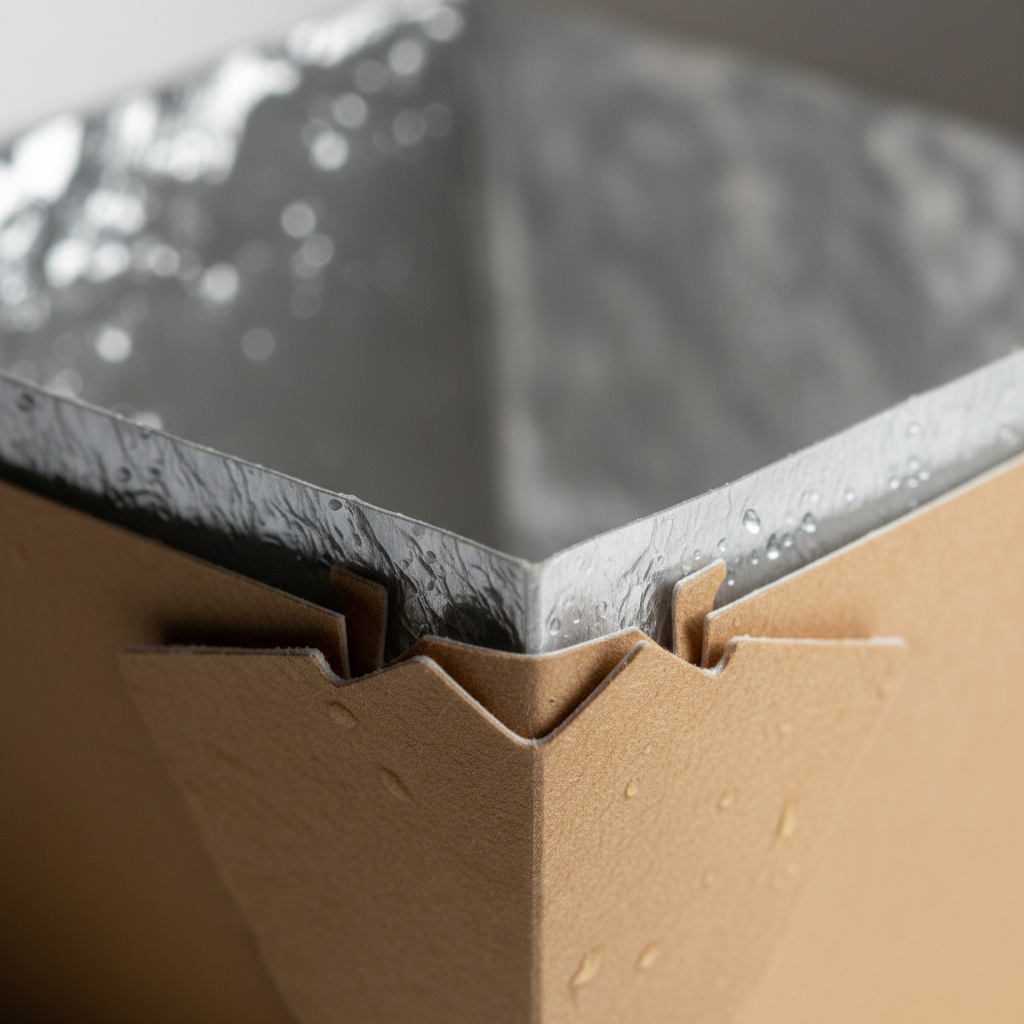
Raw paper absorbs moisture. For sushi, this is unacceptable. The rice will dry out if the paper wicks away moisture, or the box will collapse if it gets soggy. Therefore, a barrier coating is mandatory.
PE (Polyethylene) Coating
The industry standard for decades. A thin layer of PE plastic is laminated onto the interior of the paperboard.
- Pros: Excellent oil and water resistance; heat sealable; cost-effective.
- Cons: Traditional plastic content can complicate recycling in some municipalities.
PLA (Polylactic Acid) Coating
A bioplastic derived from renewable resources like corn starch.
- Pros: Compostable (industrial); plant-based origin.
- Cons: Lower heat tolerance (usually not an issue for sushi); slightly higher cost than PE.
Aqueous (Water-Based) Coatings
A newer technology where a water-based dispersion is applied to the board to provide grease resistance without a film laminate.
- Pros: Fully repulpable and recyclable in standard paper streams.
- Cons: Barrier properties may have lower time-thresholds compared to PE laminates; testing is required for long-duration storage.
When sourcing food packaging box options, always specify the “Kit Level” required (a measure of oil resistance) or request samples to test with your specific menu items.
3. Structural Design and Features
The physical construction of the box affects assembly speed in the kitchen and the customer’s unboxing experience.
Folding Cartons vs. Glued Corners
- Flat-Packed Folding Cartons: Shipped flat to save logistics costs. Kitchen staff fold them into shape. Best for high-volume storage.
- Pre-Glued 4-Corner Trays: The corners are pre-glued and folded flat. They “pop” open instantly. This saves significant labor time during rush hours but may cost slightly more per unit.
Window Patching
Visibility drives appetite. Most retail sushi boxes feature a clear window.
- PET Windows: High clarity, strong, and resistant to fogging.
- Cellulose/PLA Windows: Compostable options that offer good clarity but may be more sensitive to humidity.
- Design Tip: Ensure the window glue line is robust enough to handle condensation without peeling.
Ventilation
While sushi is cold, tempura rolls or warm appetizers may release steam. Some boxes include discreet ventilation cuts to prevent condensation buildup that could fog the window or soften the crunch of fried items.
4. Standard Sizes and Capacity Guide
Standardization helps reduce tooling costs. While custom sizes are possible, adhering to industry norms can speed up production. Below are common configurations found in the market:
| Size Ref | Approx Dimensions (mm) | Typical Capacity |
|---|---|---|
| Small (No. 1) | 120 x 80 x 45 | 4-6 pieces (Small Maki or Nigiri set) |
| Medium (No. 2) | 160 x 120 x 45 | 8-10 pieces (Standard Roll + Wasabi/Ginger) |
| Large (No. 3) | 200 x 120 x 45 | 12-16 pieces (Combo set) |
| Long/Slim | 220 x 80 x 45 | Long rolls or Sashimi rows |
| Party Platter | 260 x 260 x 50 | Family sets (20+ pieces) |
Note: Dimensions vary by manufacturer. Always verify internal vs. external dimensions to ensure your specific roll diameter fits without crushing.
5. Customization and Branding
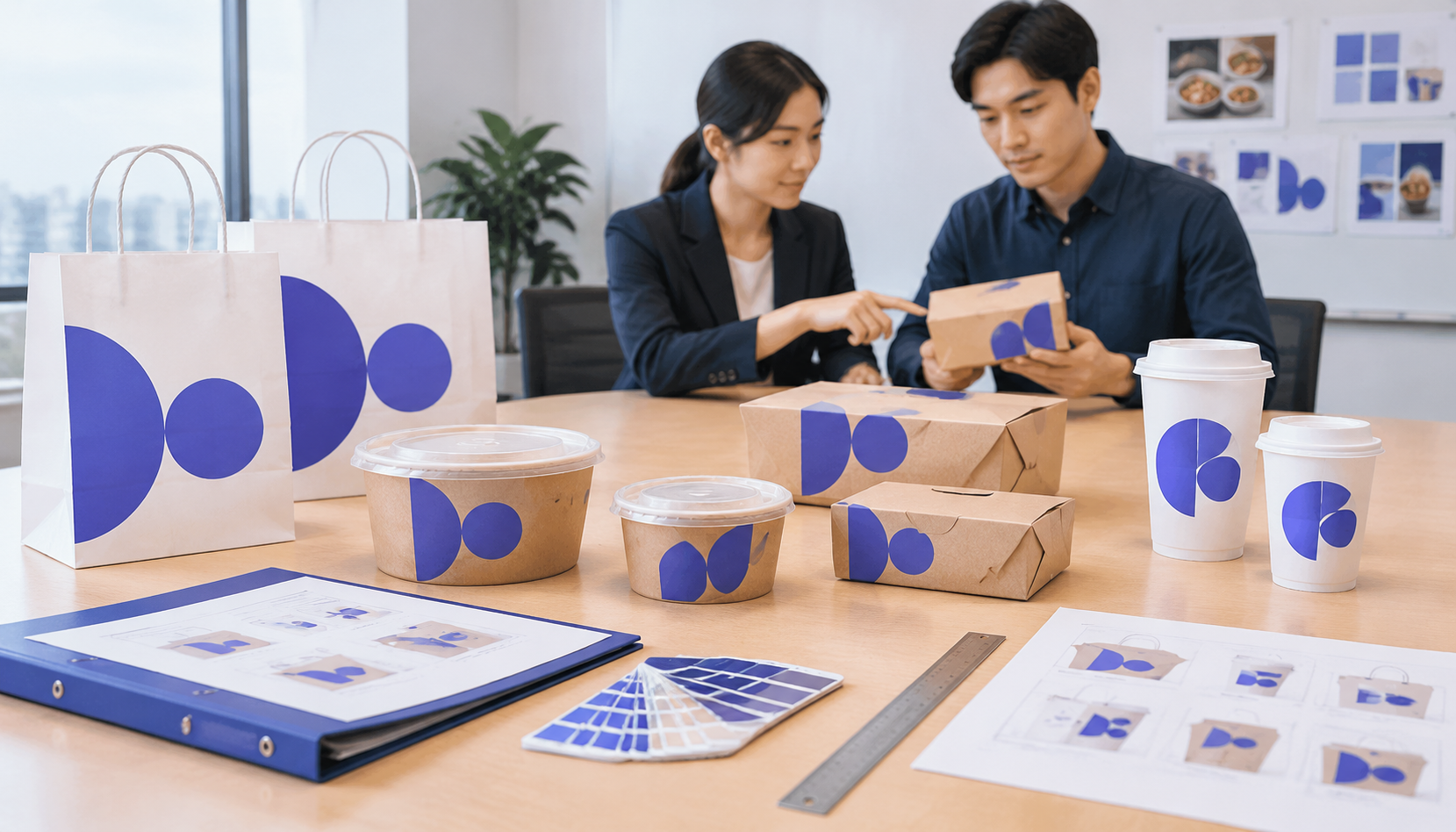
For chains and distributors, branding is non-negotiable. The printing method you choose depends on your volume and quality requirements.
Offset Printing
The gold standard for high-quality paper packaging. It allows for photographic detail, gradients, and precise color matching.
- MOQ: Typically higher (e.g., 10,000+ units) to absorb setup costs.
- Quality: Sharpest images and text.
Flexographic Printing
Often used for simpler designs or very high-volume runs (millions of units).
- Cost: Lower per-unit cost at high volumes.
- Quality: Good for logos and solid colors; less ideal for complex photos.
Finishing Touches
- Matte vs. Gloss Lamination: Matte offers a modern, sophisticated feel; Gloss enhances color vibrancy and adds a layer of protection.
- Hot Foil Stamping: Adds metallic gold or silver accents, popular for premium omakase takeout.
- Embossing: Raises the logo for a tactile effect.
6. Manufacturing and Quality Assurance
When vetting a supplier, understanding their QA process is vital. In food packaging, defects can lead to health safety issues or operational failures.
Key Quality Checkpoints
- Odor Test: The ink and glue used must be low-migration and odor-free. Strong chemical smells can taint the delicate flavor of sushi.
- Leak Testing: Random samples should be tested with oil and water solutions to ensure corner folds and coatings do not fail over time (e.g., a 2-hour hold test).
- Die-Cut Precision: Clean cuts are essential. “Paper dust” from dull blades can contaminate food.
- Fitment: Lids must close securely to prevent accidental opening during delivery.
7. Logistics and Supply Chain Considerations
Paper boxes are voluminous. Efficient logistics can save significant margin.
Flat Packing Efficiency
Sushi boxes are almost always shipped flat. A pallet can hold thousands of flat boxes, whereas formed boxes would require multiple containers. Ensure your receiving warehouse has the racking space for flat pallets and that your kitchen workflow accounts for assembly time.
Storage Conditions
Paper is hygroscopic. Store boxes in a cool, dry environment. High humidity can cause the board to warp or the window glue to weaken before use. Keep cases sealed until needed.
8. B2B Buying Guide: How to Order
Preparing for a bulk order requires gathering specific data points to get an accurate quote.
Minimum Order Quantities (MOQ)
Custom printed boxes usually carry an MOQ ranging from 5,000 to 30,000 units depending on the size and printing complexity. Stock sizes (plain) may be available in lower quantities (e.g., 1–5 cases).
Artwork Preparation
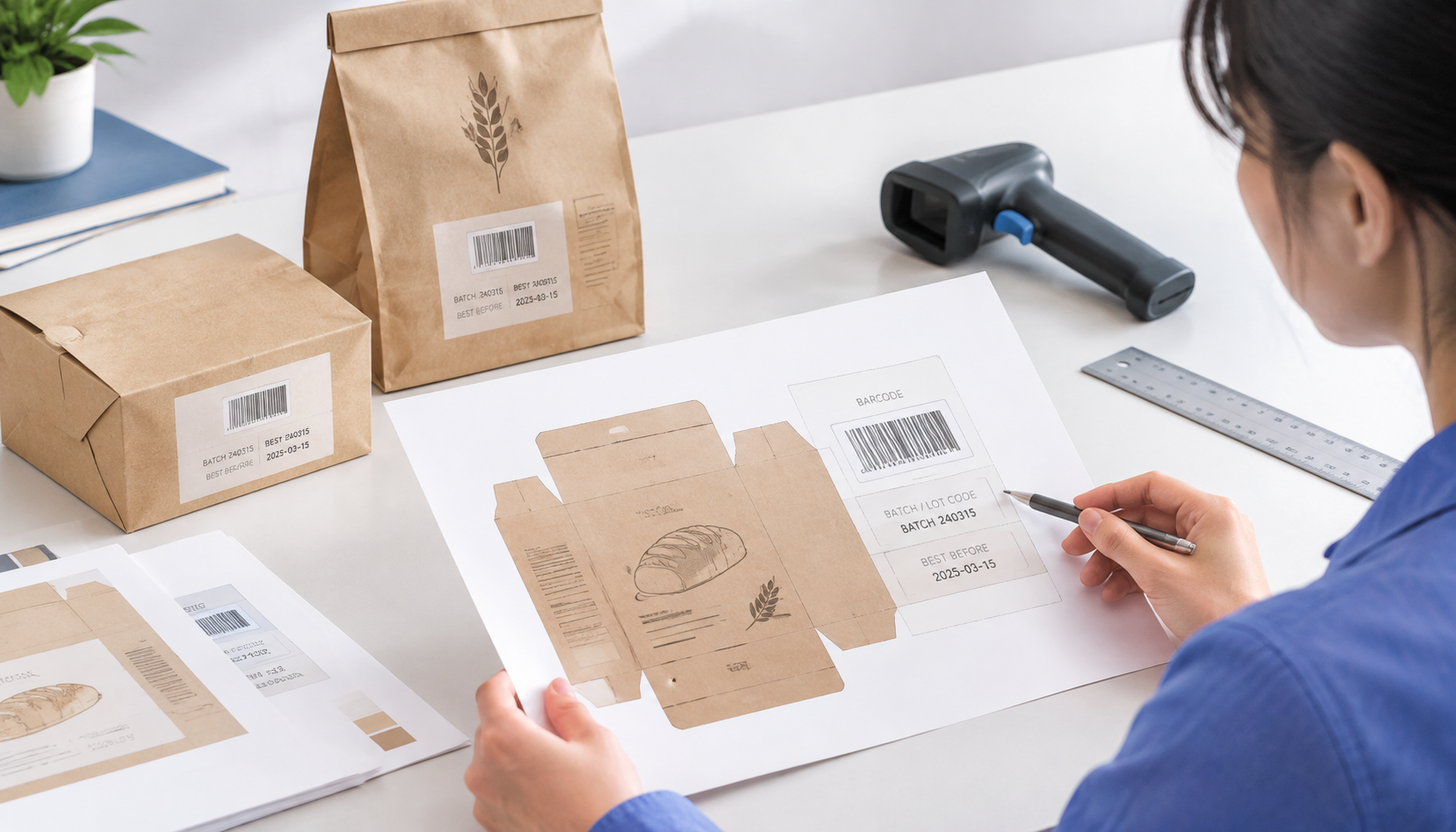
To speed up the process, have your design files ready in vector format (AI, PDF, EPS). Define your Pantone (PMS) colors explicitly. If you need assistance with dielines, most manufacturers will provide a template for your design team to populate.
Sampling
Never commit to a full production run without a sample. Request:
- Digital Proof: To check spelling and layout.
- Physical Dummy: An unprinted sample to test size and fit with your actual food product.
- Pre-production Sample: A printed sample on the actual material (may incur a cost) for final color approval.
For details on initiating this process, review our guide on how to order custom packaging.
9. Common Use Cases
Supermarket Grab-and-Go
Requirement: High visibility windows, robust stacking strength for refrigerated displays, and anti-fog technology. The box must withstand refrigerated humidity for 24–48 hours.
High-End Delivery
Requirement: Premium unboxing experience. Often uses heavier caliper board, matte finishes, and minimal branding. Structural integrity is paramount to prevent sushi from sliding during scooter or bike delivery.
Catering and Events
Requirement: Large format boxes (party platters). These need internal dividers or inserts to keep different rolls separated and prevent flavor cross-contamination.
10. Frequently Asked Questions (FAQ)
Q1: Are sushi paper boxes microwave safe?
Generally, paperboard is microwave safe, but the coating and window material matter. PE coatings are usually safe for short reheating, but PET windows may warp. Always confirm the specific temperature rating with the manufacturer if reheating is intended.
Q2: Can I print on the inside of the box?
Yes, but it requires food-safe, low-migration inks. Many brands choose to print a single color or pattern on the inside to enhance the unboxing experience.
Q3: What is the lead time for custom printed boxes?
Typical lead times for custom orders range from 3 to 5 weeks after artwork approval, depending on the factory’s schedule and shipping method.
Q4: How do I measure a sushi box correctly?
Measure Length x Width x Depth. Always specify if you are measuring the interior (usable space) or exterior dimensions.
Q5: Is the window film recyclable?
If the window is PET, it must be removed from the paper for recycling in many facilities. PLA windows are compostable but must go to industrial composting facilities. Check local regulations.
Q6: Do you offer greaseproof inserts?
Yes, many buyers opt for separate greaseproof paper sheets or wax paper inserts to line the bottom of the box for added protection and aesthetics.
Q7: Can I get a custom shape?
Yes, custom die-cutting allows for unique shapes (e.g., hexagonal boxes), but this will require a one-time tooling fee for the new cutting die.
Conclusion
Choosing the right sushi paper box is a balance of aesthetics, functionality, and sustainability. Whether you need a simple kraft box for a street food stall or a gold-foiled carton for a luxury restaurant, understanding the materials and specifications ensures you get the best value for your budget.
At YBJ Packing, we specialize in helping businesses navigate these choices to find the perfect packaging solution. If you are ready to explore options or need a custom quote, please contact our team today to discuss your project requirements.