

Introduction to Professional Sandwich Packaging
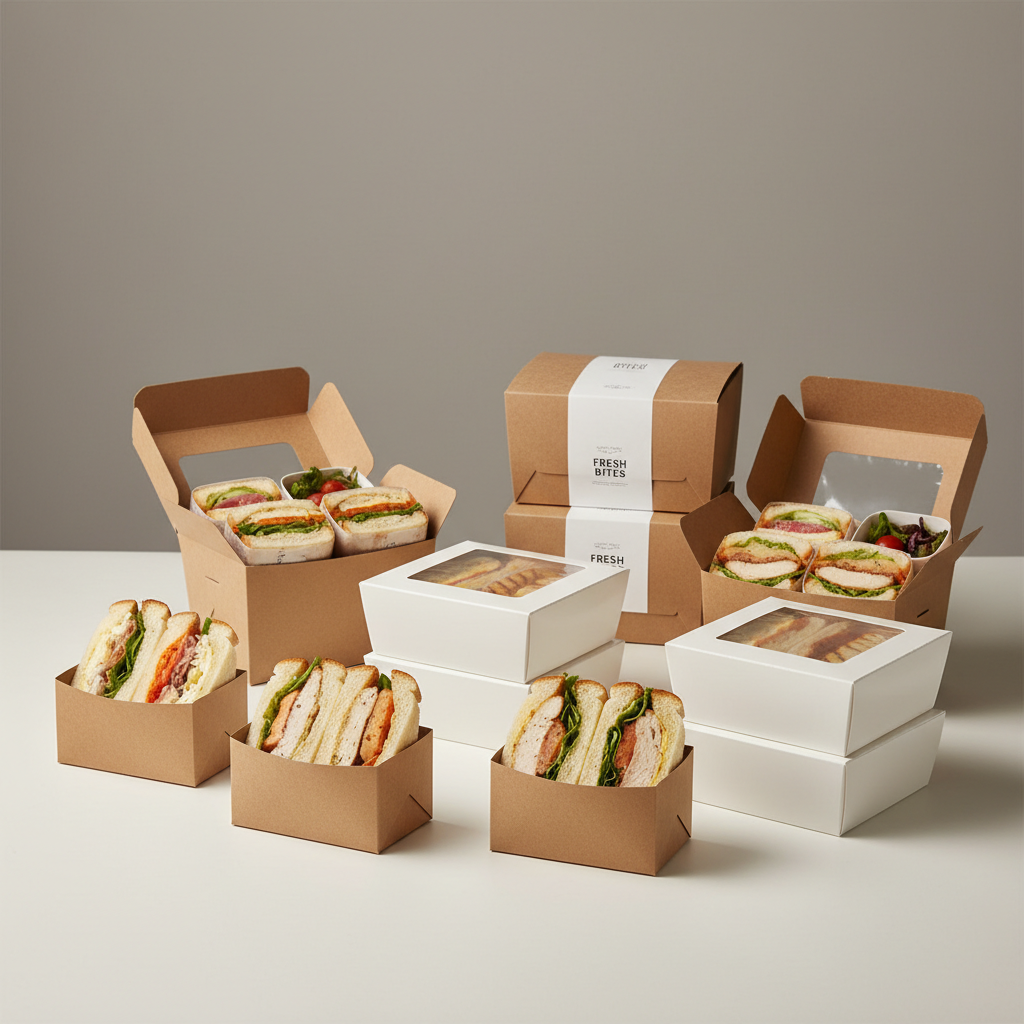
In the competitive food service industry, packaging serves two critical functions: preserving food integrity and communicating brand value. For procurement managers, restaurant chains, and food distributors, selecting the right sandwich box is not merely a matter of aesthetics; it is a strategic decision involving material science, logistics, and cost efficiency. A poorly specified box can lead to grease leakage, crushed products during transit, or reduced shelf life, all of which directly impact the bottom line.
This comprehensive guide explores the technical and practical aspects of sourcing sandwich box solutions. From understanding paperboard grades and barrier coatings to navigating minimum order quantities (MOQs) and customization options, we provide the detailed information necessary to make informed purchasing decisions for your supply chain.
Understanding Sandwich Box Materials
The structural integrity of a sandwich box depends entirely on the base material. B2B buyers must balance cost, rigidity, and sustainability goals when selecting the substrate.
Kraft Paperboard (Unbleached)
Kraft paperboard is easily identifiable by its natural brown color. It is produced from unbleached wood pulp, retaining the wood fibers’ inherent strength.
- Pros: High tear resistance, natural/organic aesthetic, often perceived as more eco-friendly by end consumers.
- Cons: Colors printed on Kraft may appear darker or less vibrant than on white board; requires an opaque white underprint for bright logos.
- Typical GSM: 250gsm to 350gsm depending on box size.
Ivory Board / White Cardboard (SBS/FBB)
Solid Bleached Sulfate (SBS) or Folding Box Board (FBB) offers a pristine white surface. This material is coated with clay on one or both sides to ensure smooth printability.
- Pros: Superior print quality for high-resolution graphics, clean and hygienic appearance, excellent stiffness.
- Cons: Shows grease stains more easily if not properly coated internally.
- Typical GSM: 230gsm to 350gsm.
Corrugated Board
For hot sandwiches or delivery-heavy business models, standard paperboard may lack the necessary insulation or rigidity. Micro-flute corrugated board (E-flute or F-flute) provides a middle layer of fluting that traps air.
- Pros: Excellent thermal insulation, high crush resistance, suitable for stacking.
- Cons: Thicker material takes up more storage space; printing is typically limited to flexography or litho-lamination.
Grease Resistance and Barrier Coatings
Sandwiches often contain sauces, mayonnaise, or oily fillings (like pesto or cheese) that can degrade paper fibers. Effective food packaging boxes must include a barrier layer to prevent leakage and maintain structural integrity.
PE (Polyethylene) Coating
This is the industry standard for grease and moisture resistance. A thin layer of PE plastic is extruded onto the paperboard.
- Performance: Excellent barrier against oil and water.
- Heat Tolerance: Good for warm foods, though not typically oven-safe at high temperatures.
PLA (Polylactic Acid) Lining
PLA is a bioplastic derived from renewable resources like corn starch. It performs similarly to PE but is designed for industrial composting.
- Performance: Comparable grease resistance to PE.
- Consideration: More sensitive to high heat; best for cold or warm sandwiches, not piping hot melts.
Aqueous Coatings
Water-based coatings are applied like ink during the printing process. While they offer moderate grease resistance, they are generally less robust than PE or PLA linings. They are best suited for “dry” sandwiches or short-term consumption.
Structural Designs and Formats
The shape of the box dictates how the product is displayed and how efficiently it can be packed.
The Classic Wedge
The triangular wedge is the standard for cut sandwiches displayed on retail shelves.
- Standard Width: Designed for two triangular halves of standard sliced bread.
- Deep Fill / Triple: A wider spine accommodates three halves or generously filled artisan breads.
- Rear-Loading: Sandwiches are slid in from the back, which is then sealed. This is common for automated packing lines.
- Side/Top Loading: Often used for manual packing in smaller delis.
Square and Rectangular Boxes with Windows
Used for baguettes, wraps, or uncut artisan sandwiches (focaccia, ciabatta). These boxes often feature a large top window to maximize product visibility.
Flat-Pack vs. Pre-Formed
Flat-Pack: These boxes arrive flat and require assembly (folding and locking) at the point of use.
Benefit: drastically reduces shipping costs and storage space requirements.
Trade-off: Higher labor cost/time for staff to assemble during prep.
Pre-Formed / Pre-Glued: These boxes pop open instantly or are rigid.
Benefit: extremely fast packing speed.
Trade-off: Higher shipping volume (shipping “air”).
Window Materials: Visibility vs. Sustainability
Consumers buy with their eyes. The clarity of the window film is crucial for fresh food sales.
- PET (Polyethylene Terephthalate): The standard for high clarity and strength. It does not fog easily and keeps the sandwich visible even under refrigeration.
- PLA (Polylactic Acid): A compostable film option. It has good clarity but can be more brittle and sensitive to heat than PET.
- Windowless: Some hot food boxes or delivery-specific boxes omit the window to improve insulation and reduce plastic usage, relying instead on branding to identify the contents.
Printing and Customization Checklist
Custom printing transforms a commodity container into a marketing tool. When requesting a quote for custom sandwich boxes, consider the following specifications:
Printing Methods
- Offset Printing: The gold standard for high-volume orders. It produces sharp, photographic-quality images and accurate color matching (CMYK + Pantone). Ideal for detailed brand imagery.
- Flexographic Printing: More cost-effective for simpler designs (logos, patterns) and very high volumes.
Finishing Options
- Matte Lamination: Provides a sophisticated, non-reflective finish that feels premium to the touch.
- Gloss Lamination: Enhances color vibrancy and provides an extra layer of protection against moisture.
- Spot UV: Applies a high-gloss finish to specific areas (like a logo) against a matte background for visual contrast.
- Embossing/Debossing: Physically raises or lowers the paper surface for a tactile effect.
Use Cases and Application Scenarios
Grab-and-Go Retail
For supermarkets, airports, and convenience stores, shelf life and visibility are paramount. Boxes here almost always require high-clarity windows and secure closures to prevent tampering. The structural design must support vertical stacking to maximize shelf density.
Hot Food Delivery
Delivery packaging faces different challenges: moisture buildup (steam) can make bread soggy. Boxes for hot paninis or toasties often feature ventilation holes or breathable materials. Corrugated board is preferred here for its heat retention properties.
Catering and Corporate Events
Catering boxes often need to look presentable on a boardroom table. “Platter boxes” are larger variations designed to hold multiple sandwich quarters. These often feature lift-off lids for easy serving.
Technical Specifications for Buyers
When preparing your request for a quote, specifying the following details will ensure accurate pricing and sampling:
| Specification | Description / Standard Range |
|---|---|
| Dimensions | L x W x H (mm or inches). Specify if these are internal or external dimensions. |
| Paper Weight | 250gsm – 350gsm (Standard board) / E-Flute (Corrugated). |
| Coating | Single side PE (inside), Double side PE, or Aqueous. |
| Window Size | Full face, partial strip, or custom die-cut shape. |
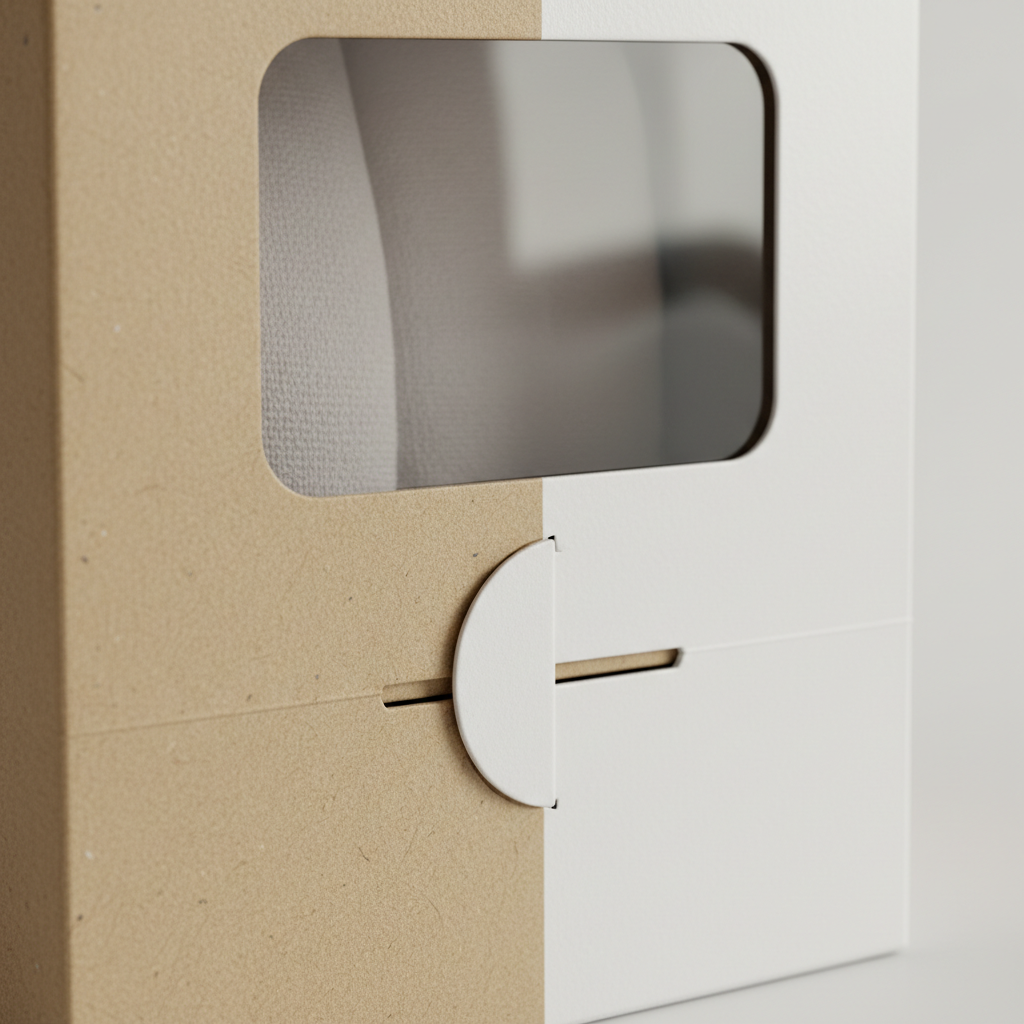
| Closure Type | Tab lock, peel-and-seal strip, or friction fit. |
Manufacturing and Quality Assurance
Reliable suppliers implement strict quality control (QC) measures. For food packaging, hygiene is non-negotiable.
- Food Grade Compliance: Ensure the paperboard and inks used are compliant with relevant food safety regulations for direct contact.
- Leak Testing: Random sampling should be performed to test the integrity of the glued corners and barrier coatings.
- Print Registration: Automated optical inspection often checks that the print aligns correctly with the die-cut lines to avoid “drift” where logos are cut off.
Buying Guide: Logistics and Ordering
Minimum Order Quantities (MOQ)
Custom manufacturing involves setup costs (making printing plates and cutting dies). Consequently, MOQs for custom-printed boxes are typically higher than for stock items.
- Stock/Plain: Low MOQs (often by the carton).
- Custom Print: Typically starts from 10,000 to 30,000 units depending on the complexity and factory tooling.
Lead Times
Production timelines vary by season and order volume. Generally:
- Sampling: 5–10 days.
- Mass Production: 15–30 days after artwork approval.
- Shipping: Depends on freight method (Air vs. Sea). Plan ahead for sea freight to reduce landed costs.
Artwork Preparation
To speed up the process, buyers should have vector artwork (AI or PDF format) ready. Manufacturers will provide a “dieline” (template) for your designer to lay out the graphics. Always request a digital proof before mass production begins.
FAQ: Common Buyer Questions
1. Can sandwich boxes be used in the microwave?
It depends on the materials. Boxes with PE windows or metallic foil stamping are generally not microwave-safe. However, boxes made from pure paperboard with appropriate heat-resistant coatings can be microwaveable. Always specify this requirement during the ordering process.
2. What is the difference between “recyclable” and “compostable”?
Recyclable boxes (usually paper without heavy plastic linings) can be processed to make new paper products. Compostable boxes (often using PLA) are designed to break down into organic matter in industrial composting facilities. Note that boxes with heavy food contamination (grease) are often rejected by paper recyclers, making compostable options attractive for food service.
3. Do you offer custom sizes for non-standard bread?
Yes. While standard wedge sizes exist for standard loaf slices, custom dies can be created for baguettes, bagels, or artisan loaves. A one-time tooling fee usually applies for custom structural designs.
4. How do I prevent the sandwich from drying out?
The window film and closure tightness are key. A fully sealed (heat-sealed or glued) box offers the longest shelf life. Tab-lock boxes are not air-tight and are intended for same-day consumption.
5. Can I see a physical sample before committing to a full order?
Yes. We recommend requesting a physical sample to test the fit with your actual food product. Visit our how to order page for details on sampling policies.
6. What is the most cost-effective printing option?
For large volumes, flexographic printing is generally the most cost-effective per unit. For smaller runs or photographic quality, offset printing is preferred despite higher setup costs. Minimizing the number of colors (e.g., 1-2 colors vs. full color) can also reduce costs.
Conclusion
Choosing the right sandwich box requires balancing presentation, protection, and price. Whether you need a high-clarity wedge for a grab-and-go display or a robust corrugated box for hot delivery, understanding the material specifications ensures you get the right product for your brand.
Ready to upgrade your food packaging? Contact our team today to request a quote or discuss your custom requirements.