

High-Performance Packaging for Modern Food Service
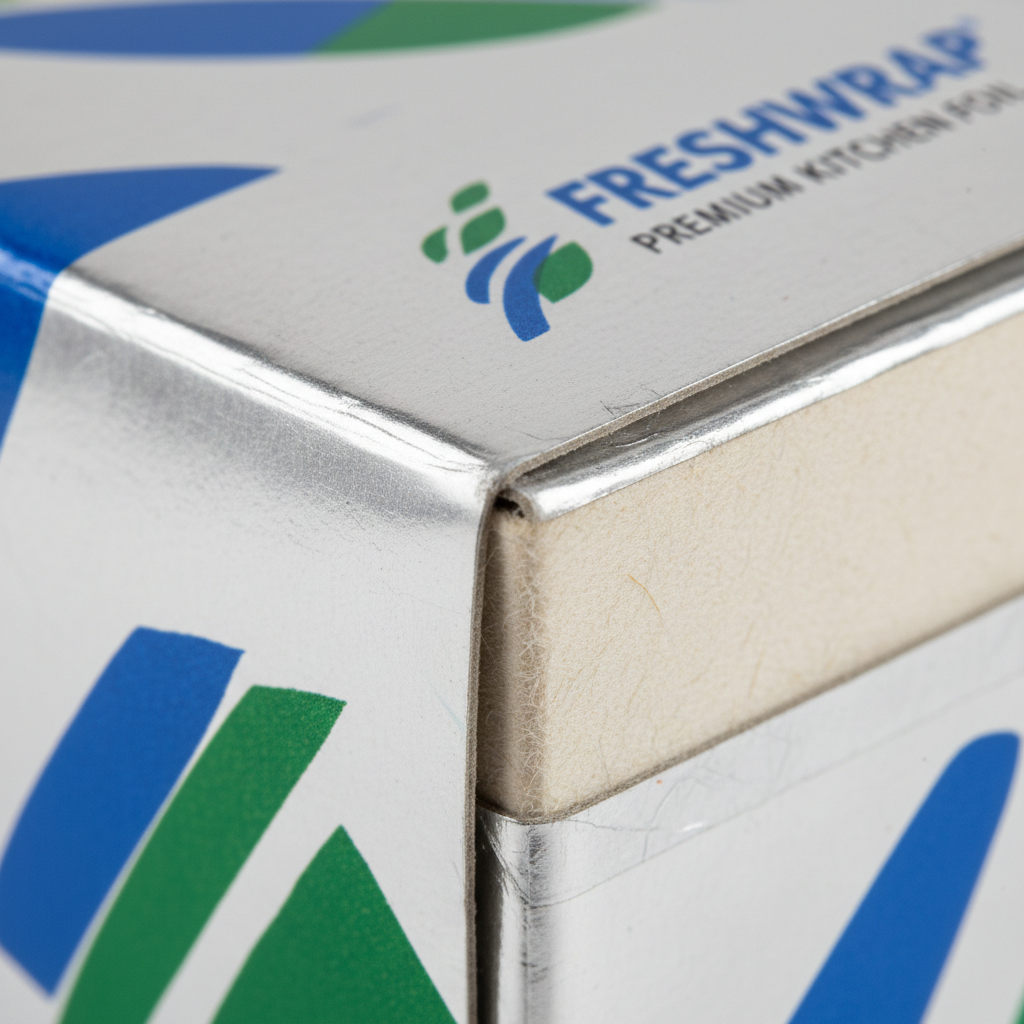
In the competitive landscape of food service and delivery, packaging serves two critical roles: protecting the product and projecting the brand. For restaurants, catering chains, and food distributors, the custom aluminum foil box has emerged as a superior alternative to traditional plastic or plain paper containers. Combining the structural rigidity of paperboard with the barrier properties of aluminum, these boxes offer exceptional heat retention, leak resistance, and premium aesthetic potential.
Sourcing these containers at a wholesale level requires a deep understanding of material specifications, printing technologies, and supply chain logistics. Whether you are launching a new frozen meal line or upgrading your restaurant’s takeout experience, choosing the right manufacturer is pivotal to maintaining food quality and operational efficiency.
This comprehensive guide covers the technical specifications, customization options, and purchasing considerations for custom aluminum foil boxes. We will explore how different coatings affect performance, how to prepare artwork for foil substrates, and what to expect during the wholesale ordering process.
Understanding Aluminum Foil Box Construction
Unlike simple aluminum trays which are stamped from a single sheet of alloy, high-end aluminum foil boxes often utilize a composite structure. This usually involves laminating aluminum foil to a sturdy paperboard base, or using heavy-gauge smooth-wall aluminum that allows for direct printing and heat sealing.
The Lamination Structure
Most printed aluminum foil boxes typically consist of multiple layers, each serving a distinct function:
- Base Layer (Paperboard): Provides the structural integrity and shape. The weight is usually measured in GSM (grams per square meter), ranging from 250gsm to 400gsm depending on the required load-bearing capacity.
- Barrier Layer (Aluminum Foil): A thin layer of aluminum is laminated to the paperboard. This acts as a barrier against light, oxygen, and moisture, significantly extending the shelf life of food products. It also provides the signature metallic finish.
- Inner Coating (Food-Grade Film): To prevent direct contact between food and aluminum (which can react with acidic foods) and to ensure leak-proof performance, the interior is coated with food-grade films such as PE (Polyethylene), PET (Polyethylene Terephthalate), or PP (Polypropylene).
Coating Types and Performance
Selecting the right inner coating is essential for functionality. The choice depends on how the end-user will reheat or store the food.
- PE (Polyethylene): The most common coating for general takeout. It offers excellent moisture resistance and grease proofing. However, it has a lower melting point, making it less suitable for high-temperature oven reheating.
- PET (Polyethylene Terephthalate): Ideal for dual-ovenable applications. PET coatings can withstand higher temperatures, allowing customers to reheat food in both microwaves and conventional ovens without the coating melting or warping.
- PP (Polypropylene): Often used for microwave-safe containers. It offers high chemical resistance and is suitable for hot-fill applications where temperatures might exceed the limits of standard PE.
Custom Printing and Branding Options
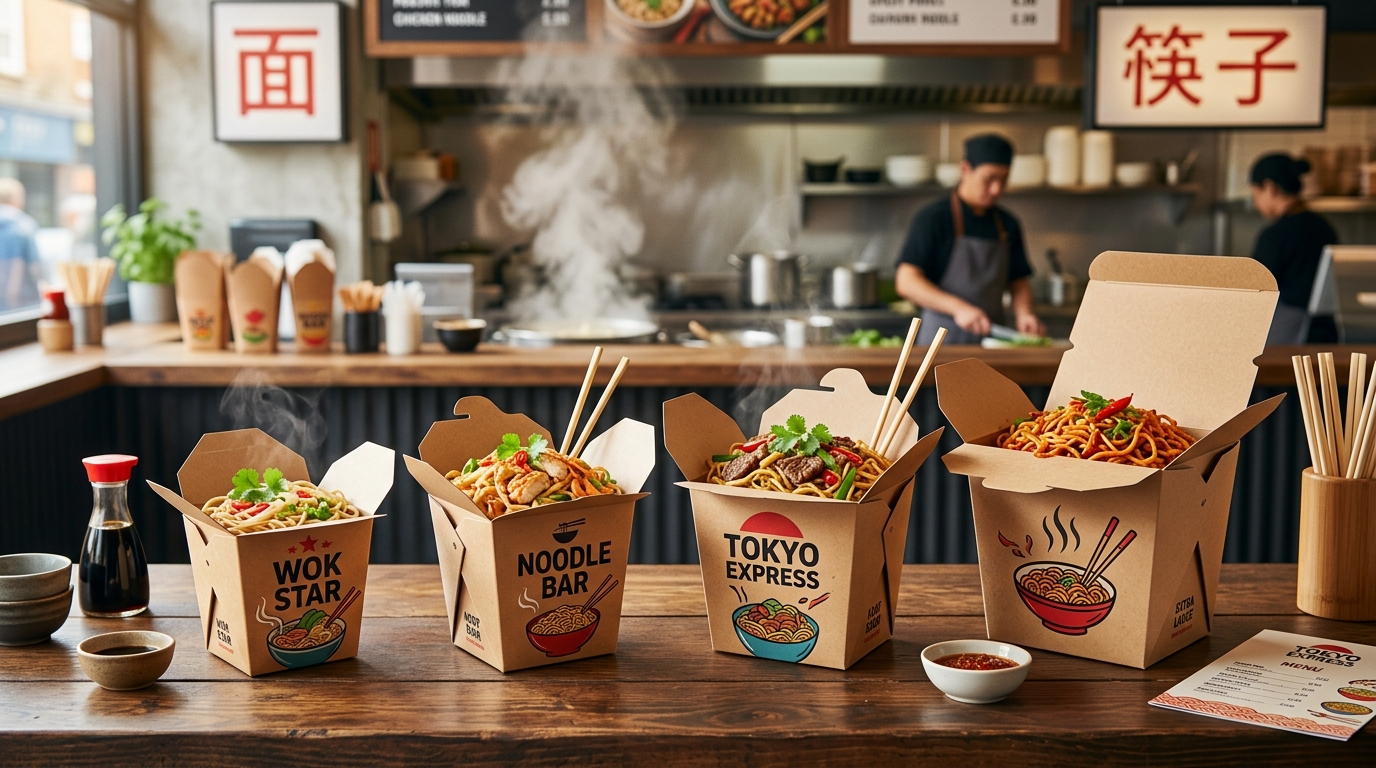
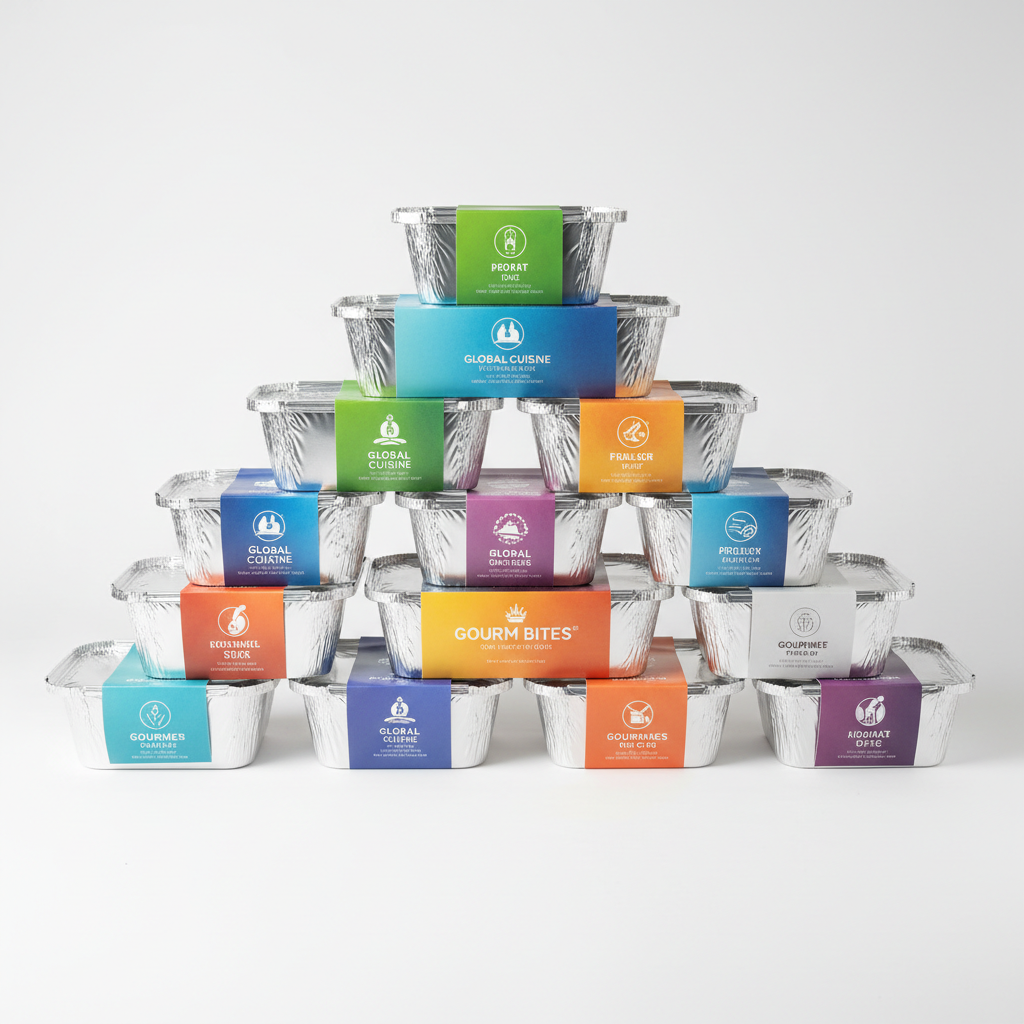
One of the primary advantages of sourcing food packaging boxes directly from a manufacturer is the ability to fully customize the exterior. Aluminum foil boxes offer a unique canvas because the metallic substrate can interact with inks to create striking visual effects.
Printing Technologies
Offset Printing (Lithography):
For high-volume wholesale orders requiring photographic quality, offset printing is the standard. It delivers sharp images, precise color gradients, and consistent solid colors. When printing on foil materials, UV-cured inks are typically used to ensure instant drying and strong adhesion to the non-porous surface.
Flexographic Printing:
While less common for high-definition rigid boxes, flexo is cost-effective for simpler designs or very high-volume runs where intricate gradients are not required. It is faster but may have lower resolution compared to offset.
Enhancement Techniques
To make a brand stand out, buyers often request post-print finishes:
- Embossing/Debossing: Raising or lowering specific areas of the design (like a logo) to create a tactile 3D effect. This works exceptionally well on aluminum surfaces, adding a premium feel without adding ink costs.
- Hot Foil Stamping: Applying a separate layer of gold, silver, or holographic foil over the printed design. This creates a high-contrast metallic shine that differs from the base aluminum material.
- Spot UV Varnishing: Applying a high-gloss clear coat over specific areas (like a logo) against a matte background. This contrast draws the eye and suggests luxury.
- Matte vs. Gloss Lamination: A full matte finish can give the box a sophisticated, modern look, while a high-gloss finish enhances color vibrancy and shelf appeal.
Technical Specifications & Sizing Guide
When specifying requirements for a wholesale order, precision is key. A mismatch in dimensions can lead to lid incompatibility or portion control issues.
Standard Capacities and Dimensions
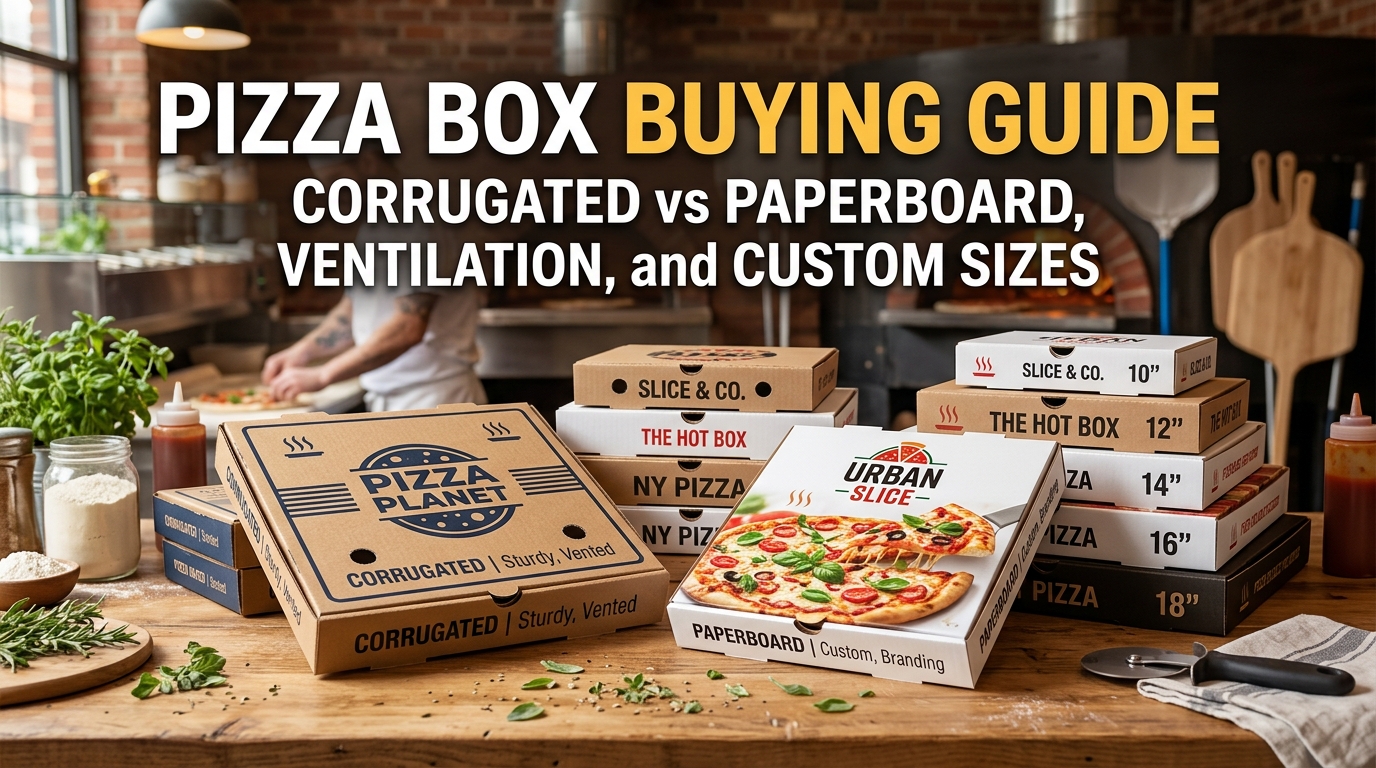
While custom molds can be created, choosing standard sizes can reduce tooling costs and lead times. Common capacities include:
- 500ml – 750ml: Single-serving meals, salads, or pasta dishes.
- 1000ml – 1200ml: Large entrees, shared sides, or combo meals.
- 1500ml – 2000ml+: Family-sized portions, catering trays, or roasted meats.
Note: Always verify the exact milliliter capacity versus the physical dimensions (Length x Width x Height). Two boxes may have similar dimensions but different volumes due to tapered walls or bottom depth.
Lid Compatibility
The functionality of an aluminum foil box is heavily dependent on the lid system. Options include:
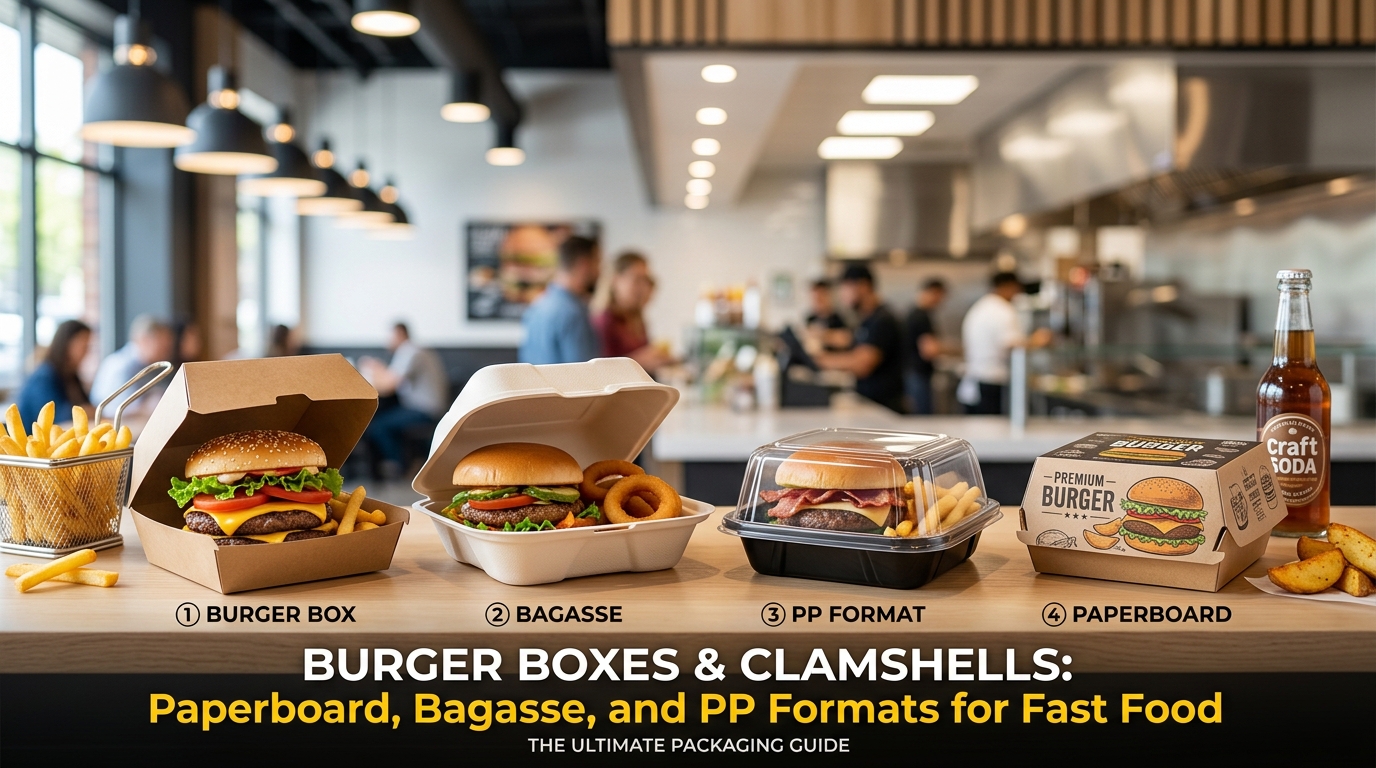
- Paperboard Lids (Attached or Separate): Often used in “clam-shell” style folding boxes. The lid is part of the same die-cut sheet, offering a seamless look and easy assembly.
- Plastic Dome Lids (PET/PP): Clear lids allow visibility of the food inside, which is crucial for grab-and-go retail environments. Ensure the plastic lid fits the rolled rim of the box securely to prevent leaks.
- Aluminum Foil / Paper Laminated Lids: Flat lids that are crimped over the edge. These provide excellent heat retention and are preferred for heavy-duty catering applications.
Functional Benefits for Food Service
Beyond aesthetics, the technical properties of aluminum foil boxes solve several operational headaches for restaurants and distributors.
Thermal Insulation and Heat Retention
Aluminum is an excellent reflector of radiant heat. When food is enclosed in an aluminum foil box, the material reflects the food’s own heat back inward, keeping meals hotter for longer during delivery. Conversely, for frozen foods, the barrier properties prevent freezer burn and protect against temperature fluctuations during transport.
Grease and Moisture Resistance
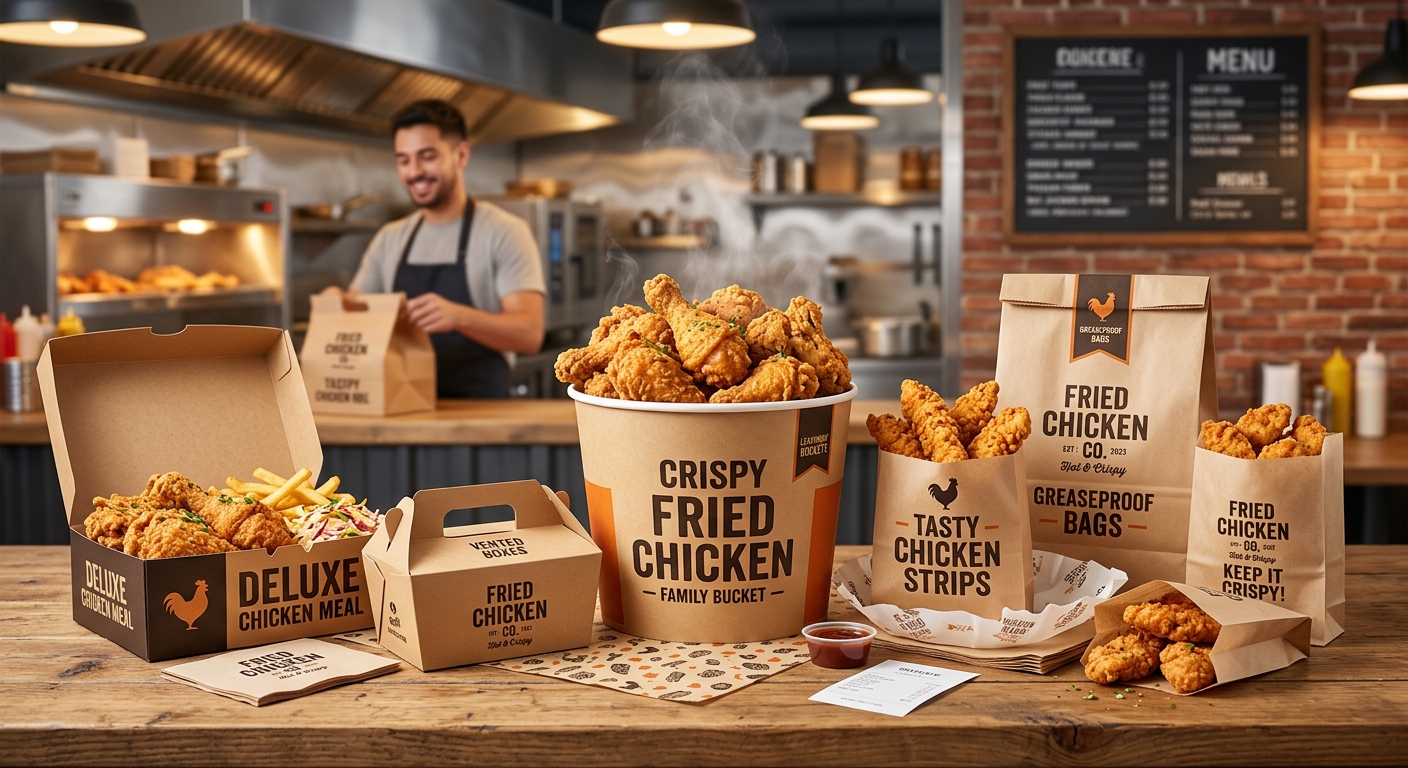
Soggy packaging is a major complaint in food delivery. The impermeable nature of the aluminum layer, combined with internal PE/PET coatings, ensures that sauces, oils, and gravies do not penetrate the box walls. This maintains the structural integrity of the container even after hours of transit, preventing the “bottom fallout” common with standard paper cartons.
Oven and Microwave Safety
Modern aluminum foil packaging can be designed to be microwave-safe, provided specific design guidelines are followed (such as rounded corners and smooth walls to prevent arcing). Furthermore, unlike plastic or Styrofoam, aluminum boxes can often go directly into a conventional oven for reheating (depending on the coating used). This “oven-to-table” convenience is a significant selling point for meal kit services and premium takeout brands.
Wholesale Ordering Guide
Navigating the procurement process for custom packaging involves several steps. Understanding these factors will help streamline your order and ensure you receive the exact product you envisioned.
Minimum Order Quantities (MOQ)
Custom manufacturing involves setup costs for printing plates, cutting dies, and machine calibration. Consequently, manufacturers set MOQs to ensure production efficiency.
Typical MOQs:
For fully custom printed boxes, MOQs generally start from 10,000 to 30,000 units. Lower quantities may be available for plain (unprinted) stock items, but unit costs for custom work decrease significantly as volume increases.
Artwork and File Preparation
To avoid delays in the proofing stage, ensure your design team follows these guidelines:
- File Format: Vector files (AI, PDF, EPS) are required for crisp lines and text. Raster images (JPG, PNG) are generally unsuitable for text or logos but may be used for photographic elements if high resolution (300dpi+).
- Bleed and Die Lines: Request the dieline template from the manufacturer before designing. Ensure background graphics extend beyond the cut line (bleed) to account for minor shifts during cutting.
- Color Codes: Specify Pantone (PMS) color codes for brand consistency. CMYK values can vary between printers, but PMS ensures the exact shade of red or blue is achieved.
Sampling Process
Before committing to a full production run, always request a sample. There are two types:
- Digital Proof: A 2D or 3D PDF rendering showing the layout. Good for checking spelling and positioning.
- Physical Pre-production Sample: A fully printed and formed box sent to you. This incurs a sampling fee but is critical for verifying material quality, print finish, and size accuracy.
Lead Times and Shipping
Production times vary based on complexity and volume. A typical timeline might look like this:
- Design & Approval: 3–7 days
- Production: 15–25 days after deposit and artwork approval
- Shipping: Depends on method (Air freight: 5–10 days; Sea freight: 25–45 days)
For urgent requirements, discuss expedited options during the ordering process.
Quality Control & Compliance
Reliable suppliers implement rigorous QC protocols. When evaluating a supplier, inquire about their testing procedures:
- Leak Testing: Random samples should be filled with liquid to ensure corner seals and coatings are intact.
- Load Testing: Boxes are stacked to ensure they do not crush under the weight of multiple units, crucial for palletization and delivery stacking.
- Ink Adhesion Test: Tape tests are performed to ensure ink does not peel off the foil surface.
FAQ: Buying Custom Aluminum Foil Boxes
1. Can aluminum foil boxes be used in the microwave?
Yes, but with caveats. The box must be designed for microwave use (smooth walls, no sharp edges) and the microwave must be in good condition. Always consult the manufacturer’s specifications to confirm if a specific box model is “microwave-safe.”
2. What is the difference between PE and PET lining?
PE (Polyethylene) is standard for waterproofing and grease resistance but has low heat tolerance. PET (Polyethylene Terephthalate) is heat-resistant and suitable for dual-ovenable containers (microwave and conventional oven).
3. Can I print on the inside of the box?
Generally, printing is done on the exterior for food safety reasons. The inside is coated with a food-grade film. If internal branding is required, it must be done with specialized food-safe inks and often requires an additional over-laminate, which increases cost.
4. How do I choose the right GSM (paper weight)?
For small boxes (under 500ml), 250-300gsm is usually sufficient. For larger boxes (1000ml+) or heavy foods (dense pasta, wet curries), 350gsm or higher is recommended to prevent buckling.
5. Are these boxes recyclable?
Aluminum foil boxes are widely recyclable where facilities exist to separate the foil/paper/plastic layers. However, heavily soiled containers (grease/food residue) may need to be cleaned before recycling. Check local regulations.
6. What is the best way to ship these boxes to prevent damage?
Boxes should be shipped flat (unfolded) whenever possible to maximize container space and prevent crushing. If they are pre-formed rigid containers, they must be nested carefully and packed in sturdy corrugated master cartons.
Conclusion
Switching to custom aluminum foil boxes can significantly elevate your food brand’s perception while providing superior product protection. The combination of heat retention, leak resistance, and high-quality printing makes them a top choice for premium food service operators.
By understanding the material specs, coating options, and wholesale ordering nuances outlined in this guide, you can make informed procurement decisions that balance cost, quality, and functionality. Whether you need a simple logo placement or a full-color custom design, the right packaging partner will guide you through engineering the perfect solution for your menu.
Ready to explore custom packaging solutions for your business? Contact our team today to discuss your specifications, or request a quote to get started.