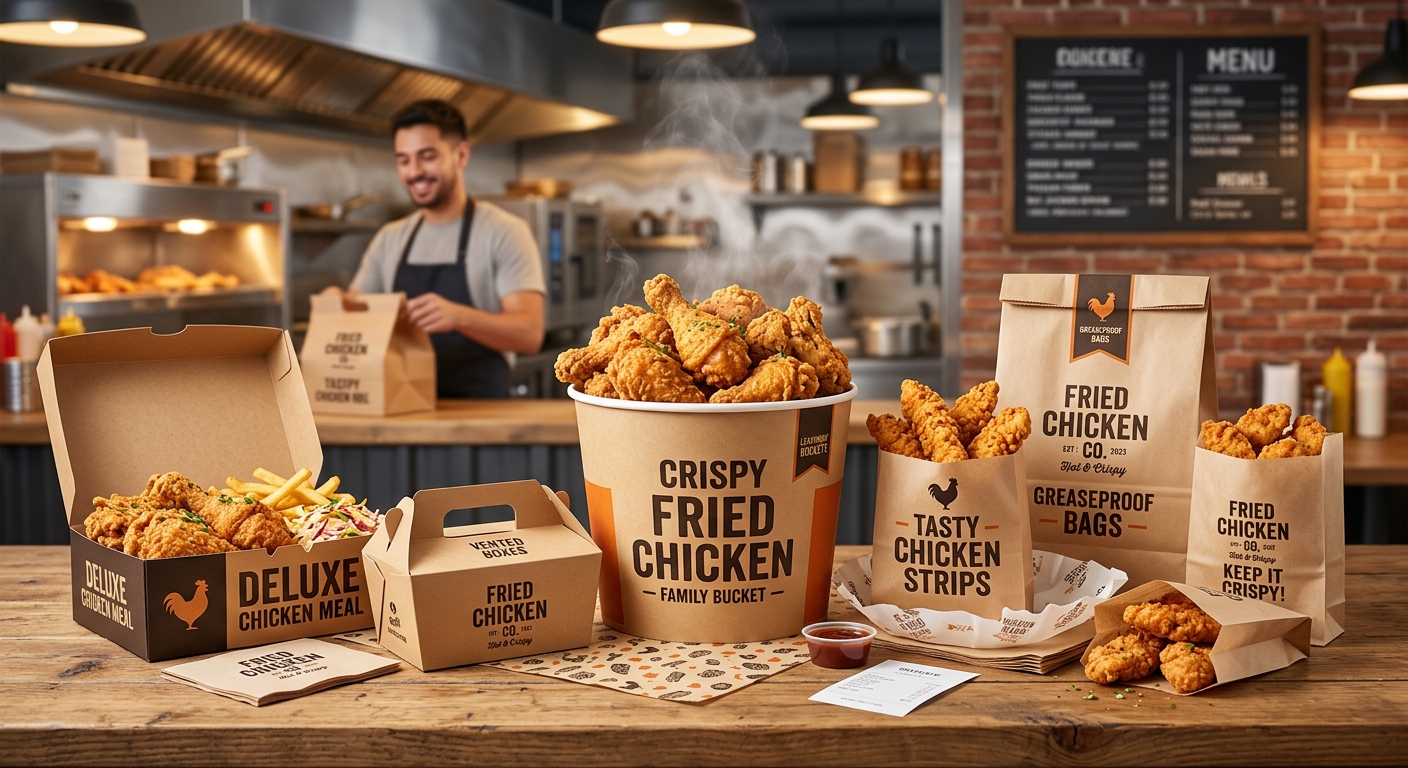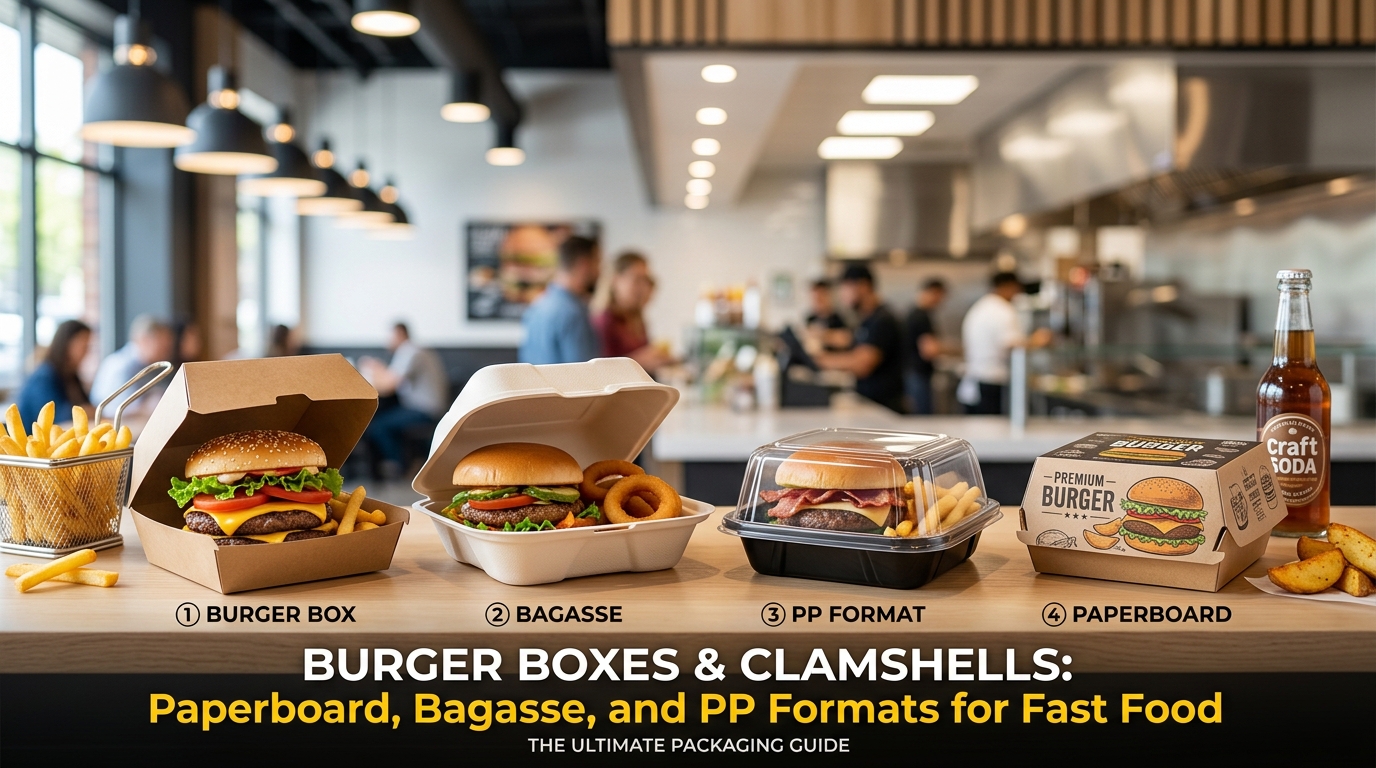


Introduction: The Strategic Value of Custom Sandwich Packaging
In the competitive food service landscape, the humble sandwich box performs two critical functions: it protects the product integrity during transit and serves as a mobile billboard for your brand. For procurement managers, restaurant chain owners, and food distributors, sourcing custom sandwich boxes wholesale is not just about finding a container; it is about balancing material science, cost-efficiency, and brand impact.
Whether you are packaging heat-sealed paninis, fresh-cut triangle wedges, or gourmet baguettes, the technical specifications of your packaging define the customer experience. A soggy bottom or a crushed crust can ruin the consumer’s perception of quality instantly. Conversely, a structurally sound, grease-resistant box with high-definition printing elevates a simple lunch item into a premium experience.
This comprehensive guide explores the technical and logistical aspects of ordering custom sandwich boxes in bulk. We will cover material grades, printing technologies, structural design options, and the critical factors that influence manufacturing lead times and costs.
1. Material Specifications: Choosing the Right Substrate
The foundation of any high-quality food packaging is the paperboard. In the wholesale market, “cardboard” is too vague a term. Buyers must specify the exact grade of paper to ensure the box can handle the weight and moisture content of the ingredients.
Common Paperboard Grades
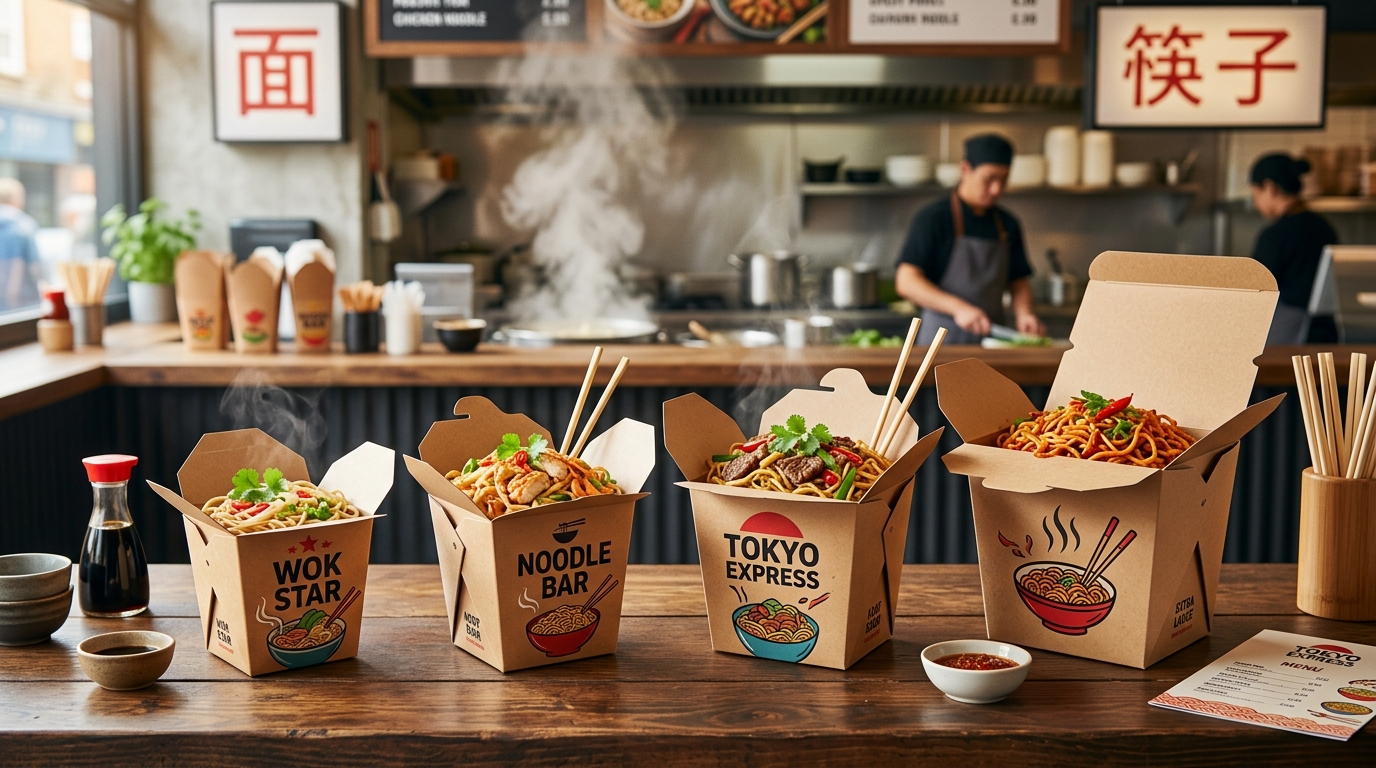
- Kraft Board (Natural Brown): Unbleached and often made from recycled fibers or virgin wood pulp. It offers a rustic, eco-friendly aesthetic that is highly popular in the organic and fast-casual sectors. It provides excellent tear resistance.
- Ivory Board / SBS (Solid Bleached Sulfate): A premium, bright white board made from virgin pulp. It offers the smoothest surface for high-quality printing, allowing colors to appear vibrant and sharp. This is the standard for premium retail sandwich packs.
- Duplex Board: Features a white coated exterior for printing and a grey or brown unfinished interior. This is a cost-effective option for high-volume orders where interior aesthetics are less critical, though food-grade liners are essential here.
Thickness and Weight (GSM)
Paperboard density is measured in Grams per Square Meter (GSM) or points (pt). For sandwich boxes, rigidity is key to preventing crushing when stacked.
- 250–300 GSM: Suitable for smaller, lightweight sandwiches or pastries.
- 300–350 GSM: The industry standard for most wedge and square sandwich boxes. It provides enough rigidity to hold its shape under the weight of a fully loaded sandwich.
- 350+ GSM: Used for large platters or heavy gourmet items requiring extra structural support.
For a wide selection of material options, explore our dedicated sandwich box category.
2. Grease Resistance and Barrier Coatings
Sandwiches often contain sauces, mayonnaise, oils, and moist ingredients like tomatoes or pickles. Without a proper barrier, the paperboard will absorb moisture, leading to staining, structural failure, and a poor tactile experience for the customer.
PE (Polyethylene) Coating
The most traditional barrier method involves laminating a thin layer of polyethylene plastic onto the interior of the paperboard. It provides excellent resistance to grease and moisture and allows for heat sealing if required.
PLA (Polylactic Acid) Lining
For brands focused on sustainability, PLA is a bioplastic derived from renewable resources like corn starch. It functions similarly to PE but is compostable in industrial facilities. It is an ideal pairing for Kraft board to create a fully eco-centric package.
Aqueous Coating
A water-based coating applied during the printing process. While it offers less heavy-duty protection than a PE liner, it provides moderate grease resistance and is often easier to recycle in standard paper streams.
3. Structural Design and Shapes
The geometry of the box dictates how well it protects the food and how efficiently it can be packed for transport. Customization allows for precise sizing to minimize food movement inside the box.
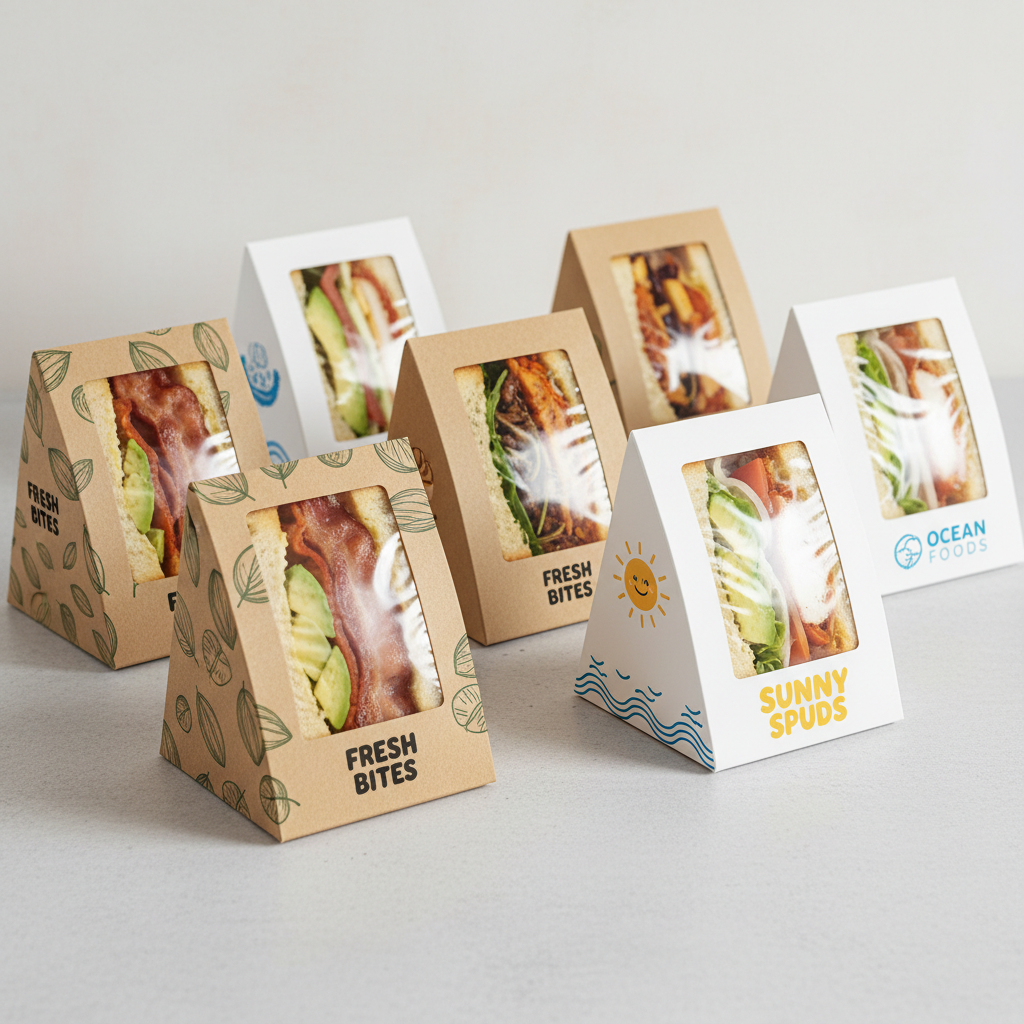
The Classic Wedge
Designed for two triangular sandwich halves cut diagonally. The wedge shape is iconic and space-efficient on retail shelves. Wholesale buyers must specify the width of the wedge (standard sizes often range from 50mm to 85mm widths) to accommodate different bread thicknesses (e.g., standard slice vs. deep fill).
Square and Rectangular Boxes
Used for uncut sandwiches, toasties, or artisan breads like focaccia. These often feature a “clam-shell” opening or a tuck-top lid. They offer more surface area for top-down branding.
Window Patching
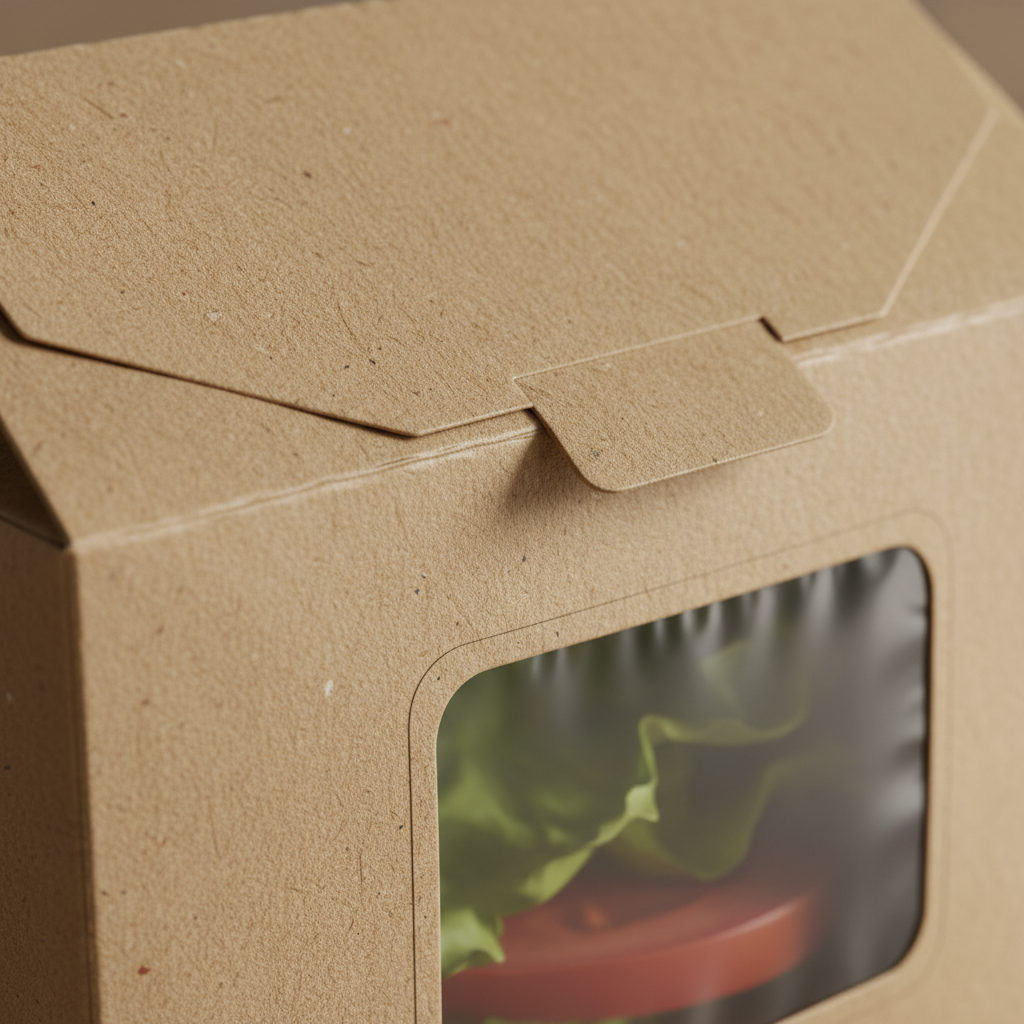
Visibility is a major sales driver in the food-to-go market. Consumers want to see the freshness of the ingredients.
- PET Windows: Clear, strong, and resistant to fogging.
- PLA Windows: Compostable clear film, matching PLA-lined boxes.
- Die-Cut Windows: Open windows without film (rare for sandwiches due to hygiene and freshness concerns, but possible for short-term service).
If you are looking for diverse structural designs across different food types, view our broader food packaging box solutions.
4. Printing Technologies and Branding
When ordering custom sandwich boxes wholesale, the printing method impacts both unit cost and visual quality. The choice depends largely on your volume and design complexity.
Offset Printing (Lithography)
The gold standard for high-volume wholesale orders. Offset printing uses plates to transfer ink, delivering superior image quality, sharp text, and accurate color reproduction. It becomes highly cost-effective at volumes over 5,000 or 10,000 units.
Flexographic Printing
Often used for simpler designs on corrugated or lower-cost board. It is faster and uses flexible plates. While quality has improved, it generally does not match the crispness of offset for photographic imagery.
Digital Printing
Ideal for short runs, prototypes, or limited-time seasonal promotions. There are no plate costs, allowing for quick turnaround, but the per-unit cost is higher than offset for large batches.
Finishing Touches
- Spot UV: A high-gloss coating applied to specific areas (like a logo) to make them pop against a matte background.
- Embossing/Debossing: Physically raising or lowering the paper surface for a tactile effect.
- Hot Foil Stamping: Adding metallic gold or silver foil for a premium look.
5. Manufacturing and Quality Assurance
Understanding the manufacturing workflow helps buyers manage timelines and expectations.
Die-Cutting and Creasing
Once printed, the sheets are fed into a die-cutter. A custom “die” (a steel blade template) cuts the box shape and creates crease lines for folding. Precision here is vital; if the creases are too shallow, the box won’t fold squarely; if too deep, the board may crack.
Gluing and Folding
Most sandwich boxes are supplied “flat-packed” to save shipping space but are pre-glued at the side seams. This is known as a “crash-lock” or “auto-bottom” feature in some styles, or simple side-gluing for wedges. This ensures that when the staff on the assembly line opens the box, it snaps into shape immediately, minimizing handling time.
Migration Testing
For food contact packaging, inks and glues must be low-migration. This means they do not leach chemicals into the food. Reputable manufacturers adhere to Good Manufacturing Practices (GMP) to ensure compliance with regional safety standards.
6. Buying Guide: How to Order Wholesale
Navigating a wholesale order requires attention to logistical details. Here is a checklist for procurement managers.
Minimum Order Quantity (MOQ)
Custom manufacturing involves setup costs (making printing plates and cutting dies). Consequently, factories set MOQs. While small runs (e.g., 500 units) are possible digitally, the most competitive pricing typically starts at 5,000 to 10,000 units. Higher volumes significantly dilute the setup costs, lowering the price per box.
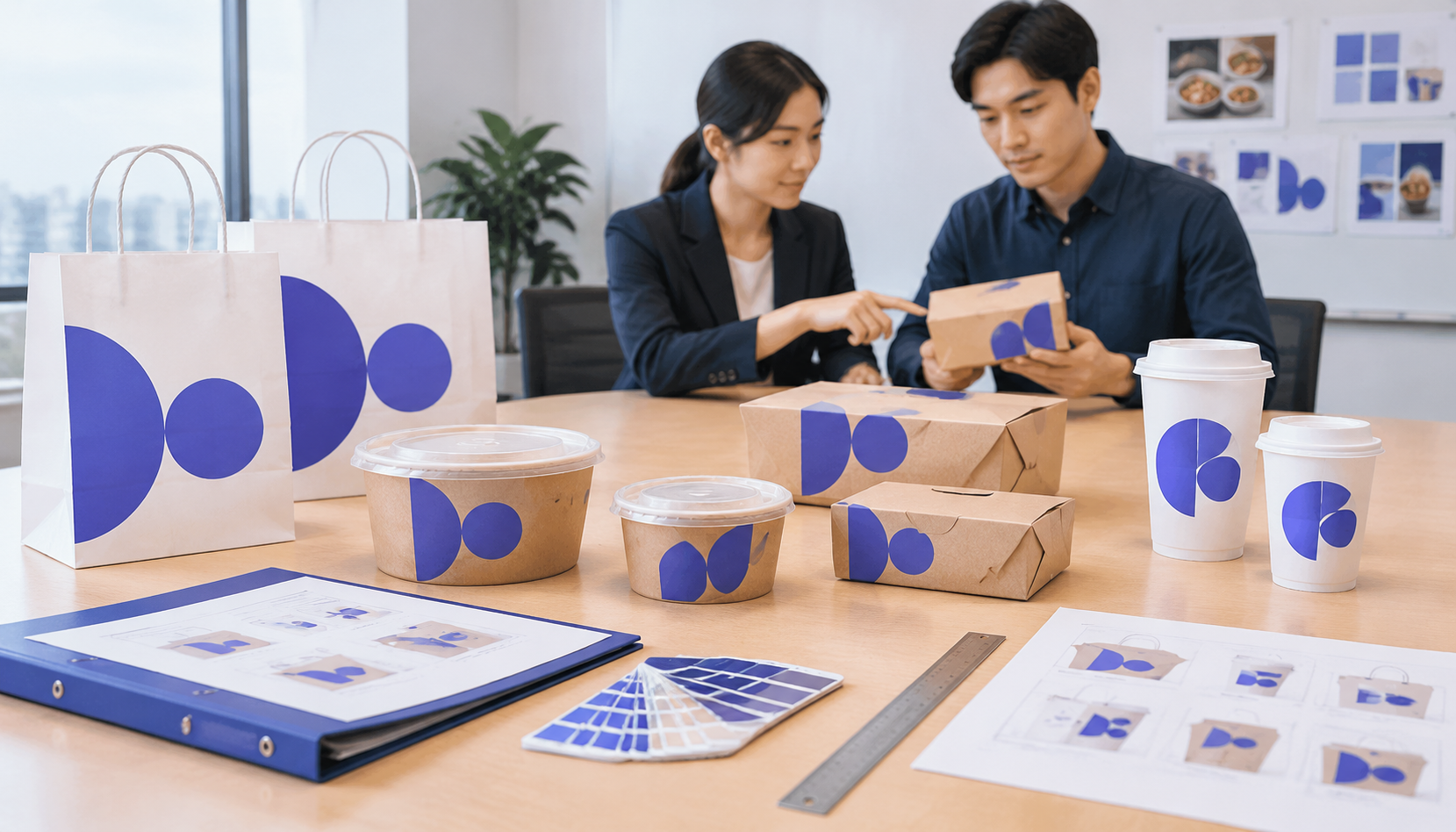
Artwork Preparation
To ensure your branded boxes look exactly as intended:
- Vector Files: Supply logos in AI, PDF, or EPS formats.
- CMYK vs. Pantone: Specify Pantone (PMS) codes if exact color matching is required for brand consistency.
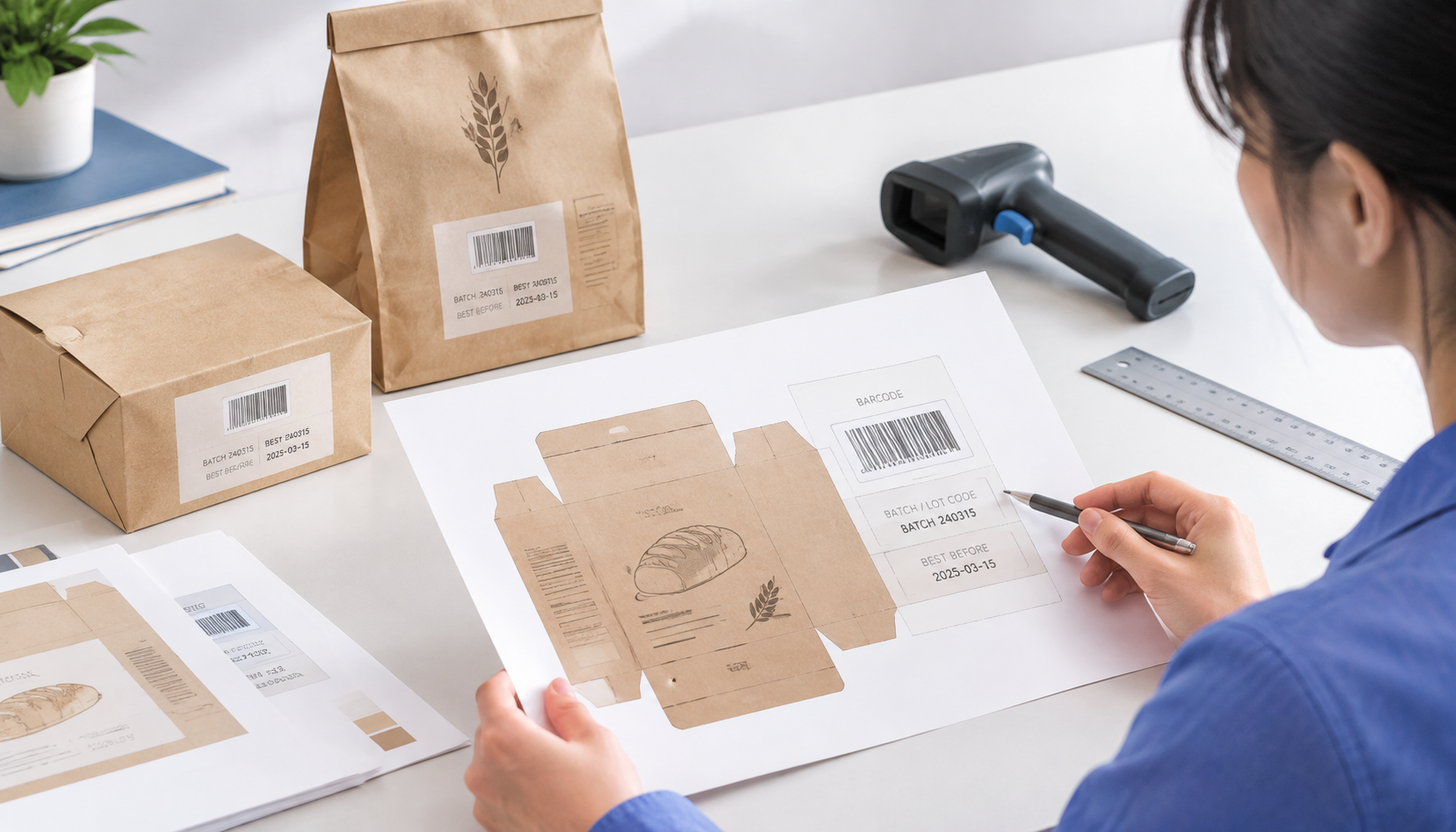
- Die-Lines: Ask the manufacturer for a die-line template before designing. Your designer should place artwork onto this template, ensuring “bleeds” extend beyond the cut line.
Sampling
Always request a sample before full production.
Digital Sample: A printed prototype to check size and graphics (usually not on the final press).
Pre-production Sample: A sample made on the actual production line (more expensive but accurate).
Lead Times
Standard lead times for custom printed packaging can range from 2 to 5 weeks depending on complexity and factory load. Shipping times (sea vs. air freight) must be added to this. Plan ahead for holiday seasons.
For detailed steps on initiating a production run, please refer to our how to order guide.
7. Sustainability and End-of-Life
Modern buyers are under pressure to reduce environmental impact. When choosing specifications, consider the disposal route:
- Recyclable: Boxes with aqueous coatings or easily separable plastic windows are preferred for recycling streams.
- Compostable: Requires PLA linings and PLA windows, plus certified board. Ensure your target market has access to industrial composting facilities.
- Recycled Content: Using Kraft board with high post-consumer waste (PCW) content appeals to eco-conscious consumers.
8. Frequently Asked Questions (FAQs)
1. Can I order sandwich boxes that are safe for microwave heating?
Yes, but you must specify this requirement. Standard PE-lined boxes may not be suitable for high heat. You will need materials designed for microwave tolerance, often utilizing specific heat-resistant coatings and glues.
2. What is the difference between “deep fill” and standard wedge boxes?
Standard wedges are typically designed for two slices of bread with moderate filling (approx. 50-65mm width). Deep fill wedges (75-85mm width) accommodate three slices of bread (club sandwiches) or generous fillings without crushing the contents.
3. Do you provide templates for my design team?
Yes, once the box dimensions and style are confirmed, manufacturers provide a 2D dieline file (PDF or AI) that your graphic designers can use to lay out the artwork.
4. How are the boxes shipped?
They are shipped flat-packed in master cartons. This minimizes shipping volume and storage space requirements. They are designed for quick assembly at the point of use.
5. Is the window film necessary?
While not strictly mandatory, it is highly recommended for retail environments. It protects the food from airborne contaminants while allowing customers to verify freshness. For catering or delivery where display isn’t the primary goal, a windowless box is a cheaper alternative.
6. What is the typical lead time for a custom order?
After artwork approval, production typically takes 15–25 days depending on the quantity. International shipping times vary by method (Air: 5–10 days, Sea: 30–45 days).
7. Can I print inside the box?
Yes, printing on the inside is possible but requires food-safe inks and often a protective coating over the ink to prevent direct contact with the food. This adds to the cost but offers a premium unboxing experience.
8. How do I determine the correct size for my product?
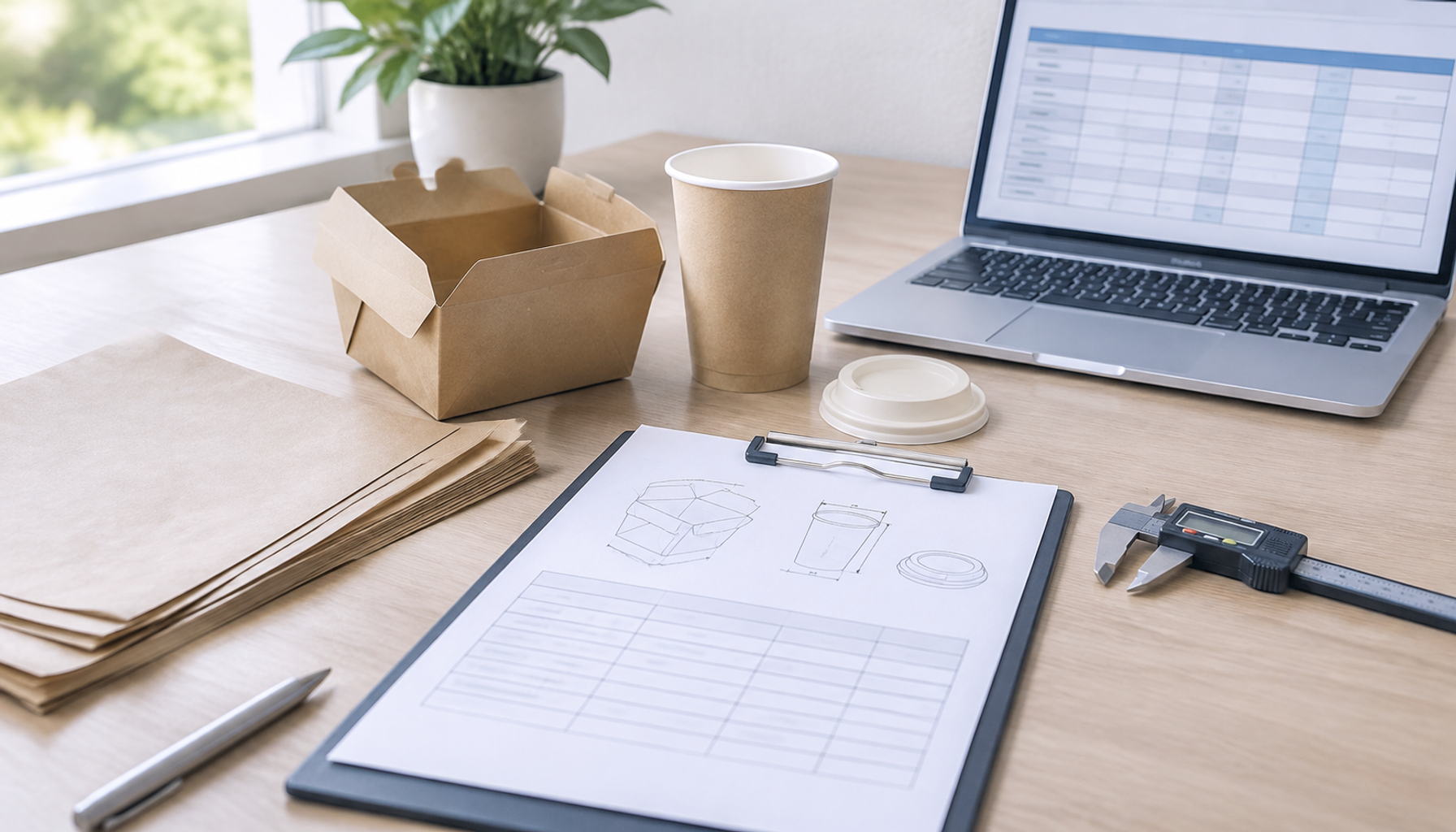
The best method is to measure your sandwich exactly as it is prepared. Measure the width, height, and hypotenuse (for wedges). Send these dimensions to the manufacturer, or better yet, send a physical sample of your product for the engineering team to measure.
Conclusion
Sourcing custom sandwich boxes wholesale is a strategic decision that impacts your operational efficiency and brand perception. By carefully selecting the right paperboard grade, barrier coating, and print finish, you ensure your food arrives fresh and looks professional.
Whether you need a sustainable Kraft wedge for a vegan cafe or a high-gloss, window-patched box for a premium deli chain, understanding these technical specifications empowers you to make the right buying choice.
Ready to elevate your food packaging? Contact us today to request a quote or get a sample of our premium sandwich packaging solutions.