

More Than Just a Container: Packaging as a Marketing Tool
In the competitive food service industry, packaging is often viewed primarily as a functional necessity—a way to transport food from point A to point B without spillage or temperature loss. However, for forward-thinking brands and procurement managers, custom printed food packaging represents a significantly underutilized marketing asset.
Every burger box, pizza carton, or bakery bag that leaves a facility is a mobile advertisement. Unlike digital ads that can be scrolled past, physical packaging engages the customer in a tactile way. This article explores the strategic value of branded packaging, the return on investment (ROI) for custom printing, and the technical considerations for buyers looking to upgrade from generic to branded solutions.
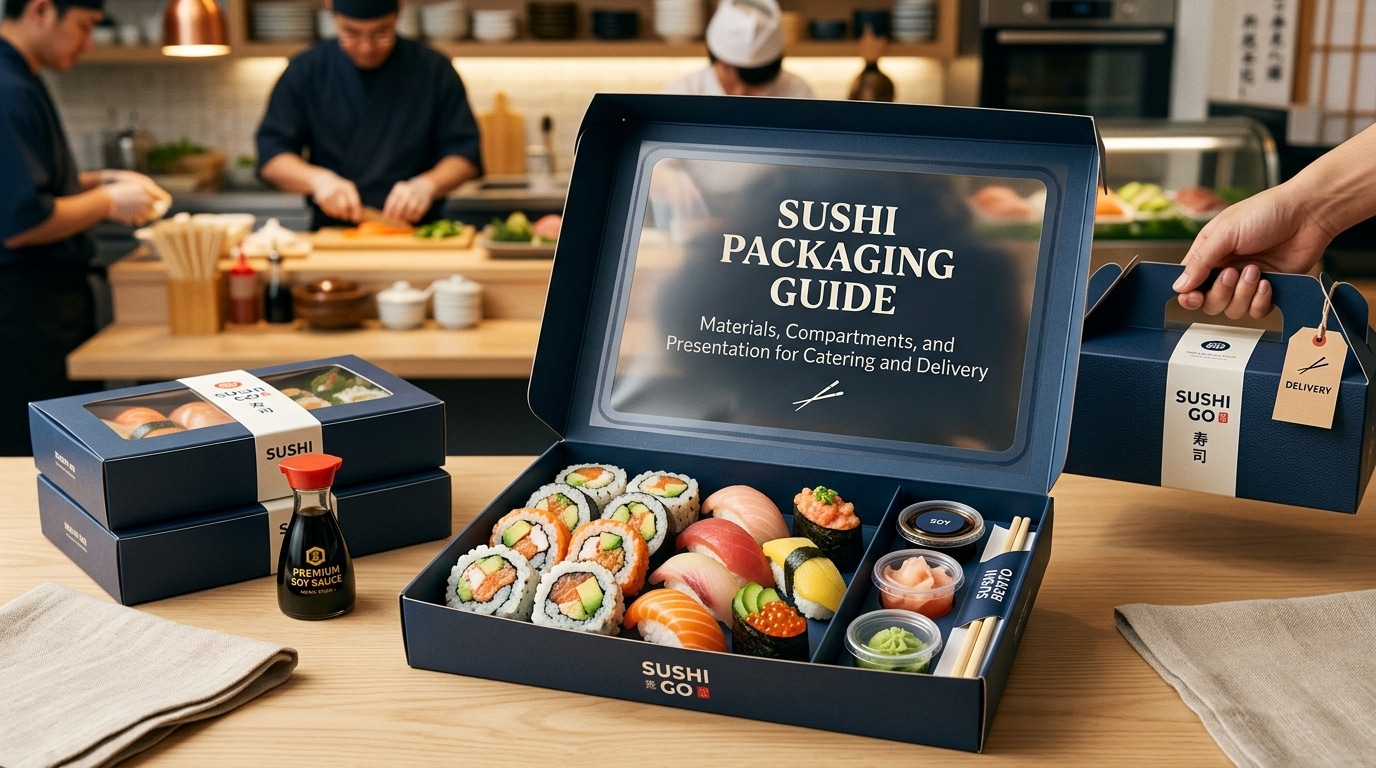
The Mobile Billboard Effect
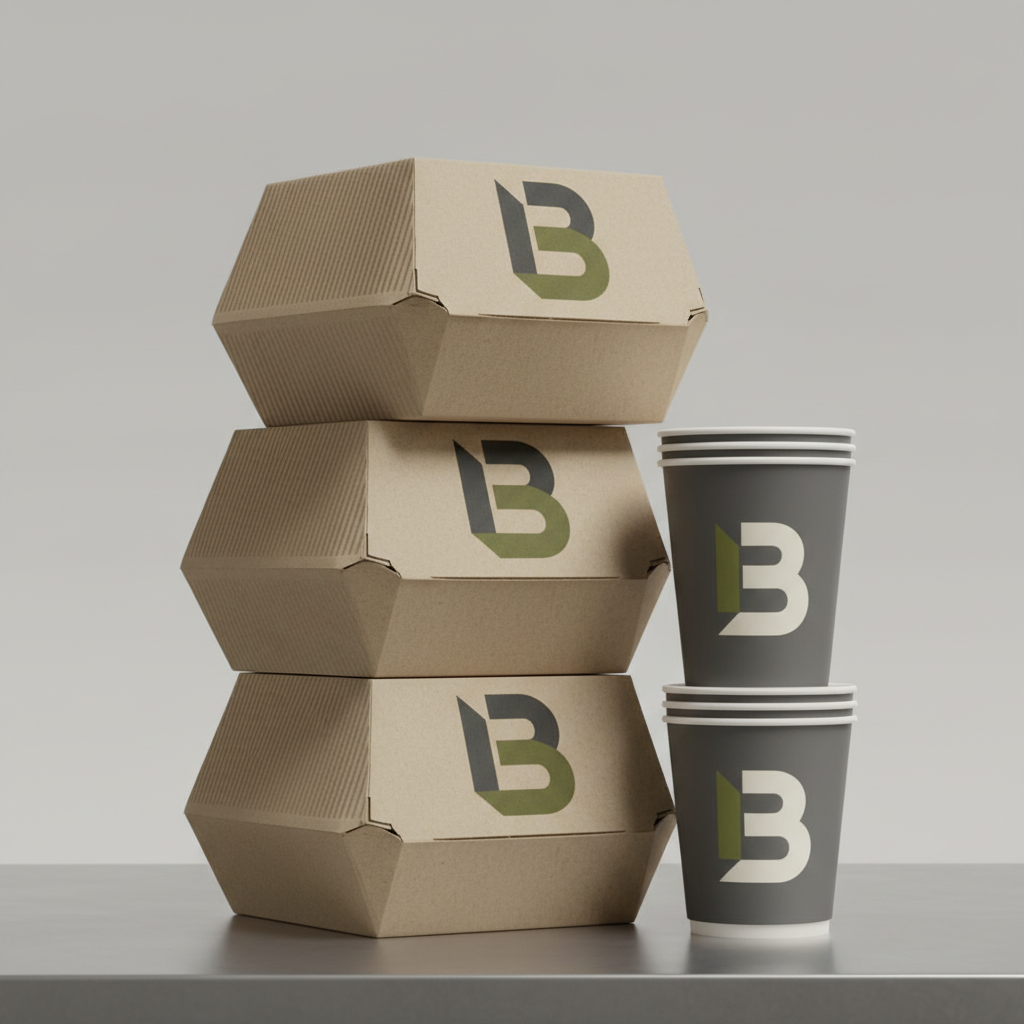
The concept of the "mobile billboard" is central to the value proposition of custom packaging. When a customer carries a branded takeout bag or box through a busy street, office, or public park, they are effectively endorsing the brand to everyone they pass.
Consider the lifecycle of a typical takeout order:
- Transit: The package travels from the restaurant to the destination, visible to pedestrians and commuters.
- The "Unboxing": Upon arrival, the packaging is the first physical interaction the customer has with the meal, setting expectations for quality.
- Shared Spaces: In office environments or social gatherings, branded packaging sits on tables, visible to colleagues and friends who may not be current customers.
- Disposal: Even during disposal, distinctive packaging reinforces brand recall.
For B2B buyers and distributors, offering clients packaging that maximizes this visibility is a key selling point. It transforms a consumable cost into a marketing investment.
Enhancing Customer Experience and Perceived Value
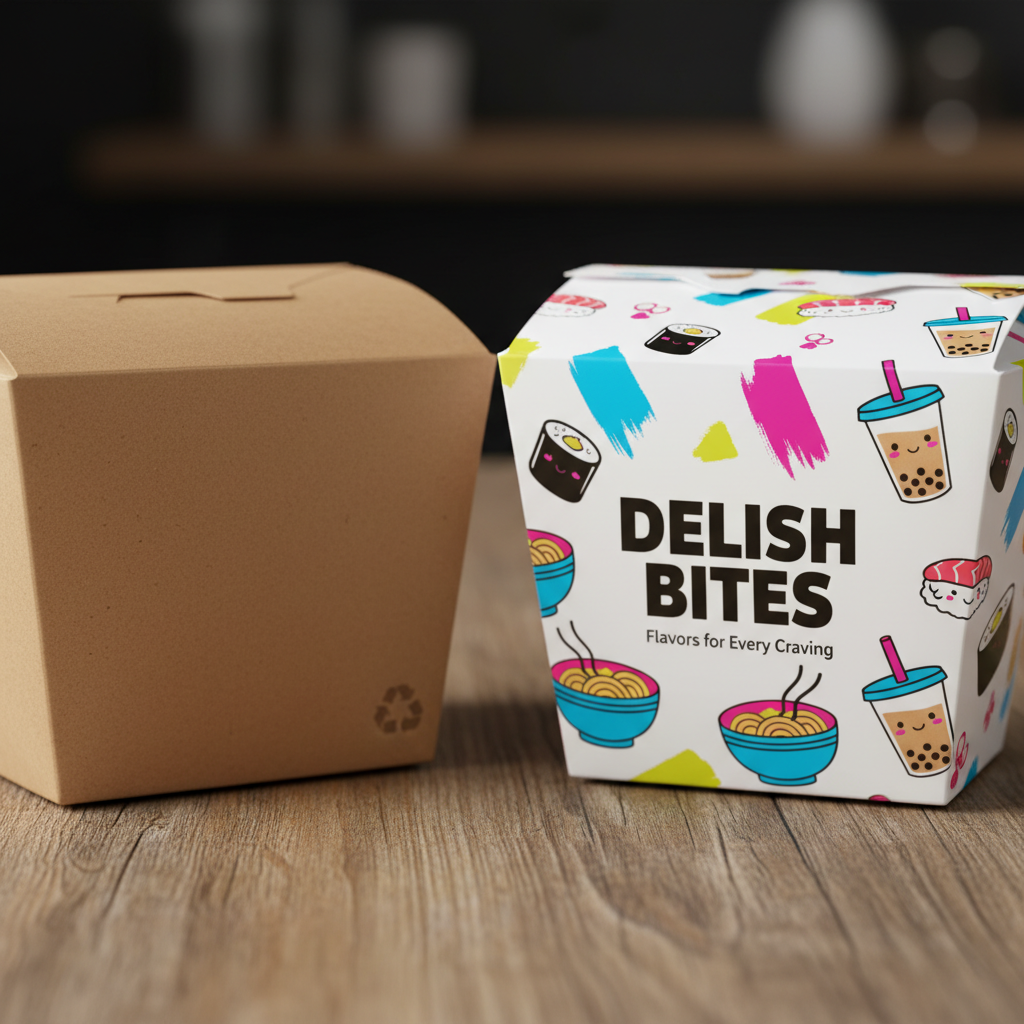
Consumer psychology links packaging quality directly to product quality. A generic, unbranded brown box suggests a commodity product. In contrast, a custom-printed box with a sharp logo, brand colors, and professional finish implies care, hygiene, and premium quality.
The Unboxing Experience
Social media has amplified the importance of the "unboxing" experience. Customers frequently photograph food before eating it. If the packaging features a witty tagline, a striking logo, or an aesthetic design, it is far more likely to be shared on platforms like Instagram or TikTok. This user-generated content acts as free, high-trust advertising.
Analyzing the ROI: Generic vs. Branded
A common hesitation for procurement teams is the incremental cost of custom printing compared to stock packaging. While custom printed food packaging does carry a higher unit cost and potentially higher Minimum Order Quantities (MOQs), the ROI is measurable through customer retention and acquisition.
| Factor | Generic Packaging | Custom Printed Packaging |
|---|---|---|
| Cost Per Unit | Lower (commodity pricing) | Moderate (includes plate/setup fees) |
| Brand Impressions | Zero | High (transit + consumption) |
| Customer Perception | Functional, Standard | Premium, Established |
| Marketing Spend | N/A | Included in operational cost |
Technical Considerations for Custom Printing
When sourcing custom printed food packaging, buyers must navigate several technical specifications to ensure the final product meets brand standards and safety regulations.
1. Printing Methods: Flexography vs. Offset
- Flexographic Printing (Flexo): Ideal for high-volume orders (e.g., pizza boxes, fast food bags). It uses flexible relief plates and is cost-effective for simple designs with 1-4 colors.
- Offset Printing (Lithography): Best for high-quality, photographic imagery and complex gradients. This is often used for premium bakery boxes or retail-ready packaging where visual detail is paramount.
2. Ink Safety and Compliance
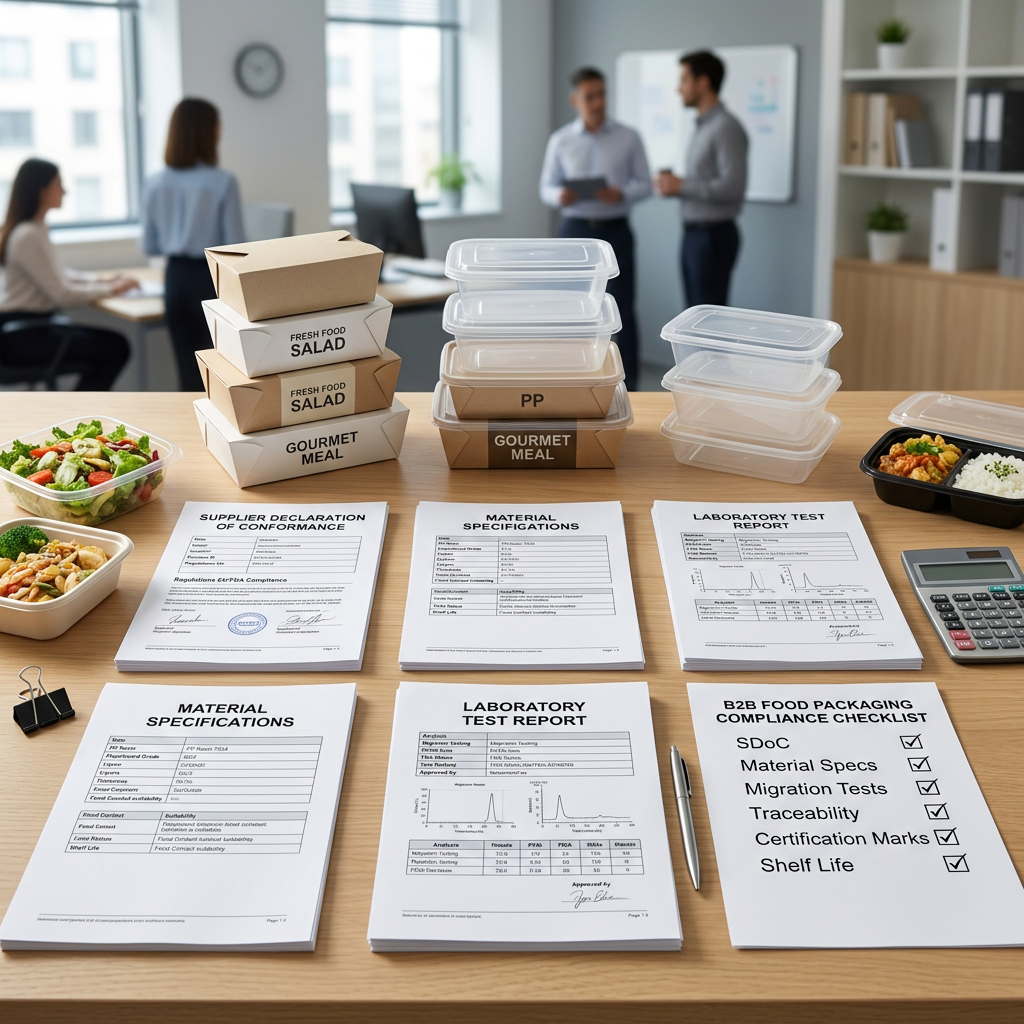
For food packaging, ink safety is non-negotiable. Manufacturers must use food-grade, low-migration inks, especially if the printed surface might inadvertently contact food (though direct contact is usually avoided via barriers). Water-based and soy-based inks are industry standards that offer vibrancy without compromising safety or environmental goals.
3. Material Selection: Kraft vs. White
The base material significantly affects how colors appear:
- White Bleached Board: Provides a clean canvas for bright, accurate color reproduction. Recommended for brands with vibrant palettes.
- Natural Kraft (Brown): Offers a rustic, eco-friendly aesthetic. Darker inks (black, dark green, navy) work best here; lighter colors may look washed out or require a white underprint.
Buying Guide: How to Order Custom Packaging
Transitioning from stock to custom requires preparation. Here is a checklist for procurement managers to streamline the process.
Step 1: Determine Your Specs
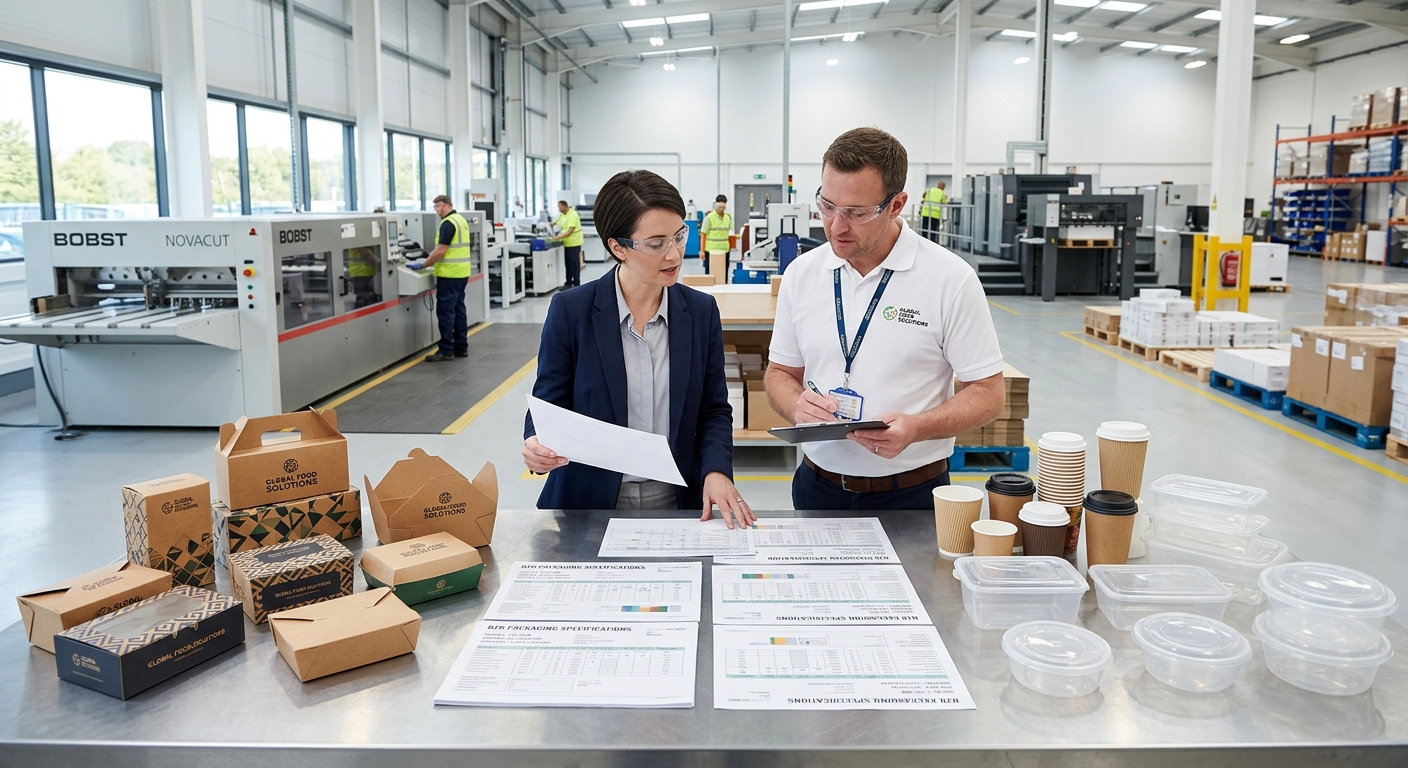
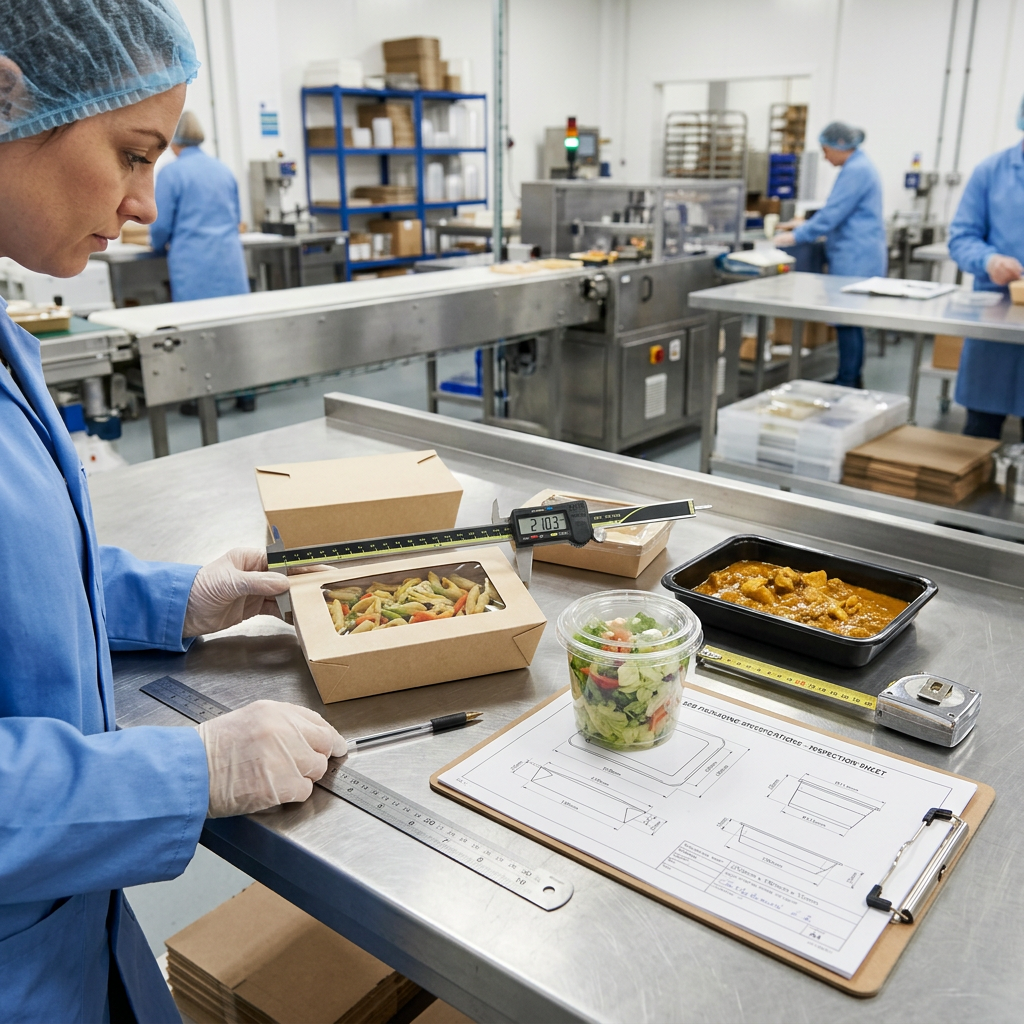
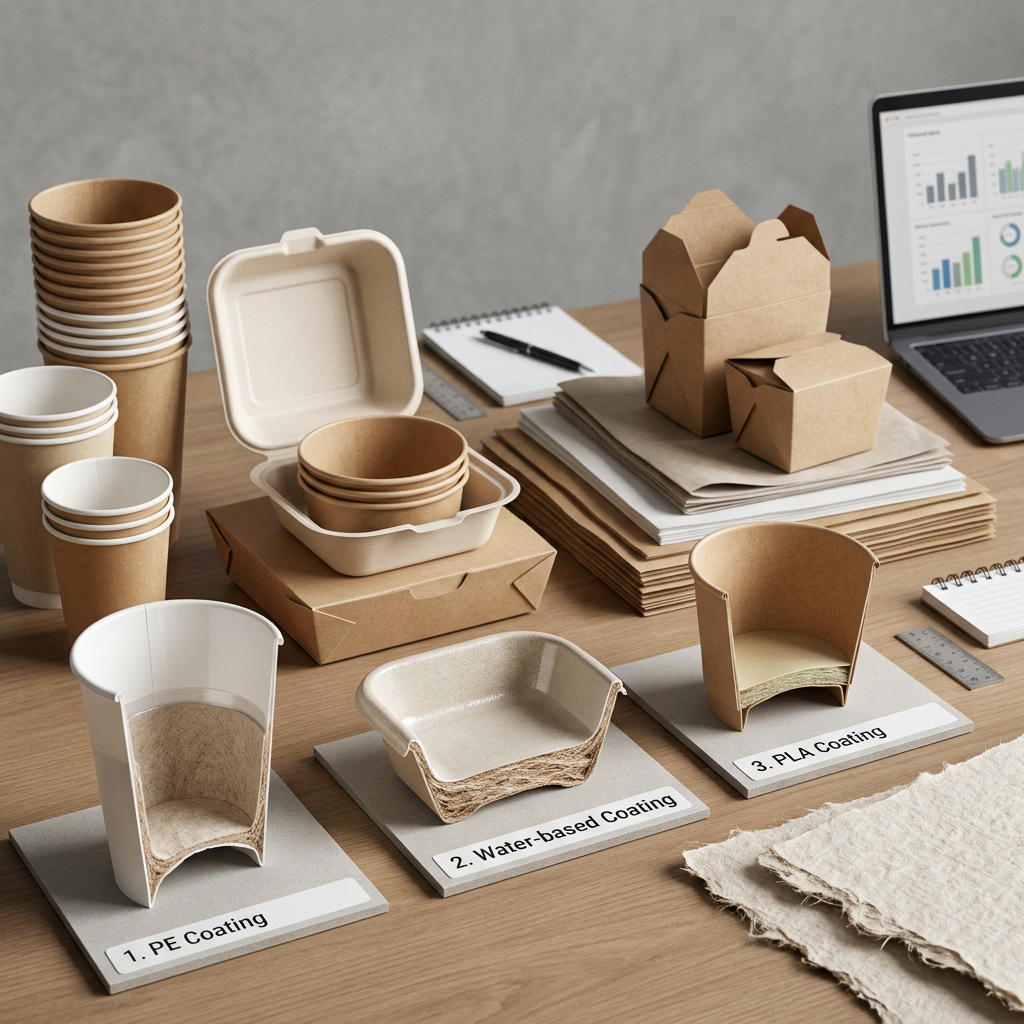
Define the exact dimensions, paper weight (GSM), and coating requirements (e.g., greaseproof lining for fried foods). Accurate specs prevent production delays.
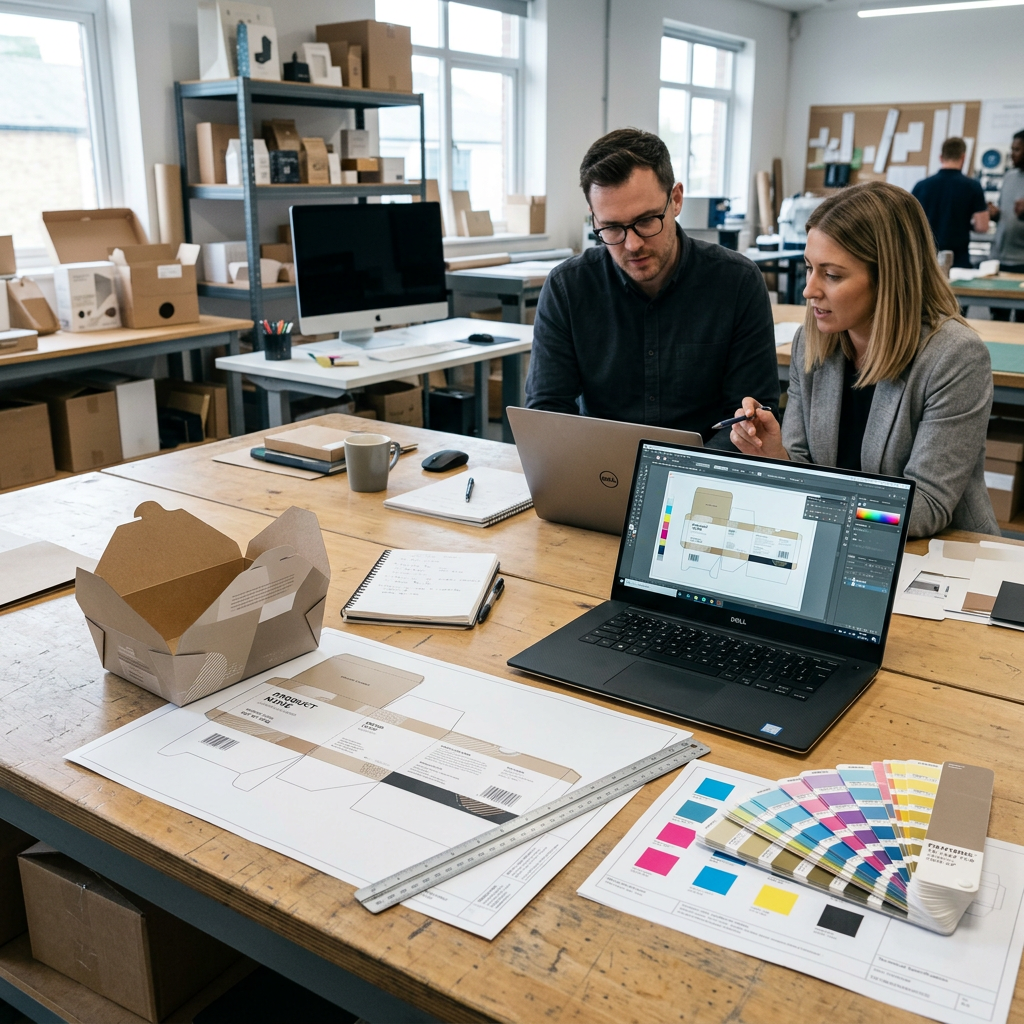
Step 2: Prepare Artwork
Manufacturers require vector files (AI, EPS, or PDF) for printing. Raster images (JPG, PNG) often result in pixelated prints. Ensure all Pantone (PMS) colors are specified to guarantee brand consistency across different batches.
Step 3: Understand MOQs
Custom printing involves setup costs (making printing plates). Consequently, Minimum Order Quantities are higher than for plain stock. Typical MOQs for custom work might range from 5,000 to 30,000 units depending on the complexity and factory capabilities.
Step 4: Request Samples
Before authorizing a full production run, request a physical proof or a digital mock-up. This allows you to verify logo placement and color accuracy.
Frequently Asked Questions (FAQs)
What is the typical lead time for custom printed orders?
Lead times vary by complexity and volume but typically range from 4 to 8 weeks after artwork approval. This includes plate creation, production, and shipping logistics.
Can I print on the inside of the box?
Yes, inside printing is possible and adds a premium feel. However, it requires specific food-safe coatings and inks since this surface is in closer proximity to the food.
Is custom printing eco-friendly?
It can be. Using water-based inks and unbleached Kraft paper maintains the recyclability and compostability of the packaging. Always verify with the manufacturer that the inks used do not contaminate the recycling stream.
Do I need to pay for printing plates every time?
Usually, plate charges are a one-time fee for the first order. Repeat orders with the exact same design typically do not incur new plate charges.
Elevate Your Brand with Professional Packaging
Custom printed food packaging is a strategic investment that drives brand recognition and enhances customer loyalty. By turning a necessary operational cost into a marketing opportunity, businesses can differentiate themselves in a crowded market.
Ready to start your custom packaging project? Contact our team today to discuss your design requirements, request a quote, or get a sample of our previous work.