

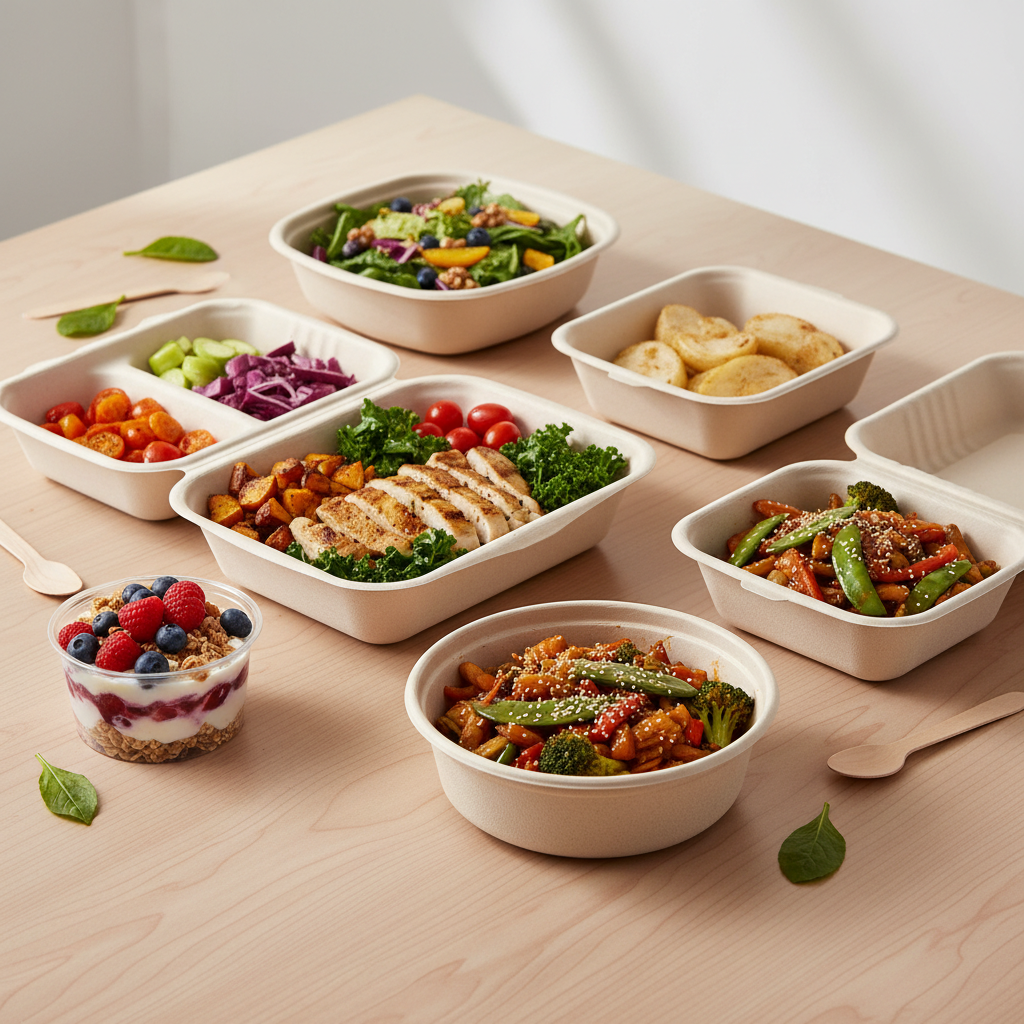
In the competitive landscape of food delivery and takeout, packaging is no longer just a vessel for transporting meals; it is a statement of brand values. As global regulations tighten around single-use plastics and consumer preference shifts toward sustainability, restaurant owners and procurement managers are increasingly turning to plant-based alternatives. Among these, sugarcane bagasse containers have emerged as a leading solution, balancing environmental responsibility with high-performance functionality.
For food service businesses, the transition to eco-friendly packaging involves more than just swapping materials. It requires ensuring that the new packaging maintains food quality, withstands transit, and aligns with operational costs. This guide explores the technical and environmental benefits of sugarcane bagasse packaging and why it is rapidly becoming the standard for sustainable takeout.
What is Sugarcane Bagasse Packaging?
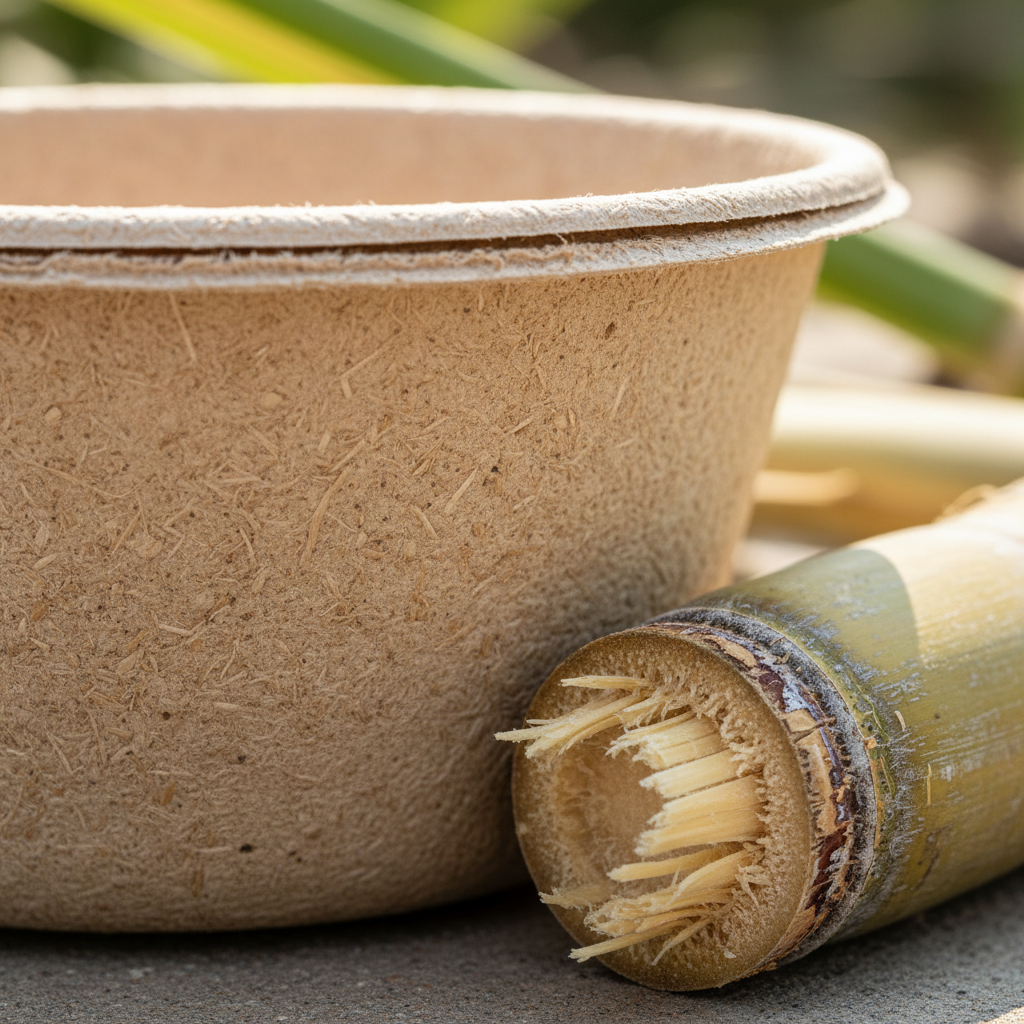
Sugarcane bagasse is the dry, fibrous residue that remains after sugarcane stalks are crushed to extract their juice. Historically, this material was often discarded or burned as fuel. However, in modern packaging manufacturing, it is repurposed into a valuable resource.
The process involves converting this fibrous residue into a pulp, which is then molded under high heat and pressure into specific shapes—clamshells, bowls, plates, and trays. This manufacturing method, often referred to as pulp molding, creates a sturdy, rigid structure without the need for petrochemicals. Because it is derived from a rapidly renewable crop (sugarcane is harvested annually), bagasse is considered a highly sustainable alternative to wood-paper or fossil-fuel-based plastics.
Key Environmental Advantages
1. Biodegradability and Compostability
Unlike Styrofoam (EPS) or traditional plastics that persist in landfills for centuries, bagasse is fully biodegradable. Under proper commercial composting conditions, bagasse containers typically break down into organic matter within 60 to 90 days. This closes the loop in the waste cycle, turning packaging waste into nutrient-rich soil rather than pollution.
2. Renewable Resource Efficiency
Using wood for paper packaging requires cutting down trees, which take decades to mature. In contrast, sugarcane is an agricultural crop that regenerates in less than a year. Utilizing the by-product (bagasse) maximizes the efficiency of the agricultural process, requiring no additional land to grow materials specifically for packaging.
3. Reduced Carbon Footprint
The production of bagasse packaging generally consumes less energy compared to the refining and polymerization processes required for plastics. Furthermore, because the raw material is a plant fiber, it captures carbon dioxide during its growth phase, contributing to a lower overall carbon footprint for the finished product.
Functional Performance in Food Delivery
Sustainability often raises concerns about durability. However, bagasse containers are engineered to meet the rigorous demands of modern food delivery services.
Thermal Stability and Microwave Safety
One of the primary weaknesses of alternative materials like PLA (polylactic acid) or lower-grade plastics is poor heat resistance. Bagasse excels in this area. It can typically withstand temperatures ranging from -25°C to 200°C (-13°F to 392°F). This makes bagasse containers:
- Microwave Safe: Customers can reheat leftovers directly in the container without it warping or releasing harmful toxins.
- Freezer Safe: Suitable for meal prep services or storing leftovers.
- Hot Fill Ready: capable of holding hot soups, curries, or greasy fried foods without melting.
Oil and Moisture Resistance
Raw plant fiber is naturally absorbent, which can be a risk for saucy foods. To combat this, high-quality bagasse containers are manufactured with oil and water-resistant additives. This ensures that the container remains rigid and does not become soggy or leak during a 30-minute delivery ride. Standard specifications often include water resistance up to 100°C and oil resistance up to 120°C.
Structural Integrity and Breathability
Bagasse is thicker and more rigid than standard paperboard. It resists cutting and does not crack easily like polystyrene. Additionally, the material is naturally breathable, which helps prevent condensation buildup inside the container. For fried foods (like french fries or tempura), this breathability helps maintain crispiness better than airtight plastic containers that trap steam.
Comparison: Bagasse vs. Traditional Options
When selecting packaging, it is helpful to compare bagasse directly against the materials it replaces.
| Feature | Sugarcane Bagasse | Styrofoam (EPS) | Plastic (PP/PET) | Paperboard (PE Lined) |
|---|---|---|---|---|
| Eco-Impact | Renewable, Compostable | High pollution, non-biodegradable | Recyclable (often low rates) | Recyclable (if liner separated) |
| Heat Resistance | High (Microwavable) | Moderate (Melts/Warps) | High (Microwavable) | Moderate |
| Rigidity | Excellent | Good but brittle | Excellent | Flexible |
| Insulation | Good | Excellent | Low | Low |
| Cost | Moderate | Low | Low-Moderate | Moderate |
Procurement and Customization Considerations
For B2B buyers and restaurant chains, switching to bagasse involves specific supply chain considerations.
Lid Compatibility
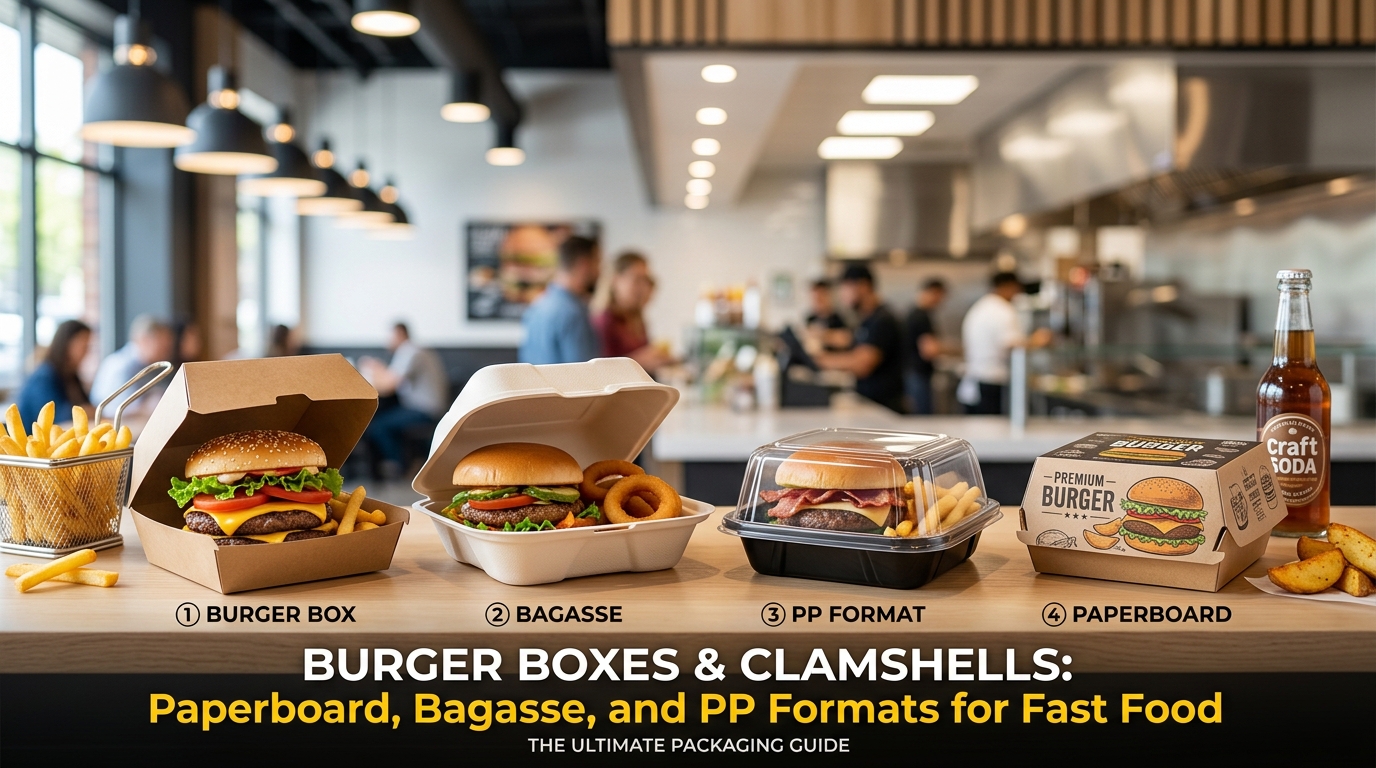
Bagasse containers often come with multiple lid options. While a bagasse lid offers a 100% plastic-free solution, it is opaque. If product visibility is crucial for merchandising (e.g., grab-and-go salads), buyers might opt for rPET (recycled PET) or PP lids that fit securely onto the bagasse base. Ensure your supplier offers tight-locking lids to prevent spills during delivery.
Customization and Branding
Unlike plastic which is easily printed on, bagasse has a textured surface. While direct high-resolution printing is difficult, custom embossing is a popular and elegant branding option. Suppliers can create custom molds to emboss a restaurant logo directly onto the lid or base of the container, adding a premium feel without using ink.
Storage and Shelf Life
Bagasse should be stored in dry, well-ventilated warehouses. While durable, it is a natural fiber product and can absorb ambient moisture if stored in highly humid environments for extended periods. Standard shelf life is excellent, often lasting years if kept dry.
FAQs About Sugarcane Bagasse Containers
Is bagasse packaging expensive compared to plastic?
Bagasse is generally more expensive than Styrofoam but is becoming price-competitive with rigid plastics and high-quality paperboard. As production scales and plastic taxes increase globally, the cost gap continues to narrow.
Can bagasse hold liquids like soup?
Yes, provided the container is designed for it. Deep bowls made from bagasse are commonly used for soups and ramen. However, for extremely long durations (e.g., over 24 hours), the material may eventually soften, so it is best for immediate consumption or delivery.
Does bagasse contain PFAS?
Historically, some molded fiber products used PFAS for grease resistance. However, leading manufacturers are now shifting toward PFAS-free formulations to meet new regulations in regions like the EU and US. Buyers should specifically request PFAS-free certification if this is a compliance requirement for their market.
Conclusion
Sugarcane bagasse containers represent a sophisticated evolution in food packaging. They offer the durability and heat resistance required for professional food service while satisfying the growing market demand for environmental stewardship. For restaurants, switching to bagasse is a practical step toward reducing plastic waste without compromising the customer’s dining experience.
Ready to switch to sustainable packaging? Contact us today to request a quote or get samples of our high-quality sugarcane bagasse containers tailored for your business needs.